

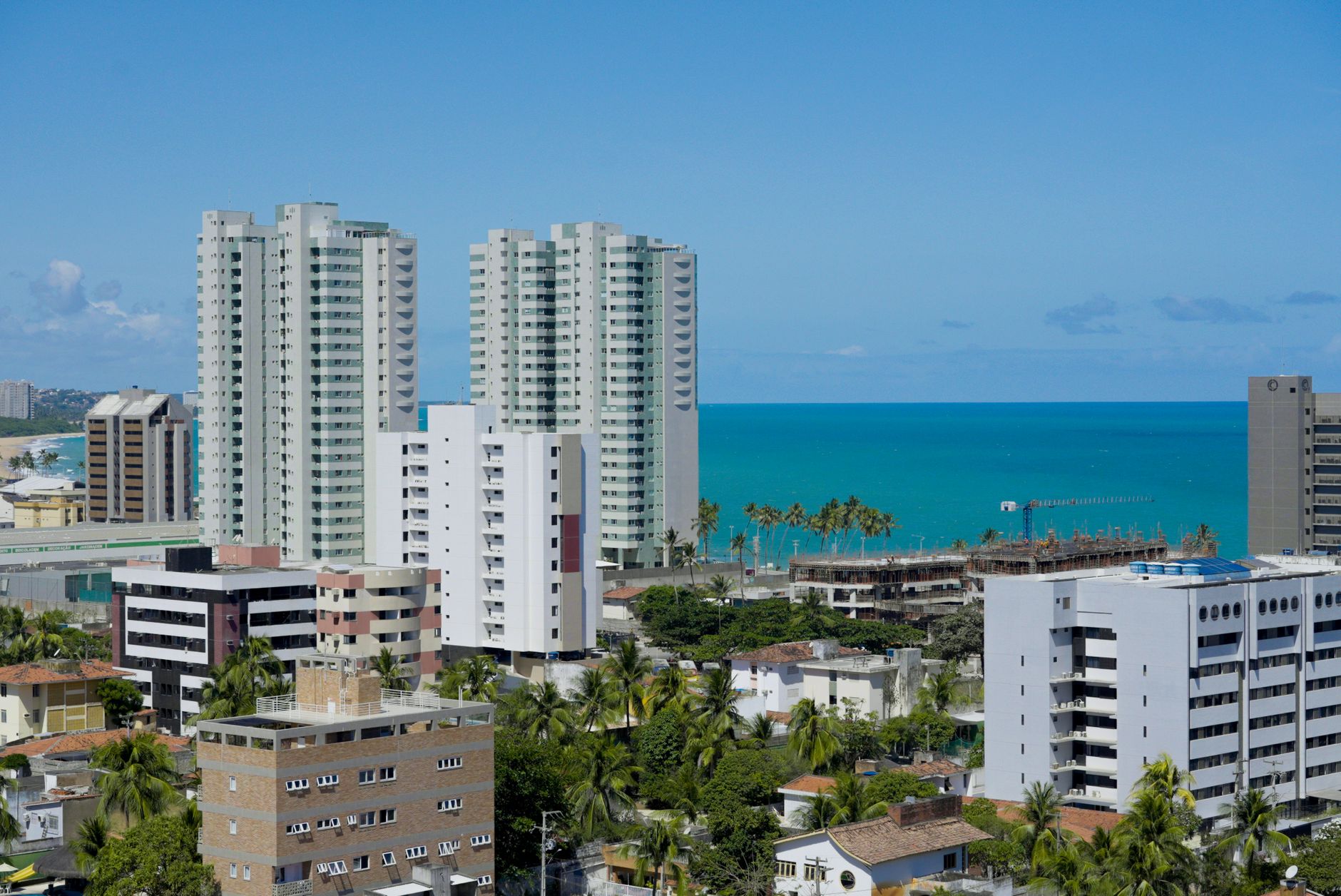
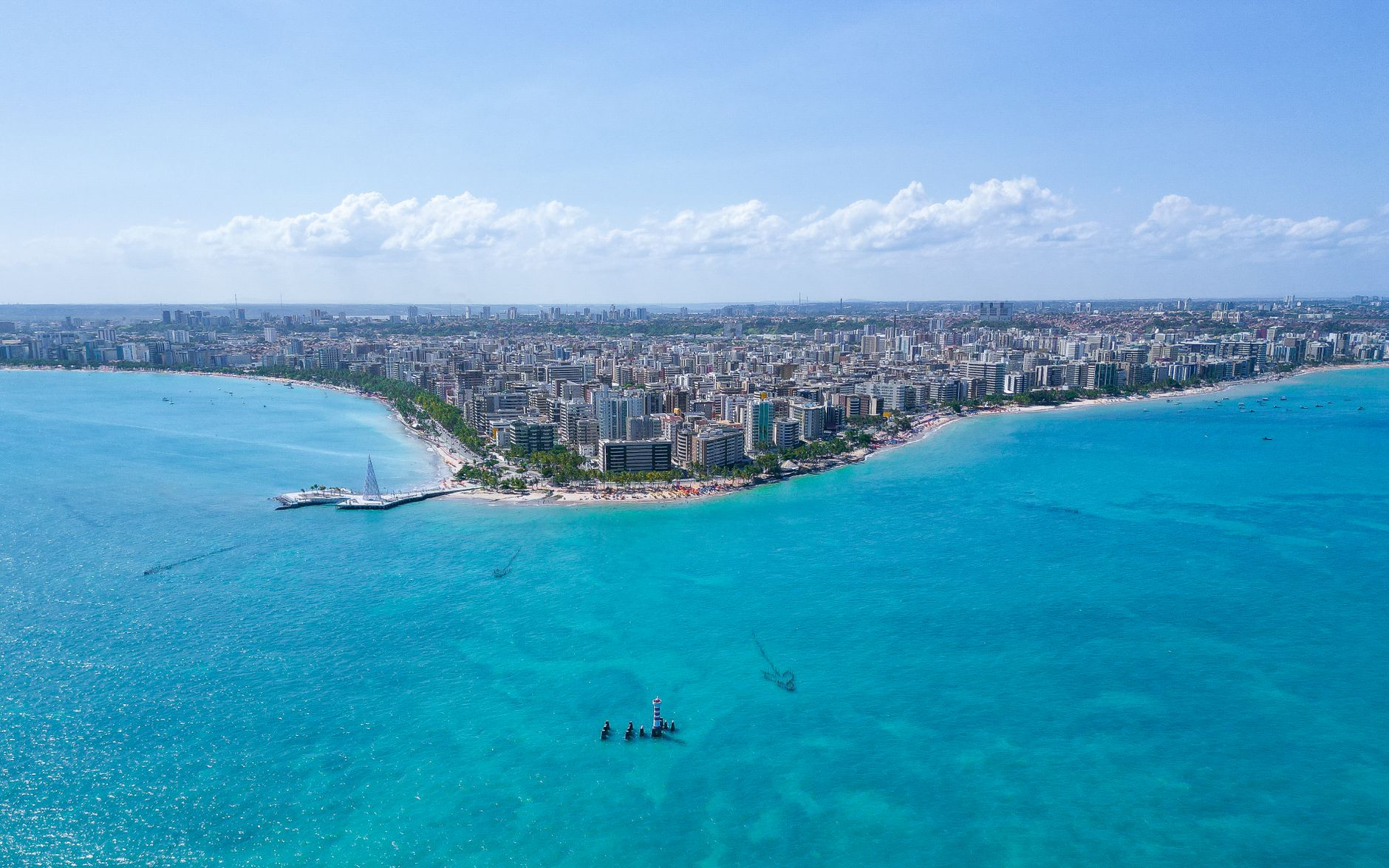
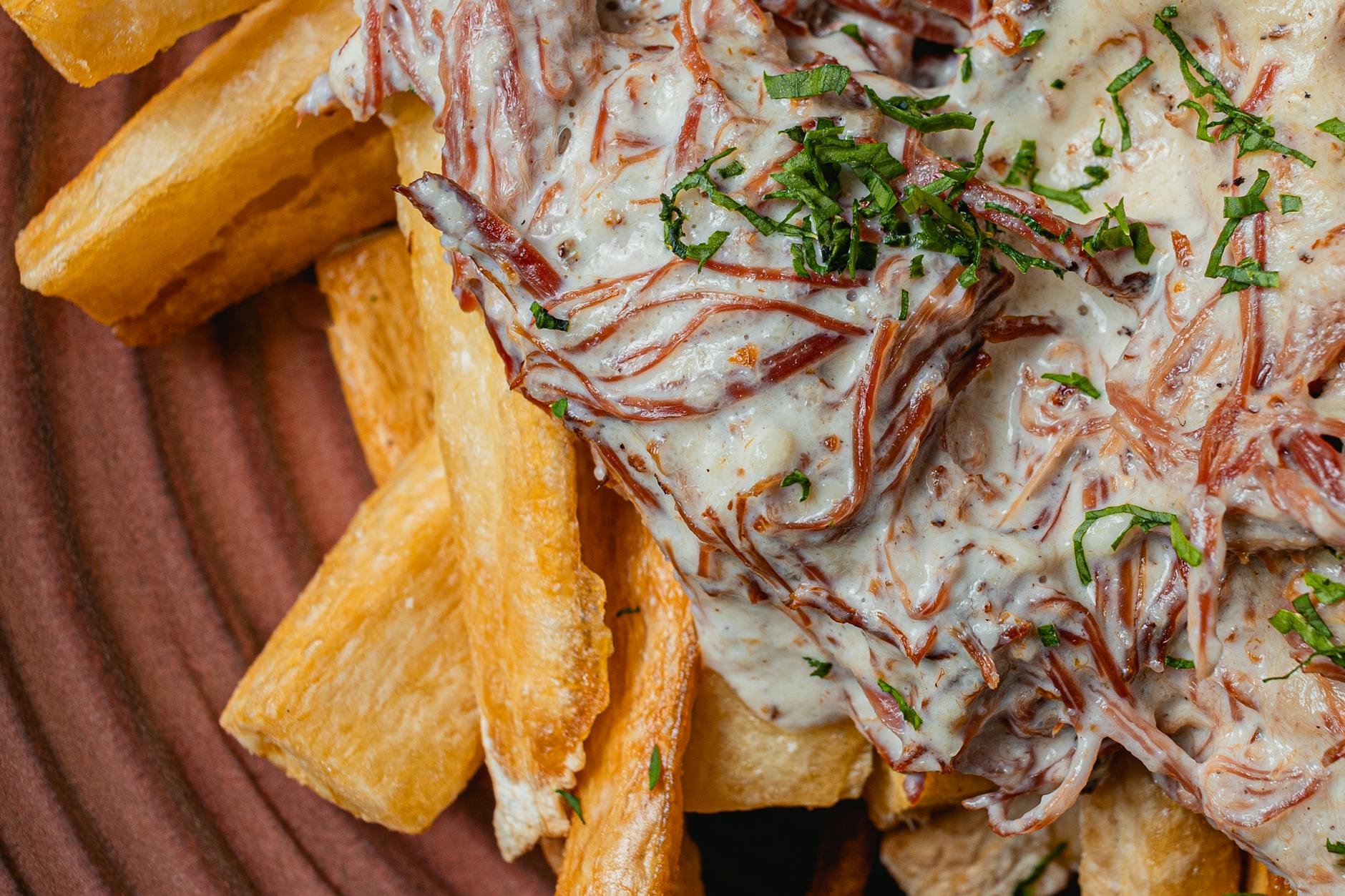

Sitting 260 kilometres south of Recife and served by its own international airport, Maceió is defined by an emerald Atlantic fringed by coral reefs and the mangrove lagoons of Mundaú. The city delivers exceptional littoral seafood, notably the lagoon mussel sururu, alongside broad urban promenades. Maceió is worth visiting if you want reef-protected ocean swimming alongside lagoon shellfish cooked in coconut milk. Look elsewhere if you want steep mountain trekking, cool highland weather, or late-night underground clubbing.
Last updated 17 Nov 2026
Build a Maceió itinerary.
Choose up to 4 threads that pull you in. Your plan arrives organised around them.
The Bed
Where to stay in Maceió
Which part of town to book, and what each one costs you in walking, noise or quiet.
The Comparison
Maceió, or somewhere near it
The places you are realistically choosing between, and the honest case for each.
The Local Record
Where to read more about Maceió
The blogs, boards, guides and operators worth bookmarking.
What to do in Maceió Alagoas Brazil
Life in Maceió is organized around tides and the Atlantic horizon. Days begin early along the paved promenades of Ponta Verde and Pajuçara, where swimmers take to reef-calmed waters before midday heat settles in. The city balances urban bustle with quiet lagoon fishing communities. It suits independent travellers who value unpretentious coastal cooking, easy beach access, and warm water over grand museums or manicured resort seclusion.
24 hours in Maceió Alagoas Brazil
Catch an early morning jangada sailboat from Pajuçara beach to the outer reef pools. Lunch on sururu soup and fried fish at a kiosk in Ponta Verde, then spend the afternoon wandering the filé lace shops in Pontal da Barra. Finish with tapioca along the shore. Select 1 Day above to see it.
2 days in Maceió Alagoas Brazil
Devote day two to history and the lagoon. Tour the neoclassical facades of Jaraguá in the morning, followed by a boat trip through the mangrove channels of Lagoa Mundaú. Dine on moqueca and pirão in Massagueira, twenty minutes south. Choose 2 Days to expand the plan.
3 days in Maceió Alagoas Brazil
Take the third day out of the city centre. Drive forty minutes south to the colonial church squares of Marechal Deodoro, then continue to the towering coconut groves and sweeping cliffs of Praia do Gunga for grilled prawns by the lagoon inlet.
Maceió Alagoas Brazil itineraries by interest
Local Seafood in Maceió Alagoas Brazil
Taste sururu de capote steamed in coconut milk and dendê, pituzinho prawns, and fried cioba served with farofa at beachside barracas along Pajuçara.
Coastal Walks in Maceió Alagoas Brazil
Walk the wide calçadão between Ponta Verde and Jatiúca at sunrise, stopping for chilled coconut water before the equatorial sun demands an umbrella.
Craft Traditions in Maceió Alagoas Brazil
Browse delicate filé lacework in Pontal da Barra, where weavers work wooden frames outside lakeside cottages producing fine geometric embroidery.
Boat Excursions in Maceió Alagoas Brazil
Board traditional jangadas from Pajuçara at low tide to swim in the natural reef pools situated two kilometres offshore in waist-deep water.
Lagoon Systems in Maceió Alagoas Brazil
Take wooden catamarans across Lagoa Mundaú among mangrove channels, where local fishermen dive for mud clams and mussels beneath the canopy.
Markets & Produce in Maceió Alagoas Brazil
Navigate Mercado da Produção in Levada for manioc flour, sun-dried carne de sol, sweet caju apples, and pungent bottles of house-blended pimenta.
Historic Architecture in Maceió Alagoas Brazil
Explore the Jaraguá district's 19th-century sugar warehouses, customs buildings, and the neoclassical Palácio Floriano Peixoto on Praça dos Martírios.
Beaches in Maceió Alagoas Brazil
Swim in the calm turquoise shallows of Praia do Gunga or find strong surf and red cliffs along the coconut groves of Praia do Carro Quebrado.
Street Food in Maceió Alagoas Brazil
Order warm tapioca crepes stuffed with coalho cheese and shredded coconut from the evening stalls clustered along the Ponta Verde seafront.
Sacred Architecture in Maceió Alagoas Brazil
Visit the 19th-century Catedral Metropolitana de Maceió and the hill-perched Igreja de Nossa Senhora do Rosário dos Pretos overlooking the old port.
Day Trips in Maceió Alagoas Brazil
Drive forty minutes south to Marechal Deodoro to see Brazil's first capital, baroque convents, and tranquil shores along Lagoa Manguaba.
Nightlife & Music in Maceió Alagoas Brazil
Catch live regional forró and samba at rustic open-air bars in Jaraguá and seaside kiosks along Jatiúca as the sea breeze cools the pavement.