Mainz.


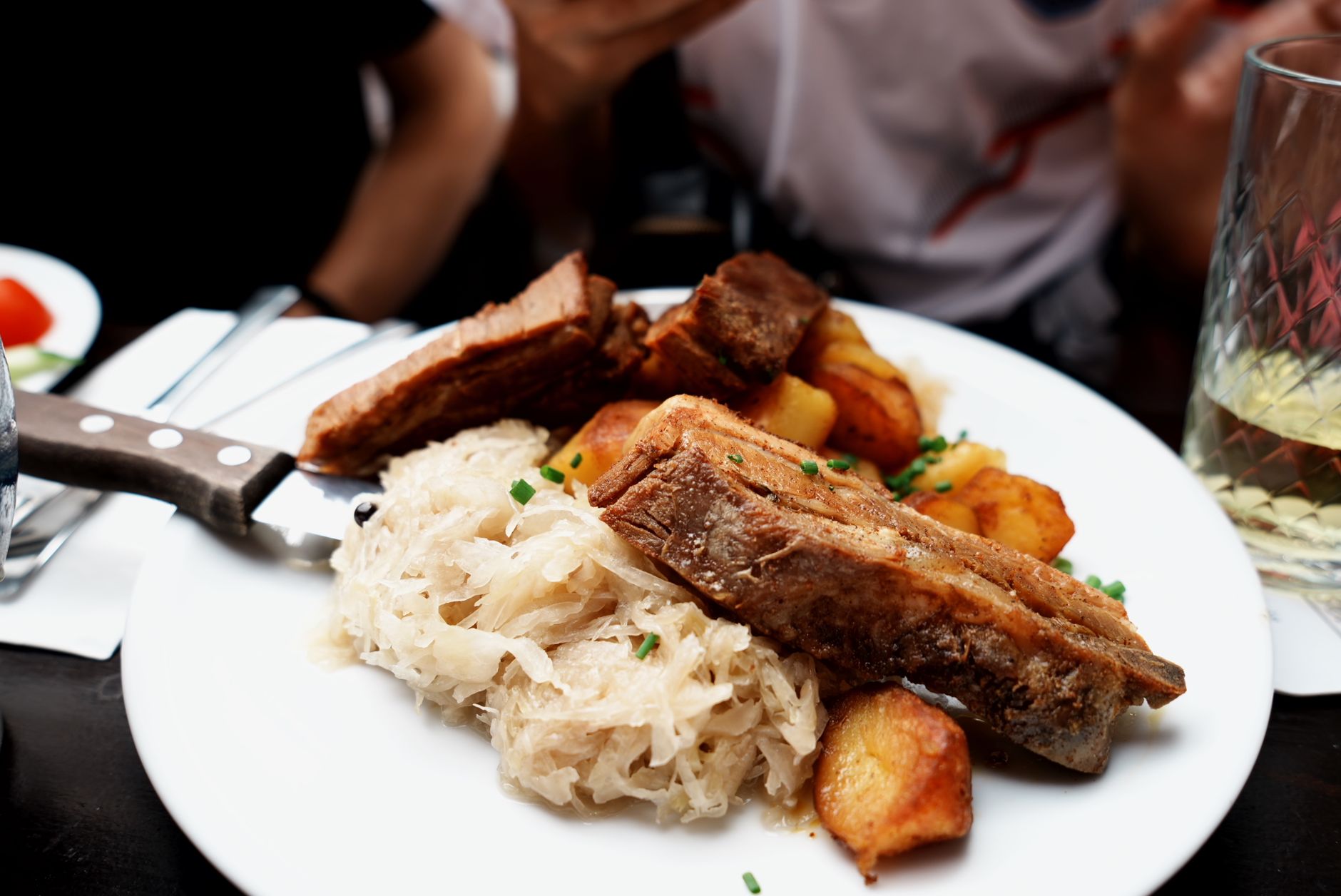

Sitting thirty minutes west of Frankfurt Airport on the S-Bahn, Mainz is built around a thousand-year-old Romanesque cathedral and the birthplace of movable-type printing. The riverfront city centres on compact cobbled squares and old-school Rheinhessen taverns serving Spätburgunder alongside plates of Spundekäs. Mainz is worth visiting if you want to inspect original Gutenberg Bibles and drink local wine among chatty regulars. Look elsewhere if you want high-energy clubbing or sleek contemporary architecture.
Last updated 20 Oct 2026
Build a Mainz itinerary.
Choose up to 4 threads that pull you in. Your plan arrives organised around them.
We'll craft a 1-lens plan for Mainz, one collapsible strand per lens.
Riverside Walks
Stroll the Rhine promenade along Rheinufer, watching barges navigate the river traffic past Theodor Heuss Bridge toward the Kastel bank.
Riverside Walks
Stroll the Rhine promenade along Rheinufer, watching barges navigate the river traffic past Theodor Heuss Bridge toward the Kastel bank.
Morning Rhine Promenade Stroll
Adenauer-Ufer Promenade
Walk the paved riverside path from Fischtorplatz north toward the bridge. Free to access year-round; allow forty minutes to watch the morning cargo barges.
Editor TipThe Rhine has anchored Mainz since Roman legions docked here in 13 BC, remaining Europe's busiest commercial waterway and the city's living front porch. Grab a fresh Bretzel from a bakery on Fischtorstrasse before you hit the water; benches face east into the morning light.
Riverside Renaissance Palace Walk
Kurfürstliches Schloss Mainz
Stroll the red sandstone riverside grounds of the Prince-Elector palace. Exterior walks are free; explore the river-facing courtyards in about forty-five minutes.
Editor TipBuilt in German Renaissance style between the seventeenth and eighteenth centuries directly along the Rhine, this palace housed the Archbishops who ruled the region. Walk along the raised river terrace behind the east wing for an uninterrupted panorama across to Mainz-Kastel.
Walking The Rhine Promenade
Rheinpromenade Mainz
Free to wander at your leisure. Start near Fischtorplatz and stroll north towards the Theodor Heuss Bridge for a relaxed forty-five-minute riverside walk.
Editor TipMainz prospered for centuries controlling commerce at this broad bend where the Main meets the Rhine, serving as a vital river port since Roman naval days. Take the lower walkway directly alongside the water to watch long industrial barges muscle through the heavy current.
Riverbank Morning Stroll
Rheinuferpromenade Mainz
Start at Fischtorplatz and walk north along the tree-lined path toward the Kaisertor. It costs nothing, takes about an hour, and requires only comfortable flat shoes.
Editor TipFor centuries, this riverfront was a bustling working quay where bargemen hauled timber and Riesling barrels before the city reclaimed the banks for public parkland in the nineteenth century. Benches facing the rising sun fill quickly by nine, so claim one early near the Theodor-Heuss-Brücke.
Harbour Basin Walk
Zollhafen Mainz
Follow the boardwalk loop around the old customs basin and restored red-brick crane. Budget forty-five minutes before grabbing an espresso at the waterside roastery.
Editor TipConstructed in 1887 to handle Rhine freight, this docklands quarter preserves historic maritime brickwork alongside modern residential quays and working boat slips. Step out onto the south wooden pier for unobstructed views back toward the cathedral spires.
Riverside Riesling and Spundekas
Bootshaus Mainz
Order a dry Rheinhessen Silvaner and a crock of seasoned Spundekas with pretzels. Tables outside fill fast by seven; reserve ahead or arrive early.
Editor TipSpundekas originated in the taverns of the Rheingau and Rheinhessen as simple tavern nourishment: fresh quark beaten with butter, onions, and sweet paprika. Ask for the local sourdough bread instead of extra pretzels if you want the proper pairing.
Old Towpath River Walk
Leinpfad Walluf bis Eltville
Take the local train to Niederwalluf station and head downhill to the river. Follow the flat riverside path three kilometres west to Eltville. Free access.
Editor TipOnce trodden by heavy workhorses hauling timber barges upstream, this paved bank path tracks the water level where river freight still glides past old willow stands. Rhine morning breezes bite harder than expected; pack a proper windbreaker even if the forecast promises sunshine.
Riverside Fortress Ramparts
Kurfürstliche Burg Eltville
Stroll into the courtyard rose gardens for free. Pay four euros at the gate to climb the fourteenth-century defensive tower for wide views across the shipping channel.
Editor TipMainz archbishops built this water-facing stronghold to escape rebellious townsfolk in their own capital, securing their river tolls and wine cellars behind thick stone. The medieval spiral staircase narrows near the top, so leave heavy daypacks with the attendant on the ground floor.
Riverbank Riesling and Pretzels
Weinprobierstand Eltville am Rhein
Buy a chilled Rheingau dry Riesling for four euros from the rotating growers' booth. No reservations needed; open until dusk on pleasant evenings.
Editor TipCommunity-operated riverside wine stands have anchored local social life for generations, pairing estate vintages with simple bread and river breezes. Bring small euro coins for the glass deposit and claim a wooden bench facing the tugboat lane before sunset.
Wildcards
Worth your time whatever brought you here.
Wildcards
Worth your time whatever brought you here.
Tasting Spundekäs And Riesling
Weinhaus Michel
Arrive around six to claim an unreserved seat. Order a crisp dry Silvaner and a terracotta bowl of paprika-spiced Spundekäs with pretzels for fifteen euros.
Editor TipMainz anchors the Rheinhessen wine district, where tavern life centers around simple regional snacks and chilled local pours shared at communal wooden tables. Aim for the inner courtyard on mild evenings, and take whatever open seat you find at a shared bench.
Note from the Editor
“Start along the water before the commuter cyclist rush peaks at nine. The riverfront paths are wide and gentle, but morning light on the red sandstone east banks disappears fast.”
The Bed
Where to stay in Mainz
Which part of town to book, and what each one costs you in walking, noise or quiet.
The Comparison
Mainz, or somewhere near it
The places you are realistically choosing between, and the honest case for each.
The Local Record
Where to read more about Mainz
The blogs, boards, guides and operators worth bookmarking.
What to do in Mainz Rhineland-Palatinate Germany
Mainz sits comfortably on the Rhine, oriented around its immense thousand-year-old cathedral, quiet half-timbered lanes, and hospitable wine houses. Days revolve around morning walks through the market on Liebfrauenplatz, visits to Gutenberg's printing legacy, and late afternoons nursing local Riesling at wooden tables. It suits travellers who appreciate easy transit, deep Roman and medieval history, and relaxed communal dining without tourist queues.
24 hours in Mainz Rhineland-Palatinate Germany
Start early at the Gutenberg Museum, then walk two minutes into the cathedral cloisters. For lunch, order Spundekäs and fresh pretzels at a tavern along Augustinerstrasse. Spend your afternoon admiring Chagall's blue glass at St. Stephan, then finish with roast pork and a carafe of cold Silvaner at Weinhaus Haddock, entirely on foot. Select 1 Day above to see it.
2 days in Mainz Rhineland-Palatinate Germany
Spend your second morning exploring subterranean Roman ruins at the Isis sanctuary before strolling the waterfront promenade along Rheinufer. Cross the river over Theodor Heuss Bridge to Mainz-Kastel, or explore the leafy rose beds of Stadtpark before dining on Handkäs mit Musik and Spätburgunder in the Altstadt. Choose 2 Days to expand the plan.
3 days in Mainz Rhineland-Palatinate Germany
A third day allows an easy thirty-minute train journey down the Rhine gorge to Bingen or across into the Rheingau vineyards of Eltville and Eberbach Abbey. Alternatively, stay local to explore regional painting collections at the Landesmuseum followed by an unhurried afternoon tasting estate wines along the river.
Mainz Rhineland-Palatinate Germany itineraries by interest
Wine Culture in Mainz Rhineland-Palatinate Germany
Sip dry Silvaner, Riesling, and Spätburgunder poured into traditional ribbed glasses at historic Weinstuben like Weinhaus Michel or Augustinerkeller.
Sacred Architecture in Mainz Rhineland-Palatinate Germany
Tour the towering red-sandstone St. Martin's Cathedral from 975 AD and admire Marc Chagall's luminous blue stained glass at St. Stephan.
Print History in Mainz Rhineland-Palatinate Germany
Examine two original fifteenth-century Gutenberg Bibles and watch live typesetting demonstrations on reconstructed wooden presses at Gutenberg Museum.
Old Town in Mainz Rhineland-Palatinate Germany
Wander Kirschgarten with its timber-framed sixteenth-century facades, quiet stone alleys, gas lamps, and outdoor café tables near Augustinerstrasse.
Markets & Produce in Mainz Rhineland-Palatinate Germany
Visit the square around the cathedral on Tuesday, Friday, or Saturday for Mainz market breakfast, Fleischwurst, and seasonal white asparagus.
Ancient History in Mainz Rhineland-Palatinate Germany
Discover Roman Mainz at the Temple of Isis and Mater Magna under a shopping arcade, along with Roman galley hulls at the maritime museum.
Local Specialties in Mainz Rhineland-Palatinate Germany
Order spiced cream-cheese Spundekäs with salted pretzels, hand cheese with music (Handkäs mit Musik), and hearty portions of roasted pork knuckle.
Riverside Walks in Mainz Rhineland-Palatinate Germany
Stroll the Rhine promenade along Rheinufer, watching barges navigate the river traffic past Theodor Heuss Bridge toward the Kastel bank.
Museums & Galleries in Mainz Rhineland-Palatinate Germany
Browse electoral porcelain and Middle Rhine paintings inside the Renaissance Electoral Palace at the Landesmuseum on Grosse Bleiche.
Day Trips in Mainz Rhineland-Palatinate Germany
Take a fifteen-minute regional train across the river to Wiesbaden's thermal baths, or ride thirty minutes into the Rheingau vineyard slopes.
Parks & Gardens in Mainz Rhineland-Palatinate Germany
Walk the terraced rose gardens and shade paths of the Stadtpark, offering quiet Rhine views and paths leading toward the Roman theatre ruins.
Folk Festivals in Mainz Rhineland-Palatinate Germany
Join the annual Fastnacht carnival celebrations in February, or share glasses at the summer Weinmarkt festival in the city park rose garden.