Manteigas.
,_Manteigas,_Serra_da_Estrela.jpg)

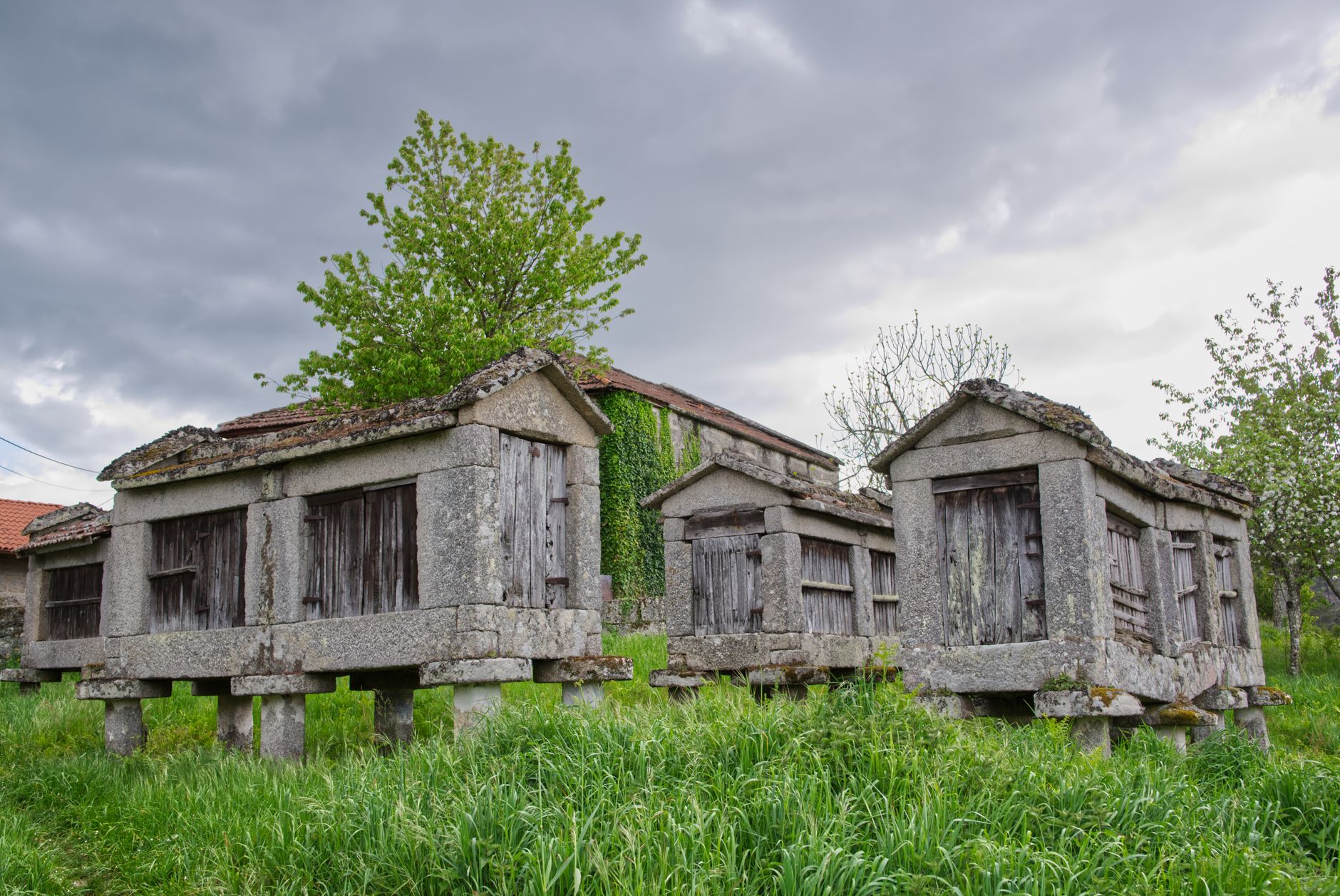
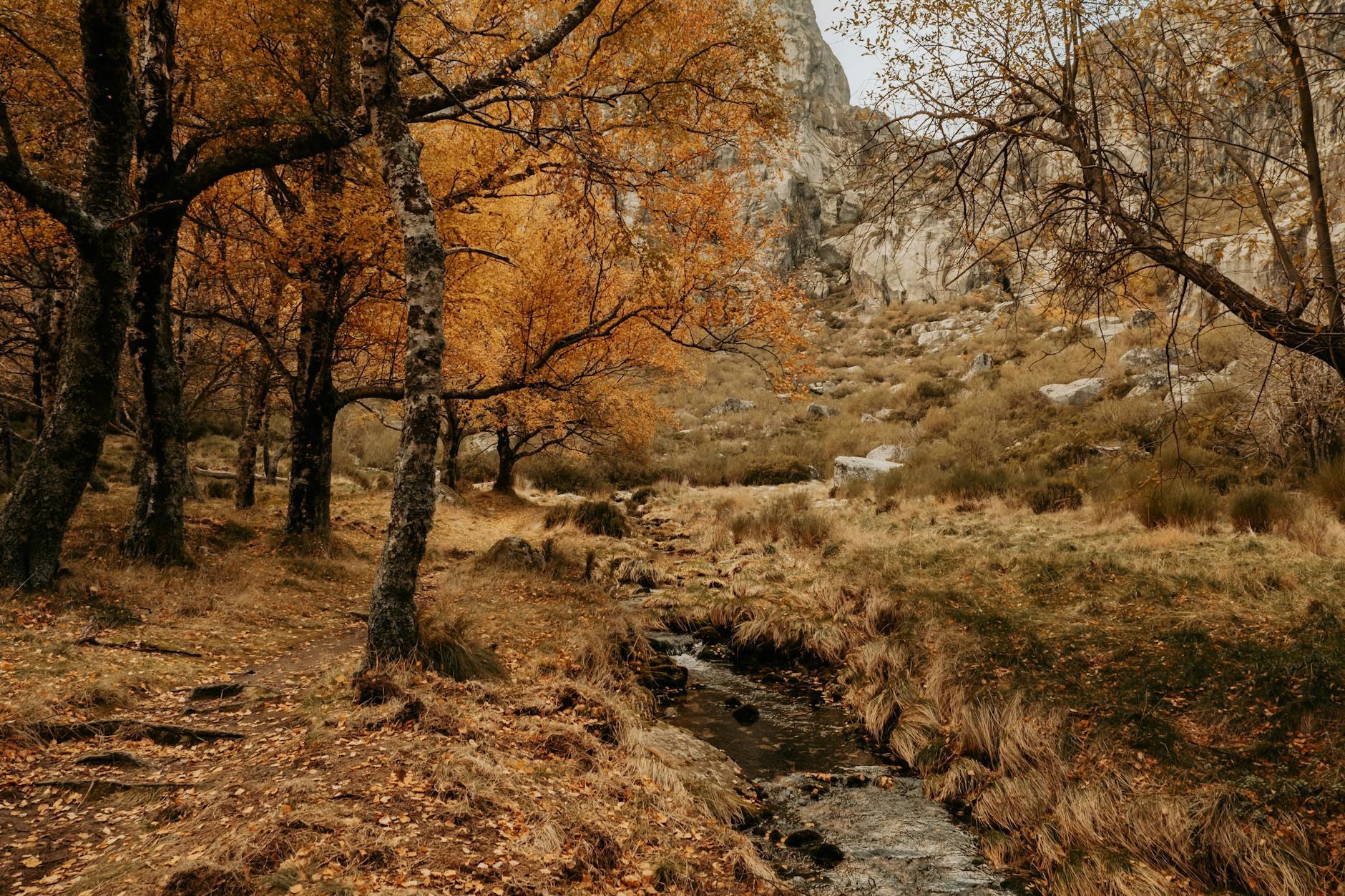

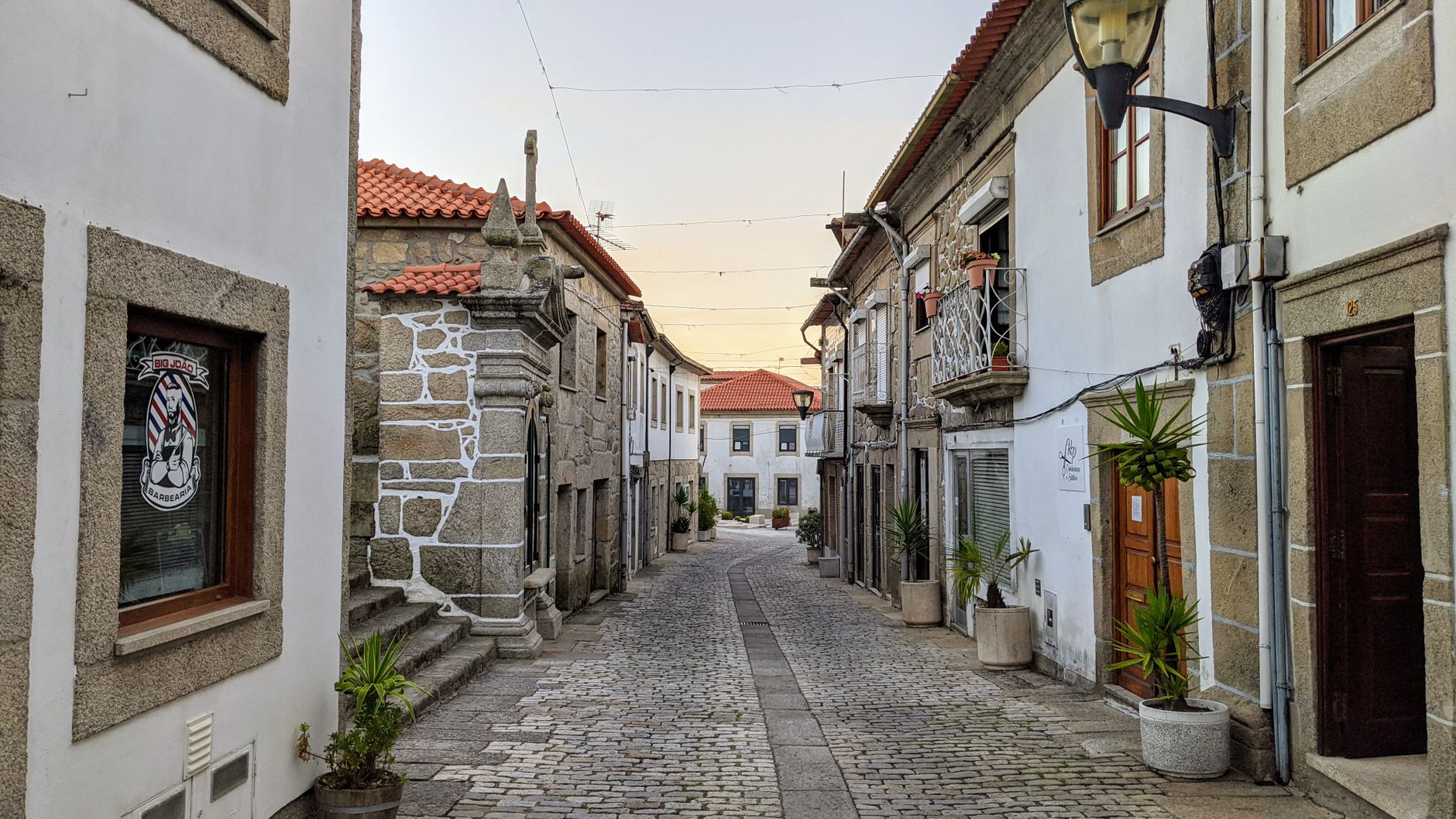
Set in the Zêzere River canyon, Manteigas sits three hours by car east of Porto and forty minutes northwest of Covilhã. The town is built around mountain wool weaving and sheep farming, shadowed by the highest peaks in mainland Portugal. Manteigas is worth visiting if you want to hike rugged glacial valleys and eat raw sheep cheese alongside slow-roasted kid goat. Look elsewhere if you want sleek public transit, lively nightlife, or reliable indoor diversions during heavy mountain rain.
Last updated 22 Sept 2026
Build a Manteigas itinerary.
Choose up to 4 threads that pull you in. Your plan arrives organised around them.
Your lenses changed — refresh to reweave Manteigas around Mountain Hiking, Forest Trails.
Mountain Hiking
Walk the Rota do Glaciar down the Zêzere valley or climb the rocky trails through the Mata do Solitário toward the high granite plateau of Torre.
Mountain Hiking
Walk the Rota do Glaciar down the Zêzere valley or climb the rocky trails through the Mata do Solitário toward the high granite plateau of Torre.
Tasting Raw-Milk Mountain Cheese
Pastelaria Serrana
Order an espresso alongside thick slices of sourdough broa topped with raw sheep milk Queijo Serra da Estrela and pumpkin jam. Pay at the counter; under five euros.
Editor TipShepherds have grazed Bordaleira sheep on these granite slopes since Roman times, using cardoon thistle flowers to coagulate raw milk into Portugal's oldest and richest cheese. Ask for the cheese at room temperature; cold wedges mask the grassy thistle tang.
Walking the Glacial Trough
Trilho do Vale Glaciar do Zêzere
Follow yellow-red trail blazes south from the church toward the river canyon. Plan for a two-hour out-and-back trek along the riverbank path to avoid midday heat.
Editor TipCarved by a two-kilometre tongue of ice twenty thousand years ago, this thirteen-kilometre U-shaped canyon stands as one of the most pronounced glacial troughs in southern Europe. Wind gusts barrel down the granite corridor without warning, so keep a windbreaker clipped to your pack.
Hiking The Beech Woods
Rota das Faias
Follow the yellow and red trail markers from the Cruz das Jugadas chapel. Give yourself three hours for the five-kilometre loop; parking along the road is free.
Editor TipPlanted by foresters in the early twentieth century to stabilise the slopes, these European beeches turn copper each autumn, carpeting the damp granite floor in leaf mould. Wear boots with solid tread; the descent back toward the valley floor gets remarkably slick over wet schist.
Mountain Stew And Raw Cheese
Restaurante O Regional
Book ahead for an eight o'clock table. Order the wild boar stew with chestnut puree and a wheel of runny raw-milk sheep cheese to start. Dinner runs about thirty euros.
Editor TipQueijo Serra da Estrela has been curdled with wild cardoon thistle here since the twelfth century, creating a pungent, spoonable paste built for bitter mountain nights. Spoon the cheese directly onto crusty sourdough; cutting into the rind like a wheel of cheddar marks you out immediately.
Spoonfuls of Mountain Sheep Cheese
Mercado Municipal de Manteigas
Arrive by nine to buy unpasteurized Serra da Estrela cheese and fresh broa de milho from the corner stalls. Bring small euro coins; five euros buys breakfast.
Editor TipBordaleira sheep milk curdled with wild cardoon thistle gives this raw wheel its pungent, spoonable center, perfected in high stone huts across centuries. Carve a round lid out of the top rind and scoop the paste with crusty bread. Never slice it.
Weaving Wool on Vintage Looms
Burel Factory
Tour the working floor for ten euros to watch iron looms turn raw fleece into dense, water-repellent felt. Reserve at the desk thirty minutes prior.
Editor TipShepherds wore boiled burel wool to endure freezing mountain rain, and this restored factory keeps the village's defining textile trade alive without pretense. Take the cobblestone climb via Rua do Amieiro on foot to understand the town incline.
Loomed Mountain Wool Weaving
Ecolã
Watch 19th-century looms spin local Bordaleira fleece into dense water-repellent burel fabric. Free entry, open until 18:00 on weekdays; ask staff to see the finishing room.
Editor TipSerra da Estrela shepherds have worn boiled burel wool capes for centuries to survive bitter winter downpours on the granite ridges. Touch the raw felted weave before you browse the scarves; it smells cleanly of lanolin and rain.
Walking Ancient Birch Groves
Covão da Ametade
Park at the river clearing off the N338. The loop takes two hours along the Zêzere headwaters. Bring sturdy boots for wet granite paths and arrive before four for clear mountain light.
Editor TipCarved by retreating glaciers thousands of years ago, this depression holds the young Zêzere River beneath towering granite cliffs, acting as the quiet ecological heart of the Serra da Estrela range. Pack a windbreaker. The granite amphitheatre funnels brisk mountain drafts even on sunny autumn afternoons.
Eating Traditional Roast Kid
Restaurante O Albertino
Call ahead to reserve a table. The fixed feast delivers cured sheep cheese, wild boar stew, and roast kid goat with local Dão red wine for around thirty euros per person.
Editor TipHigh-altitude village kitchens historically relied on wood-fired roasting and pungent Queijo Serra da Estrela to sustain shepherds through bitter winters on the rocky slopes. Pace yourself through the starters. The kitchen serves five full meat courses before dessert enters the room.
Forest Trails
Walk the Rota das Faias through dense golden beech groves in autumn, climbing the slopes above São Lourenço on well-marked dirt footpaths.
Forest Trails
Walk the Rota das Faias through dense golden beech groves in autumn, climbing the slopes above São Lourenço on well-marked dirt footpaths.
Hiking the Beech Forest
Trilho das Faias
Park at the Chapel of São Lourenço before the trailheads crowd. The full loop takes three hours, but the first two kilometres give you the best canopy walk for zero euros and zero fuss.
Editor TipPlanted in the early twentieth century to stabilise the eroding granite slopes, this stand of European beech turns copper in autumn and shelters cold mountain springs year-round. Wear proper lugged soles; damp pine needles over wet granite will humble any stylish sneaker quickly.
Note from the Editor
“Morning mist clears by nine, leaving the trails quiet before midday drivers crawl up from Covilhã. Grab your cheese early while the village baker is still loading hot sourdough onto the counter.”
The Bed
Where to stay in Manteigas
Which part of town to book, and what each one costs you in walking, noise or quiet.
Places to stay
Central, well-rated and easy to find again. Distances are from the middle of town.
These links go to Booking.com and earn us a commission. They cost you nothing extra.
The Comparison
Manteigas, or somewhere near it
The places you are realistically choosing between, and the honest case for each.
The Local Record
Where to read more about Manteigas
The blogs, boards, guides and operators worth bookmarking.
What to do in Manteigas Serra da Estrela Portugal
Manteigas fills a steep pocket of the Zêzere valley, with slate-roofed houses tiered along the slopes. Daily life moves between mountain pastures, small family-run adegas, and wool workshops. Mornings belong to hikers tackling the granite ridges, while afternoons slow down around wheels of pungent Serra cheese, roasted kid, and hearty carafes of Dão red. It suits walkers, independent drivers, and anyone who appreciates unvarnished mountain hospitality.
24 hours in Manteigas Serra da Estrela Portugal
Start early with a walk through the Zêzere valley or a visit to the Burel wool factory. By one o'clock, sit down for roasted kid goat and creamy sheep cheese at a local tasca. Spend late afternoon driving twenty minutes up to the waterfall at Poço do Inferno, finishing before dusk with a crisp glass of white Dão on a quiet village square. Select 1 Day above to see it.
2 days in Manteigas Serra da Estrela Portugal
A second day lets you climb the steep N338 switchbacks to the granite plateau at Torre, twenty kilometres away. Walk the golden beech paths of Rota das Faias in the afternoon, then settle into a roadside adega for pickled river trout and feijoada made with cured mountain sausages. Choose 2 Days to expand the plan.
3 days in Manteigas Serra da Estrela Portugal
With three days, branch out to the 12th-century stone fortress of Linhares da Beira or the terraced schist lanes of Piódão, both within an hour's scenic mountain drive. Back in the valley, take a slow soak at the local thermal baths and linger over an unhurried dinner of smoked ham and sheep cheese.
Manteigas Serra da Estrela Portugal itineraries by interest
Mountain Hiking in Manteigas Serra da Estrela Portugal
Walk the Rota do Glaciar down the Zêzere valley or climb the rocky trails through the Mata do Solitário toward the high granite plateau of Torre.
Cheese & Dairy in Manteigas Serra da Estrela Portugal
Sample creamy Queijo Serra da Estrela, a raw sheep milk cheese curdled with wild cardoon thistle, scooped straight from the wheel at local farms.
Craft Traditions in Manteigas Serra da Estrela Portugal
Tour the 19th-century looms at the Burel Factory to see water-resistant mountain felt spun and finished from native Bordaleira sheep fleece.
Regional Meats in Manteigas Serra da Estrela Portugal
Order cabrito assado no forno, slow-roasted mountain kid goat basted in garlic and lard, served with crusty broa bread and local red Dão wine.
River Walks in Manteigas Serra da Estrela Portugal
Follow the riverside path along the Rio Zêzere past old washhouses, cold trout pools, and small terraced rye fields tended with hand scythes.
Thermal Baths in Manteigas Serra da Estrela Portugal
Soak in the sulfur-rich hot springs at Termas de Manteigas, functioning since the 19th century below the granite cliffs on the road to Poço do Inferno.
Waterfalls & Gorges in Manteigas Serra da Estrela Portugal
Drive the narrow paved switchbacks up to Poço do Inferno, a dramatic granite cascade pouring into a clear forest pool surrounded by native yew trees.
Forest Trails in Manteigas Serra da Estrela Portugal
Walk the Rota das Faias through dense golden beech groves in autumn, climbing the slopes above São Lourenço on well-marked dirt footpaths.
Historic Villages in Manteigas Serra da Estrela Portugal
Take a thirty-minute drive to Linhares da Beira or Folgosinho, stone hamlets with 12th-century castle ruins and granite shepherd lanes.
Mountain Panoramas in Manteigas Serra da Estrela Portugal
Drive up to the viewpoint at Miradouro do Fragão do Corvo for sweeping views across the town rooftops and the steep U-shaped glacial valley.
Local Taverns in Manteigas Serra da Estrela Portugal
Sit down for truta de escabeche, pickled river trout, paired with blood sausage morcela and hearty sourdough in modest roadside adegas.
High Peak Sights in Manteigas Serra da Estrela Portugal
Climb the winding N338 road to Torre, mainland Portugal's highest point, where stone domes house mountain radar stations and winter snow stalls.