Monsanto.
.jpeg)
_julesvernex2-3.jpg)


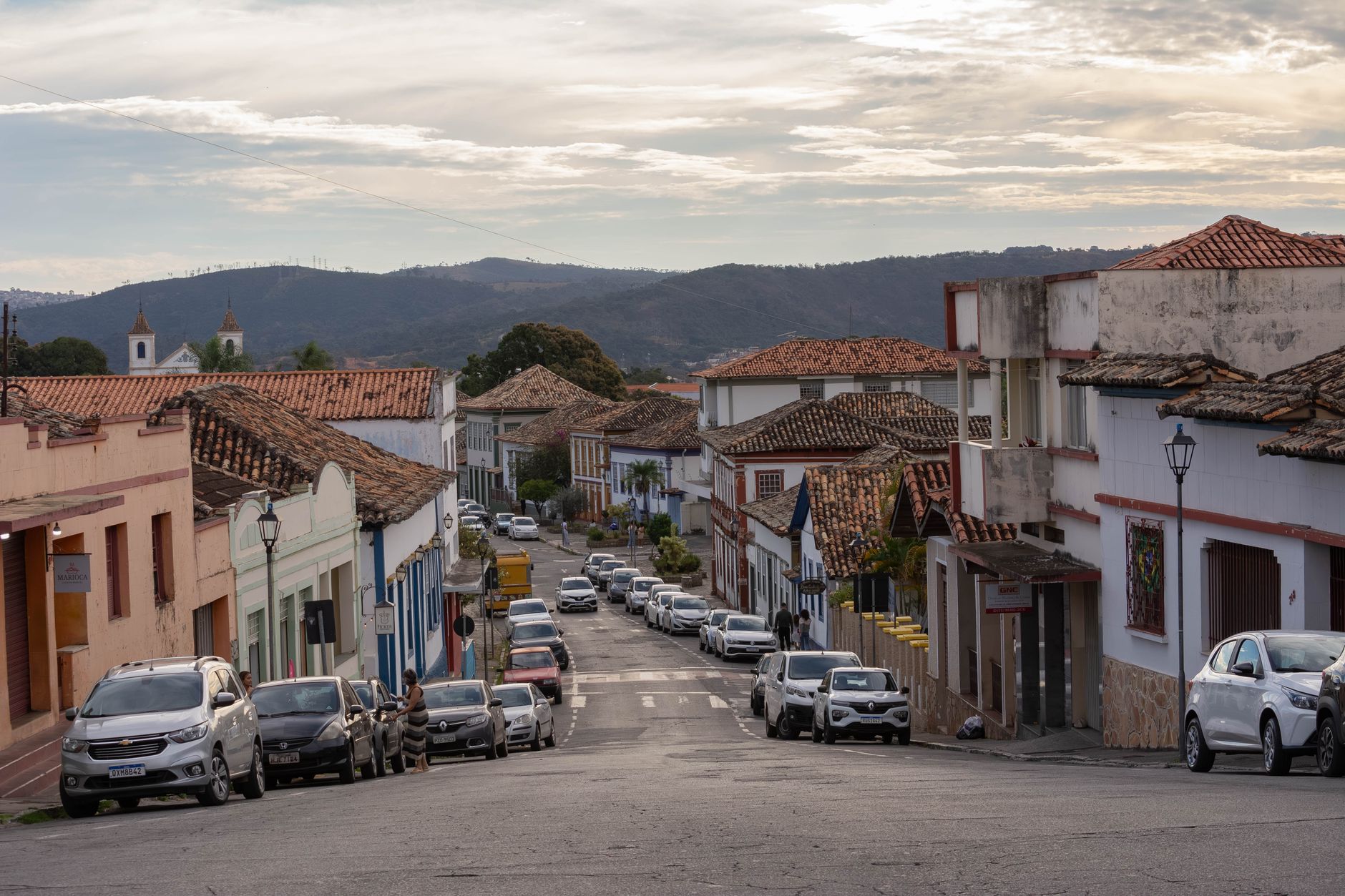
Granite dominates everything here. Massive, rounded boulders weigh hundreds of tons, wedged tight against terracotta roofs and used as natural walls by builders who knew better than to argue with geology. The climb up the cobblestones tests your calves before lunch, winding past sixteenth-century Manueline doorways and quiet gardens wedged into rock crevices. Up on the crest, the Templar fortress ruins gaze out across the dry plains toward the Spanish border. Monsanto is worth visiting if you want to scramble through fortress ruins fused with living granite and eat hearty mountain stews. Look elsewhere if you need step-free accessibility, expect lively nightlife, or want indoor attractions and a wide variety of dining options.
Last updated 2 Sept 2026
Build a Monsanto itinerary.
Choose up to 4 threads that pull you in. Your plan arrives organised around them.
The Bed
Where to stay in Monsanto
Which part of town to book, and what each one costs you in walking, noise or quiet.
The Comparison
Monsanto, or somewhere near it
The places you are realistically choosing between, and the honest case for each.
The Local Record
Where to read more about Monsanto
The blogs, boards, guides and operators worth bookmarking.
What to do in Monsanto Beira Baixa Portugal
Daily life here is shaped by gravity and stone. Visitors spend their hours climbing cobblestone stairways, ducking under fifty-ton boulders that serve as living room ceilings, and lingering over carafes of Beira Interior wine. It suits walkers, history buffs, and anyone who appreciates unvarnished mountain hospitality over manicured resort polish.
24 hours in Monsanto Beira Baixa Portugal
Start by 09:00 to hike up to the castle ruins before the midday heat settles on the rock. Head down to Taverna Lusitana for roast lamb and local sheep cheese, then spend late afternoon exploring the Manueline doorways along Rua Fernando Namora. Select 1 Day above to see it.
2 days in Monsanto Beira Baixa Portugal
Dedicate your second day to walking the PR5 trail around the base of the hill, inspecting ancient granite pigsties. Drive fifteen minutes to Idanha-a-Velha in the afternoon for Roman ruins, then return for wild boar stew and adufe drum music at sunset. Choose 2 Days to expand the plan.
3 days in Monsanto Beira Baixa Portugal
A third day allows a leisurely drive to Penha Garcia to follow the fossil trail along the gorge and visit the old watermills. Finish with a swim in the reservoir and a quiet dinner of migas and grilled chouriço in an unhurried border tavern.
Monsanto Beira Baixa Portugal itineraries by interest
Regional Stews in Monsanto Beira Baixa Portugal
Sit down for cabrito assado no forno and ensopado de borrego, braised slow in clay pots with garlic, lard, local olive oil, and rosemary.
Sacred Architecture in Monsanto Beira Baixa Portugal
Inspect the Romanesque chapel of São Miguel and the ruined church of Santa Maria do Castelo, surrounded by medieval stone-cut tombs.
Folk Traditions in Monsanto Beira Baixa Portugal
Local women still construct adufes, the square Moorish frame drums, and sew rag dolls called marafonas to bring good fortune and fertility.
Fortress Ruins in Monsanto Beira Baixa Portugal
Climb the steep footpath to the 12th-century Templar castle, where stone ramparts sit on high granite outcrops overlooking the Beira plains.
Artisan Cheeses in Monsanto Beira Baixa Portugal
Taste raw sheep and goat cheeses from Beira Baixa, from creamy cured Queijo de Castelo Branco to sharp, crumbly mountain varieties.
Hiking Trails in Monsanto Beira Baixa Portugal
Walk the PR5 Rota dos Boulders, a loop tracing geological formations, old pigsties carved under rocks, and high panoramic viewpoints.
Village Architecture in Monsanto Beira Baixa Portugal
Spot Manueline carved stone doorways, coats of arms, and the iconic silver rooster atop the Lucano bell tower along Rua da Torre.
Local Charcuterie in Monsanto Beira Baixa Portugal
Sample smoked presunto, farinheira, and morcela cured in mountain air, served with crusty sourdough bread and pickled lupin beans.
Scenic Viewpoints in Monsanto Beira Baixa Portugal
Rest at the Miradouro do Forno or the high parapets above the village for sweeping, uninterrupted views across the Idanha plain.
Day Trips in Monsanto Beira Baixa Portugal
Drive twenty minutes to the ancient boulder village of Idanha-a-Velha to explore Roman ruins, Visigothic cathedrals, and olive presses.
Wine Tasting in Monsanto Beira Baixa Portugal
Pour glasses of robust Beira Interior reds made from Rufete and Touriga Nacional grapes, paired with wild boar and chestnut dishes.
Wild Swimming in Monsanto Beira Baixa Portugal
Cool down in the nearby river beaches along the Erges and Ponsul rivers, where shaded natural pools offer quiet afternoon swimming.