Monterey.


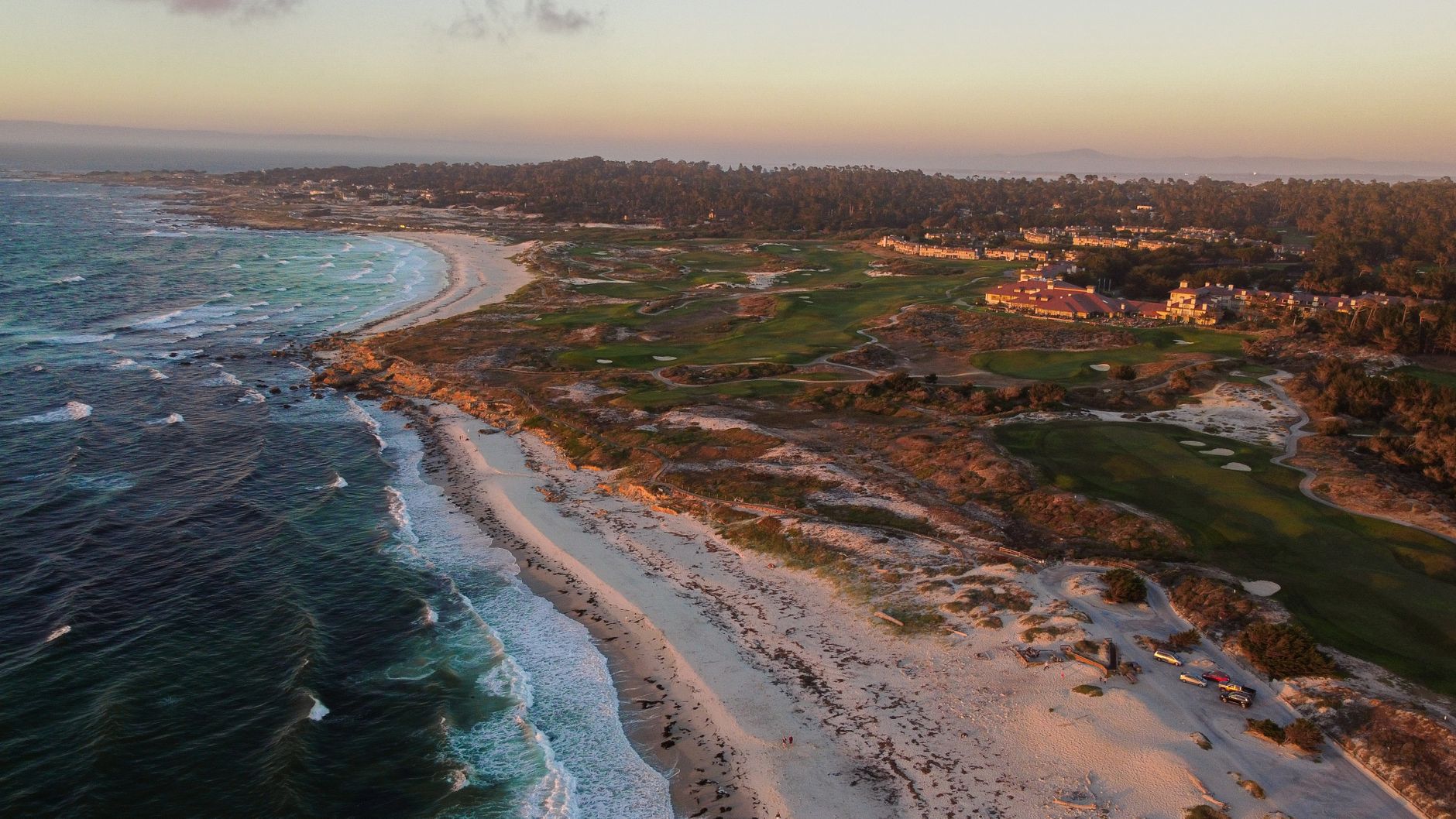

Monterey sits on the Central Coast, two hours south of San Francisco by car along Highway 1. The city is defined by its deep submarine canyon, historic nineteenth-century sardine canneries, and Spanish-era capital adobes. Fog rolls across the bay by mid-afternoon, cooling the docks where commercial skiffs still unload sand dabs and rock cod daily. Monterey is worth visiting if you want cold-water marine wildlife, coastal walking paths, and fresh Pacific groundfish caught that morning. Look elsewhere if you want warm ocean swimming, sun-drenched resort beaches, or late-night nightlife.
Last updated 7 Sept 2026
Build a Monterey itinerary.
Choose up to 4 threads that pull you in. Your plan arrives organised around them.
The Bed
Where to stay in Monterey
Which part of town to book, and what each one costs you in walking, noise or quiet.
The Comparison
Monterey, or somewhere near it
The places you are realistically choosing between, and the honest case for each.
The Local Record
Where to read more about Monterey
The blogs, boards, guides and operators worth bookmarking.
What to do in Monterey Central Coast United States
Life in Monterey hugs the shoreline. Days begin with brisk ocean air and barking sea lions before centering on the waterfront path between Downtown, the historic Custom House, and Cannery Row. It suits travellers who appreciate maritime ecology, crisp coastal walking, and unpretentious fish houses over manicured resort pacing. Pack a windbreaker, because the afternoon breeze off the Pacific is brisk and indifferent to summer illusions.
24 hours in Monterey Central Coast United States
Start at the Monterey Bay Aquarium at ten when doors open, giving the kelp forest two unhurried hours. Walk thirty minutes down the coastal trail to Municipal Wharf 2 for grilled sand dabs at a dockside fish joint. Spend the late afternoon touring the Spanish-era adobes along the Path of History before dinner on Alvarado Street. Select 1 Day above to see it.
2 days in Monterey Central Coast United States
Your second day belongs to the open peninsula. Head west along Ocean View Boulevard into Pacific Grove, poking through granite tide pools at Asilomar State Beach. In the afternoon, explore Point Lobos State Natural Reserve, four miles south, where cypress trees grip the headlands, followed by local Pinot Noir and cioppino in downtown Monterey. Choose 2 Days to expand the plan.
3 days in Monterey Central Coast United States
A third day lets you venture further without checking the clock. Drive thirty minutes south onto Highway 1 to hike the windswept headlands at Garrapata State Park, or turn inland to the sunny tasting rooms of Carmel Valley for Santa Lucia Highlands Syrah. Finish back at the working wharf as the fishing fleet returns under the evening fog.
Monterey Central Coast United States itineraries by interest
Local Seafood in Monterey Central Coast United States
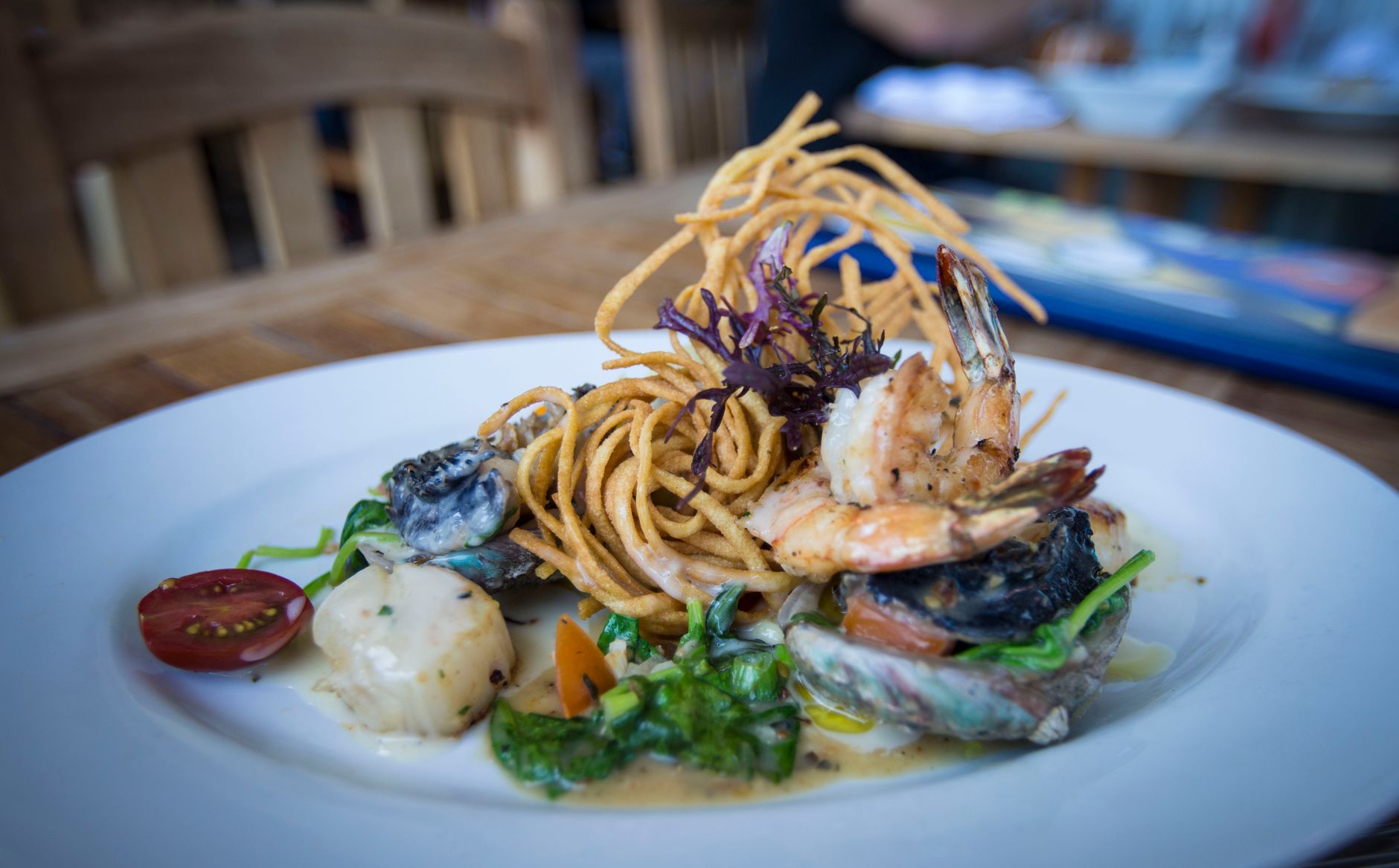
Eat pan-fried Monterey sand dabs, cioppino loaded with Dungeness crab, and grilled Pacific rockfish straight off the boats at Municipal Wharf 2.
Marine Life in Monterey Central Coast United States
Watch sea otters crack urchins in the kelp canopy and spot humpback whales feeding along the edge of the deep Monterey Submarine Canyon.
Ocean Science in Monterey Central Coast United States
Study the living three-story kelp forest exhibit and deep-sea cephalopods at Monterey Bay Aquarium, built inside an old sardine cannery on Ocean View.
Coastal Walks in Monterey Central Coast United States
Walk the Monterey Bay Coastal Recreation Trail from Fisherman's Wharf past Lovers Point, watching harbour seals haul out on stony beaches.
Historic Adobes in Monterey Central Coast United States
Walk the Path of History to Custom House, California's oldest public building, and the 1830s Larkin House with its distinctive colonial verandas.
Wine & Vineyards in Monterey Central Coast United States
Taste cool-climate Chardonnay and Pinot Noir from the nearby Santa Lucia Highlands at tasting rooms along Cannery Row and Alvarado Street.
Literary Heritage in Monterey Central Coast United States
Track the old sardine packing era on Cannery Row, visiting Pacific Biological Laboratories where marine biologist Ed Ricketts ran his lab.
Harbour Life in Monterey Central Coast United States
Bypass tourist shops on Wharf 1 to watch commercial squid and salmon fishermen mend nets and unload gear at working Municipal Wharf 2.
Tide Pools in Monterey Central Coast United States
Explore granite shelves at Asilomar State Beach and Point Pinos at low tide to find purple sea urchins, giant green anemones, and hermit crabs.
Scenic Drives in Monterey Central Coast United States
Drive the 17-Mile Drive loop past coastal cypress groves and Spanish Bay, or head south along Highway 1 toward the cliffs of Garrapata.
Diving & Paddling in Monterey Central Coast United States
Rent a sea kayak or dry suit to explore San Carlos Beach and the dense kelp beds of the protected Monterey Bay National Marine Sanctuary.
Markets & Bakeries in Monterey Central Coast United States
Browse the Tuesday Alvarado Street farmers market for artichokes from Castroville, local sourdough bread, and Central Coast goat cheeses.