Pacific Grove.
_(14595091779).jpg)
_(1900)_(14576859418).jpg)

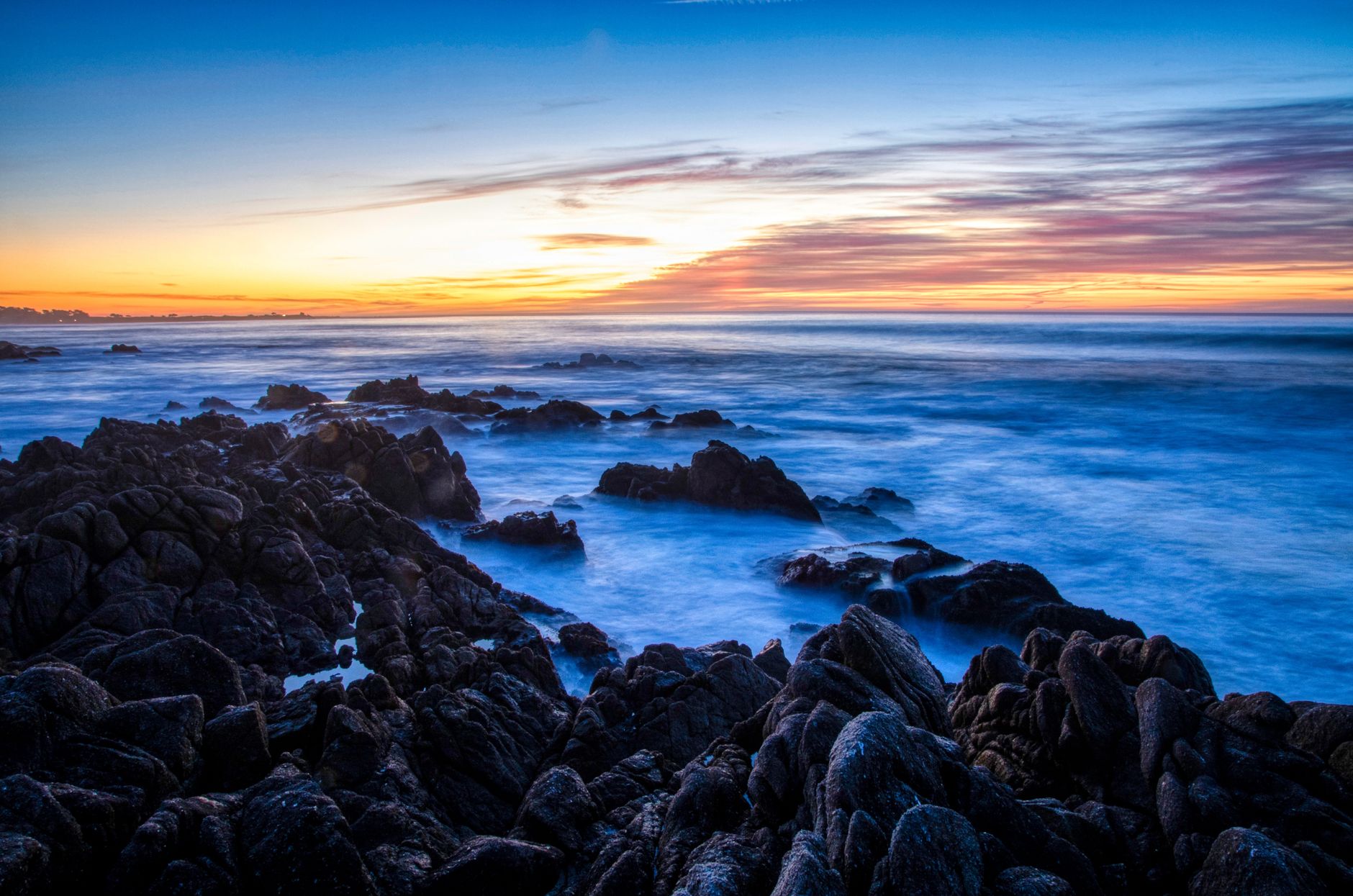
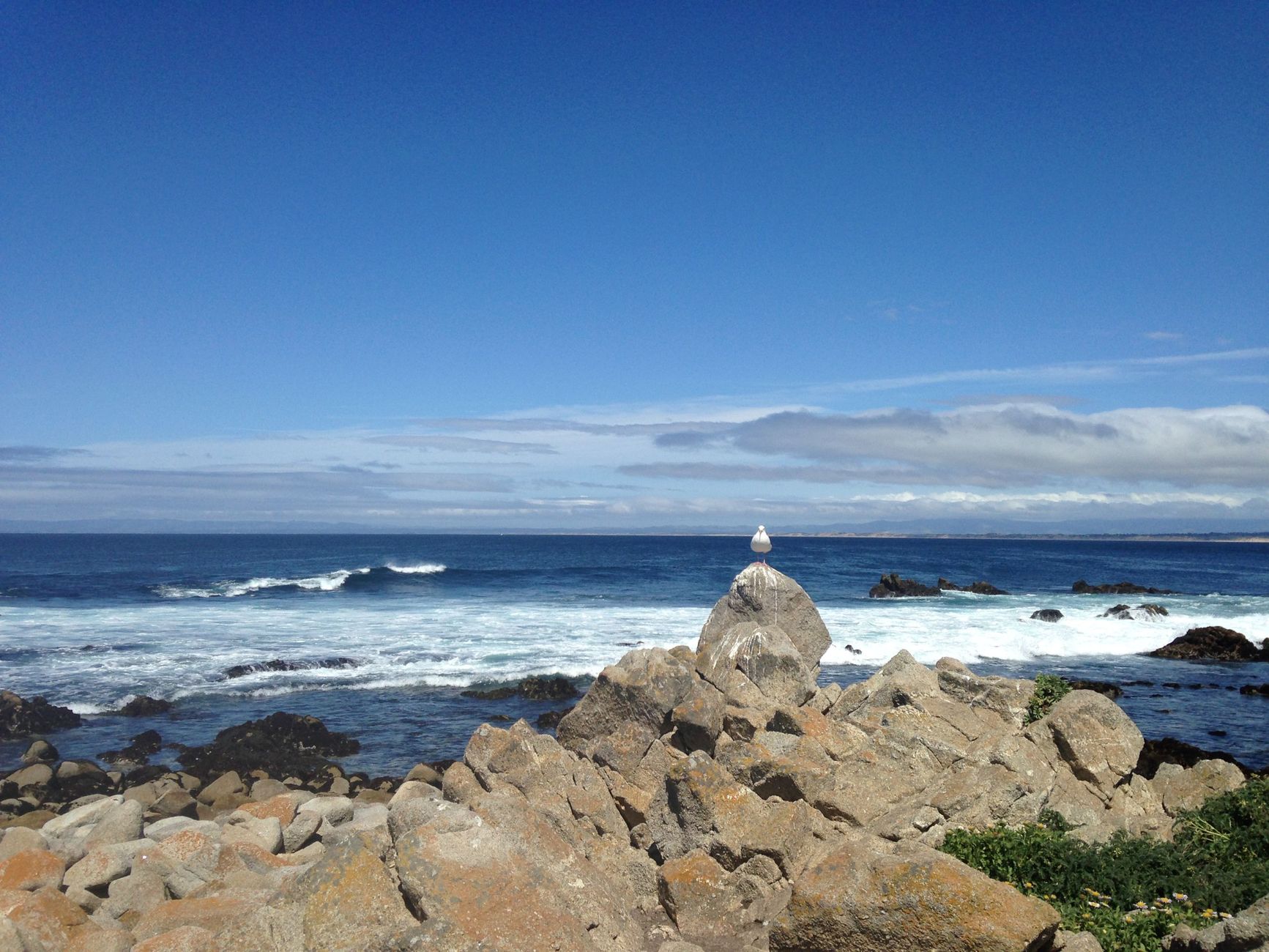
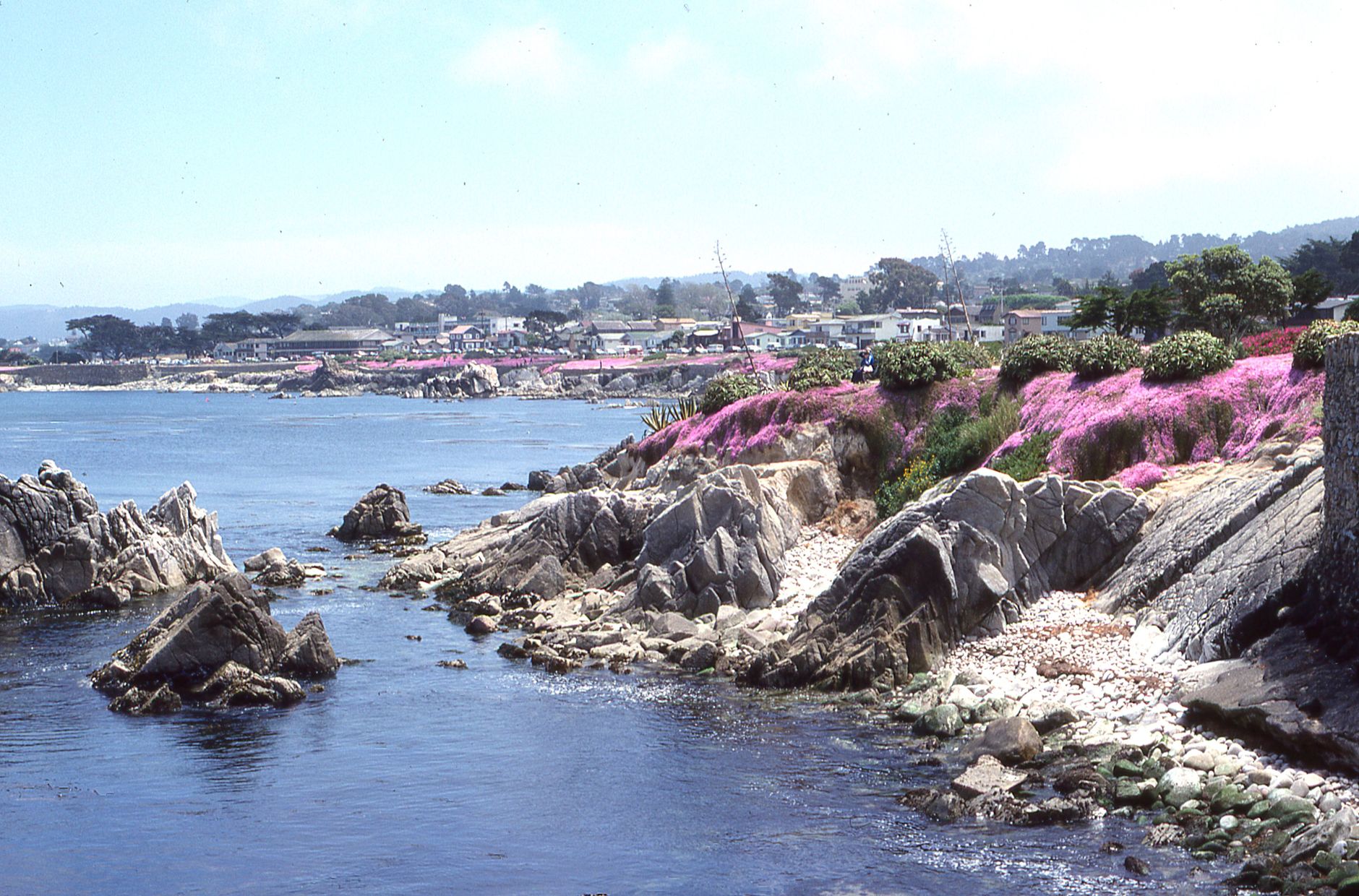
Pacific Grove sits at the tip of the Monterey Peninsula, a two-hour drive south of San Francisco on Highway 101 and Route 1. Founded as an 1875 Methodist summer camp, it remains quieter than neighbouring Monterey, defined by hundreds of restored late-nineteenth-century wooden cottages, rocky coastal paths, and wintering monarch butterfly groves. Pacific Grove is worth visiting if you want quiet coastal walking beside Monterey Bay kelp forests and fresh rockfish caught that morning. Look elsewhere if you want late-night drinking and dining, broad sandy swimming beaches, or major indoor attractions.
Last updated 7 Sept 2026
Build a Pacific Grove itinerary.
Choose up to 4 threads that pull you in. Your plan arrives organised around them.
The Bed
Where to stay in Pacific Grove
Which part of town to book, and what each one costs you in walking, noise or quiet.
The Comparison
Pacific Grove, or somewhere near it
The places you are realistically choosing between, and the honest case for each.
The Local Record
Where to read more about Pacific Grove
The blogs, boards, guides and operators worth bookmarking.
What to do in Pacific Grove Central Coast United States
Pacific Grove occupies the northern tip of the Monterey Peninsula. Days here naturally follow the water, starting with morning coffee along Lighthouse Avenue and moving to the trails tracing Ocean View Boulevard. It is unhurried, compact enough to navigate on foot, and particularly suits travellers who prefer quiet coastal scenery, historic wooden architecture, and wildlife over resort crowds.
24 hours in Pacific Grove Central Coast United States
Start early with a black coffee and pastry on Forest Avenue, then walk the coastal trail around Lovers Point to Point Pinos. Eat a midday plate of sand dabs on Lighthouse Avenue. Spend the afternoon spotting otters in the kelp, finishing with an unhurried sunset walk along Asilomar Beach. Select 1 Day above to see it.
2 days in Pacific Grove Central Coast United States
A second day lets you explore the quiet side streets around Grand Avenue to study the 1880s Chautauqua cottages. Head south along Sunset Drive to explore tidepools at Asilomar, then stop at a local cellar door for a glass of Santa Lucia Highlands Pinot Noir before dinner. Choose 2 Days to expand the plan.
3 days in Pacific Grove Central Coast United States
Three days gives you time to take Route 1 south to the granite headlands of Point Lobos State Reserve, fifteen minutes away. Return for an afternoon at the Monarch Butterfly Sanctuary and a quiet evening meal of grilled local lingcod near the water.
Pacific Grove Central Coast United States itineraries by interest
Coastal Walks in Pacific Grove Central Coast United States
Walk Ocean View Boulevard from Lovers Point to Point Pinos, watching sea otters in the kelp beds and harbour seals resting on offshore granite rocks.
Local Seafood in Pacific Grove Central Coast United States
Order pan-fried sand dabs with lemon brown butter or local rockfish ceviche, landed daily at Monterey wharf and served without fuss on Lighthouse Avenue.
Wildlife Watching in Pacific Grove Central Coast United States
Stand beneath Monterey pines at the Monarch Butterfly Sanctuary from October to February to watch thousands of wintering butterflies clustered in the canopy.
Victorian Architecture in Pacific Grove Central Coast United States
Walk Grand Avenue and 9th Street to see late-nineteenth-century Queen Anne cottages and original Chautauqua tent frames preserved from the 1880s retreat.
Maritime History in Pacific Grove Central Coast United States
Visit the 1855 Point Pinos Lighthouse, the oldest continuously operating lighthouse on the Pacific Coast, staffed by docents who explain the Fresnel lens.
Regional Wine in Pacific Grove Central Coast United States
Taste cool-climate Pinot Noir and crisp Chardonnay from the nearby Santa Lucia Highlands at tasting counters along Lighthouse Avenue and Forest Avenue.
Bakeries & Cafes in Pacific Grove Central Coast United States
Grab morning sourdough pastries, cinnamon rolls, and strong drip coffee at local counters along Forest Hill before the coastal fog burns off at noon.
Tidepooling in Pacific Grove Central Coast United States
Check tide tables for low water at Asilomar State Beach to find ochre sea stars, hermit crabs, and green sea anemones in granite pools.
Coastal Biking in Pacific Grove Central Coast United States
Rent an upright road bicycle to follow the paved Monterey Bay Coastal Recreation Trail past Lovers Point to Cannery Row without road traffic.
Regional Parks in Pacific Grove Central Coast United States
Walk the boardwalk trails across restored coastal sand dunes at Asilomar Conference Grounds, designed in 1913 by architect Julia Morgan.
Scenic Drives in Pacific Grove Central Coast United States
Enter the Sunset Drive loop around the peninsula tip to watch heavy Pacific swells crash against the rocks at Point Joe and Spanish Bay.
Local Markets in Pacific Grove Central Coast United States
Browse Friday morning produce stalls on Central Avenue for Salinas Valley artichokes, Castroville strawberries, and local goat cheeses.