Paso Robles.
.jpg)

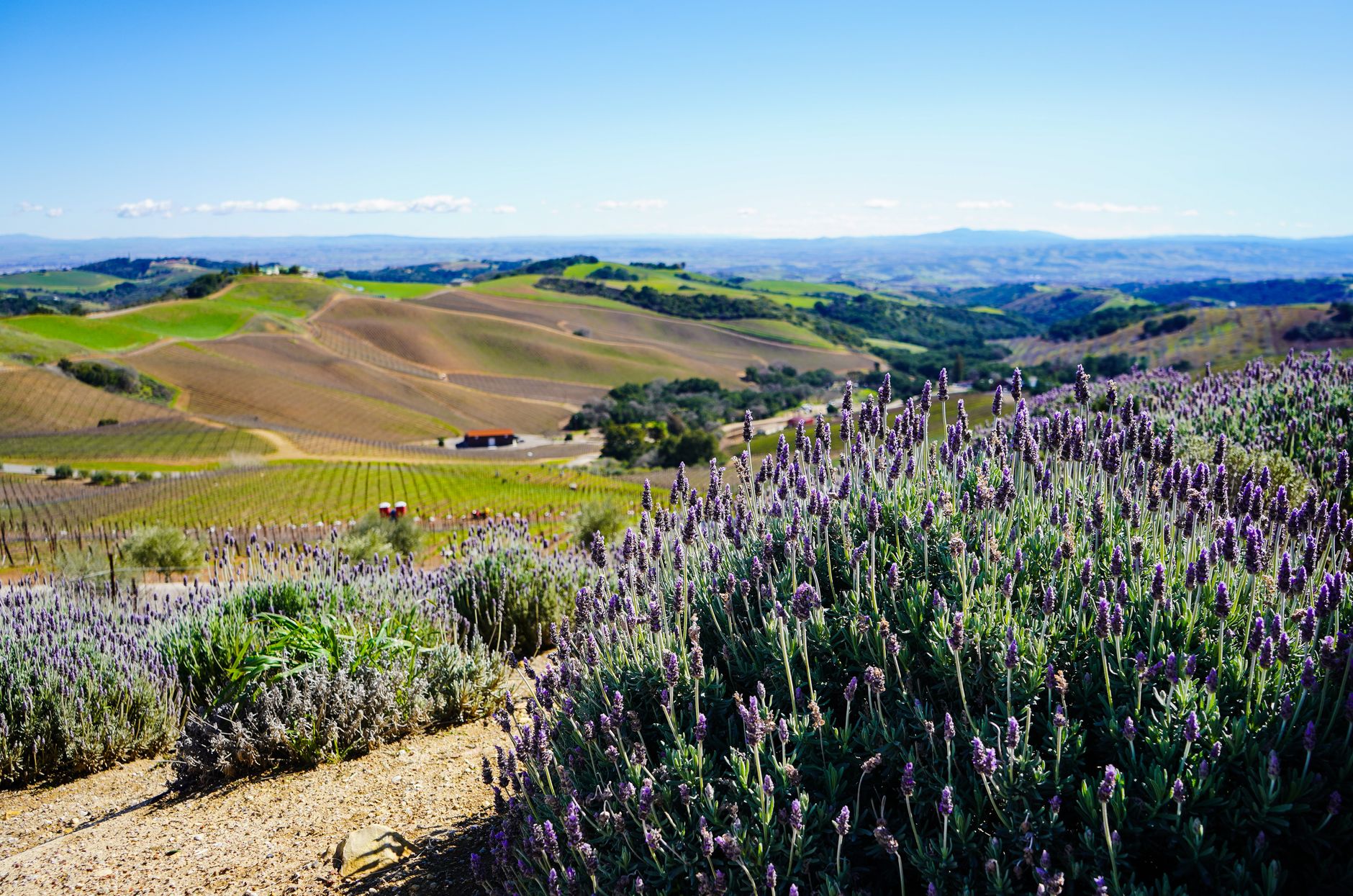
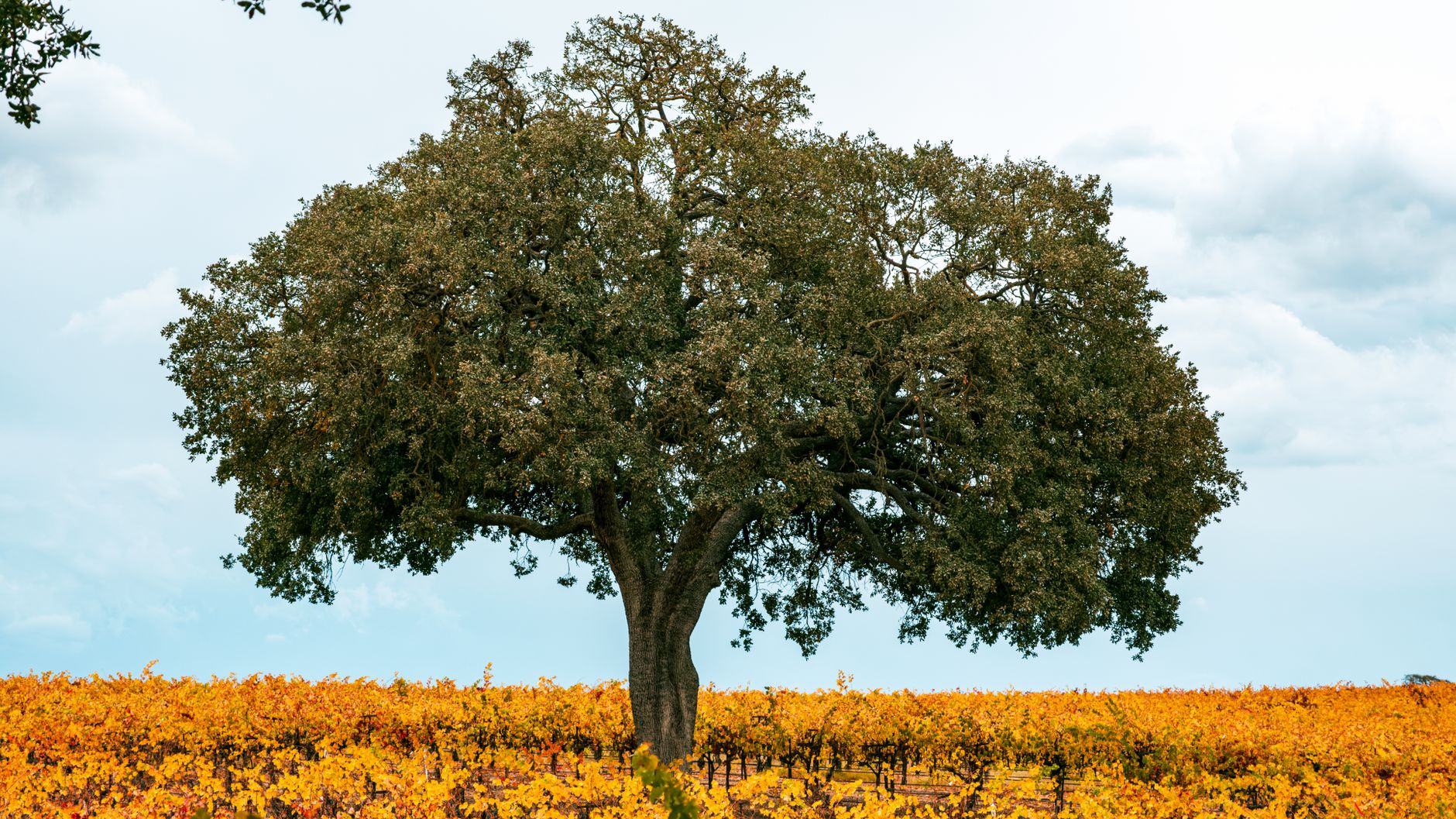
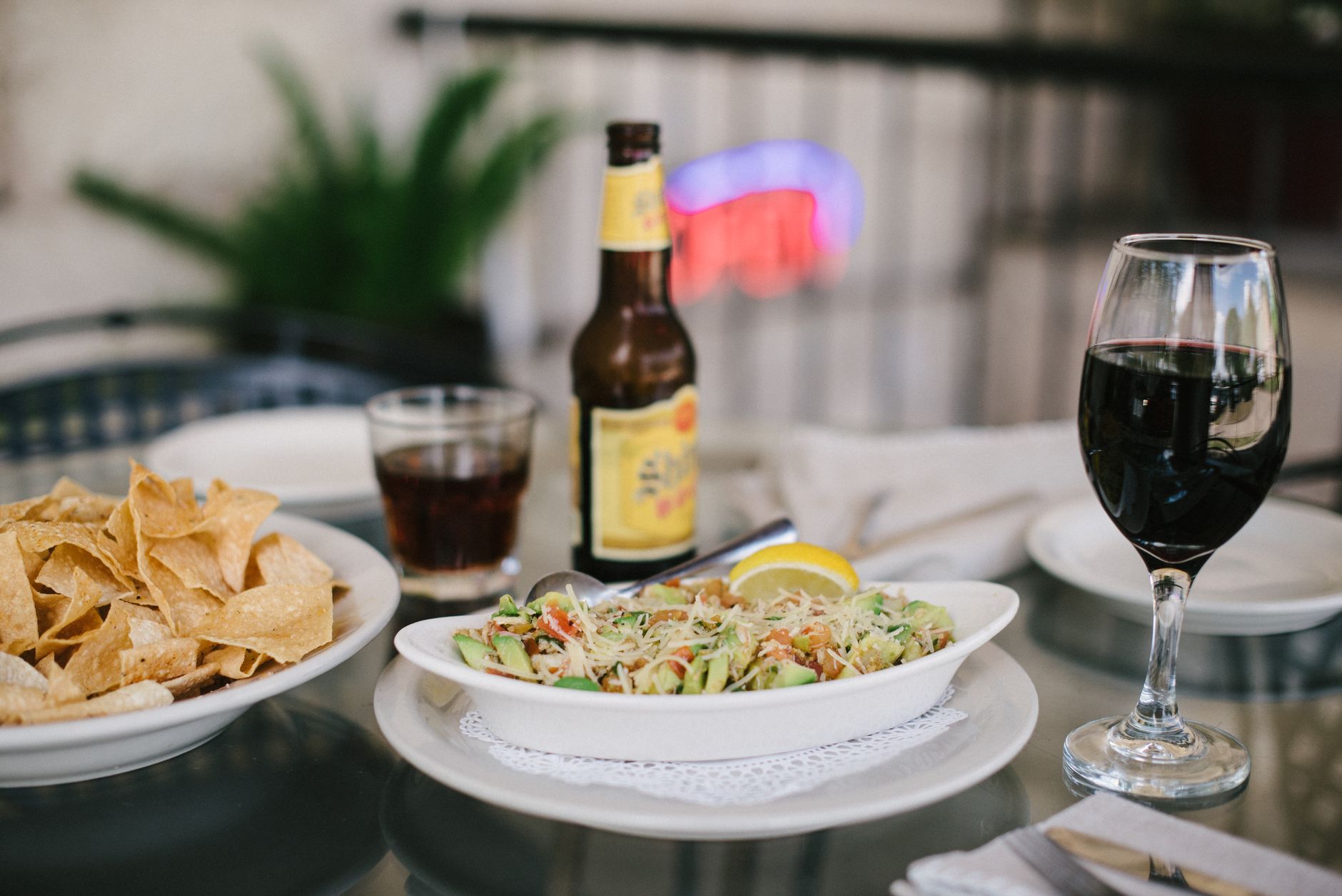
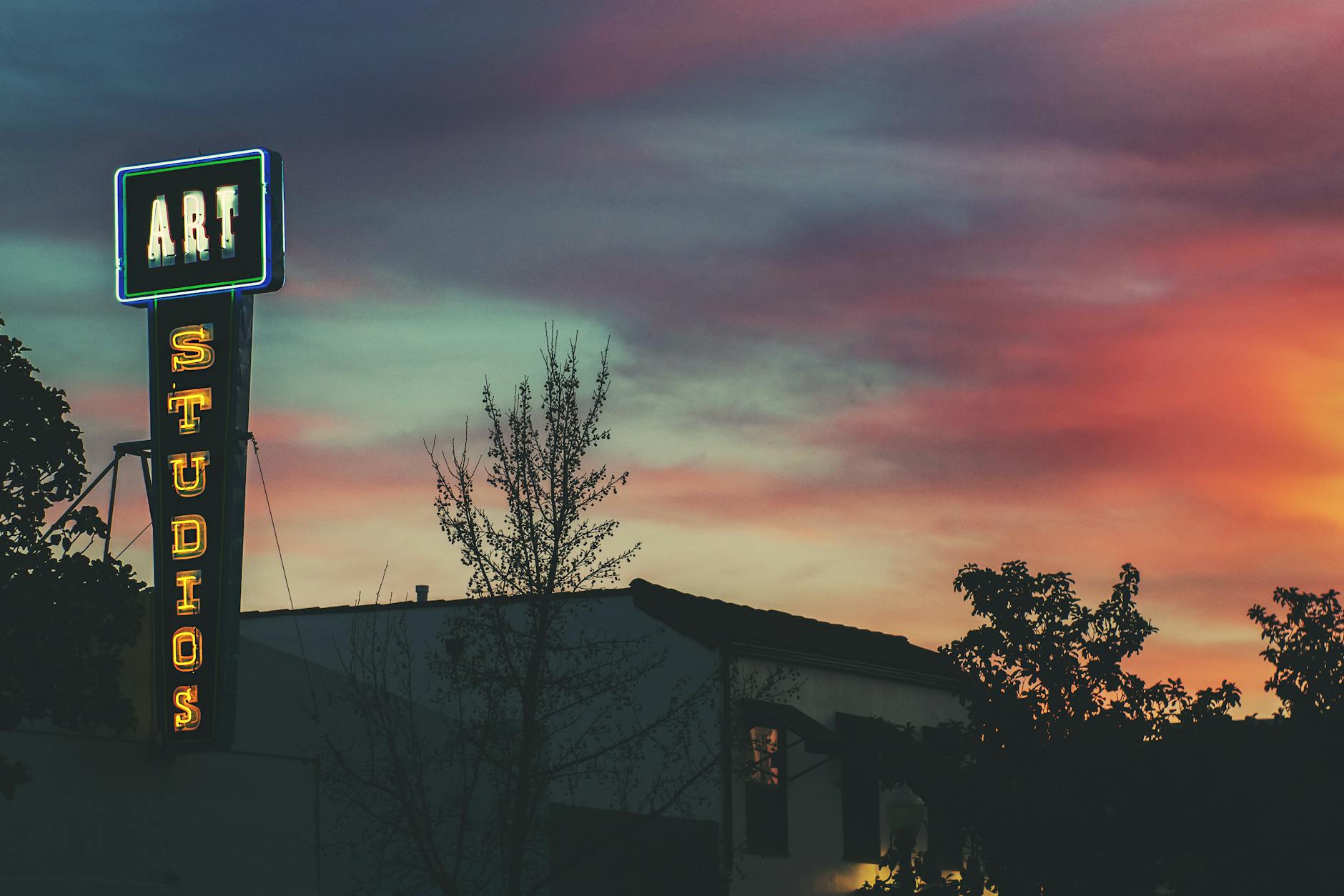
Sitting three hours south of San Francisco and three hours north of Los Angeles along Highway 101, Paso Robles is defined by deep limestone soils, dry-farmed old-vine Zinfandel, and sprawling cattle ranches. The town centers on a shaded park laid out in the 1880s, where thermal sulfur springs once drew travelers by train. Paso Robles is worth visiting if you want to drink serious, low-fuss Syrah and eat oak-grilled tri-tip without Napa valley pretension. Look elsewhere if you want immediate beach access, late-night clubs, or the ability to tour vineyards without a car.
Last updated 7 Sept 2026
Build a Paso Robles itinerary.
Choose up to 4 threads that pull you in. Your plan arrives organised around them.
The Bed
Where to stay in Paso Robles
Which part of town to book, and what each one costs you in walking, noise or quiet.
The Comparison
Paso Robles, or somewhere near it
The places you are realistically choosing between, and the honest case for each.
The Local Record
Where to read more about Paso Robles
The blogs, boards, guides and operators worth bookmarking.
What to do in Paso Robles Central Coast United States
Paso Robles is built on a broad grid surrounding City Park, running east to west across the Salinas River into dry oak hills. Days revolve around early cellar door visits along Peachy Canyon, afternoon pasture walks, and evenings eating in the historic downtown core. It suits travelers who want exceptional Rhône wines and straightforward ranch cooking without tasting room velvet ropes.
24 hours in Paso Robles Central Coast United States
Start with black coffee on 12th Street before driving twenty minutes into the Willow Creek hills for morning Syrah tastings. Head into Tin City for lunch tacos and sheep milk cider, then return downtown by four to stroll around the park and secure a counter seat for oak-fired ribeye. Select 1 Day above to see it.
2 days in Paso Robles Central Coast United States
Spend day two south in Templeton, shopping the Saturday morning farmers market on the green. Wind through the Templeton Gap for afternoon GSM blends, then cross over to the east side for dry-farmed Zinfandel and wood-fired flatbreads on a shaded patio. Choose 2 Days to expand the plan.
3 days in Paso Robles Central Coast United States
A third day allows an unhurried drive west along Highway 46 to the rocky coast at Cambria. Walk the windswept bluffs of Fiscalini Ranch, eat clam chowder at the ocean edge, and return through the coastal pines in time for an evening soak in Paso's mineral springs.
Paso Robles Central Coast United States itineraries by interest
Wine & Vineyards in Paso Robles Central Coast United States
Sample high-acid Grenache and bold Syrah poured directly by cellar masters across the limestone benches of the Adelaida and Willow Creek districts.
Historic Architecture in Paso Robles Central Coast United States
Walk the 1797 adobe corridors and bell tower of Mission San Miguel Arcángel, seven miles north along the Salinas River.
Local Produce in Paso Robles Central Coast United States
Taste peppery Mission olive oils and roasted heritage almonds at roadside farm stands along Highway 46 West and Vineyard Drive.
Barbecue Traditions in Paso Robles Central Coast United States
Eat Santa Maria-style tri-tip seasoned with garlic and black pepper, turned over red oak coals and served with local pinquito beans.
Thermal Springs in Paso Robles Central Coast United States
Soak in the natural sulfur-rich mineral water tubs at Franklin Hot Springs or the historic indoor pools on Spring Street.
Craft Brewing in Paso Robles Central Coast United States
Explore the industrial hangars of Tin City for farmhouse ciders, unfiltered barrel-aged sours, and locally malted small-batch ales.
Road Cycling in Paso Robles Central Coast United States
Pedal past cattle guards and walnut orchards on Peachy Canyon Road, tackling steep rollers with wide shoulders and quiet morning traffic.
Public Squares in Paso Robles Central Coast United States
Sit under the valley oaks of Downtown City Park, surrounded by 1890s brick storefronts, bakeries, and walkable tasting rooms.
Coastal Detours in Paso Robles Central Coast United States
Drive forty minutes west over the Santa Lucia Range on Highway 46 to watch elephant seals haul out on the beaches near San Simeon.
Regional Spirits in Paso Robles Central Coast United States
Sip unaged grape eau-de-vie and small-batch rye whiskeys distilled from local wine wash in Tin City industrial park stills.
Cheese & Dairy in Paso Robles Central Coast United States
Sample aged goat tommes and creamy sheep milk rounds at family-run farmsteads along the rolling hills of Templeton Gap.
Contemporary Art in Paso Robles Central Coast United States
Walk the dirt trails of Sensorio at dusk, where thousands of fiber-optic globes illuminate forty acres of rolling oak pastures.