Monterosso al Mare.


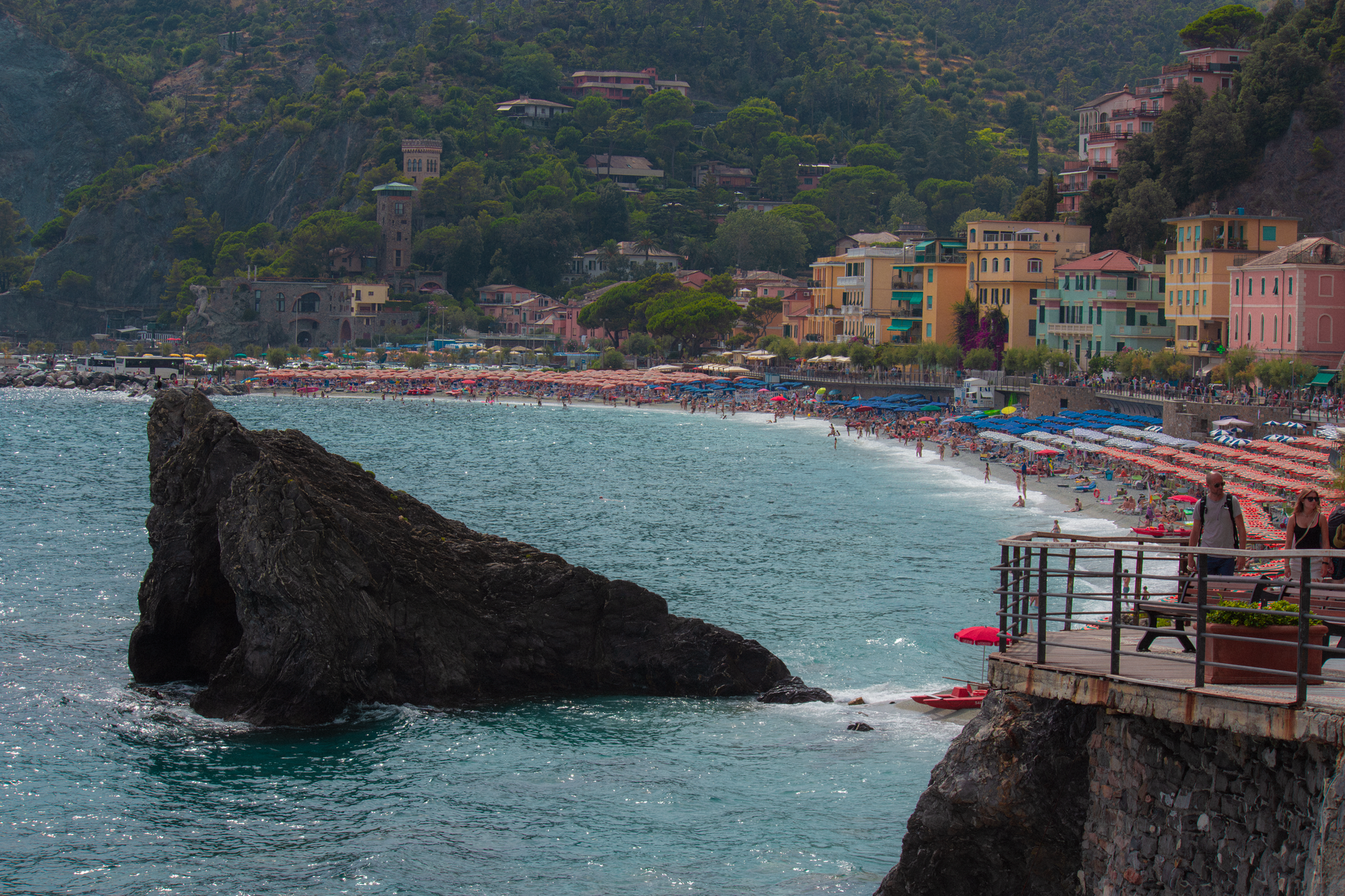


Step off the local train straight into the glare of Fegina, where umbrellas stripe the gravel and the Ligurian sea breaks against the Giant. A short pedestrian tunnel through the San Cristoforo promontory splits the modern seafront from the 13th-century fishing core. In the old village, laundry hangs over narrow caruggi where salt-cured anchovies still arrive daily in wooden crates from local skiffs, washed down with dry, mineral Sciacchetrà wine.
Last updated 28 Aug 2026
Build a Monterosso al Mare itinerary.
Choose up to 4 threads that pull you in. Your plan arrives organised around them.
The Bed
Where to stay in Monterosso al Mare
Which part of town to book, and what each one costs you in walking, noise or quiet.
The Comparison
Monterosso al Mare, or somewhere near it
The places you are realistically choosing between, and the honest case for each.
The Local Record
Where to read more about Monterosso al Mare
The blogs, boards, guides and operators worth bookmarking.
What to do in Monterosso al Mare Cinque Terre Italy
Divided by a rocky headland into the resort-style Fegina strip and the medieval old town, Monterosso is the flattest and most accessible of the five villages. Mornings start with espresso and warm focaccia before crowds arrive, afternoons belong to the pebble shore or the terraced hills, and evenings settle into quiet wine bars along Via Roma. It suits walkers who still want a proper beach at dusk.
24 hours in Monterosso al Mare Cinque Terre Italy
Walk the Sentiero Verde Azzurro early to beat the midday heat, returning to the old town for anchovies fried with lemon at a trattoria off Piazza Garibaldi. Spend two lazy hours on Fegina beach, then climb San Cristoforo hill for sunset over the bay. Select 1 Day above to see it.
2 days in Monterosso al Mare Cinque Terre Italy
Head up the valley to the ancient Sanctuary of Soviore among chestnut woods, then take the ten-minute local train south to Vernazza or Corniglia. Return to Monterosso for trofie pasta tossed with fresh basil pesto and a bottle of dry white Cinque Terre DOC. Choose 2 Days to expand the plan.
3 days in Monterosso al Mare Cinque Terre Italy
Charter a wooden gozzo from the old pier to explore secluded sea caves along Punta Mesco, or spend an unhurried morning touring terraced vineyards above the village before an afternoon tasting honeyed Sciacchetrà wine directly with a local producer.
Monterosso al Mare Cinque Terre Italy itineraries by interest
Local Seafood in Monterosso al Mare Cinque Terre Italy
Salt-cured anchovies from Monterosso served with oregano and oil, alongside pan-fried red mullet and Ligurian fish stew.
Coastal Walks in Monterosso al Mare Cinque Terre Italy
The steep Sentiero Azzurro clifftop trail linking the old town to Vernazza, winding past olive groves and drystone walls.
Wine & Vineyards in Monterosso al Mare Cinque Terre Italy
Golden Bosco and Albarola grapes grown on sheer terraces, pressed into dry Cinque Terre DOC whites and sweet Sciacchetrà.
Sacred Architecture in Monterosso al Mare Cinque Terre Italy
The 14th-century striped marble facade of San Giovanni Battista and the 17th-century Capuchin Monastery atop San Cristoforo hill.
Beaches in Monterosso al Mare Cinque Terre Italy
The broad pebble crescent of Spiaggia di Fegina, framed by the 1910 concrete statue of Neptune and clear Mediterranean water.
Street Food in Monterosso al Mare Cinque Terre Italy
Warm focaccia genovese slick with olive oil and crispy farinata chickpea pancakes sold from paper cones along Via Roma.
Maritime History in Monterosso al Mare Cinque Terre Italy
Medieval defensive ruins, including the Aurora Tower and Castello dei Fieschi, built to ward off Saracen raids along the coast.
Olive Groves in Monterosso al Mare Cinque Terre Italy
Hand-harvested Taggiasca olives pressed into delicate local oil, blanketing the lower hillsides above the old village caruggi.
Hilltop Sanctuaries in Monterosso al Mare Cinque Terre Italy
The steep trail climbing inland to the Sanctuary of Nostra Signora di Soviore, an 11th-century pilgrimage site amid holm oaks.
Citrus Orchards in Monterosso al Mare Cinque Terre Italy
Terraced lemon groves yielding fragrant fruit for house-made limoncino liqueur and lemon torta sold in village bakeries.
Boat Excursions in Monterosso al Mare Cinque Terre Italy
Public ferries and rented wooden gozzi departing the pier for sea-level views of the sheer cliffs running down to Riomaggiore.
Literary Heritage in Monterosso al Mare Cinque Terre Italy
Nobel laureate Eugenio Montale's yellow seaside villa along Fegina, which inspired his mid-century poetry on the rocky coast.