Mülheim an der Ruhr.


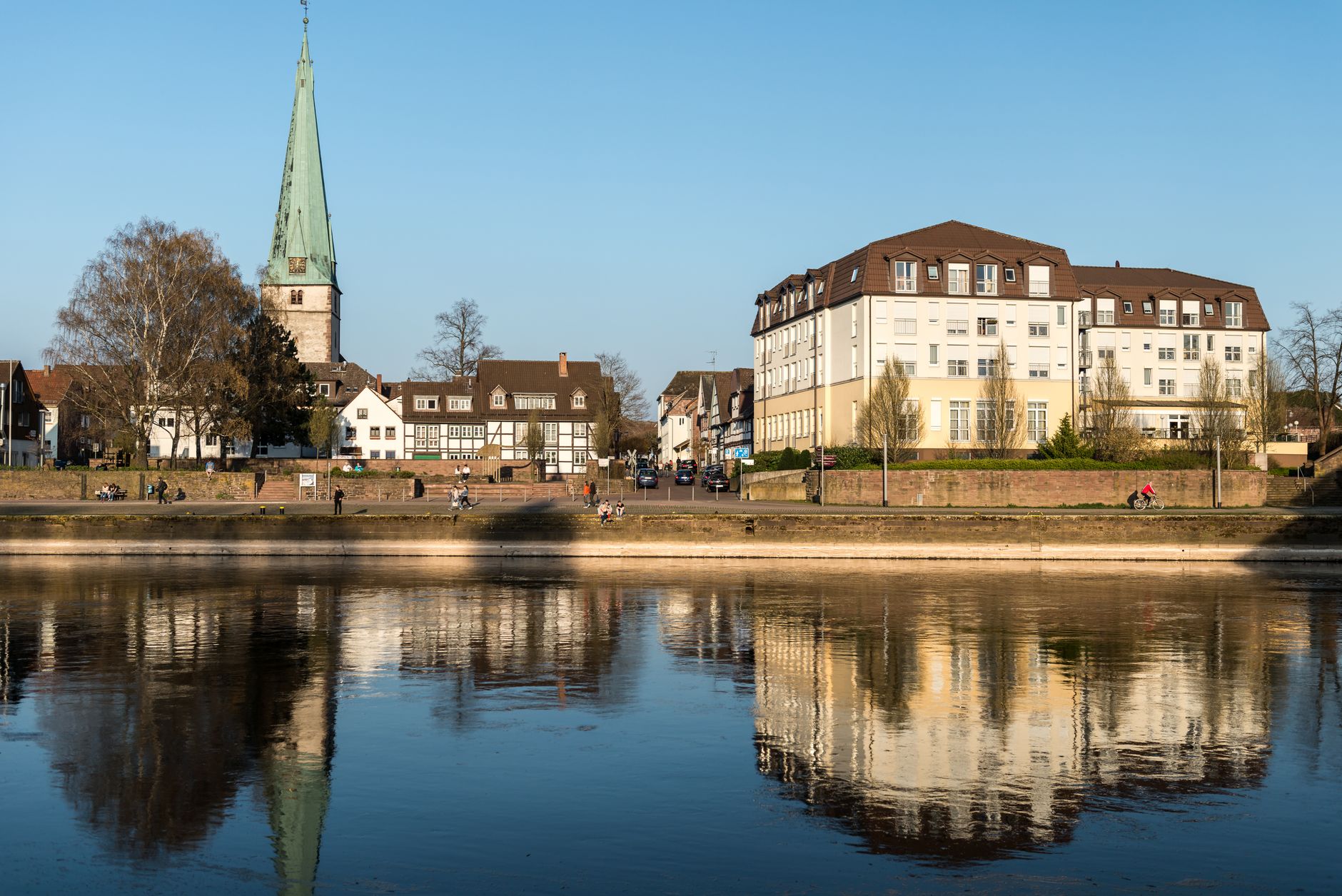

Mülheim sits ten minutes west of Essen by train, straddling the green lower reaches of the Ruhr valley. It is known across the region for its expansive riverside parklands and Schloss Broich, an early medieval fortress built against Viking raids. Mülheim an der Ruhr is worth visiting if you want gentle cycling along river towpaths and quiet beer gardens rather than heavy industrial sprawl. Look elsewhere if you want late-night clubbing or dense metropolitan shopping districts.
Last updated 11 Oct 2026
Build a Mülheim an der Ruhr itinerary.
Choose up to 4 threads that pull you in. Your plan arrives organised around them.
The Bed
Where to stay in Mülheim an der Ruhr
Which part of town to book, and what each one costs you in walking, noise or quiet.
The Comparison
Mülheim an der Ruhr, or somewhere near it
The places you are realistically choosing between, and the honest case for each.
The Local Record
Where to read more about Mülheim an der Ruhr
The blogs, boards, guides and operators worth bookmarking.
What to do in Mülheim an der Ruhr North Rhine-Westphalia Germany
Life in Mülheim revolves around the water. Unlike its grittier neighbours in the industrial basin, this town kept its riverbanks green and leafy. Days here belong to the outdoors: cycling flat stretches of the RuhrtalRadweg, browsing the quiet museum inside Kloster Saarn, or drinking beer beside the lock gates at the Wasserbahnhof. It suits travellers who appreciate calm walks, crisp air, and unpretentious regional history.
24 hours in Mülheim an der Ruhr North Rhine-Westphalia Germany
Start at Schloss Broich to walk the stone ramparts, then cross the footbridge into MüGa Park. For lunch, get fried fish or schnitzel near the Wasserbahnhof. Spend the afternoon taking the Camera Obscura lift up the old water tower. Finish with draught beer and roast pork along the promenade as rowers glide past. Select 1 Day above to see it.
2 days in Mülheim an der Ruhr North Rhine-Westphalia Germany
Dedicate day two to the Saarn district. Tour the thirteenth-century Cistercian abbey and its quiet herb gardens before walking the wooded paths of the Uhlenhorst. In the evening, eat traditional Westphalian pot roast at an old timber-framed gasthof away from the main centre. Choose 2 Days to expand the plan.
3 days in Mülheim an der Ruhr North Rhine-Westphalia Germany
A third day allows a slow cruise on the Weiße Flotte upstream to historic Kettwig, or a morning spent among Expressionist paintings at the Kunstmuseum. Rent a touring bike to follow the river south into the rolling hills, stopping for coffee and plum cake at farm bakeries along the way.
Mülheim an der Ruhr North Rhine-Westphalia Germany itineraries by interest
Medieval History in Mülheim an der Ruhr North Rhine-Westphalia Germany
Tour the thick ninth-century masonry of Schloss Broich, built to repel Viking raids, and see the Romanesque Stiftskirche on the hill in Saarn.
River Cycling in Mülheim an der Ruhr North Rhine-Westphalia Germany
Pedal the flat RuhrtalRadweg along former towpaths, stopping at the historic Wasserbahnhof lock and weir complex for an afternoon pilsner.
Modern Art in Mülheim an der Ruhr North Rhine-Westphalia Germany
Visit the Kunstmuseum in the Alte Post building for strong regional collections, including Expressionist works and prints by Heinrich Siepmann.
Botanical Gardens in Mülheim an der Ruhr North Rhine-Westphalia Germany
Wander the glasshouses of the Grugapark-adjacent MüGa Park and the municipal botanical garden on Kahlenberg, rich in native and exotic flora.
Science & Optics in Mülheim an der Ruhr North Rhine-Westphalia Germany
Climb the Broich water tower to look through the world's largest walk-in Camera Obscura, projecting live images of the Ruhr valley floor.
Industrial Heritage in Mülheim an der Ruhr North Rhine-Westphalia Germany
Follow the route of early waterborne coal transport at the Aquarius Wassermuseum, housed in a brick water tower engineered by August Thyssen.
River Cruises in Mülheim an der Ruhr North Rhine-Westphalia Germany
Board the white Weiße Flotte excursion boats at the Schleuseninsel for a slow passenger cruise upstream toward Kettwig and Lake Baldeney.
Local Beer in Mülheim an der Ruhr North Rhine-Westphalia Germany
Drink cold Kölsch or Dortmund-style Export beer on tap under chestnut trees at traditional taprooms and beer gardens lining the Ruhr promenade.
Monastic Architecture in Mülheim an der Ruhr North Rhine-Westphalia Germany
Walk the cloister and herb garden at Kloster Saarn, a preserved thirteenth-century Cistercian nunnery with an active pharmacy museum.
Scenic Walking in Mülheim an der Ruhr North Rhine-Westphalia Germany
Hike the wooded ridgelines of the Uhlenhorst forest, where shaded dirt tracks link stone quarries to quiet suburban farmsteads.
Regional Dining in Mülheim an der Ruhr North Rhine-Westphalia Germany
Order hearty Westphalian pork roasts, pan-fried blood sausage with apples, and crusty rye sourdough at classic riverfront gasthofs.
Day Trips in Mülheim an der Ruhr North Rhine-Westphalia Germany
Take the local S-Bahn fifteen minutes to Essen for the Zollverein coal mine complex or downstream to Duisburg for its transformed inland port.