



Set in northeast Sardinia right beside its own international airport and ferry terminal, Olbia is a working port city known for its saltwater mussel farming and ancient Roman foundations. Corso Umberto forms the spine of the evening stroll, lined with wine bars serving crisp Gallura whites. Olbia is worth visiting if you want fresh shellfish, deep Nuragic history, and easy access to the northeast coast. Look elsewhere if you want walkable sandy town beaches or high-energy late-night clubbing.
Last updated 20 Oct 2026
Build a Olbia itinerary.
Choose up to 4 threads that pull you in. Your plan arrives organised around them.
The Bed
Where to stay in Olbia
Which part of town to book, and what each one costs you in walking, noise or quiet.
The Comparison
Olbia, or somewhere near it
The places you are realistically choosing between, and the honest case for each.
The Local Record
Where to read more about Olbia
The blogs, boards, guides and operators worth bookmarking.
What to do in Olbia Sardinia Italy
Olbia revolves around a compact historical core along Corso Umberto and a busy commercial waterfront. Mornings are for espresso and market stalls, afternoons belong to the granite hill roads or nearby coves, and evenings bring a leisurely passaggiata before plates of gulf mussels. It suits independent travellers who prefer an authentic Sardinian base over resort enclaves.
24 hours in Olbia Sardinia Italy
Start early at Basilica di San Simplicio, then head to the Museo Archeologico on the harbour. For lunch, order a bowl of peppered cozze di Olbia near Piazza Regina Margherita. Take the afternoon bus to Pittulongu beach, returning to Corso Umberto for a glass of chilled Vermentino before dinner. Select 1 Day above to see it.
2 days in Olbia Sardinia Italy
Spend morning two climbing the stone ramparts of Nuraghe Riu Mulinu for gulf views. Drive twenty minutes south to Porto San Paolo for a ferry to Isola di Tavolara, dining on grilled squid at the beachside trattoria before exploring the granite coves of Capo Ceraso. Choose 2 Days to expand the plan.
3 days in Olbia Sardinia Italy
A third day allows an unhurried drive into the Gallura interior. Wander the granite alleys of Tempio Pausania, sample aged pecorino at an inland farm, and tour a family winery near Berchidda to learn how granite soils shape crisp, aromatic white wines.
Olbia Sardinia Italy itineraries by interest
Local Seafood in Olbia Sardinia Italy
Eat cozze di Olbia steamed with garlic and parsley, fregola with clams, and grilled seabass hauled straight into the gulf harbour.
Sacred Architecture in Olbia Sardinia Italy
Inspect the 11th-century Romanesque Basilica di San Simplicio, built from grey granite blocks, and its quiet underground necropolis.
Wine & Vineyards in Olbia Sardinia Italy
Taste mineral-driven Vermentino di Gallura DOCG and earthy Cannonau at family-run cellar doors scattered across the northern granite hills.
Ancient Ruins in Olbia Sardinia Italy
Climb up to Nuraghe Riu Mulinu at Cabu Abbas for Bronze Age stone fortifications and wide views across the entire Gulf of Olbia.
Markets & Produce in Olbia Sardinia Italy
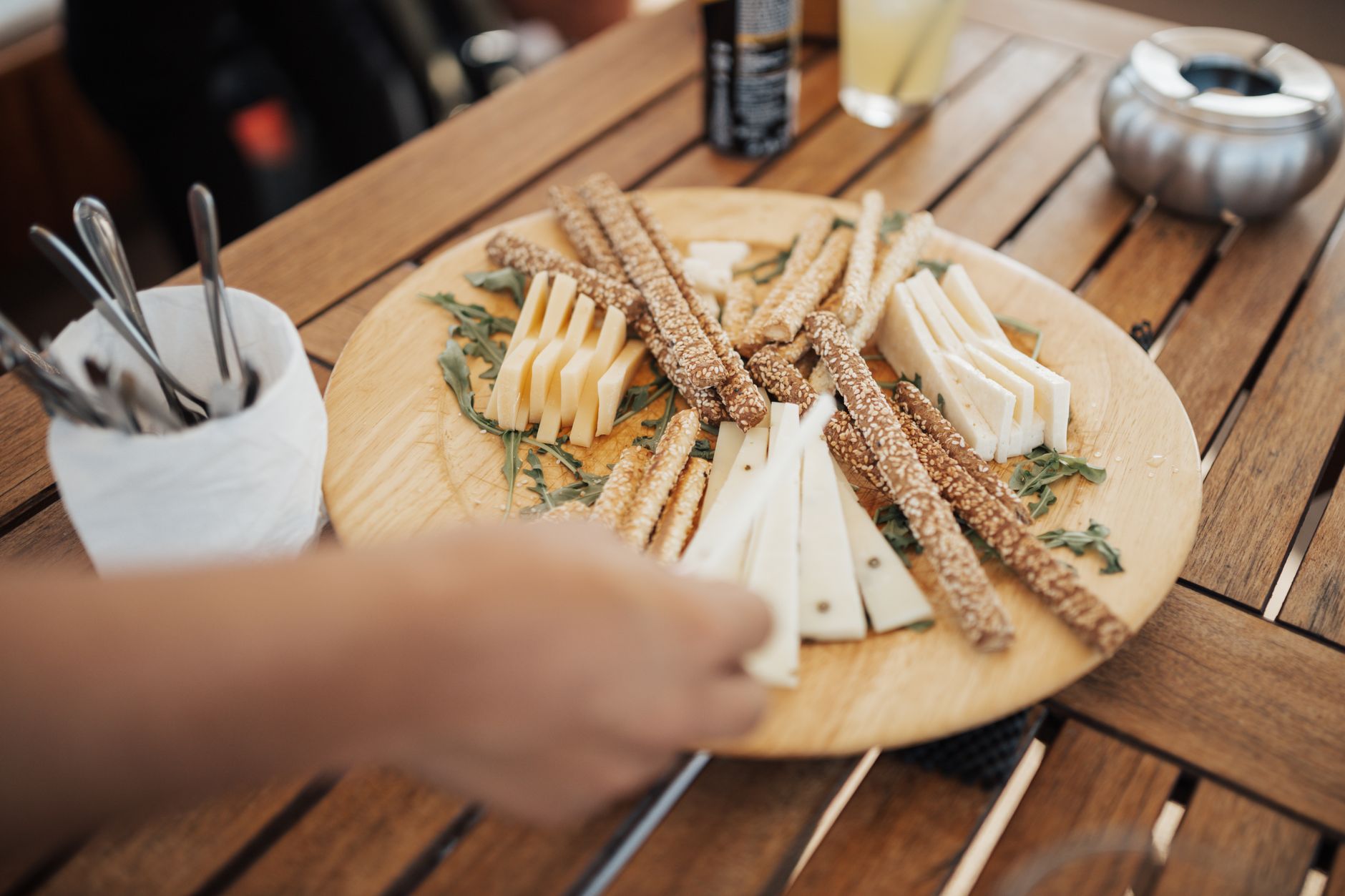
Browse the Saturday market on Via Sangallo for aged pecorino sardo, cured pork sausage, wild fennel, and local flatbread pane carasau.
Maritime History in Olbia Sardinia Italy
Walk to the Museo Archeologico on Peddone island to see intact Roman ship timbers and bronze cargo recovered from the harbour floor.
Beaches in Olbia Sardinia Italy
Take bus 4 south to Spiaggia di Pittulongu or head to Porto Istana for pale sand and calm, turquoise swimming water beneath Tavolara.
Local Pasta in Olbia Sardinia Italy
Order gallurese soup made with stale bread and cow cheese, or handmade malloreddus dumplings tossed with slow-simmered pork ragu.
Island Excursions in Olbia Sardinia Italy
Catch a boat from nearby Porto San Paolo to hike the limestone ridge and snorkel the protected marine waters of Isola di Tavolara.
Coastal Walks in Olbia Sardinia Italy
Follow the coastal trail around Capo Ceraso through wild myrtle scrub and granite coves overlooking the marine reserve.
Traditional Bakeries in Olbia Sardinia Italy
Pick up seadas fried with young pecorino and drizzled with bitter strawberry tree honey, alongside sweet almond tiliccas.
Day Trips in Olbia Sardinia Italy
Drive thirty minutes west into the cork-oak hills of Tempio Pausania or north to the granite village of San Pantaleo.