Portimão.
.jpg)



Portimão sits 70 kilometres west of Faro Airport, roughly an hour by car along the A22 or ninety minutes by regional train. It is a working port city defined by its canning history, the Arade estuary, and a fierce dedication to grilling sardines over lump charcoal. While nearby Praia da Rocha draws beach crowds, the riverfront docks and municipal market remain grounded in daily commerce. Portimão is worth visiting if you want fresh grilled sardines eaten off bread by the river docks and cliff paths without resort polish. Look elsewhere if you want a picturesque historic old town, manicured luxury resorts, or sandy beaches directly accessible from the town centre.
Last updated 12 Sept 2026
Build a Portimão itinerary.
Choose up to 4 threads that pull you in. Your plan arrives organised around them.
We'll craft a 4-lens plan for Portimão, one collapsible strand per lens.
Local Seafood
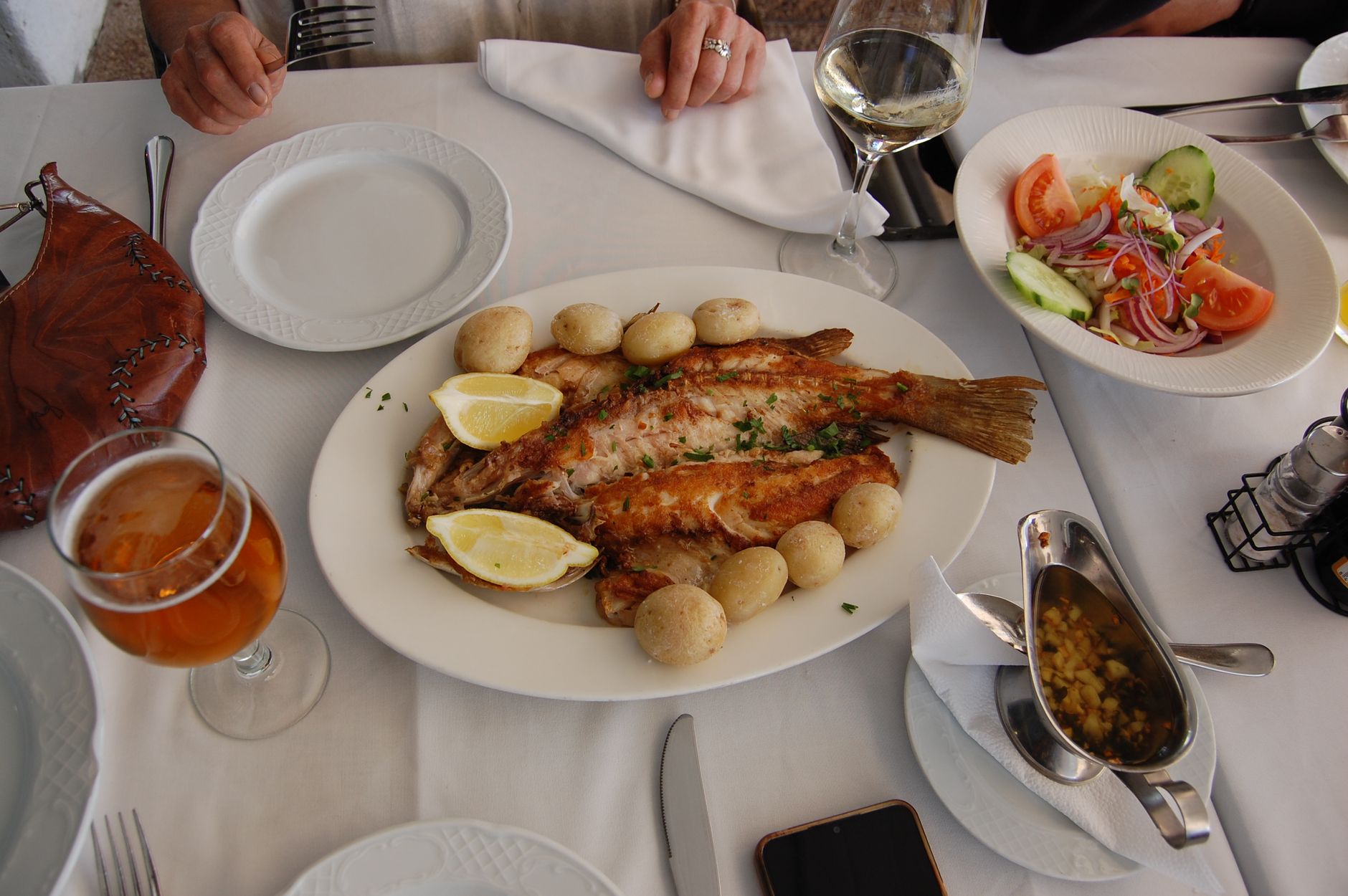
Order sardines grilled over charcoal and served on thick bread along the dockside, or try caldeirada fish stew and percebes at a riverfront tasca.
Local Seafood
Order sardines grilled over charcoal and served on thick bread along the dockside, or try caldeirada fish stew and percebes at a riverfront tasca.
Morning Coffee and Dom Rodrigo
Casa da Isabel
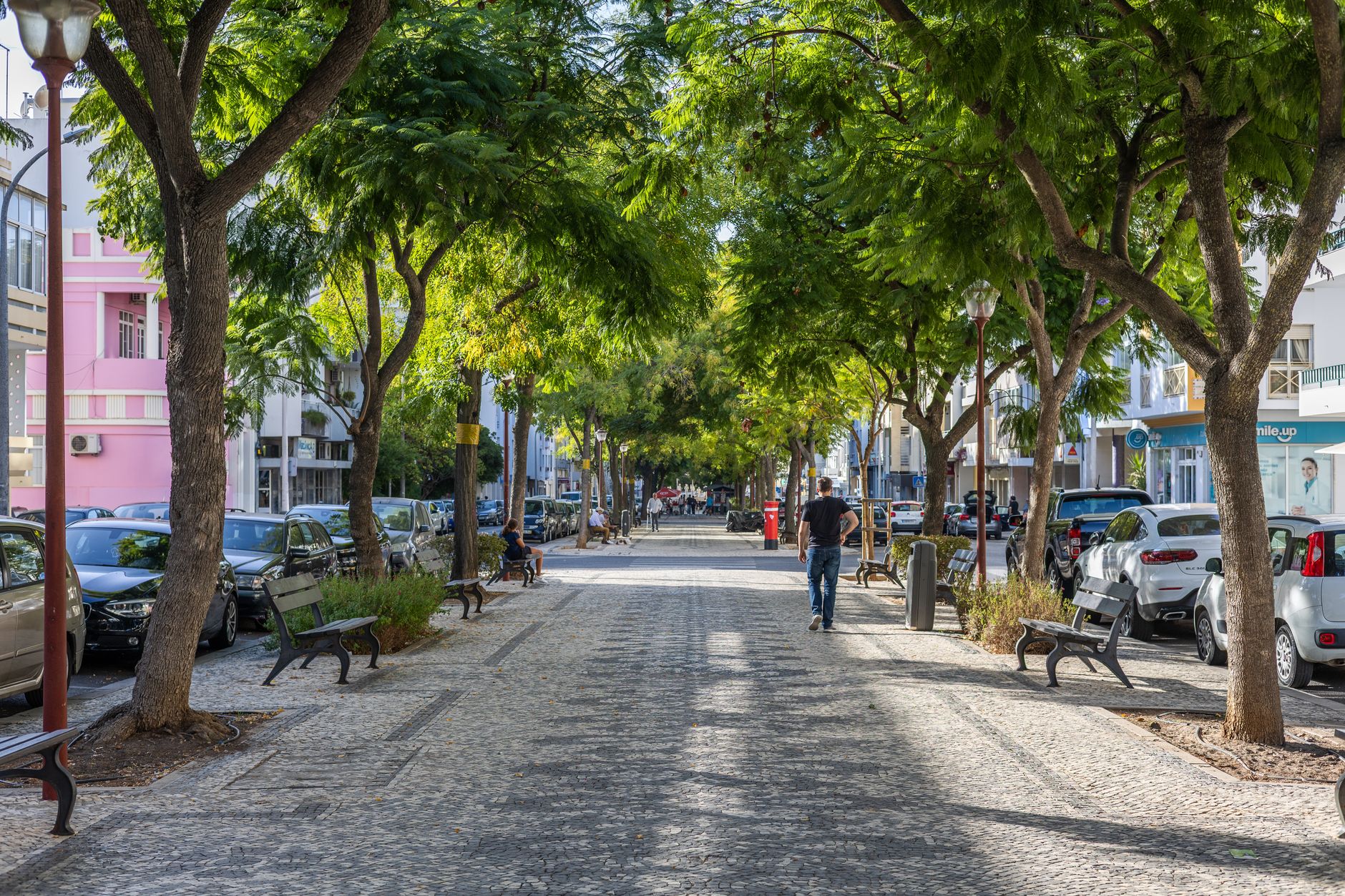
Order a bica and a Dom Rodrigo wrapped in silver foil at the counter. Cash is easiest, and thirty minutes is plenty of time to claim a table on the pedestrian street.
Editor TipPortimão convent sweets lean heavily on egg yolks, sugar, and dry-farmed Algarve almonds, a confectionery craft honed over centuries in local cloisters. Skip the plain croissant. The spun egg threads bound in crushed almond are the entire reason you walked down Rua do Comércio.
Charcoal-Grilled Fresh Sardines
Restaurante Dona Barca
Grab an outdoor table by Largo da Barca. Order the sardinhas assadas with boiled potatoes and a montanheira tomato salad. Expect thirty euros for two; arrive by 19:30 to skip the queue.
Editor TipPortimão built its fortune on sardine canning in the nineteenth century. Grilling them over open coals with coarse sea salt remains the town's defining culinary ritual. Eat them directly off thick country bread so the rich, oily juices soak into the crumb. Do not use cutlery.
Working Fish Stall Inspection
Mercado Municipal de Portimão
Walk the ground-floor seafood aisles on Avenida São João de Deus. Look for silver scabbard and line-caught sea bass. Free entry, allow forty-five minutes, and watch your step.
Editor TipBefore tourism took over the coastline, Portimão lived entirely on its fishing fleet and canning lines; the daily haul still dictates the menu across the entire Arade river basin. Keep clear of the fishmongers wielding heavy cleavers over the tuna blocks. They are working on a clock.
Dining On Fisherman's Xerém
Taberna da Maré
Arrive right at opening to claim an outdoor table. Order the xerém de berbigão or grilled cuttlefish with a jug of house white; dinner runs fifteen to twenty euros.
Editor TipXerém, a coarse cornmeal porridge enriched with local cockles and cured fat, sustained generations of Arade river dockworkers long before modern beach tourism arrived. They do not take reservations for small tables, so queuing ten minutes before eight saves a long wait.
Almond Sweets and Morning Bica
Pastelaria O Chafariz
Order an espresso and a morgadinho de amêndoa at the counter, then take a terrace table facing the square. Budget four euros and half an hour.
Editor TipAlgarve convent baking grew from Moorish almond groves and egg yolks left by nuns who used whites to starch cloister habits, producing dense sweets wrapped in silver foil. Grab the shaded corner table by the fountain before the morning sun clears the whitewashed roofline.
Copper Cataplana Seafood Stew
Restaurante A Lota
Order the monkfish and clam cataplana for two, cooked in a hinged copper sphere with coriander and cured chouriço. Dinner runs forty euros with local white wine; reserve outdoor tables.
Editor TipThe domed Moorish cataplana steams shellfish in their own juices, capturing the sweet brine of Alvor lagoon clams that local mariscadores rake at dawn just paces from the harbour dock. Finish with a Dom Rodrigo pastry from the counter, spun with egg threads and cinnamon to cut through the garlic.
Beaches
Descend wooden stairways to Praia dos Três Castelos and Praia dos Salgados to walk between ochre sea stacks and quiet Atlantic tide pools.
Beaches
Descend wooden stairways to Praia dos Três Castelos and Praia dos Salgados to walk between ochre sea stacks and quiet Atlantic tide pools.
Walking the Ochre Cliffs
Praia da Rocha
Access the broad golden sand using the wooden ramp beside Fortaleza de Santa Catarina. Spend ninety minutes walking west toward the jagged limestone stacks.
Editor TipLong before holidaymakers arrived in the 1930s, these towering red-and-gold calcarenite cliffs offered shelter to fishermen working the mouth of the Arade. Keep your shoes on for the timber boardwalk down to the sand; morning sea spray makes the steps remarkably slick.
Tide Pools and Sea Arches
Praia dos Três Irmãos
Walk eastward through the carved limestone sea passages connecting the sheltered coves. Access is free from the Alvor boardwalk; plan two unhurried hours.
Editor TipWeathered ochre cliffs shelter tidal rock shelves where coastal foragers still gather limpets, sea snails and gooseneck barnacles straight off the pounding surf. Bring sturdy strap sandals instead of loose flip-flops for the damp limestone passages between bays.
Note from the Editor
“Get down to the Arade riverfront early before the tour buses roll in from Albufeira. The morning light on the whitewashed alleys is worth the brisk start, and bakeries are at their best before nine.”
The Bed
Where to stay in Portimão
Which part of town to book, and what each one costs you in walking, noise or quiet.
Places to stay
Central, well-rated and easy to find again. Distances are from the middle of town.
These links go to Booking.com and earn us a commission. They cost you nothing extra.
The Comparison
Portimão, or somewhere near it
The places you are realistically choosing between, and the honest case for each.
The Local Record
Where to read more about Portimão
The blogs, boards, guides and operators worth bookmarking.
What to do in Portimão Faro District Portugal
Portimão is a practical, river-facing port city split between its working core along the Arade and the Atlantic cliffs of Praia da Rocha. Days run on a clean coastal rhythm: morning fish runs at the municipal market, long lunches of charcoal-grilled sardines, and late afternoon strolls past the old canning quays. It suits independent travellers who prefer salty dockside taverns, straightforward train links, and honest regional cooking over manicured holiday estates.
24 hours in Portimão Faro District Portugal
Start at Mercado Municipal by 09:00 for espresso and fresh figs before visiting the Museu de Portimão. Cross the old bridge for a lunch of sardines grilled over coals at riverside tascas. Spend the afternoon walking the cliffs between Praia dos Três Castelos and Praia do Vau, then finish with cold draught beer and percebes near Fortaleza de Santa Catarina. Select 1 Day above to see it.
2 days in Portimão Faro District Portugal
A second day lets you catch the water taxi across the Arade to Ferragudo to wander whitewashed alleys and drink dry white Arinto on the quay. In the afternoon, head west to the boardwalks of Ria de Alvor for birdwatching, followed by an evening feast of cataplana de marisco at an unpretentious village marisqueira. Choose 2 Days to expand the plan.
3 days in Portimão Faro District Portugal
With three days, venture inland. Ride the morning train or riverboat to Silves to explore the red sandstone Moorish castle and drink Negra Mole wine. Later, drive into the cool Monchique hills for medronho tastings and cured ham, returning to the river docks in Portimão for grilled sea bream just as the fishing boats return.
Portimão Faro District Portugal itineraries by interest
Local Seafood in Portimão Faro District Portugal
Order sardines grilled over charcoal and served on thick bread along the dockside, or try caldeirada fish stew and percebes at a riverfront tasca.
Maritime History in Portimão Faro District Portugal
Visit the Museu de Portimão inside the 19th-century Feu canning factory on the Arade riverfront to see sardine processing lines and Roman fish vats.
Markets & Produce in Portimão Faro District Portugal
Walk the stalls of Mercado Municipal on Avenida São João de Deus for dried figs, medronho brandy, Monchique cured ham, and Atlantic sea bream.
Beaches in Portimão Faro District Portugal
Descend wooden stairways to Praia dos Três Castelos and Praia dos Salgados to walk between ochre sea stacks and quiet Atlantic tide pools.
Coastal Walks in Portimão Faro District Portugal
Follow the clifftop trail west from Praia da Rocha toward Praia do Vau, crossing sandstone arches and limestone headlands above the breakers.
Wine & Vineyards in Portimão Faro District Portugal
Sample dry Arinto and warm Negra Mole reds at Quinta da Penina and Morgado do Quintão, exploring western Algarve’s revived clay-soil terroirs.
Historic Fortifications in Portimão Faro District Portugal
Walk the perimeter walls of Fortaleza de Santa Catarina, built in 1621 to defend the Arade estuary against pirate raids and Atlantic storms.
River & Estuary in Portimão Faro District Portugal
Board a solar ferry from Cais Vasco da Gama to Ferragudo or take an upstream boat to the medieval Moorish castle walls of Silves.
Day Trips in Portimão Faro District Portugal
Head inland to the eucalyptus forests of Caldas de Monchique to take thermal mineral waters and taste slow-roasted piri-piri chicken in Guia.
Sacred Architecture in Portimão Faro District Portugal
Step into the 15th-century Igreja de Nossa Senhora da Conceição to see its surviving Manueline Gothic portal and blue-and-white azulejo panels.
Local Pastries in Portimão Faro District Portugal
Try morgadinhos, doces finos de amêndoa, and dom rodrigos made with egg threads and cinnamon at traditional pastelarias along Rua do Comércio.
Ancient Ruins in Portimão Faro District Portugal
Walk the 4th-century Roman ruins of Villa de Abicada in the Ria de Alvor, known for its geometric floor mosaics and ancient salting tanks.