
.jpg)
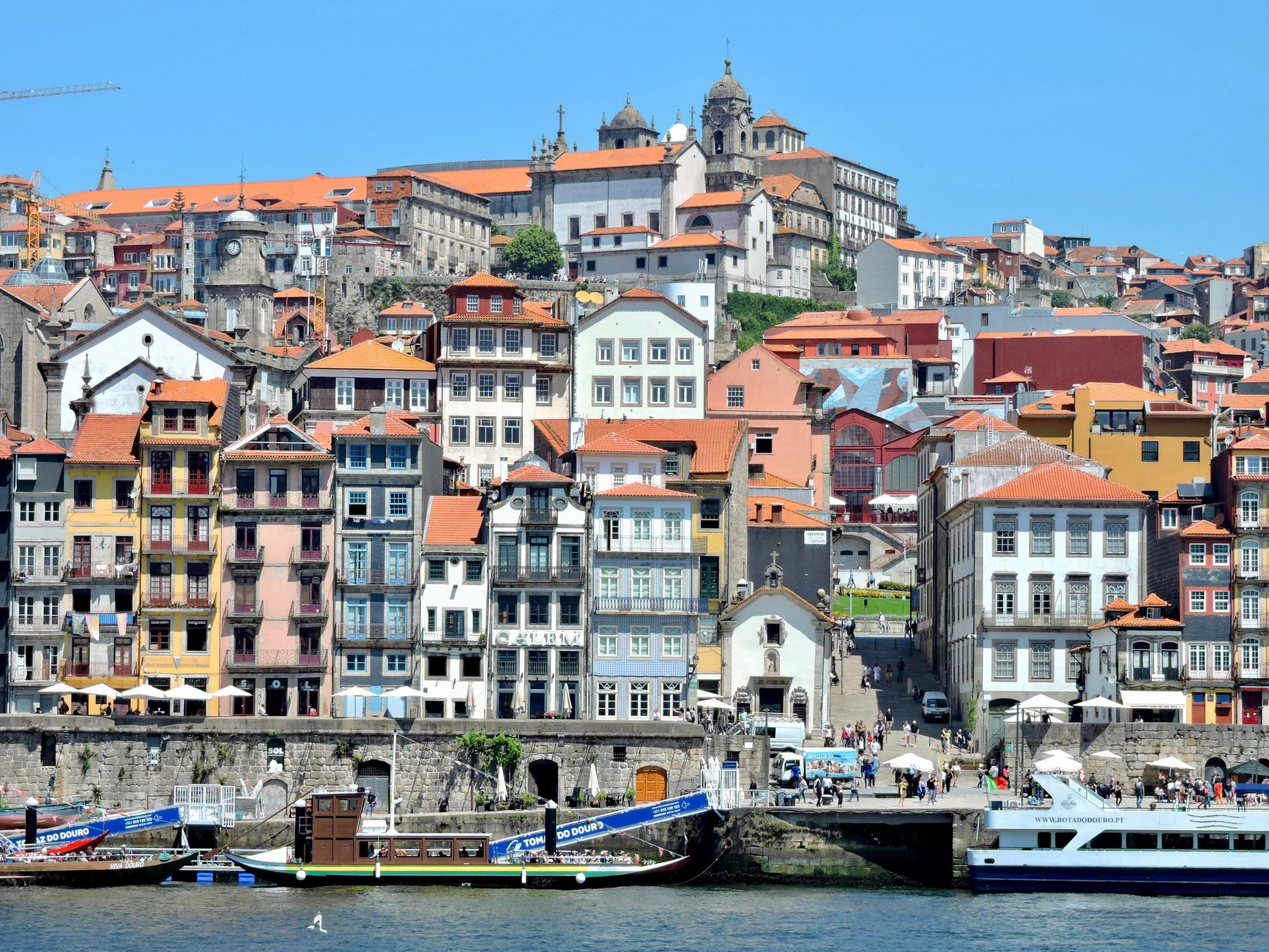
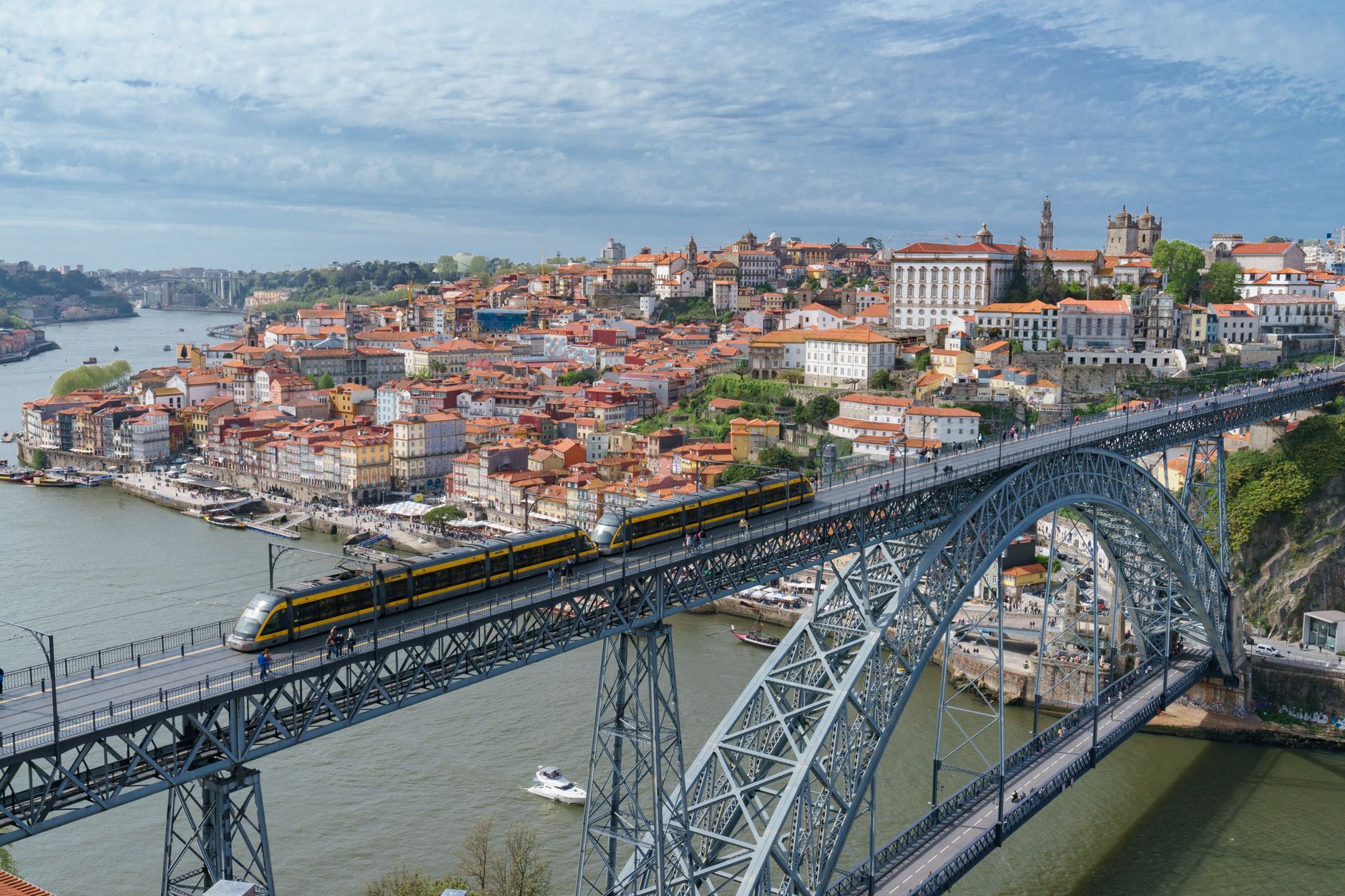


Porto sits on the Douro River, three hours north of Lisbon by Alfa Pendular train, with its own international airport. It is known for granite architecture, fortified wines cellared in Vila Nova de Gaia, and deep tavern traditions. Porto is worth visiting if you want steep cobblestone walks, robust tavern cooking, and working-cellar tastings along the river. Look elsewhere if you want flat resort promenades, warm Atlantic bathing waters, or manicured tourist avenues.
Last updated 27 Sept 2026
Build a Porto itinerary.
Choose up to 4 threads that pull you in. Your plan arrives organised around them.
The Bed
Where to stay in Porto
Which part of town to book, and what each one costs you in walking, noise or quiet.
The Comparison
Porto, or somewhere near it
The places you are realistically choosing between, and the honest case for each.
The Local Record
Where to read more about Porto
The blogs, boards, guides and operators worth bookmarking.
What to do in Porto Norte Portugal
Porto is built vertically along the Douro gorge, rewarding sturdy shoes and an appetite for hearty Northern cooking. Days alternate between climbing granite staircases in Miragaia, touring port wine lodges across the river, and resting with an espresso in sunlit praças. It suits travellers who appreciate unpolished urban character, historic rail journeys, and unhurried lunches of roast kid or salted cod alongside a chilled glass of dry white port.
24 hours in Porto Norte Portugal
Start at São Bento station to study the tile vestibule before climbing to the Cathedral terrace. Cross the upper deck of Dom Luís I Bridge for lunch in Vila Nova de Gaia with a lodge tasting at Taylor's. Spend the late afternoon descending Ribeira's alleys, finishing with a messy francesinha and cold Super Bock at Café Santiago. Select 1 Day above to see it.
2 days in Porto Norte Portugal
Devote your second morning to Mercado do Bolhão and the Clérigos tower before riding the historic tram out to Foz do Douro. Continue north to Matosinhos for lunch, where sidewalk charcoal grills smoke with whole sea bass and sardines. Walk off the meal along the ocean esplanade or explore Serralves modern art museum on your way back. Choose 2 Days to expand the plan.
3 days in Porto Norte Portugal
A third day unlocks the Upper Douro Valley. Catch the morning train on the Linha do Douro directly from São Bento to Pinhão, tracing the granite riverbanks past steep terraced vineyards. Enjoy a slow vineyard lunch and an afternoon boat ride before taking the evening train back into the city for tripe stew in a neighborhood tasca.
Porto Norte Portugal itineraries by interest
Fortified Wine in Porto Norte Portugal
Cross to Vila Nova de Gaia cellars like Graham's and Taylor's to taste aged Tawny and vintage ports straight from massive oak vats.
Local Seafood in Porto Norte Portugal
Take the 500 bus to Matosinhos, where grill masters char whole sea bass, sardines, and turbot over open coals directly on Rua Heróis de França.
Sacred Architecture in Porto Norte Portugal
Climb the 225 steps of Torre dos Clérigos for city views, then inspect the gilded baroque woodcarvings inside the Church of São Francisco.
Tavern Dining in Porto Norte Portugal
Order tripas à moda do Porto, slow-braised pork bifanas, and alheira sausage in no-frills tascas around the Bolhão neighbourhood.
Decorative Tiles in Porto Norte Portugal
Examine the 20,000 blue-and-white azulejo tiles depicting Portuguese history inside São Bento station and on the facade of Capela das Almas.
Markets & Produce in Porto Norte Portugal
Navigate the two-tiered Mercado do Bolhão for cured Serra da Estrela cheese, smoked presunto, regional olives, and freshly baked broa de Avintes.
Sandwich Culture in Porto Norte Portugal
Eat a sauce-drenched francesinha layered with ham, linguiça, and steak under melted cheese at historic counters like Café Santiago.
Riverfront Walks in Porto Norte Portugal
Stroll the granite quayside of Cais da Ribeira beneath the iron double-deck Dom Luís I Bridge, watching wooden rabelo boats drift by.
Modern Architecture in Porto Norte Portugal
Tour Rem Koolhaas's angular Casa da Música in Boavista and Álvaro Siza's concrete Museu de Serralves set in a serene public park.
Historic Rail in Porto Norte Portugal
Board the Linha do Douro train at São Bento to ride along the riverbank past terraced schist vineyards toward Pinhão.
Coastal Atlantic in Porto Norte Portugal
Ride the vintage No. 1 tram to Foz do Douro, then walk along the seawall to the Felgueiras lighthouse amid crashing waves.
Bookshops & Libraries in Porto Norte Portugal
Book a timed ticket for Livraria Lello's neo-gothic staircase and cedar woodwork on Rua das Carmelitas early in the morning.