Primošten.



Primošten sits on the Adriatic coast thirty minutes south of Šibenik and forty minutes from Split airport. Once an islet linked by a wooden drawbridge, the town is known for its circular stone core and the dry-stone Babić vineyards of Bucavac. Primošten is worth visiting if you want clear pebble beaches steps from an intact medieval core and honest carafes of local red wine. Look elsewhere if you want large sandy bays, late-night clubbing, or extensive indoor museums for rainy days.
Last updated 21 Oct 2026
Build a Primošten itinerary.
Choose up to 4 threads that pull you in. Your plan arrives organised around them.
The Bed
Where to stay in Primošten
Which part of town to book, and what each one costs you in walking, noise or quiet.
The Comparison
Primošten, or somewhere near it
The places you are realistically choosing between, and the honest case for each.
The Local Record
Where to read more about Primošten
The blogs, boards, guides and operators worth bookmarking.
What to do in Primošten Šibenik-Knin County Croatia
Primošten curves around two round peninsulas: the medieval old town topped by Saint George Church and the wooded pine spit of Raduča. Days here divide cleanly between the pebble shores and the limestone alleys of the old island. It is a slow, pedestrian-friendly base that suits swimmers, wine drinkers, and travellers who appreciate a working fishing village that has kept its scale.
24 hours in Primošten Šibenik-Knin County Croatia
Spend the morning swimming off the rounded stones of Velika Raduča before claiming an outdoor table on the old town quay for grilled squid and a glass of chilled debit. In late afternoon, climb the cobbled lanes to the churchyard of Saint George, then watch the sun drop behind the Adriatic with a carafe of dense Babić. Select 1 Day above to see it.
2 days in Primošten Šibenik-Knin County Croatia
On your second day, head five minutes south to the Bucavac vineyards to see the UNESCO-recognised stone grid by the water. By late afternoon, drive into the rugged hinterland of Primošten Burnji for an evening meal at a family konoba, where octopus bakes under a heavy iron peka with potatoes and wild rosemary. Choose 2 Days to expand the plan.
3 days in Primošten Šibenik-Knin County Croatia
A third day gives you time to take a morning run north to Šibenik to see Juraj Dalmatinac’s stone cathedral, or south to the quiet historic streets of Trogir. Return before dusk to hike up Mount Gaj, catching the golden light over the surrounding islands beside the towering mosaic monument of Our Lady of Loreto.
Primošten Šibenik-Knin County Croatia itineraries by interest
Local Seafood in Primošten Šibenik-Knin County Croatia
Order whole grilled orada or brancin seasoned with rosemary, or dark cuttlefish crni rižot cooked with olive oil and garlic.
Wine & Vineyards in Primošten Šibenik-Knin County Croatia
Walk among the UNESCO-tentative dry-stone terraces of Bucavac to taste robust Babić reds poured straight from local cellars.
Beaches in Primošten Šibenik-Knin County Croatia
Swim off the smooth white stones of Mala Raduča and Velika Raduča, shaded by maritime pines with water like pale glass.
Sacred Architecture in Primošten Šibenik-Knin County Croatia
Climb through stone alleys to the 15th-century Church of St. George, where the hilltop cemetery overlooks open Adriatic water.
Coastal Walks in Primošten Šibenik-Knin County Croatia
Circle the pine-lined Raduča peninsula on foot before looping the old town rampart walls as the evening fishing boats return.
Day Trips in Primošten Šibenik-Knin County Croatia
Drive thirty minutes inland to the waterfalls of Krka National Park or north to the Venetian stone cathedral of Šibenik.
Markets & Produce in Primošten Šibenik-Knin County Croatia
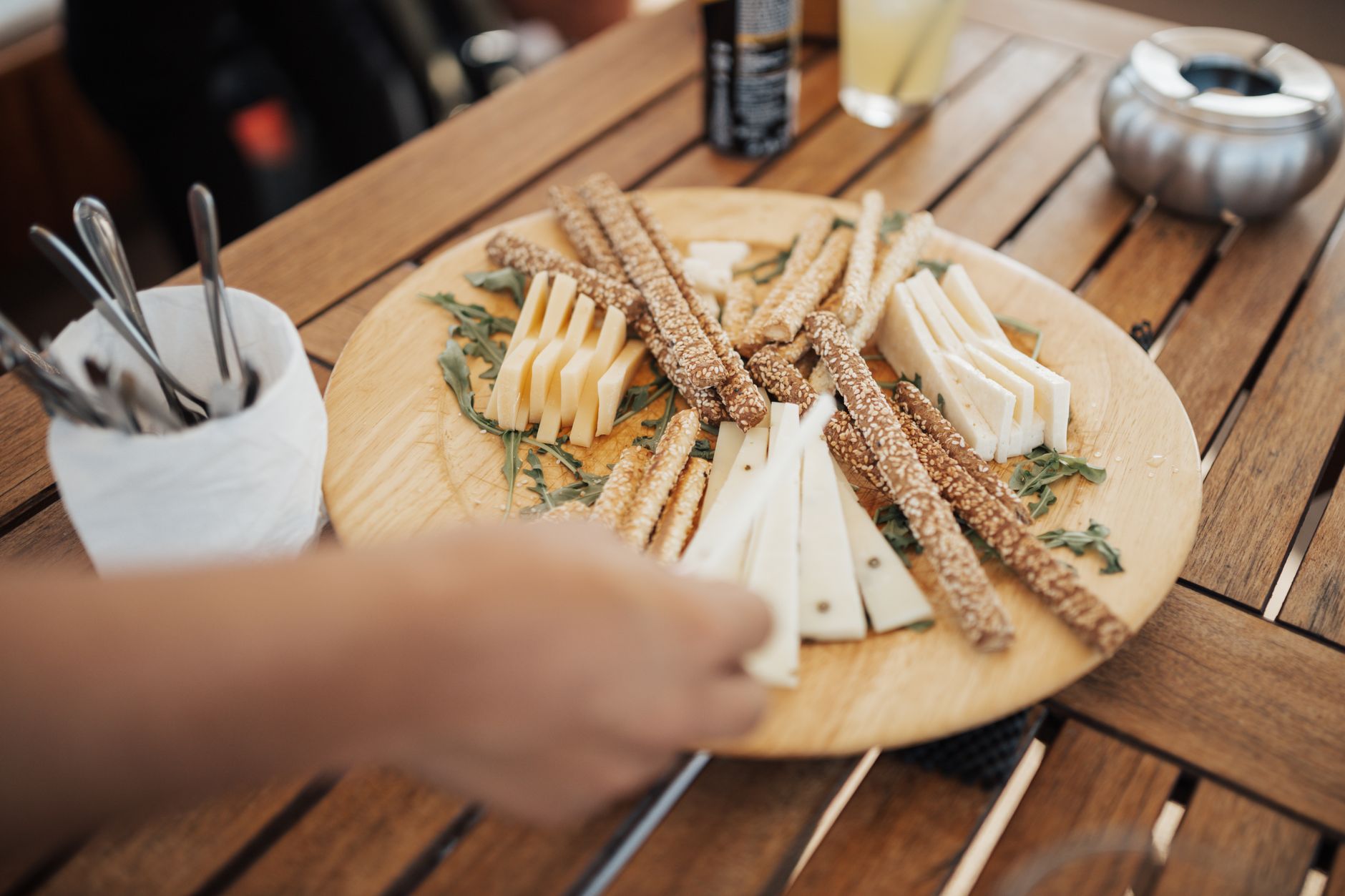
Stop at the morning market by the bridge for small batches of dark olive oil, dried figs, and salty wheels of Paški sir.
Scenic Viewpoints in Primošten Šibenik-Knin County Croatia
Drive or hike up Mount Gaj to stand beside the seventeen-metre mosaic statue of Our Lady of Loreto at sunset.
Traditional Cooking in Primošten Šibenik-Knin County Croatia
Book ahead at an inland konoba for octopus or veal slow-roasted under a cast-iron peka bell over smouldering wood embers.
Sailing & Boating in Primošten Šibenik-Knin County Croatia
Rent a small motorboat at the town harbour to anchor off the quiet coves of Smokvica and Maslinovik islands.
Village History in Primošten Šibenik-Knin County Croatia
Explore the restored stone hamlets of Primošten Burnji to see olive presses, threshing floors, and traditional farmsteads.
Active Outdoors in Primošten Šibenik-Knin County Croatia
Cycle the paved and gravel paths winding through olive groves from the coastal plain up toward the Kremik marina overlook.