Puerto Morelos.


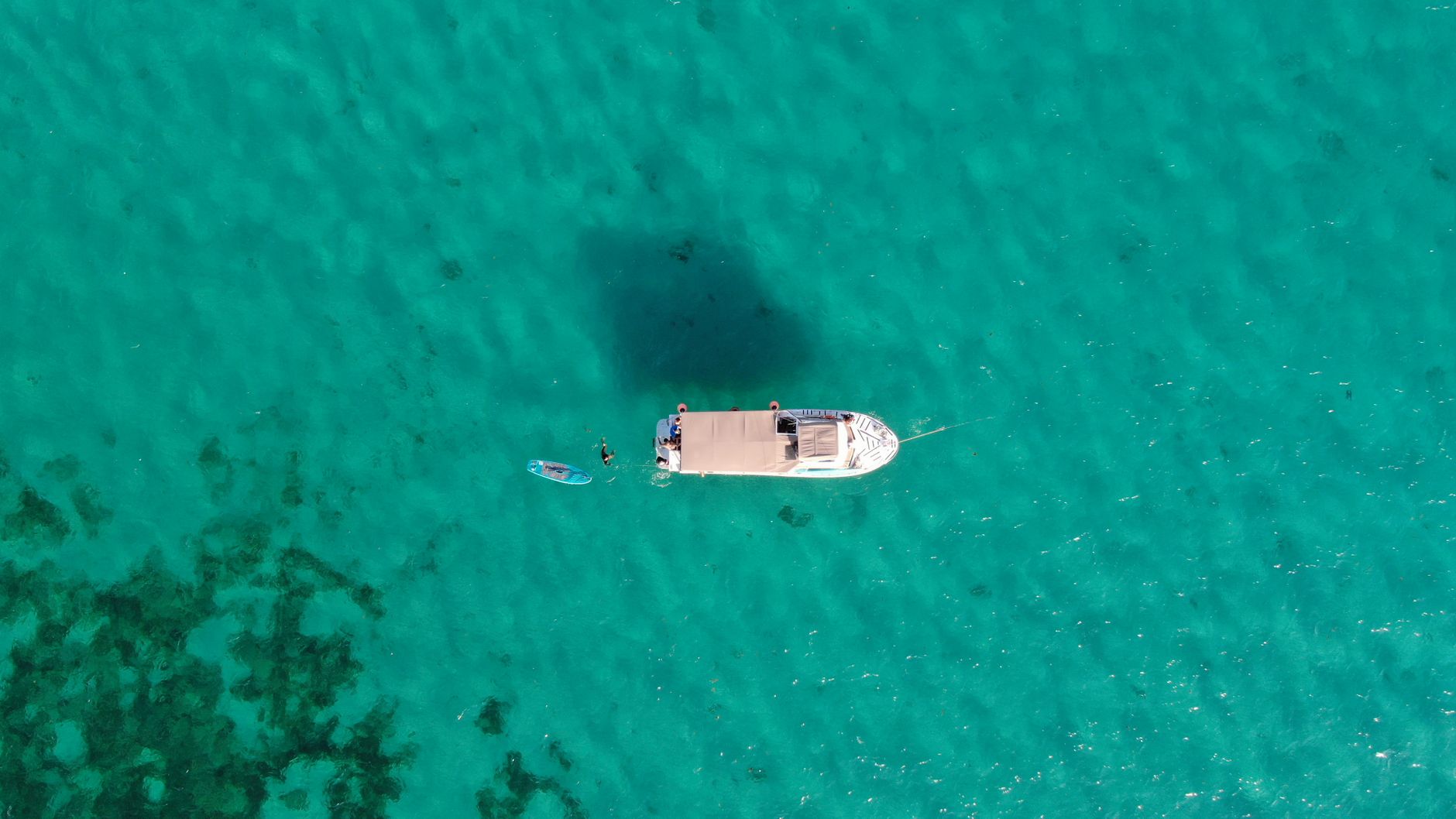
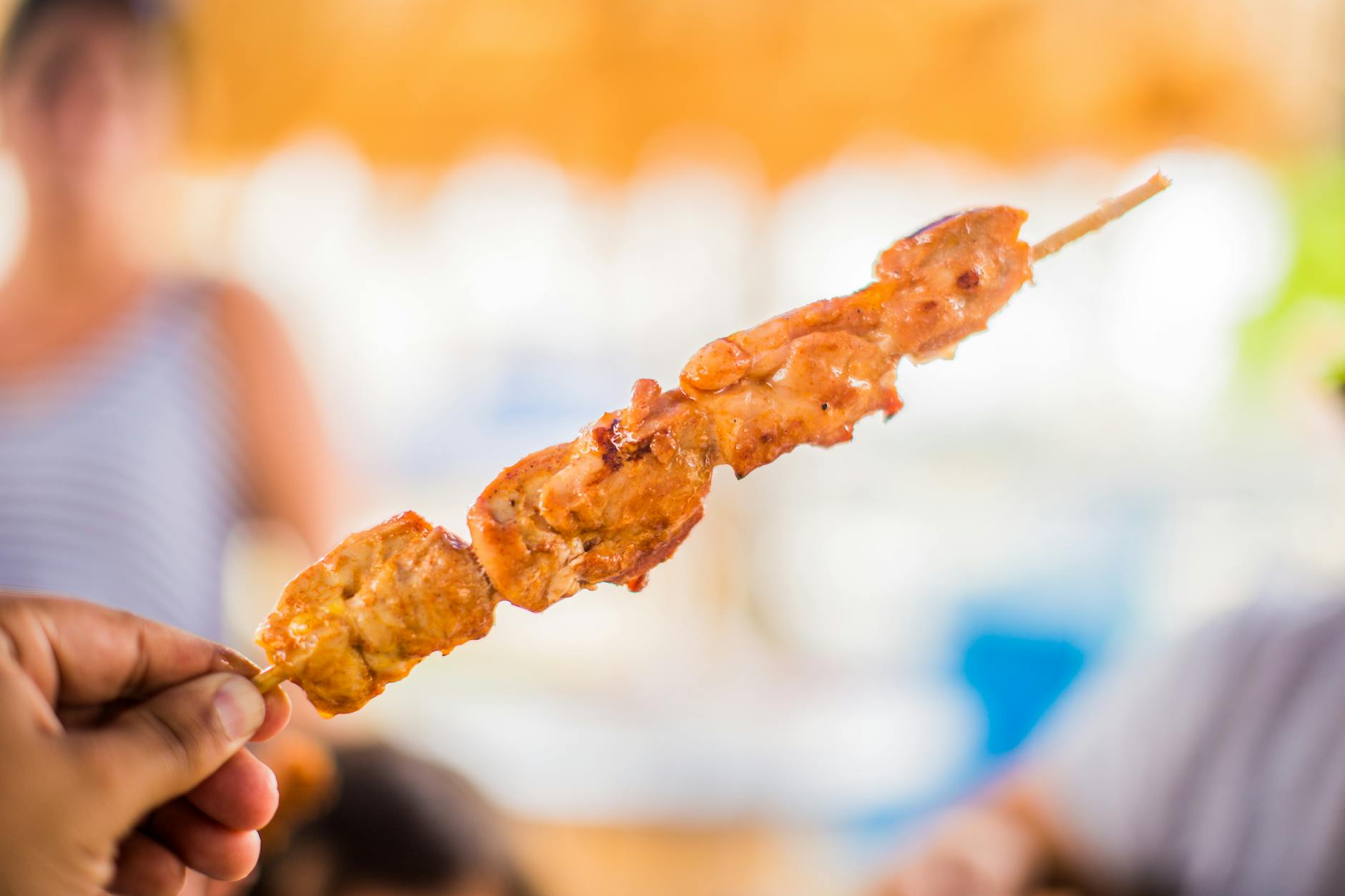
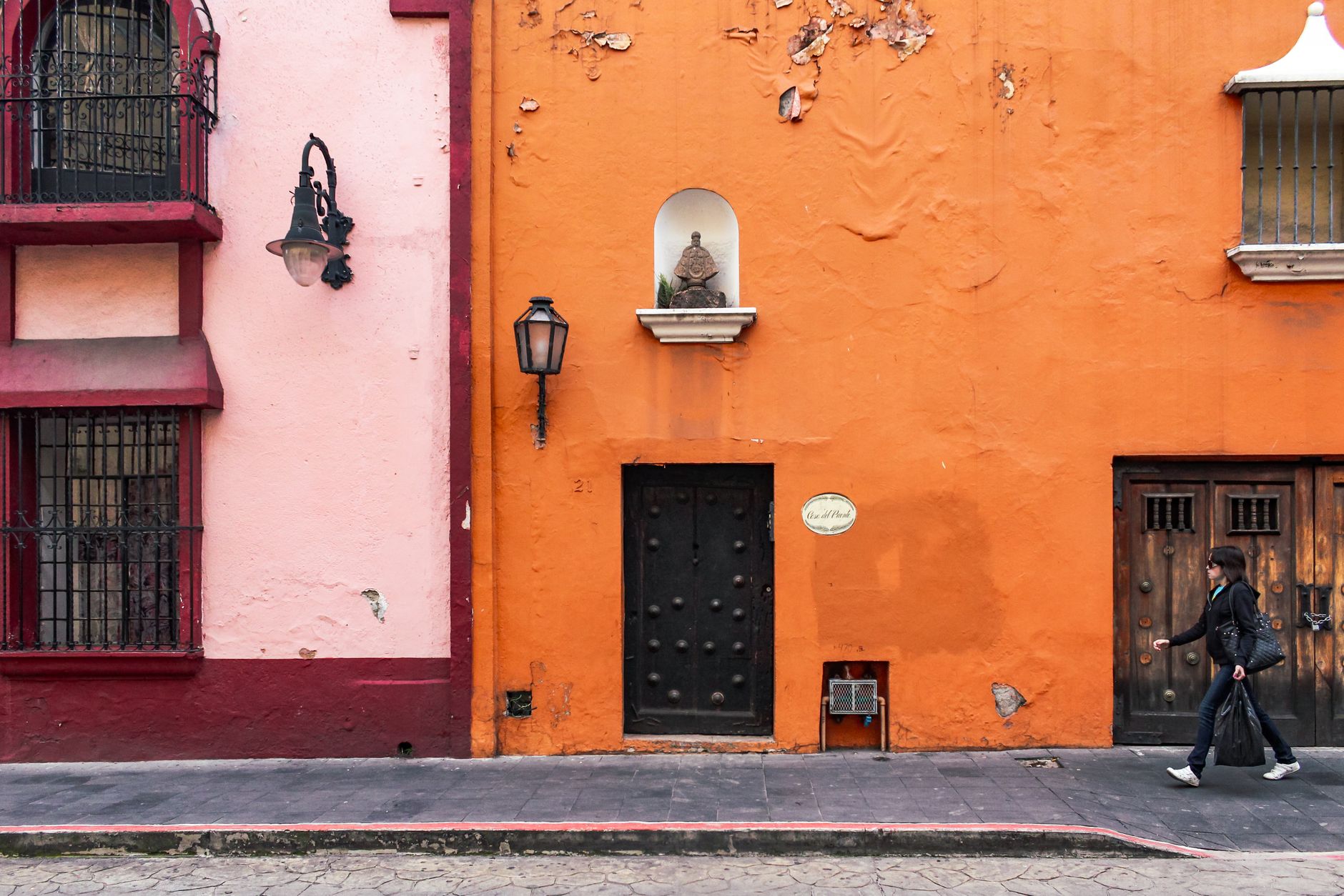
Puerto Morelos sits twenty-five minutes south of Cancún International Airport along Highway 307. It is known for its protected barrier reef just four hundred metres offshore and its split identity as a quiet working fishing village and inland residential pueblo. Puerto Morelos is worth visiting if you want fresh ceviche from the fishing cooperative docks, morning reef snorkeling, and an intact town square. Look elsewhere if you need all-night dance clubs, high-end shopping malls, or private resort strips.
Last updated 3 Oct 2026
Build a Puerto Morelos itinerary.
Choose up to 4 threads that pull you in. Your plan arrives organised around them.
The Bed
Where to stay in Puerto Morelos
Which part of town to book, and what each one costs you in walking, noise or quiet.
The Comparison
Puerto Morelos, or somewhere near it
The places you are realistically choosing between, and the honest case for each.
The Local Record
Where to read more about Puerto Morelos
The blogs, boards, guides and operators worth bookmarking.
What to do in Puerto Morelos Quintana Roo Mexico
Life in Puerto Morelos unfolds at the pace of the tides. Divided into the coastal Puerto and the inland Colonia across Highway 307, the town centres on a breeze-swept seaside plaza anchored by the leaning lighthouse. Days revolve around boat departures for the reef, afternoon fish tacos under palapa roofs, and quiet evening strolls along Avenida Javier Rojo Gómez. It suits travellers seeking unhurried coastal rhythm over resort spectacle.
24 hours in Puerto Morelos Quintana Roo Mexico
Begin at sunrise by the dock with coffee from a local bakery, then take a licensed panga boat to snorkel the reef park. By noon, grab a stool at the fishermen's cooperative for fresh fish ceviche. Spend the late afternoon drifting along the sand of Playa Principal before sitting down to whole fried hogfish on Avenida Rafael E. Melgar. Select 1 Day above to see it.
2 days in Puerto Morelos Quintana Roo Mexico
Cross Highway 307 into the inland Colonia for your second morning. Browse fruit stalls and order piping hot cochinita pibil from market stands. In the afternoon, explore the suspension bridges and coastal jungle at the Alfredo Barrera Marín botanical garden, followed by grilled octopus and mezcal back on the port side. Choose 2 Days to expand the plan.
3 days in Puerto Morelos Quintana Roo Mexico
A third day allows an unhurried trip down the Ruta de los Cenotes. Hire a taxi for the morning to swim in the limestone sinkholes of Cenote Siete Bocas or Boca del Puma. Return to town for a late lunch, then wander north along the quiet coastline toward the mangroves as the light softens over the water.
Puerto Morelos Quintana Roo Mexico itineraries by interest
Local Seafood in Puerto Morelos Quintana Roo Mexico
Eat whole fried boquinete, lime-cured snail ceviche, and grilled grouper landed at the Cooperativa Pesquera dock beside the leaning lighthouse.
Reef Diving in Puerto Morelos Quintana Roo Mexico
Snorkel or dive the Mesoamerican Barrier Reef just offshore to spot nurse sharks, loggerhead turtles, and eagle rays within the protected park.
Street Food in Puerto Morelos Quintana Roo Mexico
Head west to the Colonia square for evening cochinita pibil tortas, crisp marquesitas filled with queso de bola, and charred tamales colados.
Day Trips in Puerto Morelos Quintana Roo Mexico
Take Ruta de los Cenotes inland to swim freshwater sinkholes like Cenote Verde Lucero and Cenote Siete Bocas, a twenty-minute taxi ride away.
Botanical Gardens in Puerto Morelos Quintana Roo Mexico
Walk shaded jungle paths at Jardín Botánico Dr. Alfredo Barrera Marín, watching for wild spider monkeys, chicle trees, and Mayan ruins.
Craft Traditions in Puerto Morelos Quintana Roo Mexico
Browse handwoven hammocks, Mexican folk pottery, and embroidered huipiles from regional artisans gathered along the seaside town square.
Coastal Walks in Puerto Morelos Quintana Roo Mexico
Stroll the hard-packed sand north toward Punta Caracol at sunrise, watching brown pelicans dive around the historic tilted lighthouse.
Birdwatching in Puerto Morelos Quintana Roo Mexico
Scan the inland mangrove fringe and jungle canopy for keel-billed toucans, green jays, and roseate spoonbills along coastal dirt roads.
Markets & Produce in Puerto Morelos Quintana Roo Mexico
Pick up sweet mamey sapote, fresh limes, and homemade habanero salsas at the weekly craft and farmers stalls behind the central parish church.
Casual Dining in Puerto Morelos Quintana Roo Mexico
Order cold cerveza and octopus cocktail with feet in the sand at open-air beachfront palapas along Rafael E. Melgar street.
Regional History in Puerto Morelos Quintana Roo Mexico
Learn about nineteenth-century chicle extraction, dye-wood export, and the 1967 hurricane that tilted the famous harbour lighthouse.
Water Sports in Puerto Morelos Quintana Roo Mexico
Rent a sea kayak or book a licensed panga captain from the municipal dock to paddle the calm lagoon formed inside the outer reef barrier.