Riebeek-Kasteel.



Riebeek-Kasteel sits eighty kilometres northeast of Cape Town, an easy seventy-five-minute drive via the N7 and R46. The valley is famous for dry-farmed bush vines, cold-pressed olives, and nineteenth-century architecture centered on Church Street. Riebeek-Kasteel is worth visiting if you want old-vine Chenin Blanc, unhurried lunches on shaded hotel stoeps, and walks under Kasteelberg. Look elsewhere if you require late-night clubs, public transit, or ocean beaches.
Last updated 3 Oct 2026
Build a Riebeek-Kasteel itinerary.
Choose up to 4 threads that pull you in. Your plan arrives organised around them.
The Bed
Where to stay in Riebeek-Kasteel
Which part of town to book, and what each one costs you in walking, noise or quiet.
The Comparison
Riebeek-Kasteel, or somewhere near it
The places you are realistically choosing between, and the honest case for each.
The Local Record
Where to read more about Riebeek-Kasteel
The blogs, boards, guides and operators worth bookmarking.
What to do in Riebeek-Kasteel Western Cape South Africa
Riebeek-Kasteel is a compact grid of dirt side-roads and whitewashed cottages gathered under Kasteelberg. Days here tick to an agricultural clock: morning coffee on the square, unhurried cellar-door tastings, and long porch lunches with cold Swartland wine as the afternoon heat rolls in. It suits travellers who appreciate great independent wine, slow paces, and small-town ease over rigid itineraries.
24 hours in Riebeek-Kasteel Western Cape South Africa
Start at eight with coffee on Short Street, then walk Church Street before the sun peaks. Taste old-vine Chenin Blanc at The Wine Kollective, followed by a tapenade tasting at Het Vlock Casteel. Wrap up with a cold gin and tonic on the deep front veranda of the Royal Hotel, watching the light fade off the mountain. Select 1 Day above to see it.
2 days in Riebeek-Kasteel Western Cape South Africa
Spend your second morning hiking the lower contour paths of Kasteelberg among the renosterveld. Drive five kilometres to neighbouring Riebeek West for lunch in a shaded garden, stopping at Allesverloren for fortified wines and biltong before an evening braai back in the village. Choose 2 Days to expand the plan.
3 days in Riebeek-Kasteel Western Cape South Africa
A third day allows you to explore the wider Swartland. Head out on gravel tracks toward the Paardeberg to visit pioneering independent winemakers, or drive north to Moorreesburg for regional wheat history. Return for a leisurely dinner of slow-roasted lamb shank on Short Street.
Riebeek-Kasteel Western Cape South Africa itineraries by interest
Wine & Vineyards in Riebeek-Kasteel Western Cape South Africa
Taste low-intervention Swartland Chenin Blanc and old-vine Syrah at The Wine Kollective, Kloovenburg, and Mullineux tasting rooms.
Local Produce in Riebeek-Kasteel Western Cape South Africa
Sample mission olives, tapenades, and cold-pressed extra virgin oils straight from the press at Het Vlock Casteel and Kloovenburg.
Historic Architecture in Riebeek-Kasteel Western Cape South Africa
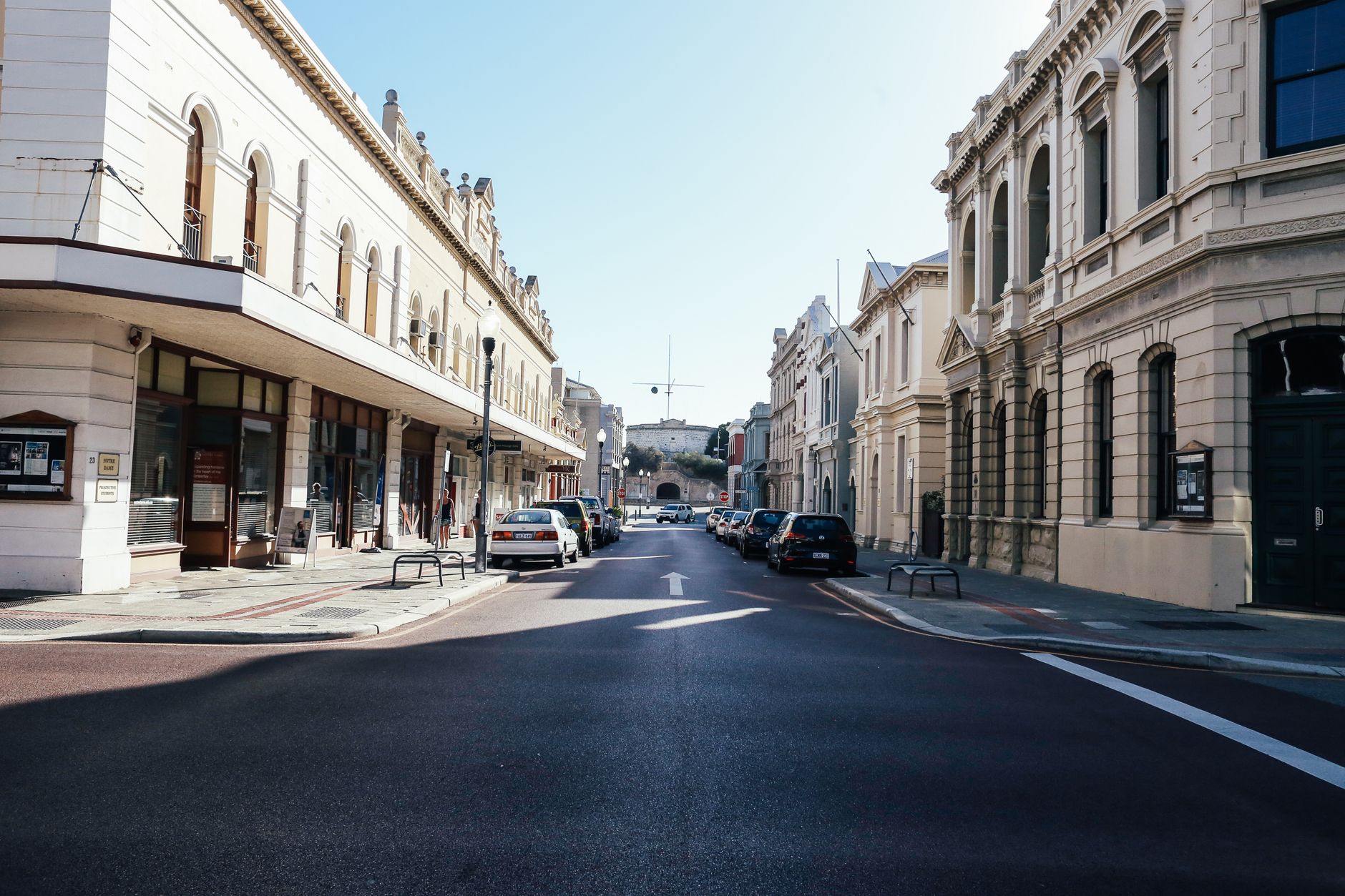
Admire Victorian verandas and Cape Dutch gables along Church Street, anchored by the 1855 Royal Hotel and the Dutch Reformed Church.
Hiking in Riebeek-Kasteel Western Cape South Africa
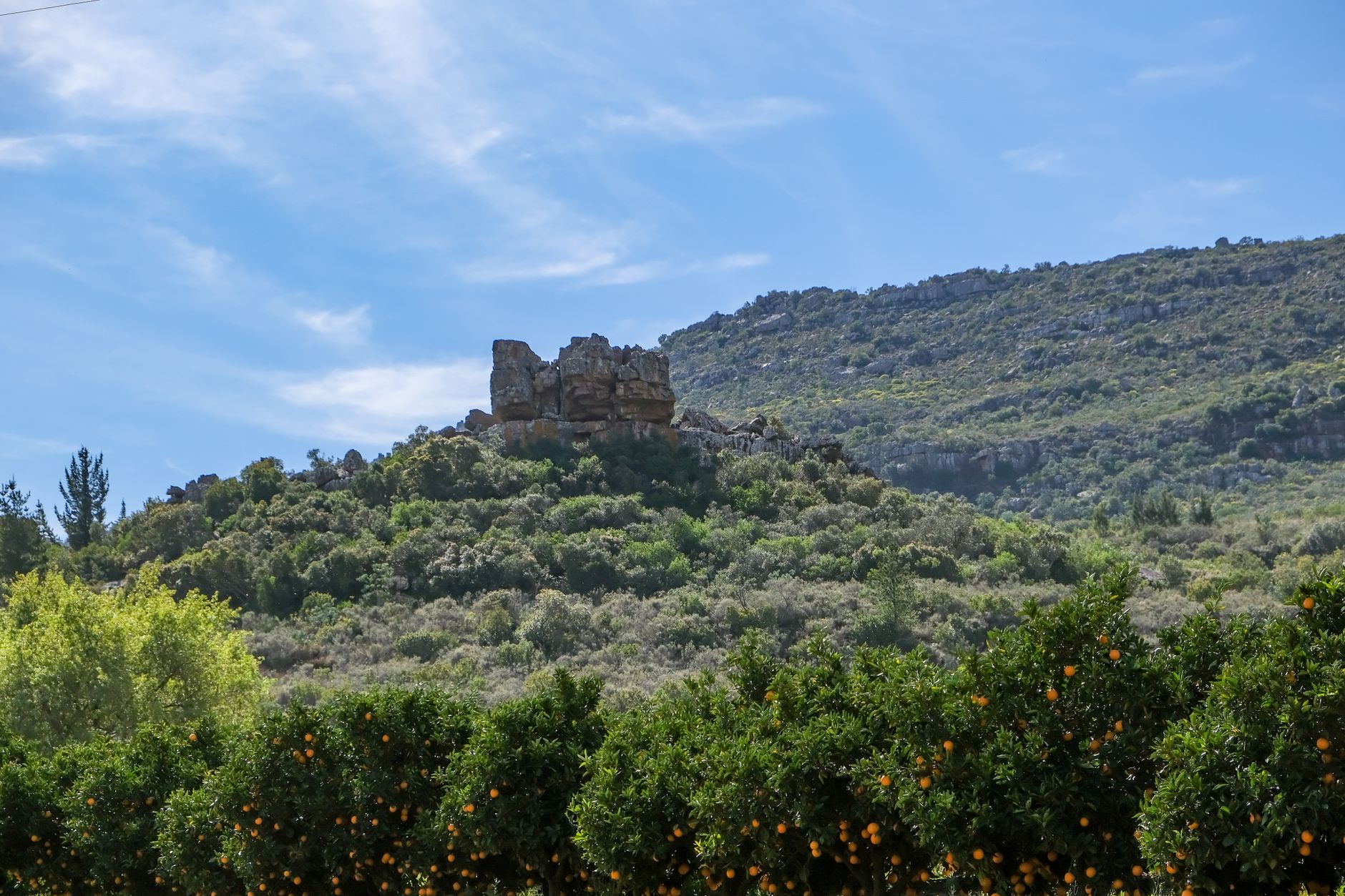
Climb the steep renosterveld trails up Kasteelberg for panoramic valley views across wheat fields and granite boulders.
Art Galleries in Riebeek-Kasteel Western Cape South Africa
Wander between independent studios on Short Street showing local oil paintings, ceramics, and contemporary South African sculpture.
Baking & Cafes in Riebeek-Kasteel Western Cape South Africa
Grab sourdough loaves, fresh pastéis de nata, and double shots of espresso at village bakeries along the square before noon.
Regional Dining in Riebeek-Kasteel Western Cape South Africa
Settle into shaded courtyards for springbok loin, wood-fired pizzas, and slow-braised Karoo lamb shank paired with local Cinsault.
Craft Distilling in Riebeek-Kasteel Western Cape South Africa
Sip small-batch botanical gins infused with local fynbos, citrus, and spices at tasting rooms along the main road.
Day Trips in Riebeek-Kasteel Western Cape South Africa
Drive ten minutes north to Riebeek West to visit Jan Smuts's birthplace, or thirty minutes west to the wheat mills of Moorreesburg.
Cycling in Riebeek-Kasteel Western Cape South Africa
Ride quiet gravel backroads winding through olive groves, winter canola fields, and low-trellised vineyards across the valley floor.
Village Markets in Riebeek-Kasteel Western Cape South Africa
Browse weekend stalls on the village green selling seasonal preserves, handmade goats' cheeses, biltong, and fresh herbs.
Bird Watching in Riebeek-Kasteel Western Cape South Africa
Spot blue cranes, African fish eagles, and sunbirds among the fynbos reserves and farm dams around the base of the mountain.