


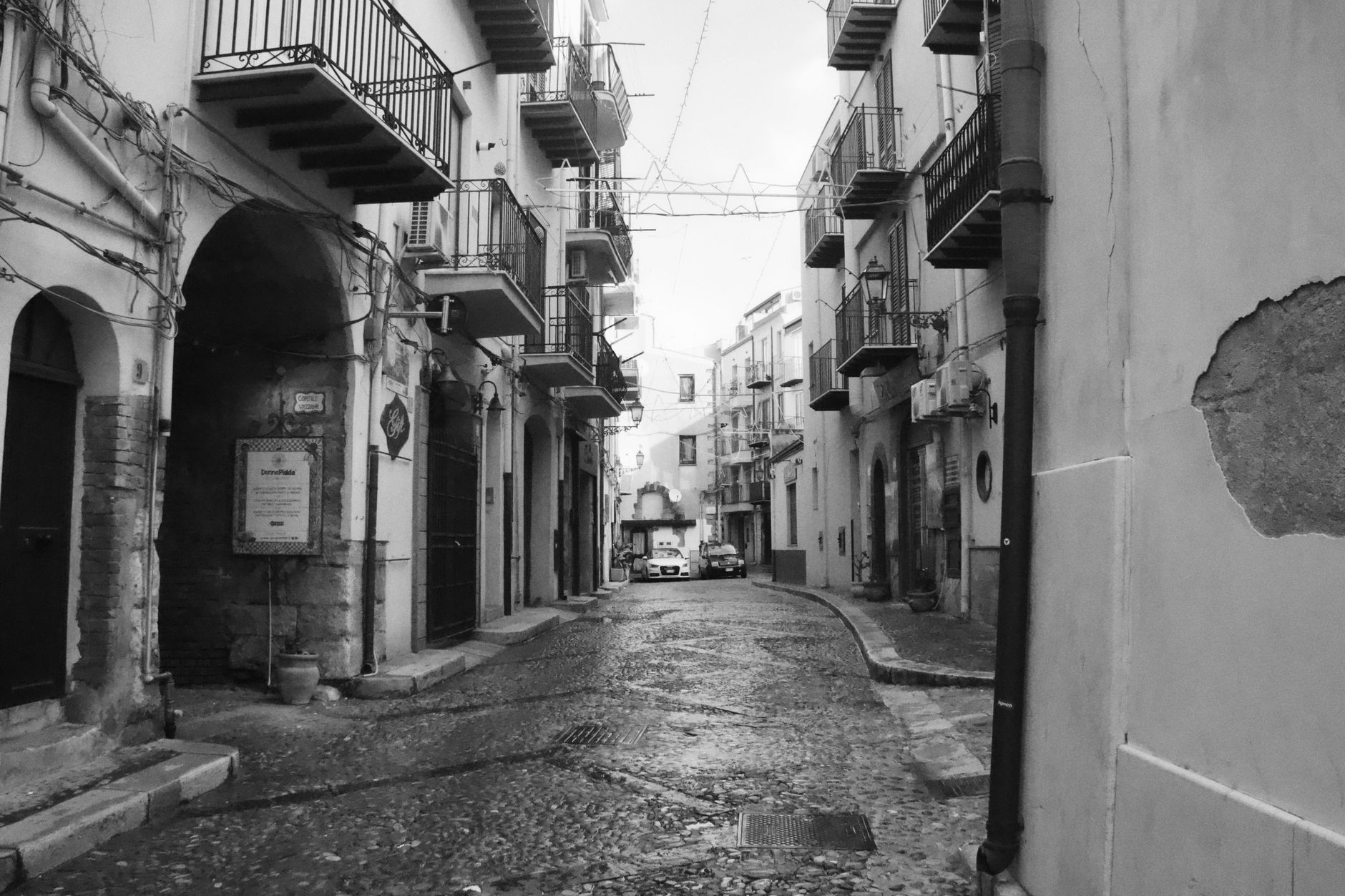
Roč sits ten kilometres east of Buzet along the D44, forty-five minutes by car from Rijeka through the Učka tunnel. The fortified village is known for its Venetian ramparts, Romanesque frescoes, and as the start of the stone Glagolitic Alley leading to Hum. Roč is worth visiting if you want to trace medieval script monuments on foot and eat handmade pasta with local truffles in a quiet hill tavern. Look elsewhere if you require coastal swimming, active nightlife, or large indoor museums.
Last updated 8 Nov 2026
Build a Roč itinerary.
Choose up to 4 threads that pull you in. Your plan arrives organised around them.
The Bed
Where to stay in Roč
Which part of town to book, and what each one costs you in walking, noise or quiet.
The Comparison
Roč, or somewhere near it
The places you are realistically choosing between, and the honest case for each.
The Local Record
Where to read more about Roč
The blogs, boards, guides and operators worth bookmarking.
What to do in Roč Istria Croatia
Roč is a compact hilltop village defined by its stone fortifications and centuries of Glagolitic scholarship. The day moves at a gentle pace, revolving around short walks along the medieval walls, checking the frescoes inside Saint Roch, and long lunches at the local konoba. It suits independent travellers, walkers, and history enthusiasts who prefer unvarnished Istrian village life to crowded coastal resorts.
24 hours in Roč Istria Croatia
Start the morning inspecting the Glagolitic inscriptions in Saint Roch and the town lapidarium. Walk or drive the Glagolitic Alley down to Hum before returning to Roč for an afternoon meal of truffled fuži and Teran wine at Ročka Konoba. Finish with a sunset walk along the northern watchtowers. Select 1 Day above to see it.
2 days in Roč Istria Croatia
Day two takes you out into the Mirna river valley. Hike from Roč down to the abandoned stone watermills and turquoise limestone pools of Kotli. In the evening, head into nearby Buzet for a dinner focused on wild asparagus and Istrian ombolo at an old-town tavern. Choose 2 Days to expand the plan.
3 days in Roč Istria Croatia
A third day allows an unhurried excursion up into the limestone plateaus of Ćićarija or a visit to the medieval fresco cycle at Saint Mary on the Hill in nearby Beram. Back in Roč, spend a relaxed evening sampling local biska brandy with residents on the quiet square.
Roč Istria Croatia itineraries by interest
Local Taverns in Roč Istria Croatia
Sit at Konoba Ročka Konoba for steaming bowls of maneštra bean soup, handmade fuži pasta, and cured ombolo pork paired with house Teran.
Sacred Architecture in Roč Istria Croatia
Inspect the 14th-century church of St. Roch to see restored Glagolitic graffiti and medieval frescoes painted on rough interior plaster.
Historic Monuments in Roč Istria Croatia
Follow the seven-kilometre Glagolitic Alley down the road to Hum, stopping at eleven outdoor stone monuments dedicated to Old Slavic script.
Fortified Heritage in Roč Istria Croatia
Walk the surviving Venetian defensive ramparts, rounded watchtowers, and the 15th-century main town gate housing a historic Roman lapidarium.
Regional Spirits in Roč Istria Croatia
Sample biska, the traditional mistletoe brandy distilled in northern Istria, poured alongside medica honey schnapps in local village bars.
Hiking Trails in Roč Istria Croatia
Trek the signposted trails linking Roč to Kotli along the Mirna river basin, crossing karst terrain and quiet wooded limestone ridges.
Folk Traditions in Roč Istria Croatia
Discover Roč’s brass band history and trieste accordion heritage, celebrated during seasonal folk festivals in the central stone square.
Truffle Country in Roč Istria Croatia
Taste freshly grated black and white truffles shaved over pljukanci pasta and scrambled eggs, sourced directly from the nearby Motovun forest.
Village Walking in Roč Istria Croatia
Wander the quiet cobbled lanes between St. Bartholomew church and the historic stone cannon, taking in expansive views across the Ćićarija hills.
Rural Rivers in Roč Istria Croatia
Visit nearby Kotli to see the natural limestone hollows, watermills, and turquoise pools formed by the upper flow of the Mirna river.
Ancient Typography in Roč Istria Croatia
Examine stone copies of the 1483 Roč Missal, one of the earliest printed liturgical books written in the angular Croatian Glagolitic script.
Hilltop Day Trips in Roč Istria Croatia
Drive ten minutes to tiny Hum or continue west to Buzet for stone ramparts, olive oil pressings, and panoramic vistas over the Mirna valley.