Rondonópolis.


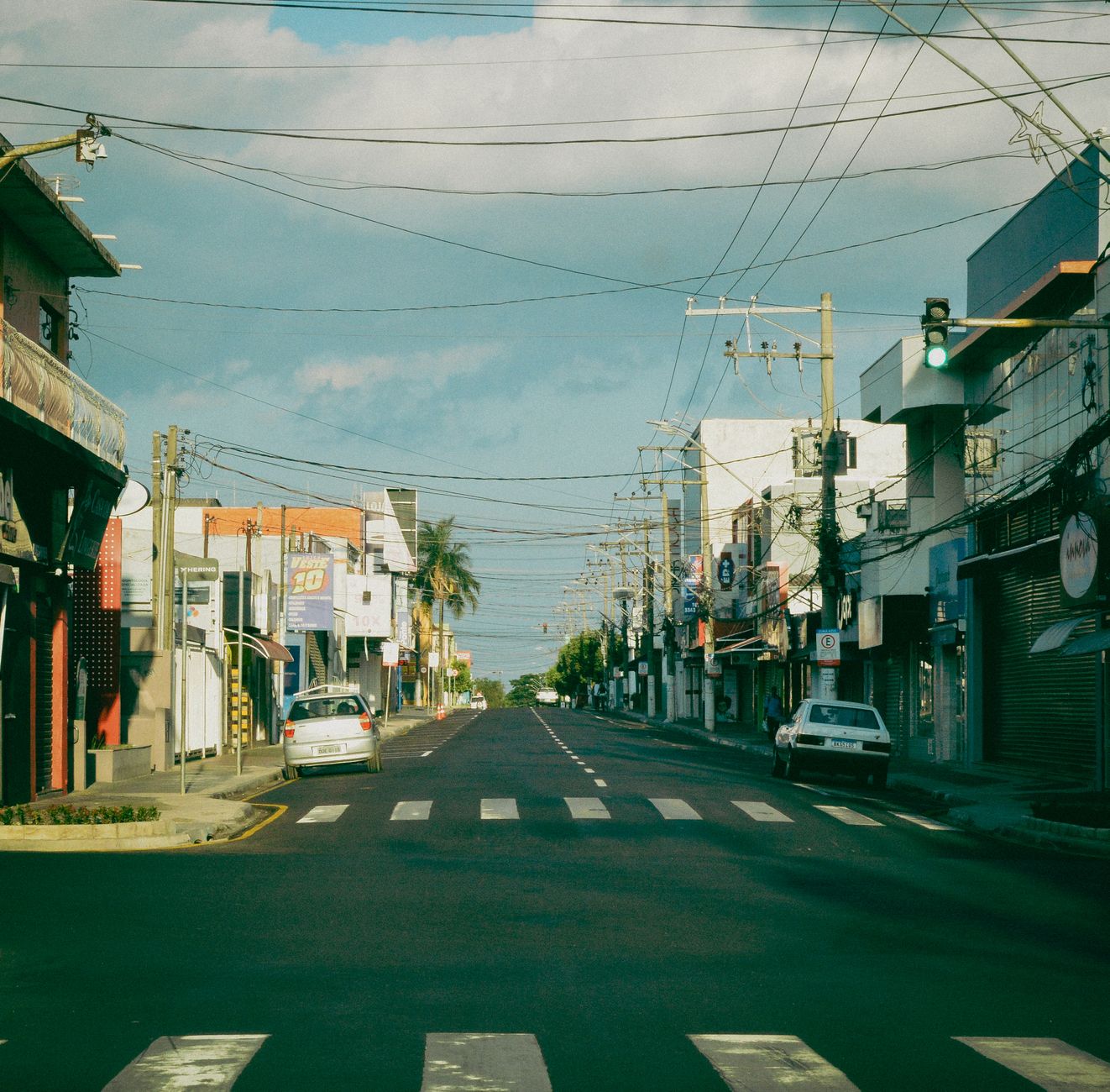
Rondonópolis sits 215 kilometres southeast of Cuiabá along highway BR-364, roughly a three-hour drive across the central plateau. It is known as Mato Grosso's southern transport hub and a gateway to sandstone canyon country along the Rio Vermelho. Rondonópolis is worth visiting if you want hearty river fish, working Cerrado markets, and uncrowded sandstone trails. Look elsewhere if you expect colonial streetscapes, historic plazas, or public transit built for visitors.
Last updated 28 Sept 2026
Build a Rondonópolis itinerary.
Choose up to 4 threads that pull you in. Your plan arrives organised around them.
The Bed
Where to stay in Rondonópolis
Which part of town to book, and what each one costs you in walking, noise or quiet.
The Comparison
Rondonópolis, or somewhere near it
The places you are realistically choosing between, and the honest case for each.
The Local Record
Where to read more about Rondonópolis
The blogs, boards, guides and operators worth bookmarking.
What to do in Rondonópolis Mato Grosso Brazil
Rondonópolis is an energetic commercial engine anchored by wide avenues and the red current of the Rio Vermelho. Days start early to avoid the midday heat, turning to air-conditioned lunchrooms for hearty plates of pintado and fried pacu ribs. By dusk, life shifts to open-air tables along Avenida Lions Internacional and bustling neighborhood street fairs. It suits independent road-trippers and curious eaters crossing central Brazil.
24 hours in Rondonópolis Mato Grosso Brazil
Spend your morning walking the shaded riverside near Cais do Porto before heading to a traditional fish house for crisp ventrecha de pacu and pirão. In the late afternoon, browse the stalls at Feira da Vila Aurora for fresh pastel and caldo de cana, ending with cold draft beer on Avenida Lions Internacional. Select 1 Day above to see it.
2 days in Rondonópolis Mato Grosso Brazil
Dedicate your second day to the sandstone pillars, caves, and indigenous rock art at Parque Ecológico João Basso, located thirty kilometres southeast. Return to town for a dinner of Maria Isabel beef rice and pequi at a local churrascaria, followed by ice cream made from regional fruits like buriti and pequi. Choose 2 Days to expand the plan.
3 days in Rondonópolis Mato Grosso Brazil
A third day allows an unhurried excursion to the cascades around Cachoeira do Carimã or a scenic drive toward Serra da Petrovina. Stop at roadside farms along the BR-163 to buy artisanal cured cheese, local honey, and jars of Cerrado fruit preserves before an unhurried final dinner in town.
Rondonópolis Mato Grosso Brazil itineraries by interest
Freshwater Fish in Rondonópolis Mato Grosso Brazil
Order ventrecha de pacu frita or pintado grelhado at riverside spots near the Rio Vermelho, served with pirão, lime wedges, and farofa de banana.
Local Markets in Rondonópolis Mato Grosso Brazil
Browse Feira da Vila Aurora on Wednesday evenings for caldo de cana, fresh pastéis, cured cheeses, and jars of pickled Cerrado pequi.
Sandstone Formations in Rondonópolis Mato Grosso Brazil
Hike the red sandstone labyrinths, grottos, and ancient rock engravings at Parque Ecológico João Basso, thirty kilometres outside the city centre.
Regional Cooking in Rondonópolis Mato Grosso Brazil
Eat Maria Isabel, a traditional Mato Grosso dish of dried cured beef cooked into garlicky rice, balanced by fried sweet plantains and pequi broth.
River Walks in Rondonópolis Mato Grosso Brazil
Stroll along the Rio Vermelho riverbanks near Cais do Porto at sunset to watch local anglers cast for dourado against rust-coloured water.
Cerrado Landscapes in Rondonópolis Mato Grosso Brazil
Drive the rural dirt roads toward Serra da Petrovina to see rolling savannas, buriti palms, and dramatic flat-topped table mountains.
Evening Dining in Rondonópolis Mato Grosso Brazil
Head to Avenida Lions Internacional after dark for skewers of picanha, cold draft beer, and plates of fried manioc at lively open-air churrascarias.
Canyon Hiking in Rondonópolis Mato Grosso Brazil
Trek the trails to the waterfalls and weathered ruiniform rock towers in the nearby complex of Cidade de Pedra near the Guimarães plateau.
Street Snacks in Rondonópolis Mato Grosso Brazil
Stop at mid-morning bakeries for warm pão de queijo stuffed with regional requeijão and glasses of fresh guarana juice blended with crushed ice.
Indigenous Heritage in Rondonópolis Mato Grosso Brazil
Learn about the ancestral territory and craft traditions of the Boe-Bororo people who inhabit the nearby São Lourenço and Vermelho river basins.
Waterfalls in Rondonópolis Mato Grosso Brazil
Swim in the cool sandstone plunge pools below Cachoeira do Carimã and small cascade circuits reachable by dirt road south of the municipality.
Farm Traditions in Rondonópolis Mato Grosso Brazil
Sample artisanal Queijo Minas-style curds, rapadura, and pequi liqueur sold directly from family stalls along the shoulders of highway BR-163.