.jpg)

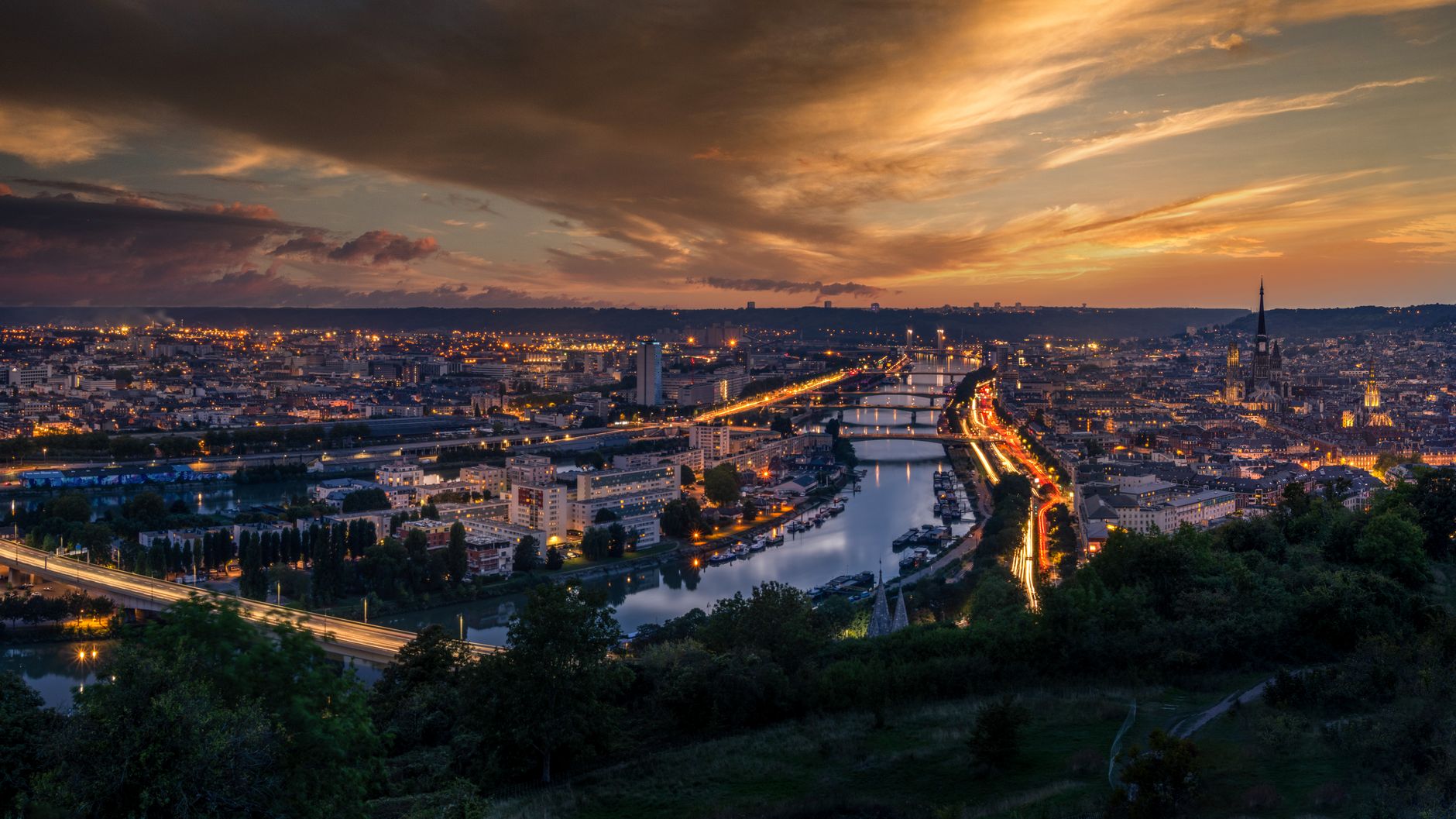
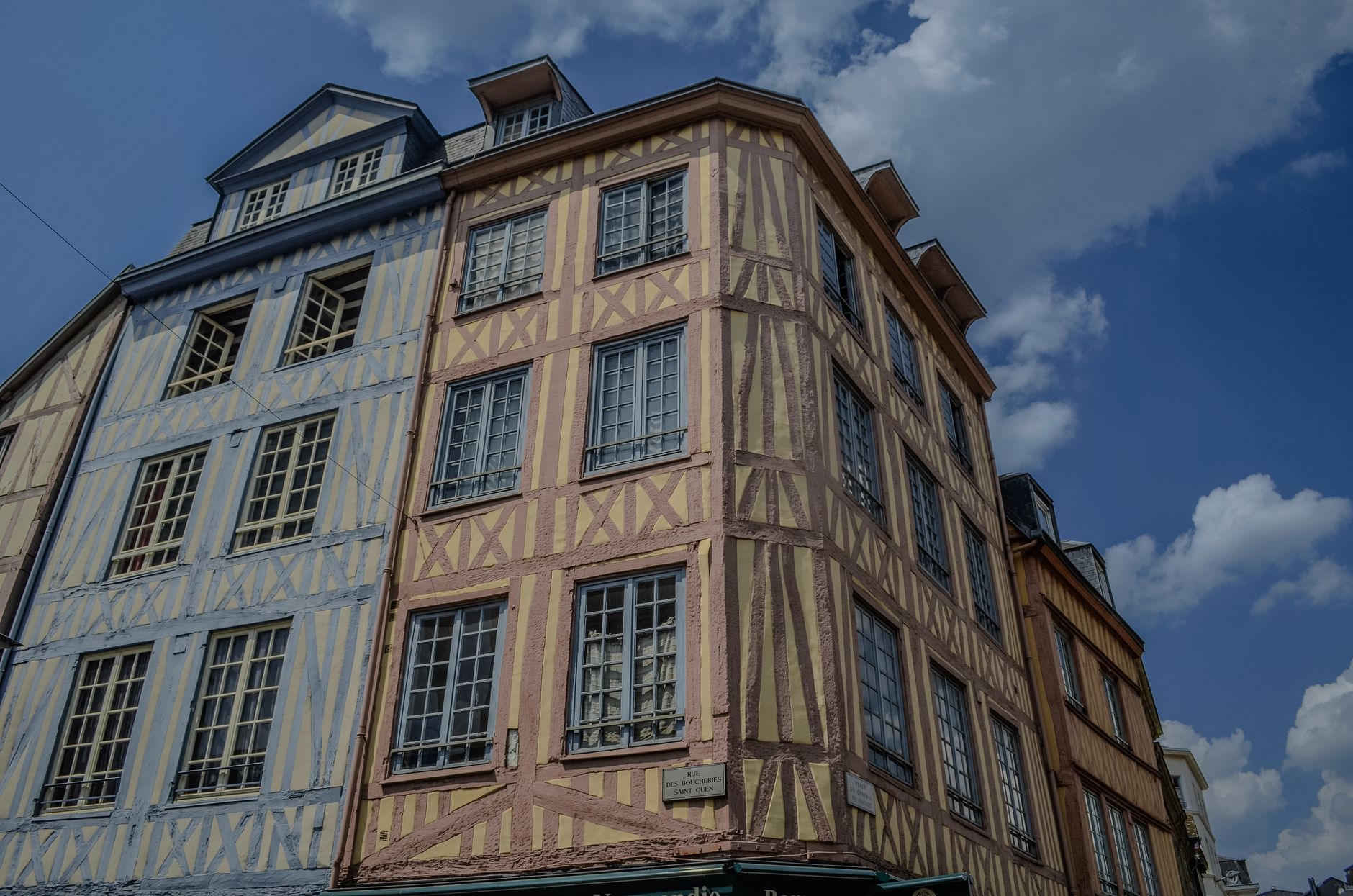

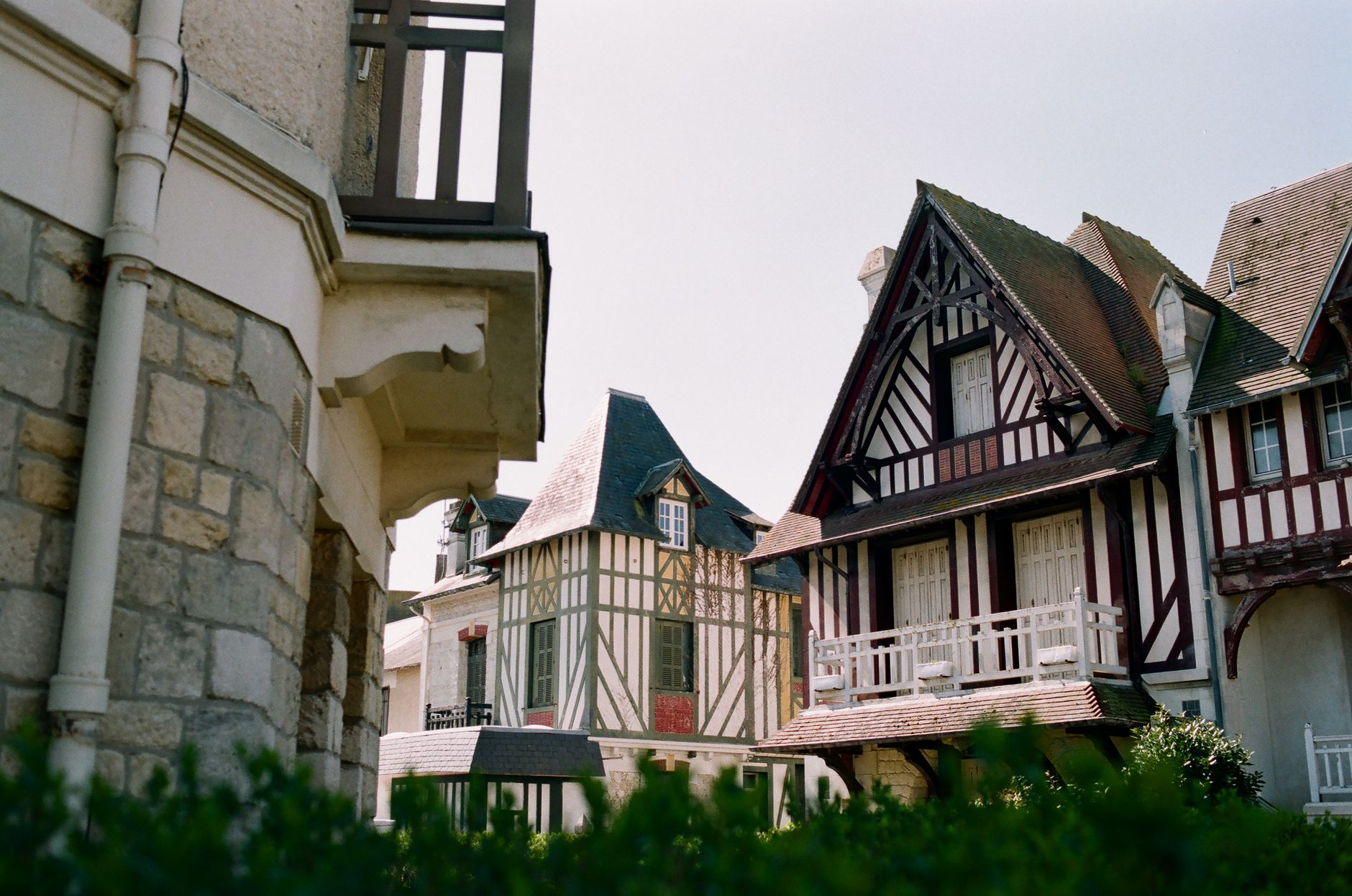
Rain strikes the zinc rooftops before the bells of Notre-Dame get going, ringing out across the tight grid of fourteenth-century timber facades. Down at street level, pedestrian Rue du Gros-Horloge channels the morning commuters past bakeries pulling buttery brioche du Robec from oven decks. You walk through layers of charred history, heavy cream, and cider. The city keeps its Gothic grandeur grounded with market sellers who take their Neufchâtel cheese deeply seriously.
Last updated 28 Aug 2026
Build a Rouen itinerary.
Choose up to 4 threads that pull you in. Your plan arrives organised around them.
The Bed
Where to stay in Rouen
Which part of town to book, and what each one costs you in walking, noise or quiet.
The Comparison
Rouen, or somewhere near it
The places you are realistically choosing between, and the honest case for each.
The Local Record
Where to read more about Rouen
The blogs, boards, guides and operators worth bookmarking.
What to do in Rouen Normandy France
Rouen centers on a compact, walkable core between the railway station and the Seine. Days here move comfortably between exploring soaring medieval churches, ducking into timber-framed courtyards, and lingering over butter-rich Norman cuisine at traditional bistros. It suits travellers who appreciate layered history, major art collections, and honest regional cooking without the frantic rush of the capital.
24 hours in Rouen Normandy France
Start early at the Cathédrale Notre-Dame before crowds arrive, then walk down Rue du Gros-Horloge to Place du Vieux-Marché. Grab lunch at a bistro for roast chicken with Pont-l'Évêque cheese sauce. Spend the afternoon inside Musée des Beaux-Arts, finishing with a glass of crisp dry cider on Rue Saint-Romain. Select 1 Day above to see it.
2 days in Rouen Normandy France
Devote day two to the Saint-Maclou district and its quiet timbered alleys. Visit the macabre courtyard at Aître Saint-Maclou, browse the antique shops along Rue Damiette, and cross the river to Saint-Sever for North African pastries or a classic dinner of pressed Rouen duck back on the right bank. Choose 2 Days to expand the plan.
3 days in Rouen Normandy France
A third day lets you head down the Seine valley. Rent a bicycle or take a local bus to the dramatic white stone ruins of Abbaye de Jumièges, stopping in nearby villages along the Route des Fruits to buy fresh cider, raw honey, and seasonal pears directly from farm gates.
Rouen Normandy France itineraries by interest
Gothic Architecture in Rouen Normandy France
Examine the flamboyant stonework at Saint-Maclou, the sculpted façade of Notre-Dame, and the quiet rib vaults inside Saint-Ouen abbey.
Regional Dining in Rouen Normandy France
Order pressed duck at La Couronne, followed by veal cooked with calvados, cream, and sliced apples in historic Place du Vieux-Marché.
Markets & Produce in Rouen Normandy France
Buy heart-shaped Neufchâtel, salt-marsh lamb, and fresh Reine Claude plums under the modern roof tents at Place du Vieux-Marché.
Cider & Spirits in Rouen Normandy France
Taste dry Pays d'Auge cider, bitter poiré from Domfront, and aged calvados brandies poured straight from oak casks in cellar bars.
Medieval Heritage in Rouen Normandy France
Walk beneath the gilded Renaissance astronomical clock on Rue du Gros-Horloge and inspect the carved wooden skulls at Aître Saint-Maclou.
Fine Arts in Rouen Normandy France
Study original Monet cathedral canvases, Caravaggio paintings, and regional faience collections inside the Musée des Beaux-Arts on Rue Rollon.
River Walks in Rouen Normandy France
Follow the paved promenade along the right bank of the Seine, watching cargo barges navigate past the historic Pont Boieldieu.
Local Bakeries in Rouen Normandy France
Queue for braided brioche du Robec, apple-filled chausson aux pommes, and chocolate-coated sugar tears known as larmes de Jeanne d'Arc.
Historic Trials in Rouen Normandy France
Stand where Joan of Arc was judged at the episcopal palace ruins, now housing the interactive Historial Jeanne d'Arc on Rue Saint-Romain.
Ironwork & Crafts in Rouen Normandy France
Discover six thousand historic locks, keys, and forged iron grilles housed in the former Gothic parish church at Musée Le Secq des Tournelles.
Antique Hunting in Rouen Normandy France
Browse mid-century glassware, copper cookware, and antique Norman armoires packed into shops along the cobbled Rue Damiette.
Day Trips in Rouen Normandy France
Drive thirty minutes west along the Seine meanders to explore the chalk cliffs, apple orchards, and ruined abbey towers of Jumièges.