Safi.
.jpg)


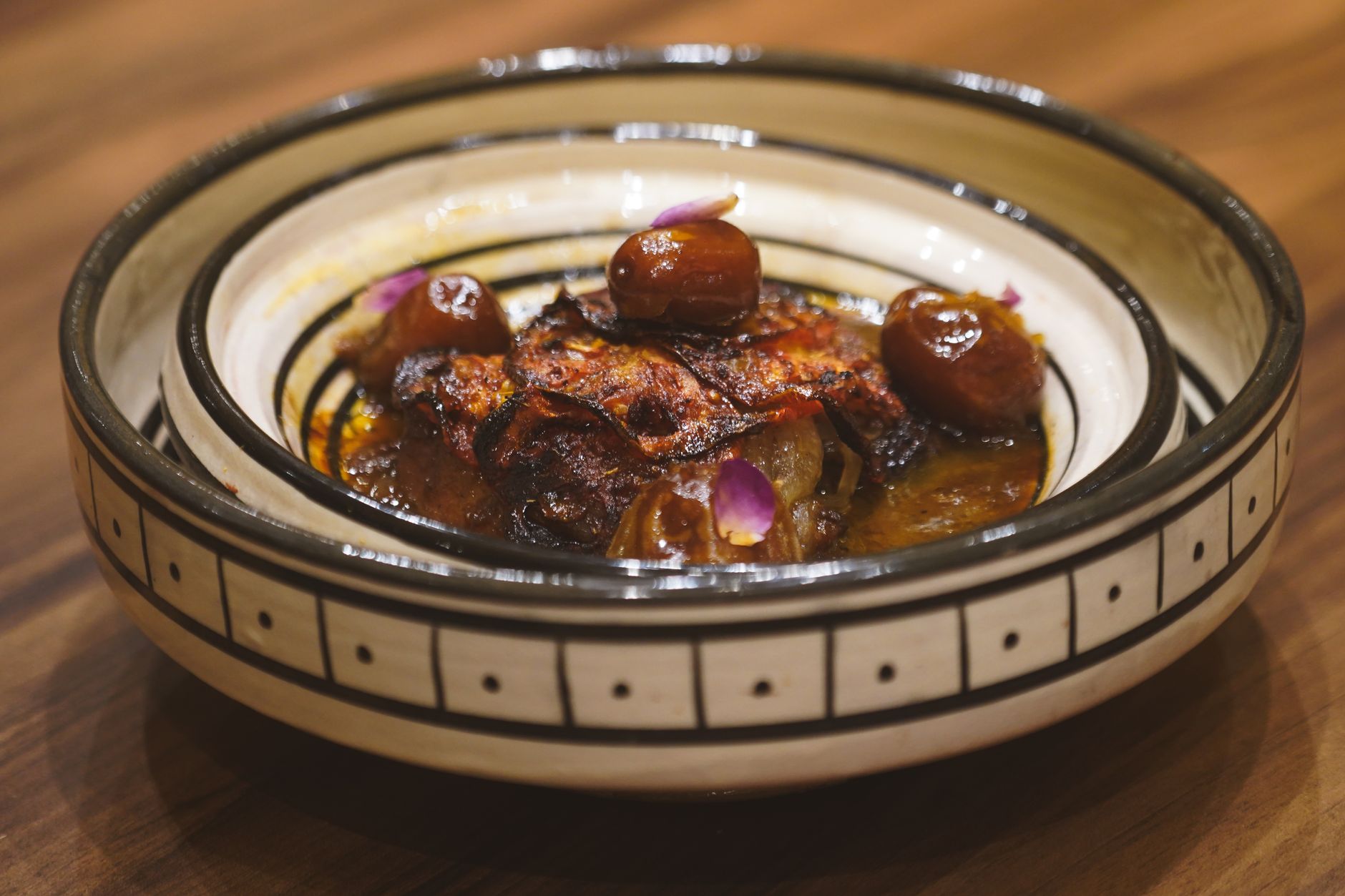

Safi sits two and a half hours south of Casablanca by train and two hours north of Essaouira by bus along the coast road. The town is built around Morocco’s oldest commercial sardine port and the wood-fired clay kilns of the Colline des Potiers. It feels industrial and lived-in rather than polished for postcards. Safi is worth visiting if you want to eat sardines grilled within sight of the trawlers and buy unpainted terracotta straight from master potters. Look elsewhere if you want boutique riads, broad swimming beaches, late-night bars, or a polished medina built for tourists.
Last updated 10 Sept 2026
Build a Safi itinerary.
Choose up to 4 threads that pull you in. Your plan arrives organised around them.
The Bed
Where to stay in Safi
Which part of town to book, and what each one costs you in walking, noise or quiet.
The Comparison
Safi, or somewhere near it
The places you are realistically choosing between, and the honest case for each.
The Local Record
Where to read more about Safi
The blogs, boards, guides and operators worth bookmarking.
What to do in Safi Atlantic Coast Morocco
Safi is a working port city shaped by ocean tides, sardine fleets, and centuries of pottery. A day here divides neatly between the hillside workshops of Colline des Potiers, the stone battlements of the medina, and smoke-filled fish shacks along the docks. It rewards travellers who prefer working grit and genuine craft over manicured tourist hubs.
24 hours in Safi Atlantic Coast Morocco
Start the morning observing clay throwers at Colline des Potiers before descending into the medina to see the Portuguese chapel. For lunch, take a plastic stool at the port for grilled sardines and tomato salad. Finish before sunset atop the Kechla ramparts overlooking the sea. Select 1 Day above to see it.
2 days in Safi Atlantic Coast Morocco
On your second day, drive ten minutes south to the breezy cliffs of Sidi Bouzid for coastal views and a leisurely lunch of baked sea bass. Spend the afternoon exploring the metalworkers and weavers of Souk Chaaba, ending with sweet mint tea and fried sfenj doughnuts near Bab Chaaba. Choose 2 Days to expand the plan.
3 days in Safi Atlantic Coast Morocco
A third day gives you time to head north on the R301 to the dramatic cliffs of Plage Lalla Fatna, followed by lagoon oysters in Oualidia. Return to Safi in the evening for a steaming clay pot of fish tajine scented with preserved lemons at a neighbourhood eatery off Place de l'Indépendance.
Safi Atlantic Coast Morocco itineraries by interest
Craft Traditions in Safi Atlantic Coast Morocco
Watch potters shape red clay on foot-powered wheels and fire cobalt-blue glazed tajines in hillside kilns at Colline des Potiers.
Local Seafood in Safi Atlantic Coast Morocco
Order charcoal-grilled sardines with cumin salt and chermoula, landed daily by wooden trawlers at the commercial fishing port.
Maritime History in Safi Atlantic Coast Morocco
Climb the sixteenth-century Portuguese sea fortress, Ksar El Bahr, standing directly against the crashing Atlantic breakers.
Old Town Walks in Safi Atlantic Coast Morocco
Navigate the shaded alleys of the medina towards the ruined Portuguese chapel and the imposing ramparts of the Kechla fortress.
Coastal Surfing in Safi Atlantic Coast Morocco
Ride the legendary right-hand point break at Ras Lâafaa, one of the fastest and most powerful tube waves along the Atlantic.
Markets & Produce in Safi Atlantic Coast Morocco
Browse Souk Chaaba for hand-beaten tinware, woven palm baskets, and seasonal Abda region vegetables sold directly by farmers.
Sacred Architecture in Safi Atlantic Coast Morocco
Visit the Great Mosque of Safi with its square minaret and the nearby historic Jewish sanctuary of Ouled Ben Zmirro.
Street Food in Safi Atlantic Coast Morocco
Eat freshly fried maakouda potato cakes tucked into warm khobz bread with harissa at simple stalls outside Bab Chaaba.
Coastal Drives in Safi Atlantic Coast Morocco
Drive the coastal route R301 south towards Sidi Bouzid to find clifftop viewpoints and wild stretches of Atlantic beach.
Day Trips in Safi Atlantic Coast Morocco
Head forty kilometres north to Oualidia for fresh lagoon oysters, quiet tidal channels, and sheltered swimming waters.
Regional Cooking in Safi Atlantic Coast Morocco
Taste Safi-style fish tajine cooked over charcoal with preserved lemon, green olives, and fresh coriander in local worker cafes.
Beaches & Coastlines in Safi Atlantic Coast Morocco
Walk the wide golden sands of Plage Lalla Fatna, backed by towering limestone cliffs fifteen kilometres north of the port.