Marrakesh.
.jpg)

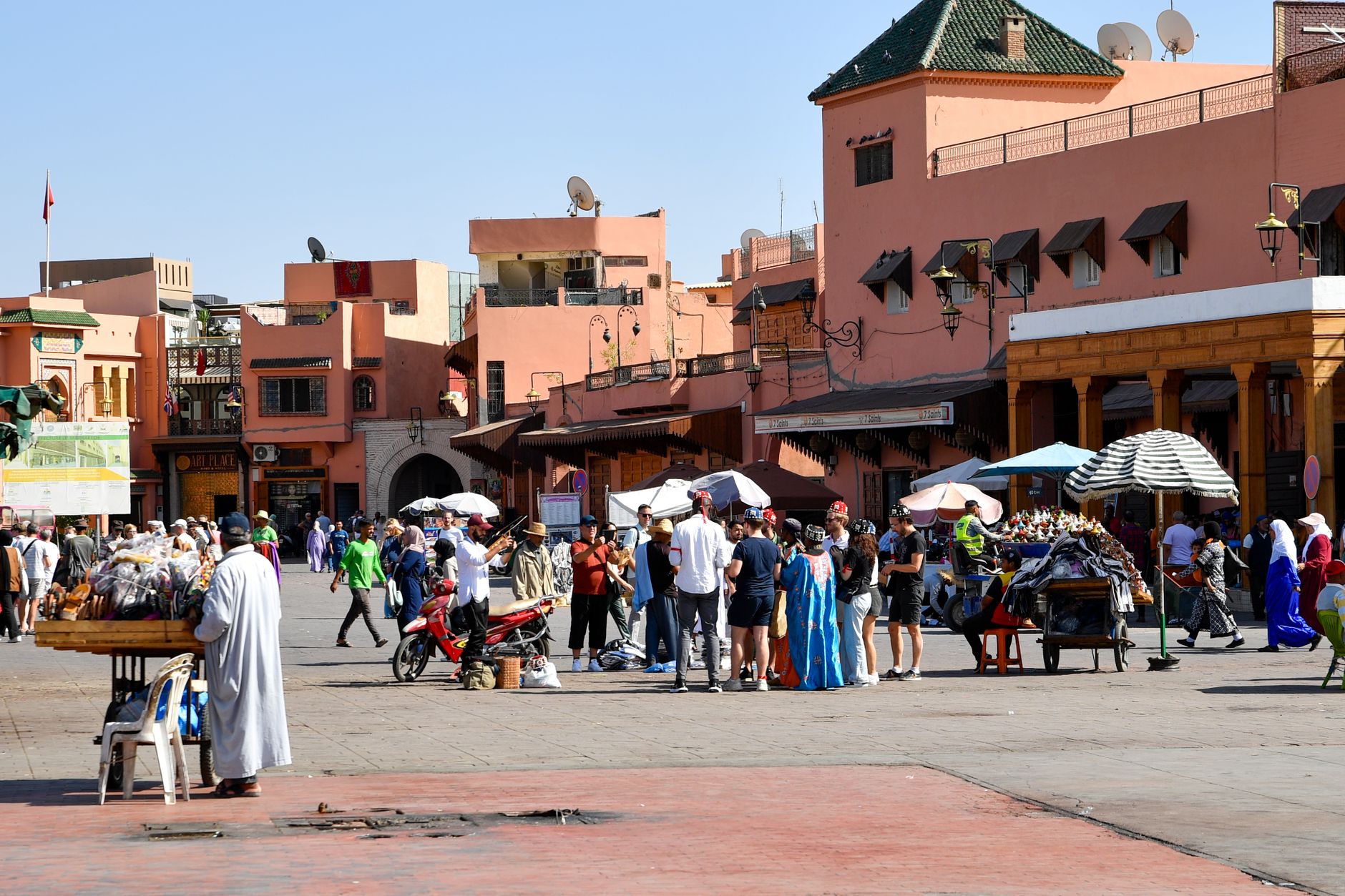
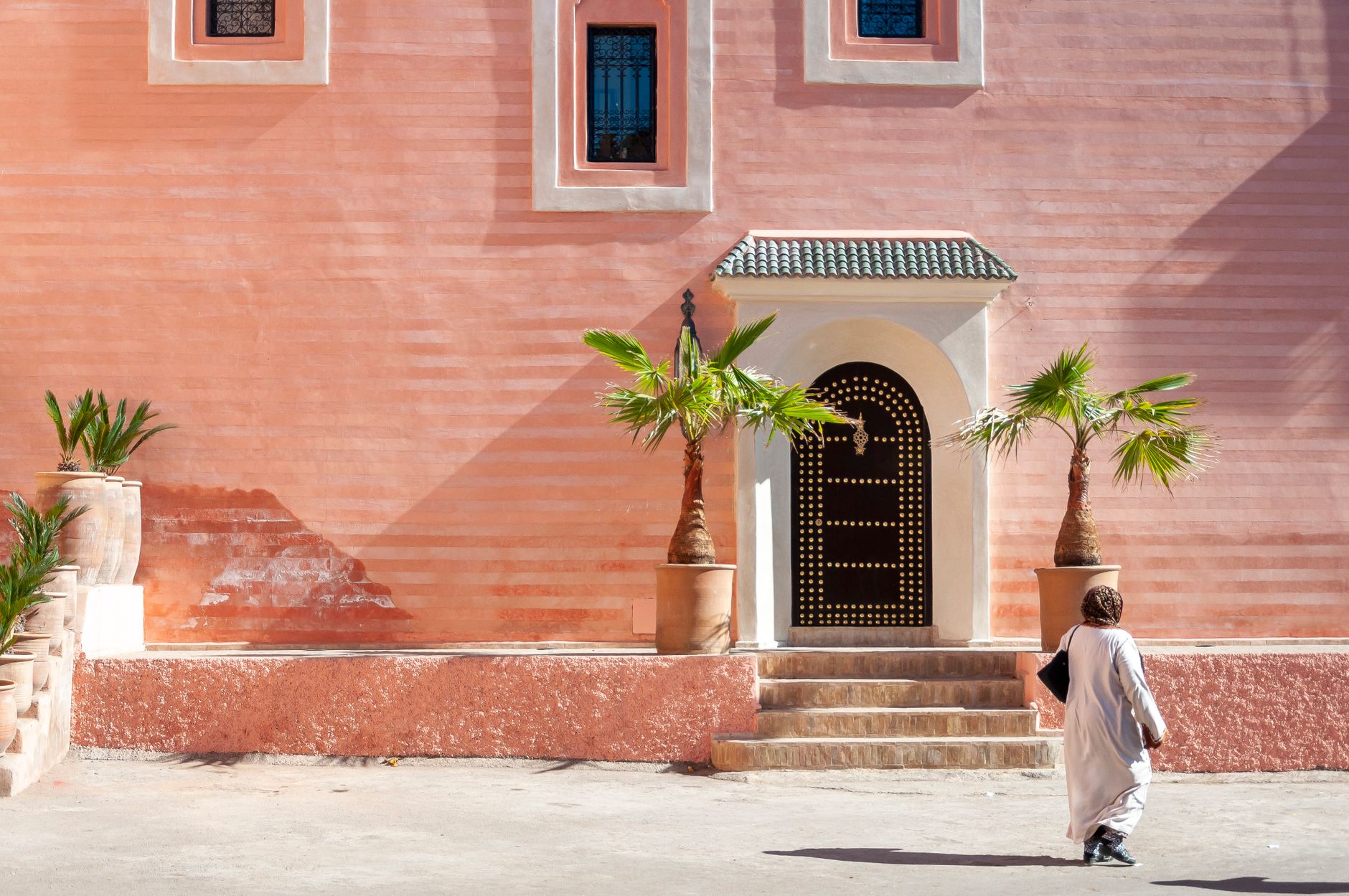
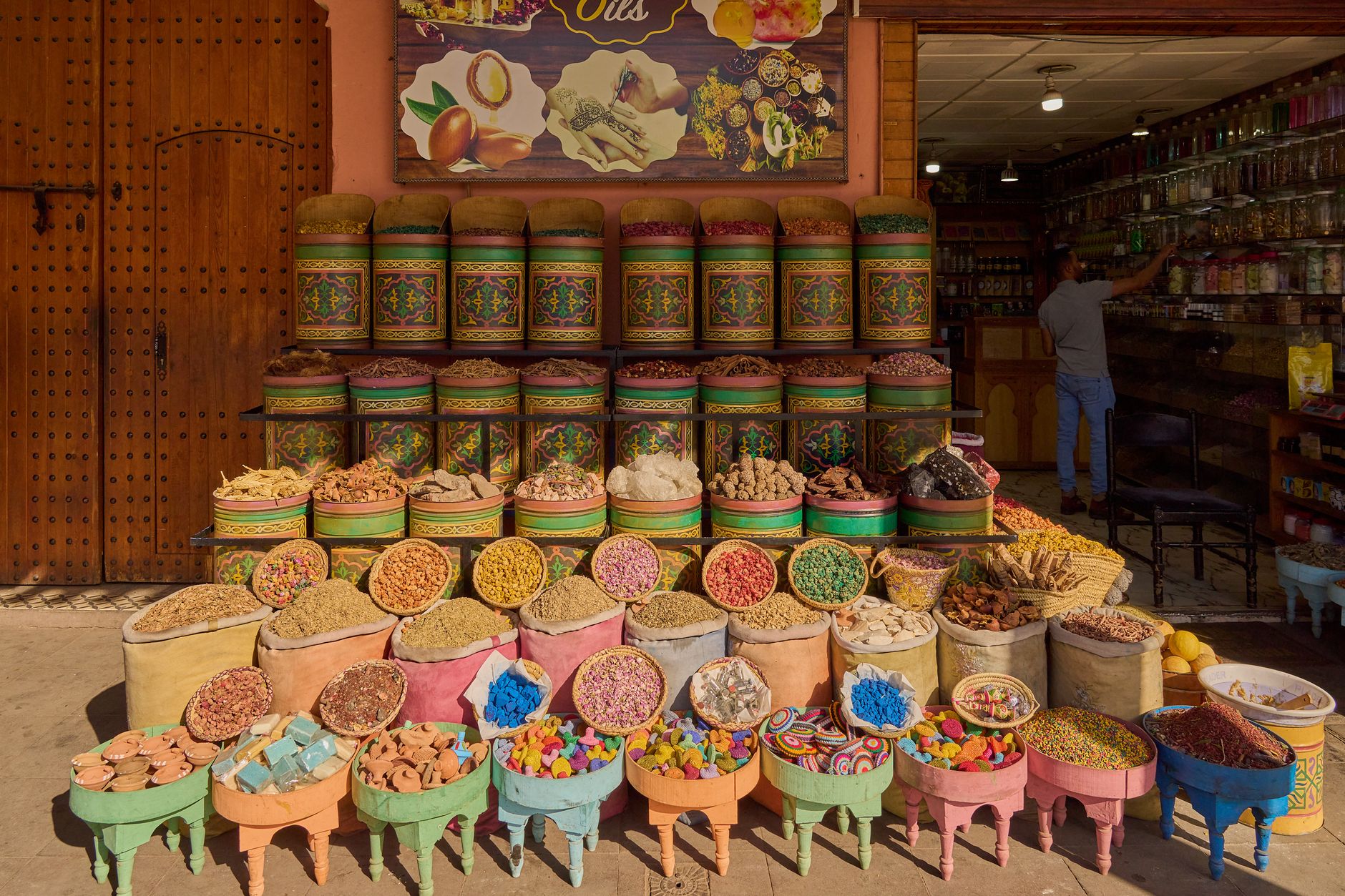
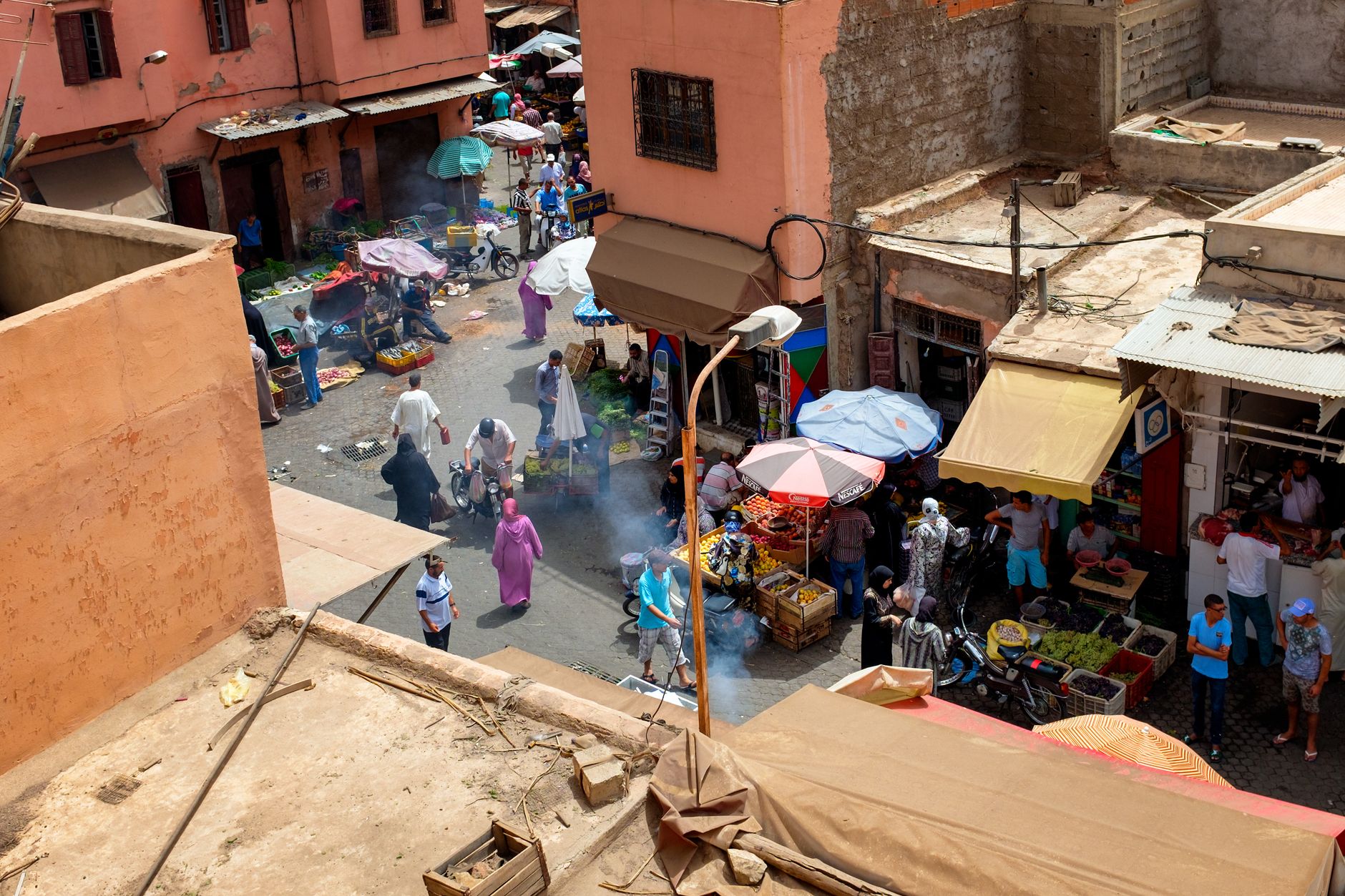
Located two and a half hours south of Casablanca by direct train, Marrakesh centers on its eleventh-century ramparts and the vast open theater of Jemaa el-Fnaa. The city is defined by its maze of artisan souks, Saadian-era tilework, and slow wood-fire cooking. Navigating the alleys requires sturdy shoes and modest patience with enthusiastic motorbikes. Marrakesh is worth visiting if you want to lose your bearings in a mediaeval market city and eat lamb roasted in deep clay pits under the alley floor. Look elsewhere if you want quiet pedestrian-only streets, low-pressure fixed-price shopping, or easy access to the coast.
Last updated 9 Sept 2026
Build a Marrakesh itinerary.
Choose up to 4 threads that pull you in. Your plan arrives organised around them.
The Bed
Where to stay in Marrakesh
Which part of town to book, and what each one costs you in walking, noise or quiet.
The Comparison
Marrakesh, or somewhere near it
The places you are realistically choosing between, and the honest case for each.
The Local Record
Where to read more about Marrakesh
The blogs, boards, guides and operators worth bookmarking.
What to do in Marrakesh Marrakesh & High Atlas Morocco
Life here divides neatly between the dense, red-walled medina and the wide, cafe-lined boulevards of French-built Gueliz. Mornings belong to courtyard palaces and quiet madrasas before the afternoon heat settles over the souks. By dusk, the entire city drifts toward Jemaa el-Fnaa as storytellers and grill carts take over the square. It suits anyone who enjoys walking on foot, bargaining politely, and trading tidy schedules for sensory immersion.
24 hours in Marrakesh Marrakesh & High Atlas Morocco
Begin at eight in the morning inside Ben Youssef Madrasa before the tour buses arrive. Pick up flaky msemmen pancakes nearby, then spend mid-afternoon browsing the spice stalls at Rahba Kedima. End the night at stall number 14 on Jemaa el-Fnaa for spiced tea and fried fish, all within twenty minutes on foot across the old centre. Select 1 Day above to see it.
2 days in Marrakesh Marrakesh & High Atlas Morocco
A second day lets you step into the Mellah to see Bahia Palace, followed by an afternoon in Gueliz for art galleries and cold beer at a pavement brasserie. Dine on beef tangia slow-cooked in a clay urn, then book an evening scrub at a local hammam near Bab Doukkala to rinse away the red clay dust. Choose 2 Days to expand the plan.
3 days in Marrakesh Marrakesh & High Atlas Morocco
Three days lets you escape the city walls entirely. Hire a driver for the ninety-minute run up into the High Atlas foothills around Imlil, walking mountain trails through walnut groves and eating Berber bread with thyme honey. Alternatively, head west for Atlantic sardines in Essaouira before catching the evening train back.
Marrakesh Marrakesh & High Atlas Morocco itineraries by interest
Street Food in Marrakesh Marrakesh & High Atlas Morocco
Watch whole sheep roast in underground clay ovens at Mechoui Alley, then order cumin-dusted lamb by the quarter-kilo with fresh khobz flatbread.
Historic Architecture in Marrakesh Marrakesh & High Atlas Morocco
Tour the 14th-century Ben Youssef Madrasa to see intricately carved cedarwood, stucco calligraphy, and geometric zellij ceramic tilework.
Craft Traditions in Marrakesh Marrakesh & High Atlas Morocco
Wander past ironmongers and leather tanners in Souk Semmarine, where artisans hammer brass lanterns and dye wool skeins in deep vats.
Public Gardens in Marrakesh Marrakesh & High Atlas Morocco
Walk the shaded paths of Jardin Majorelle among cobalt blue walls and giant cacti, or find quiet olive groves at the 12th-century Menara.
Sacred Architecture in Marrakesh Marrakesh & High Atlas Morocco
Admire the 77-metre minaret of the 12th-century Koutoubia Mosque from its surrounding rose gardens and listen for the call to prayer.
Regional Cooking in Marrakesh Marrakesh & High Atlas Morocco
Savour slow-simmered beef tangia cooked overnight in clay urns inside local hammam furnaces, paired with preserved lemons and saffron.
Royal Palaces in Marrakesh Marrakesh & High Atlas Morocco
Explore the Italian marble ruins of 16th-century El Badi Palace and the carved cedar ceilings of Bahia Palace in the Jewish quarter.
Modern Art in Marrakesh Marrakesh & High Atlas Morocco
Visit MACAAL in the southern suburbs and the Yves Saint Laurent Museum near Majorelle for contemporary African painting and textiles.
Mountain Hiking in Marrakesh Marrakesh & High Atlas Morocco
Take a ninety-minute taxi south into the High Atlas to trek past walnut orchards and stone Berber villages starting from Imlil.
Day Trips in Marrakesh Marrakesh & High Atlas Morocco
Ride ninety minutes south to the Ourika Valley for riverside tagines, or three hours west to the windy Atlantic ramparts of Essaouira.
Markets & Produce in Marrakesh Marrakesh & High Atlas Morocco
Browse Rahba Kedima for fresh mint, ras el hanout spice blends, dried rosebuds, and hand-woven reed baskets from southern desert oases.
Spa & Bathhouse in Marrakesh Marrakesh & High Atlas Morocco
Experience a traditional public or riad hammam for a thorough scrub with black olive soap, eucalyptus steam, and argan oil treatments.