

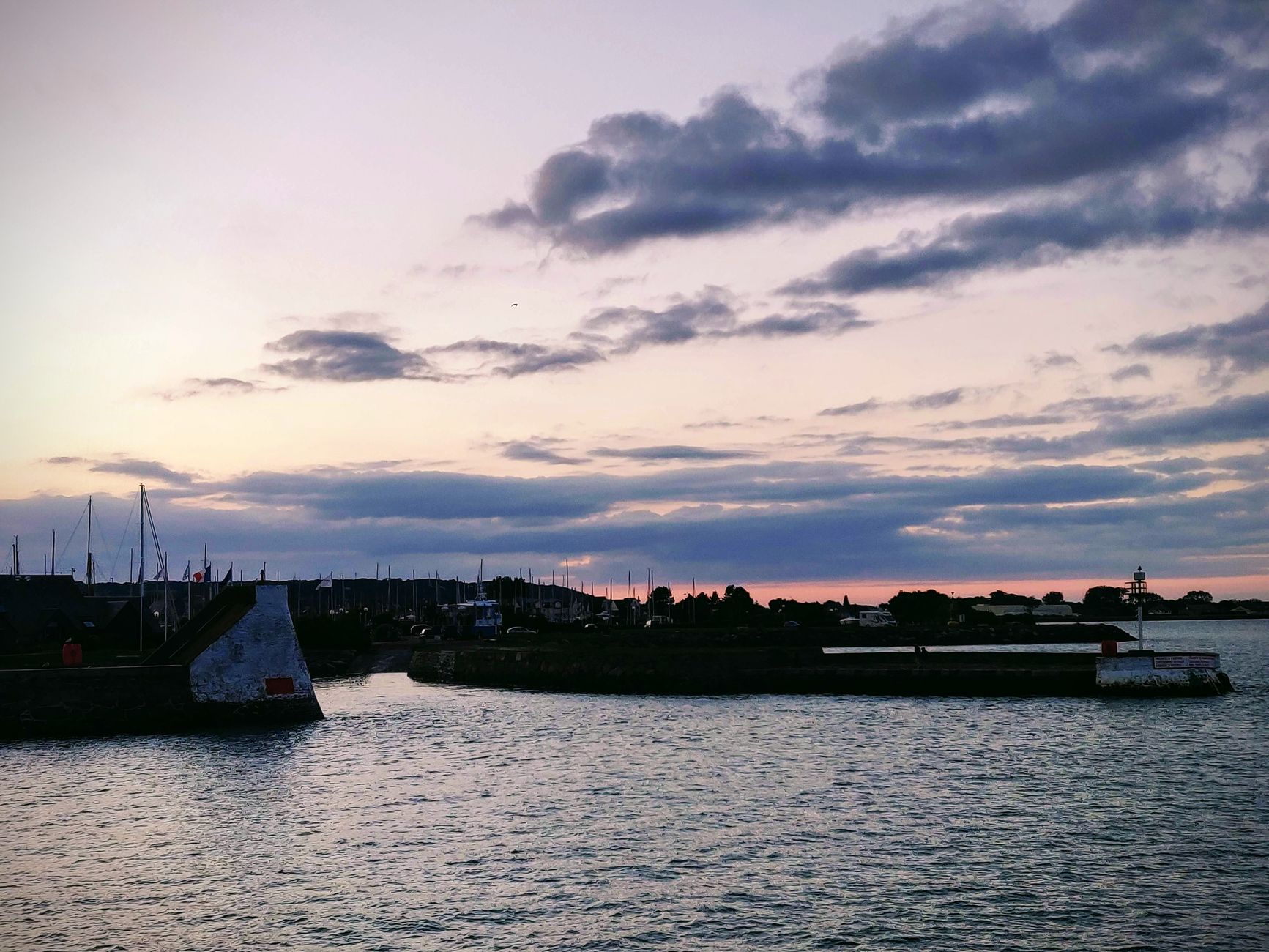
Thirty kilometres east of Cherbourg, Saint-Vaast-la-Hougue is a stone fishing port known for its oyster beds and twin seventeenth-century Vauban towers. The harbor empties with the tide, leaving workboats resting in the silt and tractors rolling across the flats. Saint-Vaast-la-Hougue is worth visiting if you want fresh oysters at the quay and salt-air walks to tidal islands. Look elsewhere if you need sandy resort beaches, warm swimming water, or lively nightlife.
Last updated 31 Oct 2026
Build a Saint-Vaast-la-Hougue itinerary.
Choose up to 4 threads that pull you in. Your plan arrives organised around them.
The Bed
Where to stay in Saint-Vaast-la-Hougue
Which part of town to book, and what each one costs you in walking, noise or quiet.
The Comparison
Saint-Vaast-la-Hougue, or somewhere near it
The places you are realistically choosing between, and the honest case for each.
The Local Record
Where to read more about Saint-Vaast-la-Hougue
The blogs, boards, guides and operators worth bookmarking.
What to do in Saint-Vaast-la-Hougue Normandy France
Life in Saint-Vaast-la-Hougue hugs the harbour basin. Days start with the rumble of tractors heading out to the oyster beds and end with carafes of cider along Quai Vauban. The town suits travellers who enjoy unhurried maritime rhythms, stone quays, and serious shellfish. It is flat, easily walkable, and deeply tied to the working sea.
24 hours in Saint-Vaast-la-Hougue Normandy France
Spend your morning catching the amphibious boat to Île Tatihou to climb the Vauban tower and see the gardens. Return for a lunch of dozen local oysters and whelks on the harbour. In the late afternoon, walk the seawall around Fort de la Hougue before browsing the spice and wine shelves at Maison Gosselin on Rue de Verrüe. Select 1 Day above to see it.
2 days in Saint-Vaast-la-Hougue Normandy France
Your second day opens up the Val de Saire. Take the ten-minute coastal drive north to Barfleur for a lunch of wild mussels cooked in cream and cider. Spend the afternoon wandering past the stone cottages and harbor, then continue to the Gatteville lighthouse to take in views of the rocky headland. Choose 2 Days to expand the plan.
3 days in Saint-Vaast-la-Hougue Normandy France
A third day allows for a proper loop of the northern Cotentin peninsula. Drive forty minutes west toward the dramatic cliffs of Cap de la Hague and the dunes of Biville. Return inland through cider orchards, stopping at farm gates to buy raw-milk butter and Calvados directly from producers.
Saint-Vaast-la-Hougue Normandy France itineraries by interest
Local Seafood in Saint-Vaast-la-Hougue Normandy France
Crack open meaty Cotentin hollow oysters with rye bread, salted Isigny butter, and local bulots mayonnaise ordered right from the fishing quays.
Military Architecture in Saint-Vaast-la-Hougue Normandy France
Inspect UNESCO-listed artillery towers built by Vauban in 1694 at Fort de la Hougue and on Île Tatihou to defend against British naval raids.
Coastal Walks in Saint-Vaast-la-Hougue Normandy France
Follow the GR 223 trail along the granite seawalls and low-tide shallows, where tractor tracks cross wet sand toward the oyster parks.
Markets & Groceries in Saint-Vaast-la-Hougue Normandy France
Browse Saturday market stalls for Pont-l'Évêque cheese, cider, and brioche, or visit the historic Maison Gosselin grocery on Rue de Verrüe.
Island Day Trips in Saint-Vaast-la-Hougue Normandy France
Catch the amphibious craft or walk the exposed seafloor at low water to Île Tatihou to tour the maritime museum and botanical gardens.
Local Drinks in Saint-Vaast-la-Hougue Normandy France
Sample dry Cotentin AOP cider, aged Calvados brandy, and pommeau from nearby orchard presses along the Val de Saire rural routes.
Harbour Life in Saint-Vaast-la-Hougue Normandy France
Watch wooden trawlers unload sea bass and mackerel at the Quai Vauban while fishermen mend nets before the evening tide turns.
Village Touring in Saint-Vaast-la-Hougue Normandy France
Drive fifteen minutes north to Barfleur to see granite fishermen cottages clustered around the medieval church of Saint-Nicolas.
Lighthouse Walks in Saint-Vaast-la-Hougue Normandy France
Head up to Gatteville lighthouse, climb all 365 steps of the granite column, and look across the rocky rip currents of the Channel.
Traditional Baking in Saint-Vaast-la-Hougue Normandy France
Pick up warm Norman brioche, sablés biscuits, and crusty baguettes from village bakeries along Rue Maréchal Foch for your coastal hike.
Botanical Gardens in Saint-Vaast-la-Hougue Normandy France
Explore the sheltered microclimate gardens on Île Tatihou, where maritime shrubs and exotic coastal species thrive inside the old lazaret.
Tidal Exploring in Saint-Vaast-la-Hougue Normandy France
Strap on rubber boots at low tide to comb the sandy flats of the bay for wild cockles and clams beside the oyster cultivation tables.