


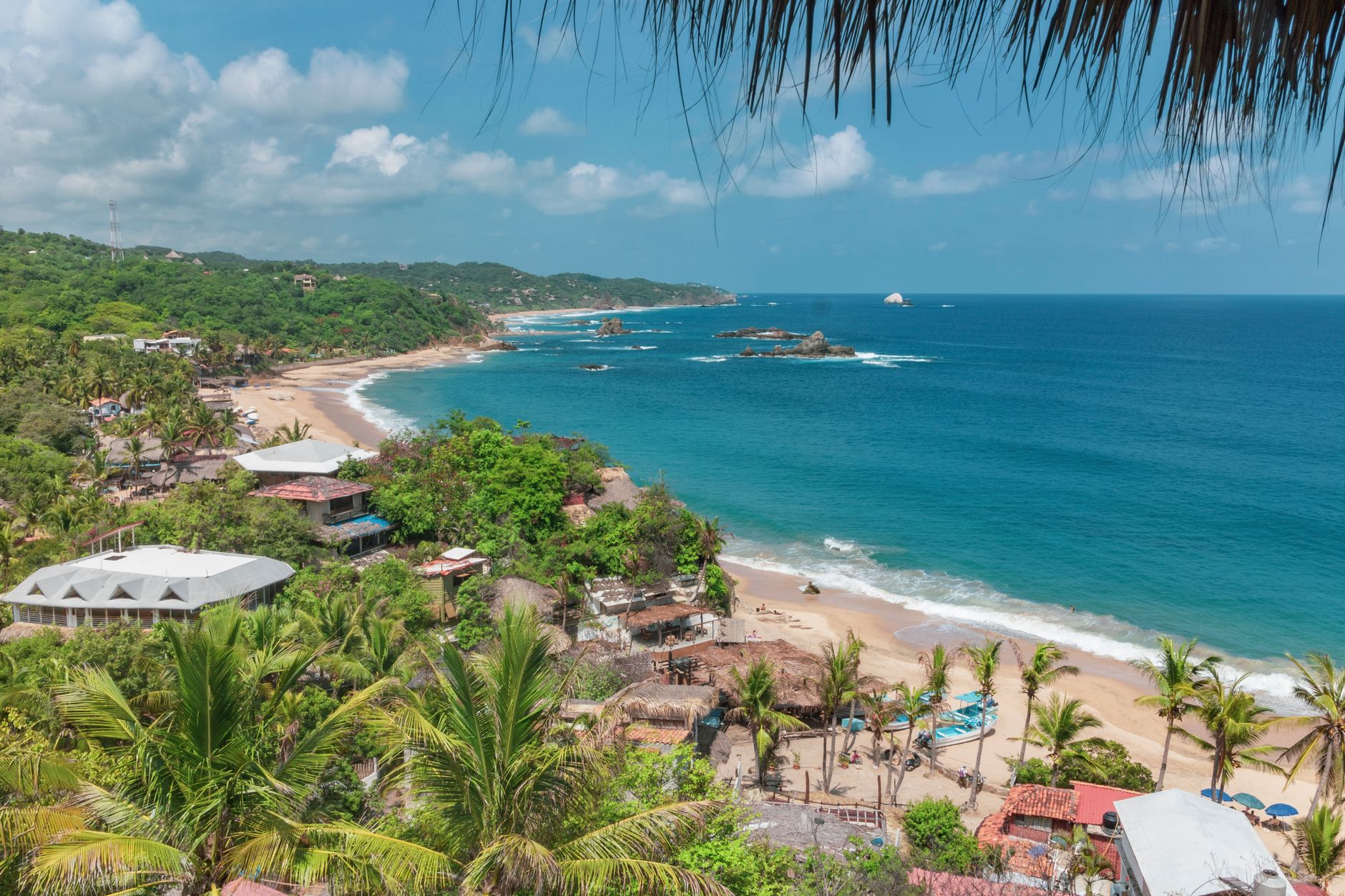

San Pancho sits forty kilometres north of Puerto Vallarta airport, reachable in under an hour along Highway 200. The town is known for its wide Pacific surf break, arts-focused community projects, and a single main street running straight to the sand. San Pancho is worth visiting if you want unhurried beach days, community workshops, and fresh seafood from open-air kitchens. Look elsewhere if you want high-energy nightclub strips, resort towers, or gentle swimming water without undertows.
Last updated 16 Sept 2026
Build a San Pancho itinerary.
Choose up to 4 threads that pull you in. Your plan arrives organised around them.
We'll craft a 4-lens plan for San Pancho, one collapsible strand per lens.
Birdwatching
Walk the estuary lagoon at sunrise to spot military macaws, roseate spoonbills, and green kingfishers feeding in the coastal mangroves.
Birdwatching
Walk the estuary lagoon at sunrise to spot military macaws, roseate spoonbills, and green kingfishers feeding in the coastal mangroves.
Estuary Birdwatching at Dawn
Estero de San Pancho
Wander the dirt trail along the lagoon out toward the sandbar. You will spot herons without trying, but a five-dollar field guide from the plaza helps.
Editor TipThe brackish estuary serves as a crucial stopover on the Pacific Flyway, hosting over three hundred resident and migratory species between river and sea. Keep your shadow behind you along the marsh edge so you do not flush the wood storks.
Canopy Birdwatching Hike
Cerro del Mono Trailhead
The two-hour round trip through subtropical forest costs nothing. Start early from Higuera Blanca's plaza to beat the heat, keeping eyes peeled for military macaws and motmots.
Editor TipThis volcanic ridge borders the Sierra de Vallejo biosphere, where over three hundred resident and migratory bird species converge along the Nayarit coast. Wear sturdy trail shoes. The final scramble over granite boulders requires both hands and modest humility.
Coastal Ridge Birdwatching Walk
Sendero Las Minitas
Take a 15-minute taxi north to Lo de Marcos. Follow the dirt track south toward Playa Las Minitas; allow two relaxed hours with binoculars.
Editor TipThe littoral forest and estero edge shelter over three hundred bird species along this coast, including the endemic Sinaloa wren, lineated woodpeckers, and wintering painted buntings. Wear sturdy shoes for the dry ridge section; the sea breeze drops the moment you turn inland.
Craft Markets
Browse the weekly Tuesday artisan market in Plaza del Sol for handwoven Wixarika beadwork, regional honey, and local ceramics.
Craft Markets
Browse the weekly Tuesday artisan market in Plaza del Sol for handwoven Wixarika beadwork, regional honey, and local ceramics.
Wixarika Beading and Upcycled Crafts
Centro Comunitario Entreamigos
Enter through the open courtyard on Calle México. Browse the artisan eco-design shop and printmaking studios for an hour; credit cards are taken, but cash keeps things simple.
Editor TipLocal indigenous Wixarika craftspeople use beeswax and glass chaquira beads to encode sacred mythology, while the non-profit hub anchors the village through education and recycled art. Ask staff about the library's daily workshops before buying. The upstairs gallery bench has great shade and a cool breeze.
Local Seafood
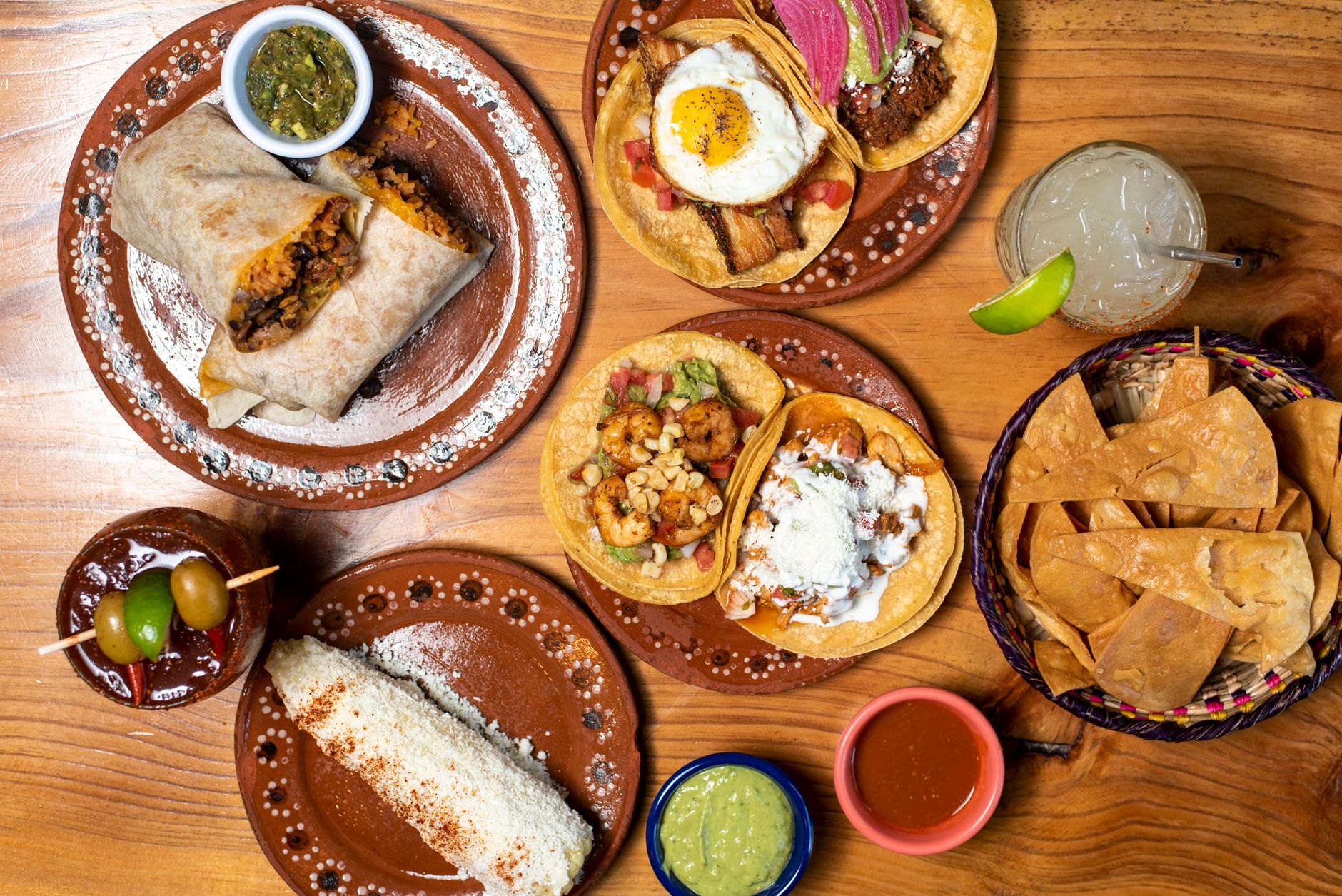
Order red snapper pescado zarandeado grilled over mangrove wood, fresh dorado ceviche, and aguachile verde with serrano chiles along the beach.
Local Seafood
Order red snapper pescado zarandeado grilled over mangrove wood, fresh dorado ceviche, and aguachile verde with serrano chiles along the beach.
Pacific Lime-Cured Aguachile
Las Palmas
Settle into a shaded chair by eleven for raw Pacific shrimp cured in lime, cucumber, and chiltepin. No reservations; pay cash at the counter.
Editor TipNayarit aguachile relies on raw simplicity: day-boat shellfish snapped cold against fiery local chilies and salt, an essential coastal staple. Request the green aguachile over the red if you want bright serrano crunch rather than dried chile heat.
Wood-Grilled Pescado Zarandeado
Restaurante Las Palmas
Claim a beachfront table before dusk. Order the whole red snapper brushed with spiced achiote paste; expect to pay around 450 pesos for a fish that easily serves two.
Editor TipPescado zarandeado originated along Nayarit's coast centuries ago, using mangrove wood and slow smoke to preserve the delicate sweetness of fresh Pacific reef catches. Ask what the local panga boats brought in this morning before you commit to the weight on the scale.
Dockside Sierra Ceviche
Mercado del Mar La Cruz de Huanacaxtle
Wander the open-air marina slips where panga skiffs unload yellowfin and mahi-mahi. Pick up a freshly tossed cup of minced sierra mackerel ceviche with lime for about sixty pesos.
Editor TipLa Cruz remains a working fishing village where daily artisanal gillnet catches supply regional kitchens before the midday heat sets in. Bring small cash notes. The fishermen filleting dorado at the rear counters will gladly point you to the morning's best catch.
Wood-Grilled Snapper on the Sand
Restaurante El Coral
Claim a plastic chair on the sand. Order the red snapper zarandeado by weight; it takes forty minutes on the mangrove charcoal, giving you time to settle in.
Editor TipPescado zarandeado is Nayarit's defining coastal ritual, splitting whole wild fish along the spine before bathing it in achiote, soy, and dried chilies over open wood fires. Tell the cook you want the skin crisp; you will get the blackened, sweet garlic bits everyone fights over.
Note from the Editor
“San Pancho runs on coastal time, but birds and fishermen do not. Start early at the lagoon before the heat thickens, and keep small peso notes ready for morning stalls.”
The Bed
Where to stay in San Pancho
Which part of town to book, and what each one costs you in walking, noise or quiet.
The Comparison
San Pancho, or somewhere near it
The places you are realistically choosing between, and the honest case for each.
The Local Record
Where to read more about San Pancho
The blogs, boards, guides and operators worth bookmarking.
What to do in San Pancho Nayarit Mexico
San Pancho revolves around Avenida Tercer Mundo, a paved spine lined with coffee counters and taco stands that ends abruptly where the Pacific surf begins. Days follow the light: early surfs, quiet afternoons browsing eco-workshops and local galleries, and sunset gatherings on the sand. It suits independent travellers who value a genuine neighbourhood pace over manicured resort amenities.
24 hours in San Pancho Nayarit Mexico
Grab a fresh mango pastry on Avenida Tercer Mundo, then watch the morning surf on the main beach. Spend the midday heat touring the Entreamigos cultural centre before ordering ceviche de pescado at an open-air palapa. Finish with tacos al pastor by Plaza del Sol as the sun drops. Select 1 Day above to see it.
2 days in San Pancho Nayarit Mexico
A second day lets you hike the coastal jungle path to Playa Clavellinas for calm morning tides. Spend the afternoon watching a match at La Patrona Polo Club, followed by a wood-grilled zarandeado fish dinner on the quiet northern end of the beachfront. Choose 2 Days to expand the plan.
3 days in San Pancho Nayarit Mexico
Three days unlock the wider Riviera Nayarit coast. Take an early morning birdwatching boat through the San Blas mangroves or hike up Cerro del Mono for sweeping ocean vistas, returning in time for live acoustic music and raicilla cocktails in town.
San Pancho Nayarit Mexico itineraries by interest
Local Seafood in San Pancho Nayarit Mexico
Order red snapper pescado zarandeado grilled over mangrove wood, fresh dorado ceviche, and aguachile verde with serrano chiles along the beach.
Surfing in San Pancho Nayarit Mexico
Catch the left reef break on Playa San Pancho, or take beginner board lessons on the sandy sections during smaller morning swells.
Community Projects in San Pancho Nayarit Mexico
Tour the Entreamigos community center on Calle Latino America to see local recycling workshops, art libraries, and sustainable craft spaces.
Birdwatching in San Pancho Nayarit Mexico
Walk the estuary lagoon at sunrise to spot military macaws, roseate spoonbills, and green kingfishers feeding in the coastal mangroves.
Street Food in San Pancho Nayarit Mexico
Eat al pastor tacos from street carts off Avenida Tercer Mundo, topped with roasted pineapple, white onion, and charred tomatillo salsa.
Equestrian Sports in San Pancho Nayarit Mexico
Watch weekend polo matches and dressage demonstrations at La Patrona Polo Club, framed by palms along the eastern river valley.
Jungle Trails in San Pancho Nayarit Mexico
Hike shaded dirt tracks through the Sierra Madre foothills toward secluded coves like Playa Clavellinas and hillside viewpoints.
Craft Markets in San Pancho Nayarit Mexico
Browse the weekly Tuesday artisan market in Plaza del Sol for handwoven Wixarika beadwork, regional honey, and local ceramics.
Live Music in San Pancho Nayarit Mexico
Catch acoustic son jarocho, jazz, and cumbia sets at intimate courtyard bars and open-air beachfront stages after sunset.
Wildlife Conservation in San Pancho Nayarit Mexico
Join evening volunteer patrols with the local sea turtle nursery to help release newly hatched olive ridley turtles safely into the surf.
Coastal Walks in San Pancho Nayarit Mexico
Stroll the quiet northern headlands at low tide to explore tide pools and watch brown pelicans diving along rocky Pacific bluffs.
Yoga & Wellness in San Pancho Nayarit Mexico
Practice morning vinyasa in open-air wooden palapas surrounded by tropical garden foliage and ocean breezes along the village edge.