

Sitting 50 minutes southeast of Tepic and two hours from Guadalajara, Santa María del Oro is defined by a deep volcanic crater lake and the open-air palapa restaurants ringing its western shore. Life here moves around the water and the fryers turning out crisp chicharrón de pescado. Santa María del Oro is worth visiting if you want quiet lake swimming, honest regional cooking, and unhurried days along a volcanic rim. Look elsewhere if you want late-night bars, walkable colonial avenues, or Pacific surf.
Last updated 12 Oct 2026
Build a Santa María del Oro itinerary.
Choose up to 4 threads that pull you in. Your plan arrives organised around them.
We'll craft a 4-lens plan for Santa María del Oro, one collapsible strand per lens.
Local Seafood
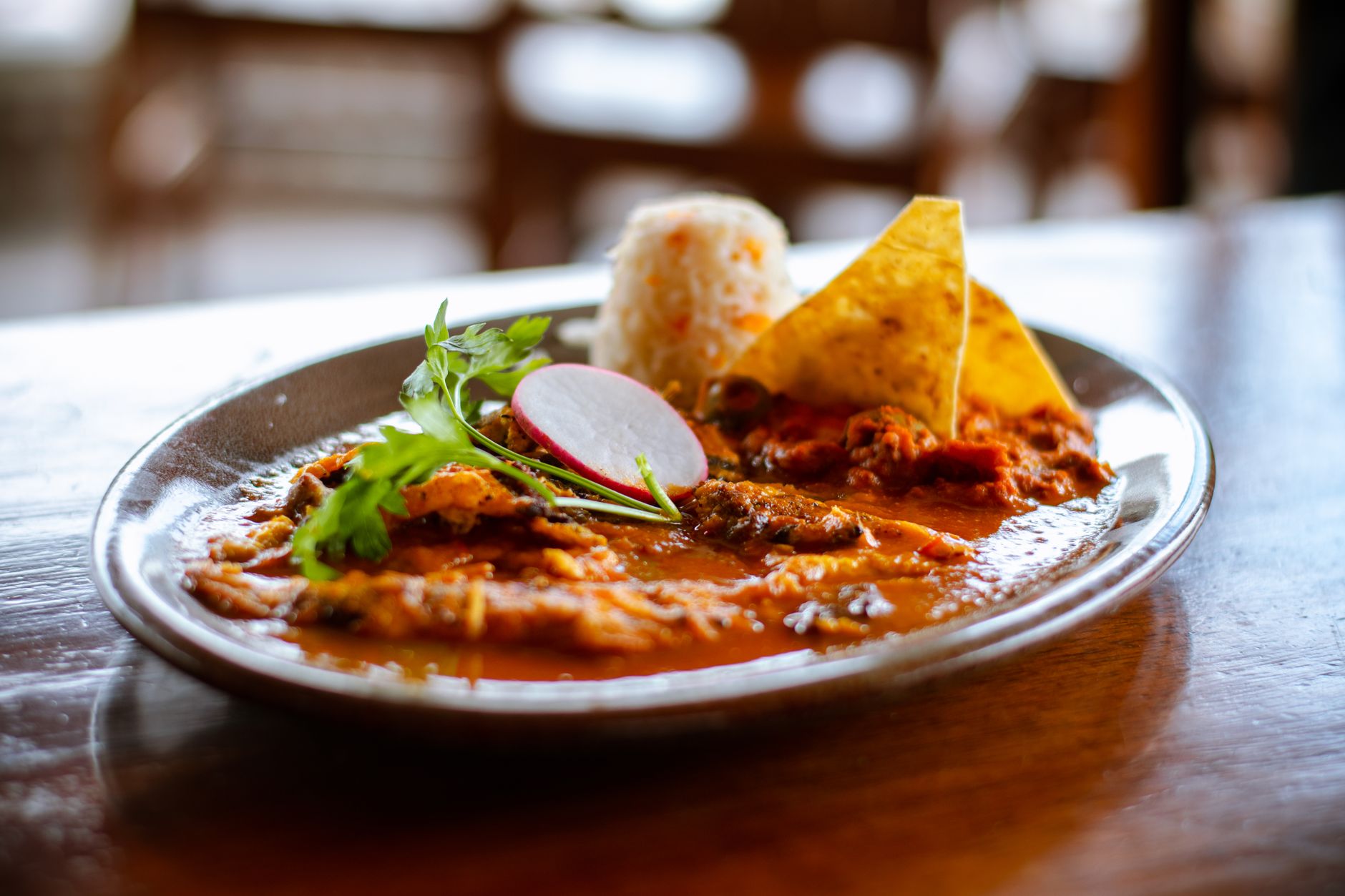
Deep-fried tilapia served as chicharrón de pescado with warm tortillas, salsa huichol, lime, and cold Pacifico at the open-air palapas along the lake rim.
Local Seafood
Deep-fried tilapia served as chicharrón de pescado with warm tortillas, salsa huichol, lime, and cold Pacifico at the open-air palapas along the lake rim.
Caldera Swimming and Fish Chicharrón
Restaurante El Pescador
Claim a shaded dockside table, swim in the deep mineral water off the pier, and order crispy chicharrón de pescado with lime. Budget 400 pesos for two.
Editor TipThis volcanic caldera lake shifts colour with the minerals and algae, while lakeside cooks have perfected deep-frying local tilapia into golden, crackling nuggets for decades. The lake floor drops off fast, so stick to the wooden ladder at the dock if you are not a confident open-water swimmer.
Caldera Swimming and Fried Tilapia
Restaurante El Caracol
Swim straight off the wooden dock, then order the chicharrón de pescado, crisp fried lake tilapia served with lime and hot salsa. Allow two leisurely hours. Cash is preferred.
Editor TipSanta María del Oro sits inside a volcanic crater lake. For generations, lakeside palapas have prepared tilapia in seasoned cornstarch and lard, creating a distinct regional staple. The mineral water is warm and buoyant, but bring water shoes if you prefer avoiding soft lakebed silt near the shore.
Regional Cooking
Wood-fired handmade corn tortillas, birria de chivo, capirotada during Lent, and local cheeses produced in the surrounding agricultural valleys of Nayarit.
Regional Cooking
Wood-fired handmade corn tortillas, birria de chivo, capirotada during Lent, and local cheeses produced in the surrounding agricultural valleys of Nayarit.
Market Broth and Pressed Masa
Mercado Municipal Santa María del Oro
Take a counter stool by 8:30 AM for a bowl of slow-simmered goat birria with fresh tortillas. Pay around 110 pesos in cash; allow forty-five minutes.
Editor TipNayarit highland birria balances dried ancho chilies with wild oregano and tomato broth, sustaining local ranchers who gather here every morning. Ask for extra pickled red onions from the glass jar on the counter to cut through the rich broth.
Town Squares
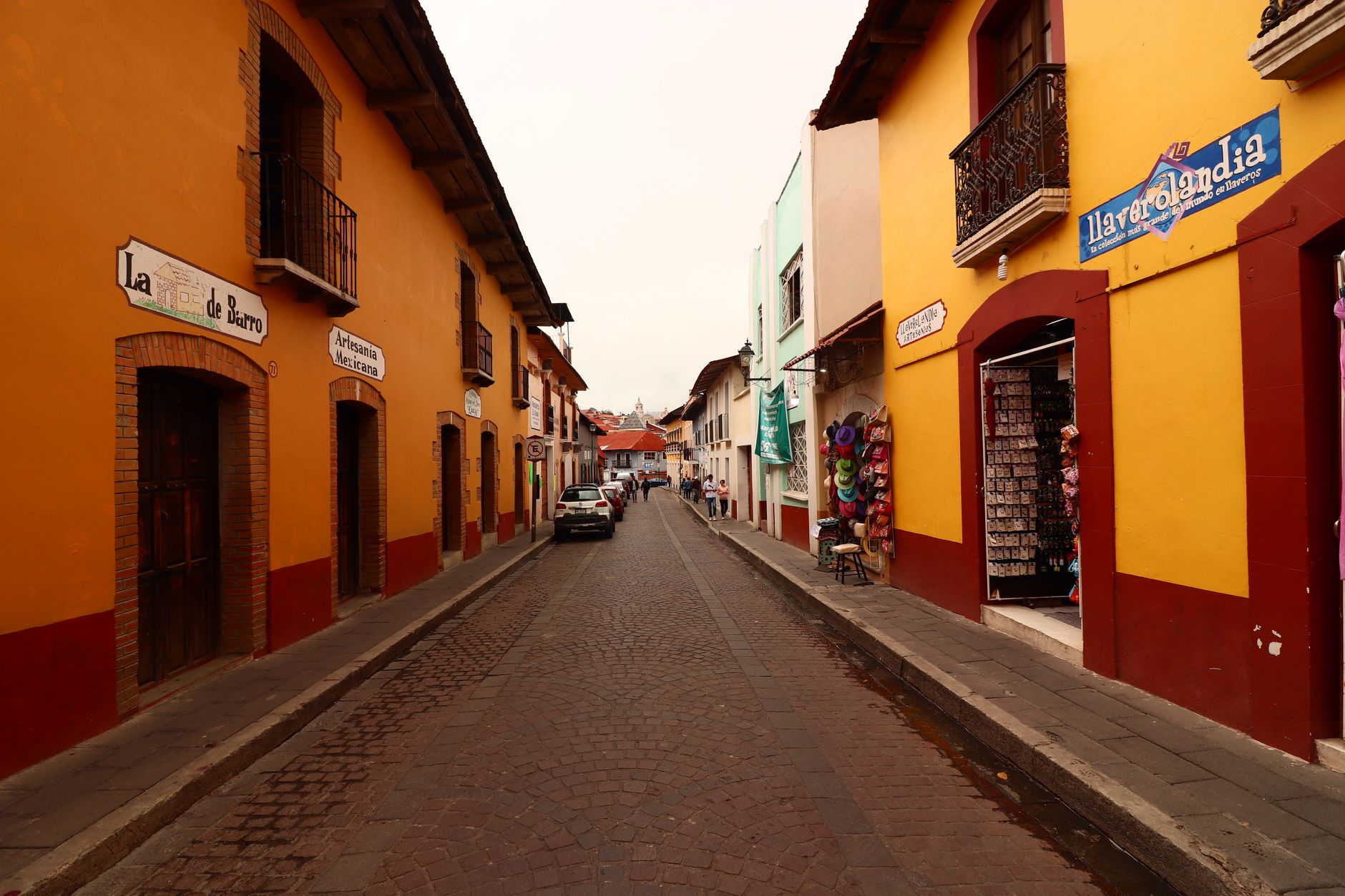
The sleepy municipal plaza in the upper town, centered on stone benches, shade trees, the local municipal hall, and evening street food carts.
Town Squares
The sleepy municipal plaza in the upper town, centered on stone benches, shade trees, the local municipal hall, and evening street food carts.
Plaza Strolling and Morning Gorditas
Plaza Principal de Santa María del Oro
Grab a wooden bench beside the 17th-century parish church and order thick corn gorditas fried in lard from the cart vendors along Calle Hidalgo. Budget 100 pesos for breakfast and thirty minutes.
Editor TipThis quiet highland square anchors agricultural Nayarit, where corn farming dates back centuries and breakfast still runs on freshly pressed local masa rather than tourist timetables. Sit on the eastern stone benches where morning shade lingers longest; the church bells ring promptly on the hour.
Lake Swimming
Clean, mineral-rich caldera waters that shift colour from turquoise to deep green, accessed from private piers and designated public swimming access points.
Lake Swimming
Clean, mineral-rich caldera waters that shift colour from turquoise to deep green, accessed from private piers and designated public swimming access points.
Crater Lake Swimming
Laguna de Santa María del Oro
Drive twenty minutes down the switchback road into the volcanic caldera. Enter the water via the public wooden docks; access is free, though renting a kayak costs around 150 pesos an hour.
Editor TipFormed in an ancient volcanic crater, this deep lake shifts mineral hues and supports a local fishing culture centered on fresh tilapia, crisp mountain water, and lakeside recreation. The volcanic water is intensely buoyant and alkaline; rinse off at the lakeside showers before heading to lunch.
Note from the Editor
“Descend to the lake before midday to beat the Guadalajara day-trippers. Keep cash on hand for the lakeside palapas, as card readers consistently fail against the volcanic crater walls.”
The Bed
Where to stay in Santa María del Oro
Which part of town to book, and what each one costs you in walking, noise or quiet.
The Comparison
Santa María del Oro, or somewhere near it
The places you are realistically choosing between, and the honest case for each.
The Local Record
Where to read more about Santa María del Oro
The blogs, boards, guides and operators worth bookmarking.
What to do in Santa María del Oro Nayarit Mexico
The caldera lake commands the routine here. Visitors base themselves either along the water at El Real or up in the quiet municipal town on the ridge. Days begin with morning mist rising off the lagoon, follow with a swim or a kayak session, and settle into long afternoons at waterfront tables eating crisp fried fish. It suits relaxed travellers who prefer unhurried outdoor downtime to scheduled sightseeing.
24 hours in Santa María del Oro Nayarit Mexico
Drive down the crater road early for a clear swim from a public pier before the heat builds. Lunch on chicharrón de pescado with fresh salsas at a lakeside palapa, then rent a kayak for an hour. Head up to Mirador Jacarandas before sunset for panoramic photos across the volcanic bowl. Select 1 Day above to see it.
2 days in Santa María del Oro Nayarit Mexico
Spend your morning hiking the dirt trails along the southern caldera rim among oak groves and birdlife. Afterwards, head into the upper town of Santa María del Oro to see the Templo del Señor de la Ascensión, grab afternoon birria de chivo in the market, and watch the plaza fill at dusk. Choose 2 Days to expand the plan.
3 days in Santa María del Oro Nayarit Mexico
Take a forty-minute drive east to the pueblo mágico of Jala to walk basalt-paved streets beneath the dormant cone of Volcán Ceboruco. Return to the lake for a relaxed evening boat tour around the volcanic perimeter, followed by wood-fired regional cooking at a water-facing family table.
Santa María del Oro Nayarit Mexico itineraries by interest
Local Seafood in Santa María del Oro Nayarit Mexico
Deep-fried tilapia served as chicharrón de pescado with warm tortillas, salsa huichol, lime, and cold Pacifico at the open-air palapas along the lake rim.
Lake Swimming in Santa María del Oro Nayarit Mexico
Clean, mineral-rich caldera waters that shift colour from turquoise to deep green, accessed from private piers and designated public swimming access points.
Water Sports in Santa María del Oro Nayarit Mexico
Paddleboarding, kayaking, and electric boat rentals on the calm volcanic lagoon, best enjoyed before midday winds pick up across the surface.
Hiking Trails in Santa María del Oro Nayarit Mexico
Steep dirt paths winding from the rim viewpoint down to the water, passing subtropical scrub, oak forest, and scenic overlooks of the volcanic caldera.
Birdwatching in Santa María del Oro Nayarit Mexico
Morning birding along the lake margin for military macaws, motmots, kingfishers, and migratory waterfowl nesting in the dense lakeside reeds and fig trees.
Regional Cooking in Santa María del Oro Nayarit Mexico
Wood-fired handmade corn tortillas, birria de chivo, capirotada during Lent, and local cheeses produced in the surrounding agricultural valleys of Nayarit.
Town Squares in Santa María del Oro Nayarit Mexico
The sleepy municipal plaza in the upper town, centered on stone benches, shade trees, the local municipal hall, and evening street food carts.
Sacred Architecture in Santa María del Oro Nayarit Mexico
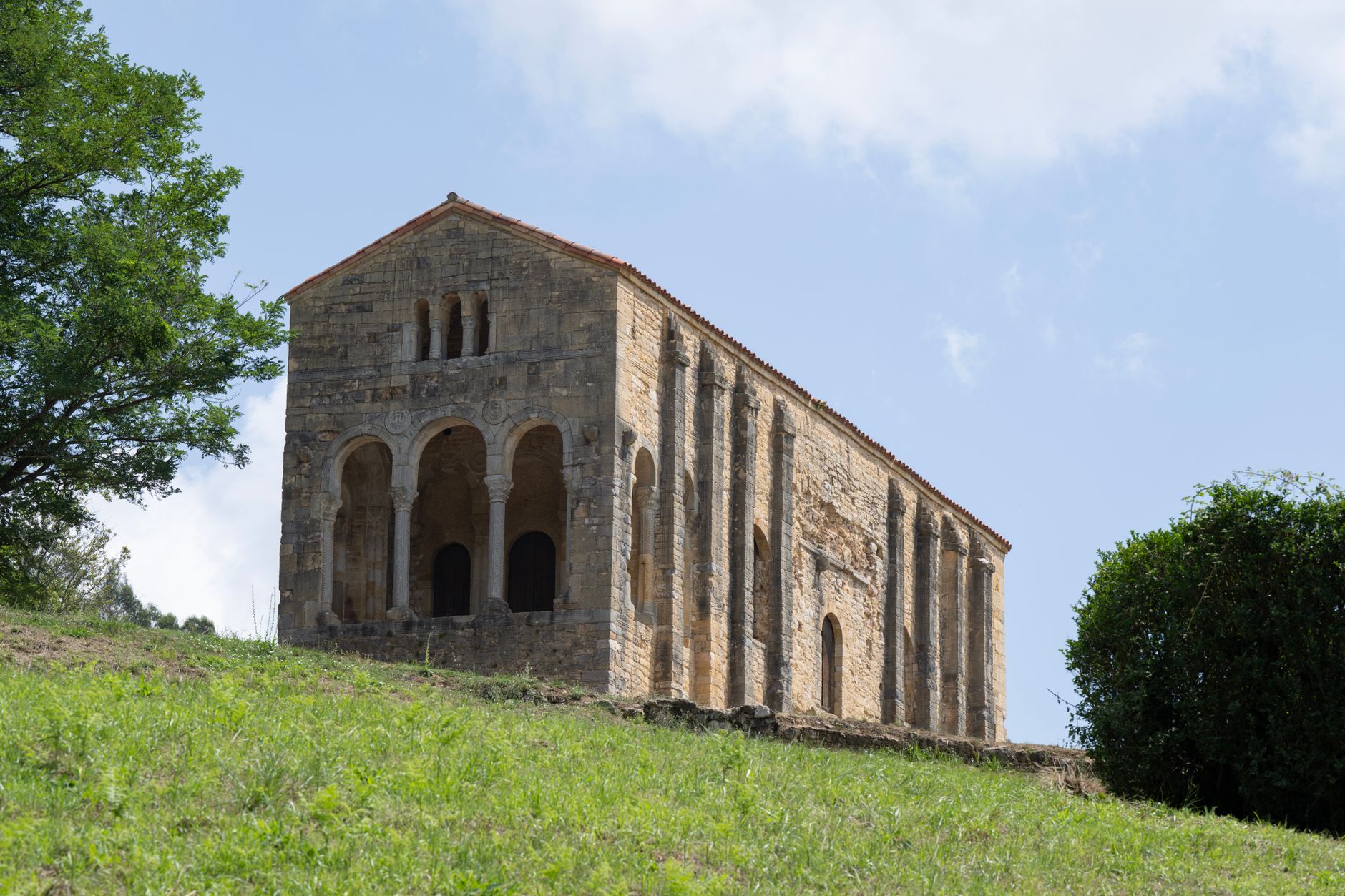
The sixteenth-century Templo del Señor de la Ascensión in the upper town, with quiet stone arches, simple regional altars, and local festival ribbons.
Scenic Viewpoints in Santa María del Oro Nayarit Mexico
Mirador Jacarandas and rim turnouts on Highway 204, offering panoramic views across the circular volcanic crater and shifting water tones below.
Coffee & Agriculture in Santa María del Oro Nayarit Mexico
Small-scale shaded coffee groves, sugarcane fields, and roadside stands selling local honey, seasonal jackfruit, and roasted corn snacks.
Day Trips in Santa María del Oro Nayarit Mexico
Excursions to the nearby colonial town of Jala, the base of Volcán Ceboruco, or the historic center of Tepic less than an hour's drive away.
Craft Traditions in Santa María del Oro Nayarit Mexico
Handcrafted Huichol yarn paintings and beadwork sold directly by regional artisans at weekend lakeside stalls and plaza markets in Nayarit.