_-_Em%C3%ADlio_Biel.png)


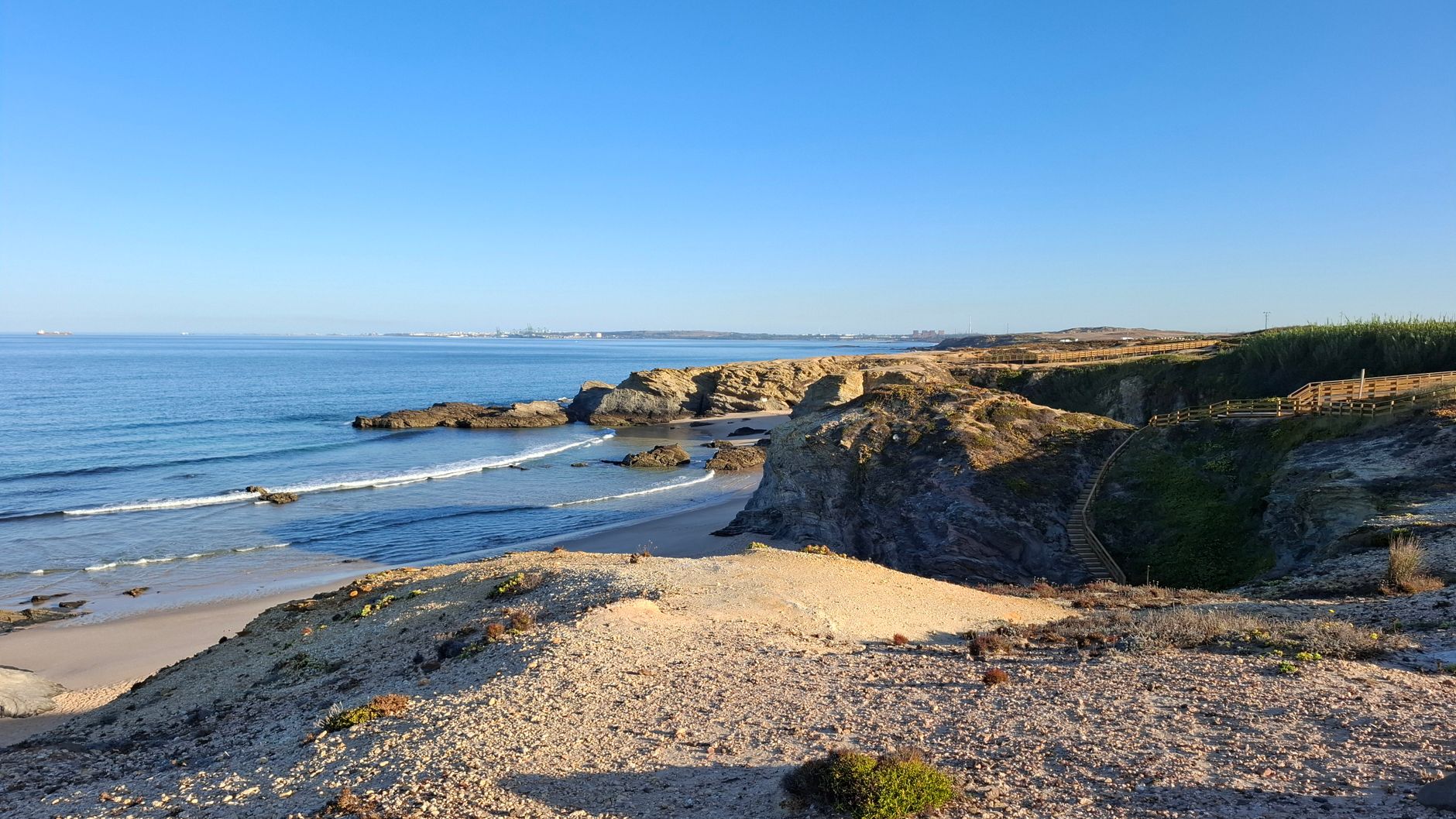

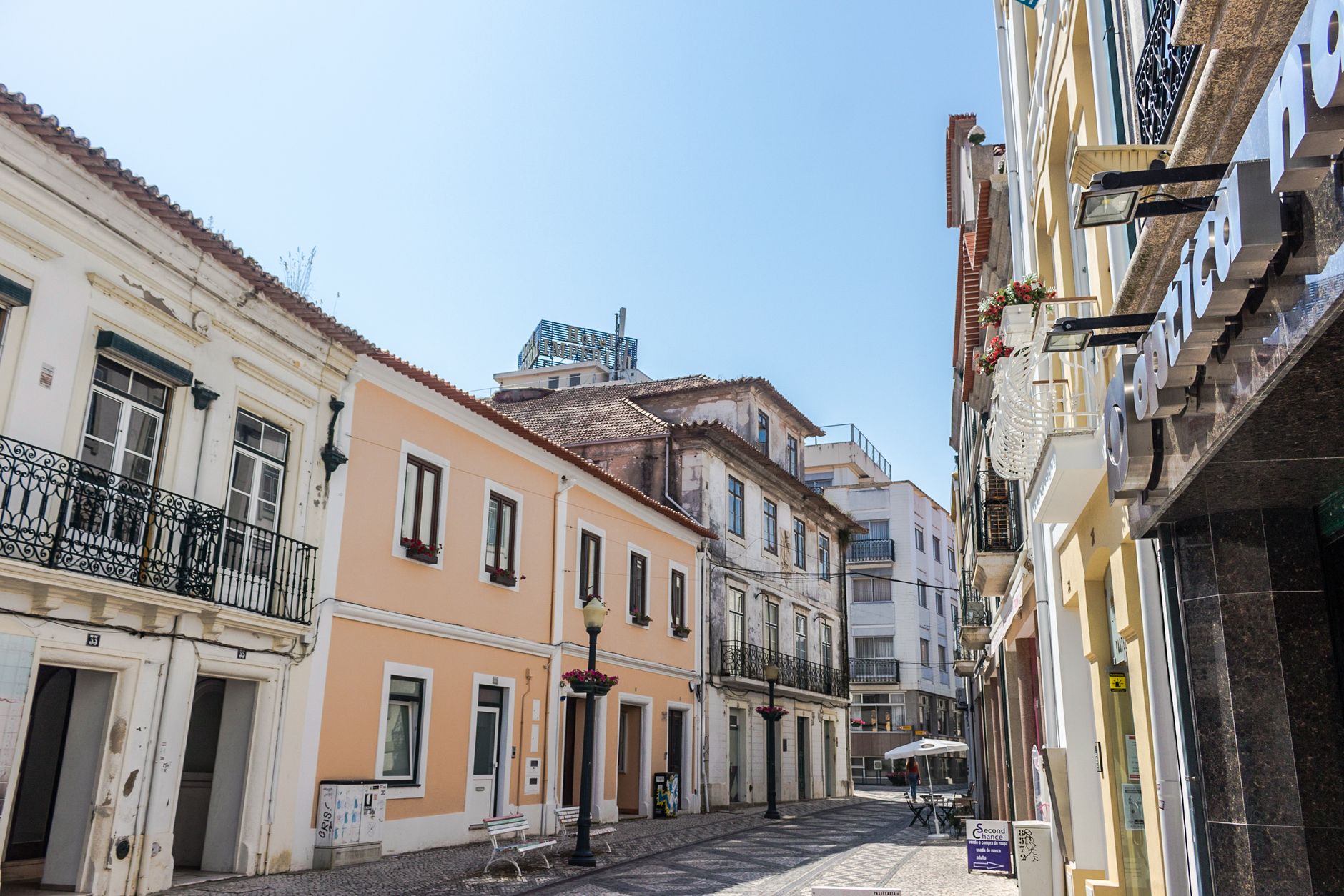
Setúbal smells of charcoal smoke, diesel from the trawlers, and brine. Set on the north bank of the Sado Estuary beneath the Arrábida ridge, this remains a working fishing port rather than a seaside confection. You come for the choco frito along Avenida Luísa Todi, the silver sardines grilled over open embers, and the morning crush at Mercado do Livramento, where fishmongers scale sea bass behind tiles from 1929.
Last updated 22 Aug 2026
Build a Setúbal itinerary.
Choose up to 4 threads that pull you in. Your plan arrives organised around them.
We'll craft a 3-lens plan for Setúbal, one collapsible strand per lens.
Maritime History
Visit the Doca dos Pescadores to watch sardine seiners unload, then see traditional wooden river boats restored at the Museu do Trabalho Michel Giacometti.
Maritime History
Visit the Doca dos Pescadores to watch sardine seiners unload, then see traditional wooden river boats restored at the Museu do Trabalho Michel Giacometti.
Surveying the Morning Catch
Mercado do Livramento
Walk the central aisle freely; entrance is free. Grab a bica at the perimeter counter and inspect the choco and black scabbardfish on crushed ice. Allow forty-five minutes.
Editor TipBuilt in 1930, this hall sits atop Setúbal's deep-rooted fishing legacy, ringed by 5,700 azulejo tiles illustrating traditional coastal labour from salt panning to sardine hauls. Wear shoes with rubber tread; the wet tiled floors are as slick as the cuttlefish.
Seventeenth-Century Blue Azulejos
Igreja de Santa Maria da Graça
Walk the cobblestones of the medieval quarter. Free admission. Spend forty-five minutes examining the gilded woodwork and blue-and-white tile panels depicting the life of Mary.
Editor TipRebuilt in the late sixteenth century over a Romanesque foundation, this parish church reflects the maritime wealth of Setúbal before the 1755 earthquake reshaped the coastline. Slip in just after afternoon re-opening at three. The light through the clerestory illuminates the painted barrel vault.
Estuary Tide Mill Watching
Moinho de Maré da Mourisca
Walk the wooden boardwalks through the salt marshes before touring the restored 1601 tidal mill. Admission is free, and the flat trail takes forty minutes to circle.
Editor TipFor centuries, millers harnessed the six-hour Sado tides to grind grain for maritime fleets, inadvertently creating a sheltered wetland where flamingos feed undisturbed. Bring binoculars for the mudflats; the morning low tide pulls spoonbills and grey herons right up to the levee.
Wildlife Watching
Board a catamaran out from the marina into the Sado Estuary Natural Reserve to spot the resident pod of bottlenose dolphins and nesting white storks.
Wildlife Watching
Board a catamaran out from the marina into the Sado Estuary Natural Reserve to spot the resident pod of bottlenose dolphins and nesting white storks.
Estuary Dolphin Watching
Doca das Fontainhas
Board a catamaran at the marina for a three-hour sail into the Sado Estuary Nature Reserve. Book a day ahead with local operators; tickets run about thirty-five euros.
Editor TipThe Sado estuary hosts Europe's only resident pod of bottlenose dolphins living in an estuary, feeding on cuttlefish and mullet where Atlantic swells meet calm river shallows. Dress warmer than you think. The Atlantic breeze turns crisp the moment the boat clears the harbour wall.
Skillet Cuttlefish and Moscatel
Adega Leo do Petisco
Cash only, no reservations. Arrive by seven-fifteen to secure a table. Order the choco frito with fried potatoes and a jug of crisp regional white wine. Dinner runs twenty euros for two.
Editor TipThe working-class Troino neighbourhood built its identity on the Sado estuary cuttlefish catch, perfected across generations in heavy cast-iron skillets. Ask for the house piri-piri oil and a cold glass of Setúbal Moscatel Roxo to finish. Your feet will thank you.
Franciscan Cell Pilgrimage
Convento da Arrábida
Guided visits require advance booking through Fundação Oriente. Expect a twenty-minute walk from the lower parking gate up to the whitewashed cliffside chapels.
Editor TipFounded in 1542, this Franciscan monastery favored ascetic isolation, carving miniature hermit cells and terracotta shrines directly into the chalk slopes above the Atlantic. Wear shoes with reliable grip; the limestone staircases between the chapels have been worn slick by centuries of sandals.
Stilt Pier Estuary Watch
Cais Palafítico da Carrasqueira
Drive forty minutes south to the Sado mudflats. Admission is free, parking is roadside gravel, and forty-five minutes is plenty of time to amble before supper.
Editor TipAssembled by artisanal fishermen in the 1950s using irregular pine poles, this tidal wharf supports local cuttlefish trappers and provides roosts for migrating herons and flamingos. Step carefully along the unrailed timber boards. Low tide brings out feeding wading birds across the wet flats.
Sacred Architecture
Examine the twisted Arrábida breccia stone pillars inside the 15th-century Convento de Jesus, one of Portugal's earliest Manueline landmarks.
Sacred Architecture
Examine the twisted Arrábida breccia stone pillars inside the 15th-century Convento de Jesus, one of Portugal's earliest Manueline landmarks.
Tracing Manueline Maritime Cloisters
Convento de Jesus
Buy your three-euro entry ticket at the reception desk. Walk the quiet nave and museum rooms in about an hour. It is a ten-minute walk north from the market.
Editor TipBegun in 1490 by architect Diogo de Boitaca, this church marks the genesis of Manueline architecture, with spiralling Arrábida breccia pillars carved like maritime ship cables. Inspect the pink breccia columns up close; the sedimentary stone was quarried right from the Arrábida hills.
Note from the Editor
“Arrive at the market before nine to watch the fishmongers work unhurried by crowds. Setúbal moves to maritime shifts, so mornings belong strictly to the working trades.”
The Bed
Where to stay in Setúbal
Which part of town to book, and what each one costs you in walking, noise or quiet.
The Comparison
Setúbal, or somewhere near it
The places you are realistically choosing between, and the honest case for each.
The Local Record
Where to read more about Setúbal
The blogs, boards, guides and operators worth bookmarking.
What to do in Setúbal Setúbal Portugal
Life in Setúbal is governed by the tides, the morning catch, and the midday grill. The town stretches along the Sado waterfront back into quiet tiled squares and working-class quarters like Troino and Fonte Nova. It suits travellers who prefer the honest clatter of a dockside grill to manicured tourist hubs, offering unpretentious eating, mountain ridges, and estuary waters within a compact, walkable center.
24 hours in Setúbal Setúbal Portugal
Start by 8:30 at Mercado do Livramento before the fish stalls empty. Walk west down Avenida Luísa Todi for a lunch of fried cuttlefish at a neighborhood tasca. Spend the afternoon climbing up to the 16th-century Fortaleza de São Filipe, then finish with grilled sea bream by the Doca dos Pescadores. Select 1 Day above to see it.
2 days in Setúbal Setúbal Portugal
Dedicate your second day to the Serra da Arrábida. Take a morning coastal bus to Praia do Creiro, then head inland to Vila Nogueira de Azeitão for afternoon cellars of Moscatel wine and creamy sheep cheese, finishing with roast pork at a family-run village adega. Choose 2 Days to expand the plan.
3 days in Setúbal Setúbal Portugal
With three days, cross the Sado by ferry to explore the Roman ruins on Tróia or take a boat into the estuary reserve for the dolphin pod. Spend your final afternoon at the Manueline Convento de Jesus and the Michel Giacometti museum, absorbing the town's industrial and maritime craft without rush.
Setúbal Setúbal Portugal itineraries by interest
Local Seafood in Setúbal Setúbal Portugal
Order choco frito cut thick and fried crisp at Adega Leo do Petisco, or sardines straight off charcoal grates along the docks with boiled potatoes.
Markets & Produce in Setúbal Setúbal Portugal
Mercado do Livramento opens early with fifty varieties of Atlantic catch, Azeitão sheep cheeses, and vendors who will point you to the sweetest figs.
Wine & Vineyards in Setúbal Setúbal Portugal
Taste fortified Moscatel de Setúbal and Castelão reds at historic cellars in nearby Azeitão, including the José Maria da Fonseca cellars from 1834.
Coastal Walks in Setúbal Setúbal Portugal
Follow the trails along the Arrábida coast from Praia do Creiro to Portinho da Arrábida, tracking limestone cliffs above clear Atlantic waters.
Sacred Architecture in Setúbal Setúbal Portugal
Examine the twisted Arrábida breccia stone pillars inside the 15th-century Convento de Jesus, one of Portugal's earliest Manueline landmarks.
Maritime History in Setúbal Setúbal Portugal
Visit the Doca dos Pescadores to watch sardine seiners unload, then see traditional wooden river boats restored at the Museu do Trabalho Michel Giacometti.
Historic Fortifications in Setúbal Setúbal Portugal
Climb the ramparts of the star-shaped Fortaleza de São Filipe, built in 1590, for sweeping views across the estuary to the Tróia Peninsula.
Wildlife Watching in Setúbal Setúbal Portugal
Board a catamaran out from the marina into the Sado Estuary Natural Reserve to spot the resident pod of bottlenose dolphins and nesting white storks.
Beaches in Setúbal Setúbal Portugal
Catch the local bus to Praia dos Galapinhos or Praia da Figueirinha for sheltered swimming beneath the green pine-clad slopes of Serra da Arrábida.
Regional Cheese in Setúbal Setúbal Portugal
Sample soft Queijo de Azeitão, a pungent raw sheep milk cheese curdled with cardoon thistle, best eaten with crusty bread in local tascas.
Historic Neighbourhoods in Setúbal Setúbal Portugal
Wander the cobbled alleys of Troino, the old fisherman's quarter, where doorways open into pocket-sized taverns serving carapaus and cold beer.
Ferry Crossings in Setúbal Setúbal Portugal
Take the catamaran passenger ferry across the Sado to the Roman fish-salting ruins at Tróia, watching the harbor traffic glide past the sandbanks.