Sigtuna.


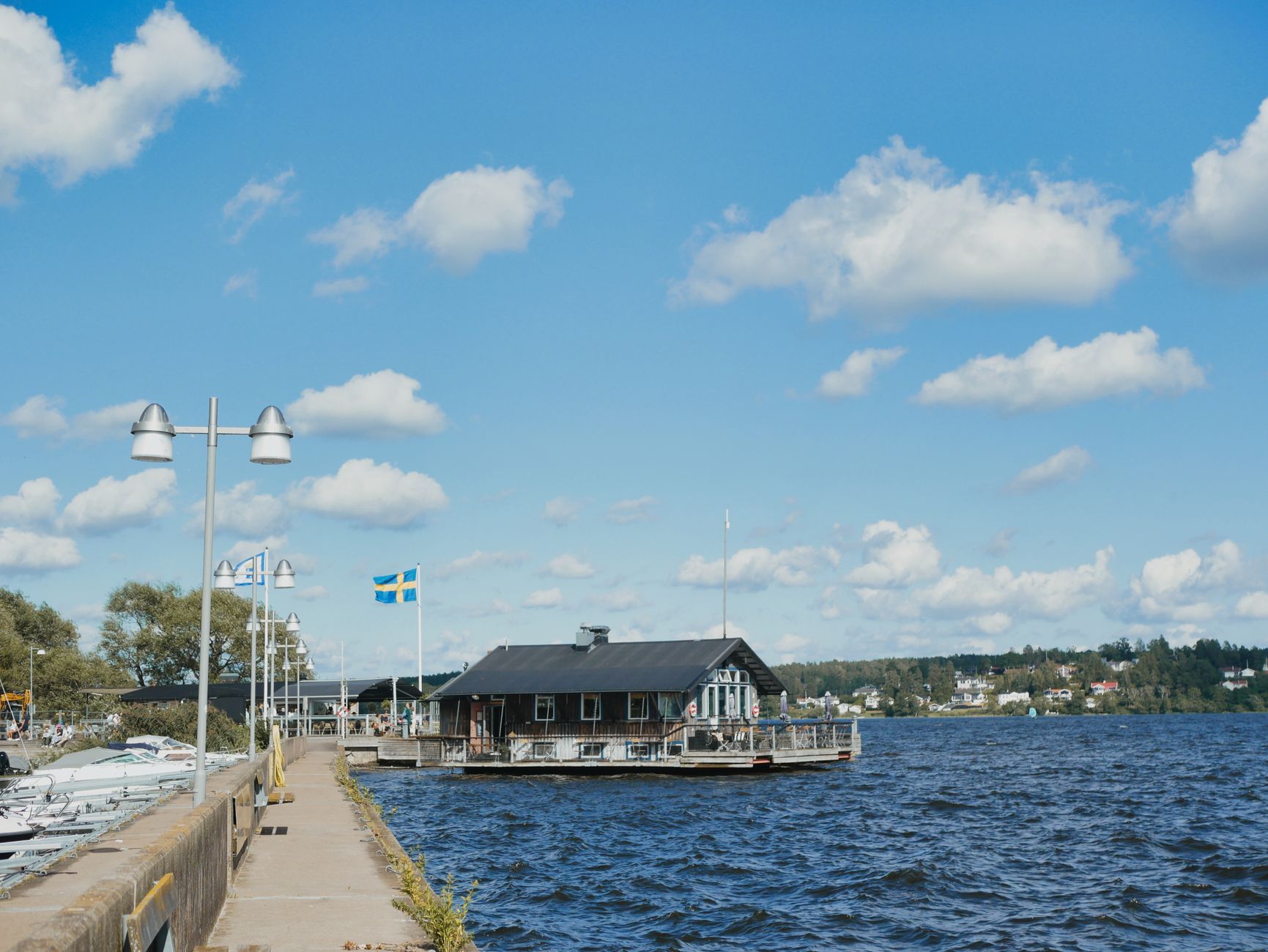


Sitting forty-five minutes north of Stockholm and twenty minutes from Arlanda Airport by bus, Sigtuna is Sweden's oldest town, founded around 970. It is known for its concentration of Viking rune stones, twelfth-century stone ruins, and wooden houses along Lake Mälaren. Sigtuna is worth visiting if you want to trace tenth-century street plans and eat cardamom buns in centuries-old courtyards. Look elsewhere if you need late-night dining, expansive indoor museums, or energetic nightlife.
Last updated 5 Nov 2026
Build a Sigtuna itinerary.
Choose up to 4 threads that pull you in. Your plan arrives organised around them.
The Bed
Where to stay in Sigtuna
Which part of town to book, and what each one costs you in walking, noise or quiet.
The Comparison
Sigtuna, or somewhere near it
The places you are realistically choosing between, and the honest case for each.
The Local Record
Where to read more about Sigtuna
The blogs, boards, guides and operators worth bookmarking.
What to do in Sigtuna Stockholm County Sweden
Life in Sigtuna moves at the pace of a slow walk along Stora Gatan. The town runs parallel to Lake Mälaren, where twelfth-century church ruins sit quietly beside residential gardens. Days naturally orient around quiet lakeside strolls, examining roadside runic inscriptions, and lengthy coffee stops. It suits travellers who appreciate preserved medieval layouts, readable history outdoors, and calm Scandinavian harbour life.
24 hours in Sigtuna Stockholm County Sweden
Start on Stora Gatan checking tenth-century rune stones, then inspect the imposing stone ruins of St. Olof. Have lunch and a cardamom bun at Tant Brun around midday. In the late afternoon, take the wooden boardwalk along Lake Mälaren before a quiet dinner of local whitefish at Sigtuna Stadshotell, covering every site on foot within two square kilometres. Select 1 Day above to see it.
2 days in Sigtuna Stockholm County Sweden
On your second morning, explore the quiet cloister garden at Sigtunastiftelsen. Afterward, hire a bicycle and ride six kilometres inland to Venngarn Castle to see the intact seventeenth-century Baroque chapel. Finish the afternoon sampling wood-fired rye bread and warm cider in the castle distillery park before heading back to the lakefront for dinner. Choose 2 Days to expand the plan.
3 days in Sigtuna Stockholm County Sweden
A third day allows for a proper boat excursion across Lake Mälaren toward Skokloster Castle, an extraordinary seventeenth-century palace with unfinished baroque halls. Return by afternoon ferry for an unhurried sauna session along the Sigtuna shoreline and a relaxed plate of smoked char at a quiet harbour tavern.
Sigtuna Stockholm County Sweden itineraries by interest
Archaeology in Sigtuna Stockholm County Sweden
Trace over a hundred Viking-age rune stones carved in granite, detailing voyages to Byzantium along the original tenth-century layout of Stora Gatan.
Sacred Architecture in Sigtuna Stockholm County Sweden
Wander the roofless twelfth-century fieldstone shells of St. Olof, St. Per, and St. Lars, standing beside the functioning 1247 brick Mariakyrkan.
Baking Traditions in Sigtuna Stockholm County Sweden
Order dark-roast coffee and warm cardamom buns at Tant Brun, an eighteenth-century timber cottage serving classic Swedish fika over uneven wood floors.
Lake Navigation in Sigtuna Stockholm County Sweden
Board a vintage ferry on Lake Mälaren or rent a kayak at the harbour to view the shoreline reeds and wooden boat sheds from the water.
Lakeside Walking in Sigtuna Stockholm County Sweden
Walk Strandpromenaden along the lake edge to Sigtunastiftelsen, an Italianate humanist foundation built in 1917 with quiet cloisters and rose gardens.
Palace Architecture in Sigtuna Stockholm County Sweden
Take a six-kilometre ride to Venngarn Castle, a seventeenth-century Baroque estate with a preserved 1670 chapel and surrounding cider apple orchards.
Local Craft in Sigtuna Stockholm County Sweden
Browse linen textiles, ceramics, and hand-carved Swedish butter knives sold in low timber shops dating to the eighteenth and nineteenth centuries.
Regional History in Sigtuna Stockholm County Sweden
Visit Sigtuna Museum to examine bone combs, silver coins minted by King Olof Skötkonung, and early Christian grave crosses found under the pavement.
Cold Weather in Sigtuna Stockholm County Sweden
Glide on tour skates across the frozen surface of Lake Mälaren during midwinter, warming up with hot berry juice along the groomed town ice tracks.
Historic Lodging in Sigtuna Stockholm County Sweden
Stay at Sigtuna Stadshotell, a 1909 establishment offering Lake Mälaren views, copper bathtubs, and classic multi-course Swedish tasting menus.
Country Estates in Sigtuna Stockholm County Sweden
Cycle twenty minutes north to Skånelaholm Castle, a brick Renaissance manor on Lake Fysingen housing vast folk art collections and quiet lakeside lawns.
Casual Dining in Sigtuna Stockholm County Sweden
Eat pan-fried Baltic herring with lingonberries and potato purée at neighbourhood taverns along Stora Nygatan, accompanied by local Swedish pilsner.