



Sisal sits 53 kilometres northwest of Mérida, reachable in one hour by car via Hunucmá. Once the Yucatán's main nineteenth-century export port for henequen fibre, it now operates as a quiet fishing village fronted by a restored customs house and a long wooden pier. Sisal is worth visiting if you want fresh mero ceviche eaten on plastic chairs, empty sands, and gentle Gulf shallows. Look elsewhere if you expect resort nightlife, reliable high-speed internet, or manicured beach clubs.
Last updated 6 Nov 2026
Build a Sisal itinerary.
Choose up to 4 threads that pull you in. Your plan arrives organised around them.
The Bed
Where to stay in Sisal
Which part of town to book, and what each one costs you in walking, noise or quiet.
The Comparison
Sisal, or somewhere near it
The places you are realistically choosing between, and the honest case for each.
The Local Record
Where to read more about Sisal
The blogs, boards, guides and operators worth bookmarking.
What to do in Sisal Yucatán Mexico
Life in Sisal moves at the speed of the Gulf tide. The town stretches along a few sandy streets behind the beach, centred on the Fort of Santiago and the pier where pangas unload grouper and snook each afternoon. Days are spent between the water and open-air palapa tables. It suits travellers who appreciate unpretentious coastal meals, mangrove birdlife, and an afternoon nap while the sea breeze picks up.
24 hours in Sisal Yucatán Mexico
Start at 8:00 AM at the pier watching boats return with the morning catch. Tour the Fort of Santiago, then settle in for a lunch of mero ceviche at a beach palapa on Calle 3. Spend the afternoon in the calm shallows, and finish with fresh panuchos on the main plaza as the lighthouse turns on. Select 1 Day above to see it.
2 days in Sisal Yucatán Mexico
Use your second day on the water. Book a morning boat into the El Palmar mangrove reserve to see flamingos and hidden freshwater springs. In the afternoon, head inland to Hunucmá's central market for lechón al horno and hand-pressed corn tortillas, returning before dusk. Choose 2 Days to expand the plan.
3 days in Sisal Yucatán Mexico
A third day allows an unhurried kayak through the back estuaries and a trip east towards Celestún or south to the yellow colonial architecture of Izamal. You have time to sit with a cold beer, watch pelicans dive, and read without constantly checking your watch.
Sisal Yucatán Mexico itineraries by interest
Local Seafood in Sisal Yucatán Mexico
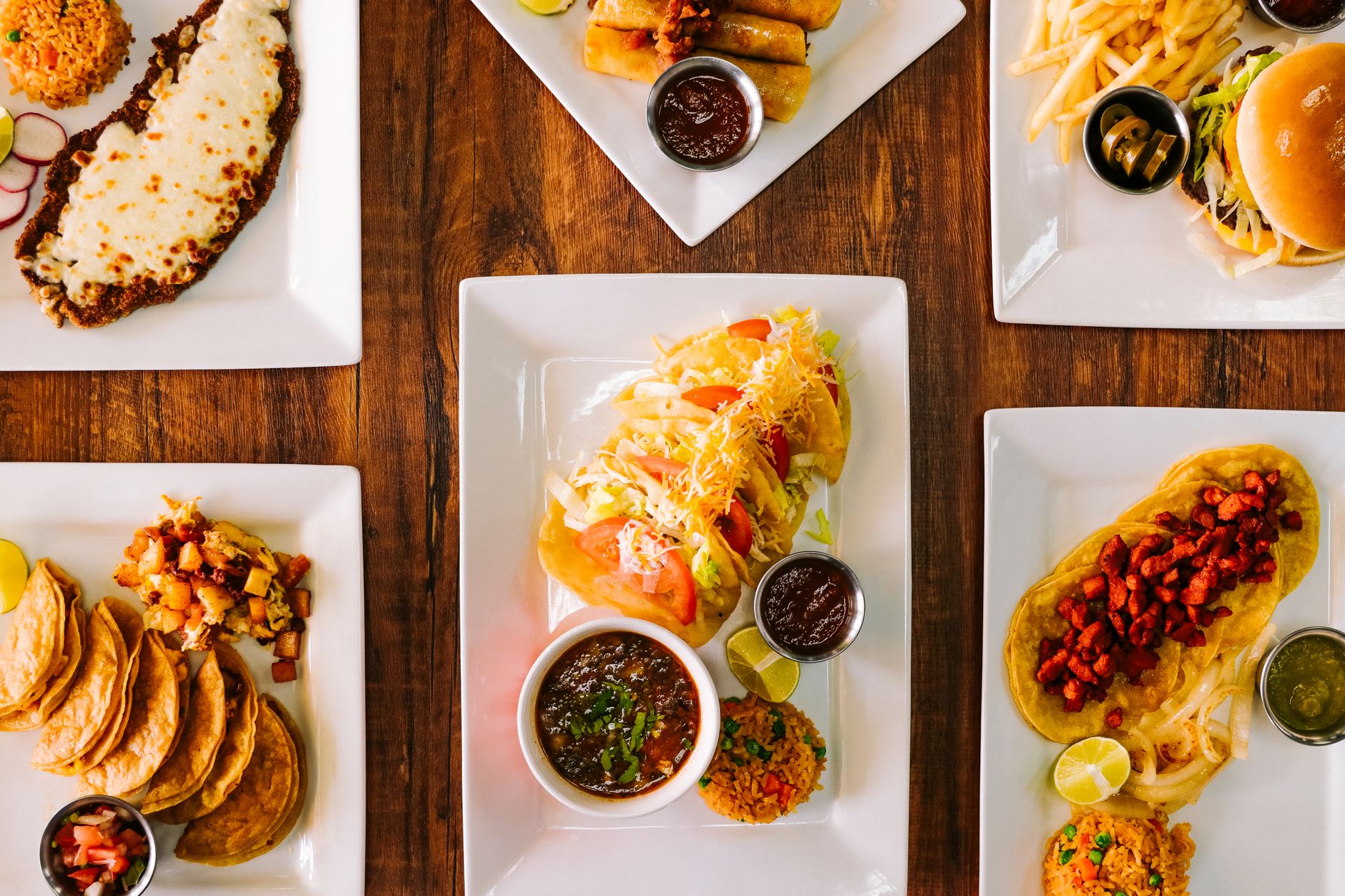
Order fried mero, octopus ceviche, or fish tikin xic seasoned with achiote at palapas along Calle 3, caught that morning by local panga skiffs.
Maritime History in Sisal Yucatán Mexico
Inspect the 1845 Fort of Santiago, the whitewashed customs building, and the lighthouse that guarded the peninsula's original henequen shipping outlet.
Birdwatching in Sisal Yucatán Mexico
Hire a flat-bottomed boat into the mangrove channels of El Palmar reserve to spot American flamingos, reddish egrets, and kingfishers feeding at dawn.
Coastal Walks in Sisal Yucatán Mexico
Walk the wooden muelle at sunset alongside local fishermen jigging for squid, then stroll the wide, flat shell-packed sands towards the western point.
Kayaking in Sisal Yucatán Mexico
Paddle through the brackish estuarine rias and red mangrove tunnels behind the town, guided by local boatmen who know the shallow channels.
Street Food in Sisal Yucatán Mexico
Find carts near the central plaza after sunset frying panuchos and salbutes topped with pulled turkey, pickled red onions, and charred habanero salsa.
Snorkelling & Springs in Sisal Yucatán Mexico
Take a boat to the freshwater petenes and the Dzulbilchaltún water eye, where cool underground spring currents bubble straight up through the saltwater.
Day Trips in Sisal Yucatán Mexico
Drive twenty minutes inland to Hunucmá to explore its vibrant market and eat cochinita pibil, or continue south to the colonial convent in Kinchil.
Craft Traditions in Sisal Yucatán Mexico
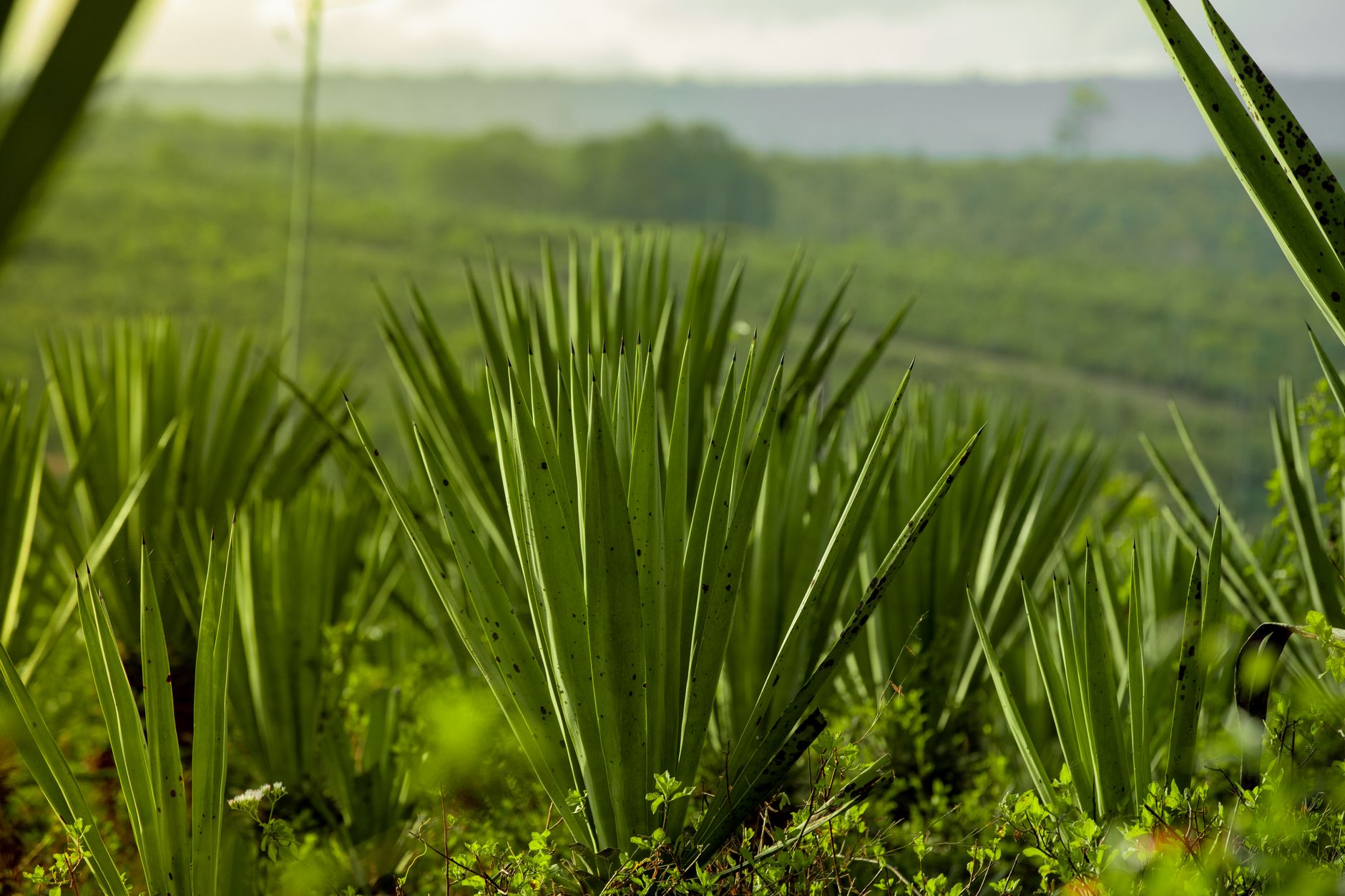
Watch artisans weave bags, hammocks, and cordage from agave fibres, maintaining the town's historical connection to the sisal plant itself.
Coastal Ecology in Sisal Yucatán Mexico
Track nesting sea turtles on protected dune beaches and tour the UNAM marine biology research station when open to visiting educational groups.
Cycling in Sisal Yucatán Mexico
Rent an upright beach cruiser to pedal the quiet sandy side streets between the main square, the old cemetery, and the western lagoon access road.
Markets & Produce in Sisal Yucatán Mexico
Drop by the small municipal market by the church early in the morning for fresh papaya, sour oranges, limes, and tamales wrapped in banana leaves.