Speyer.


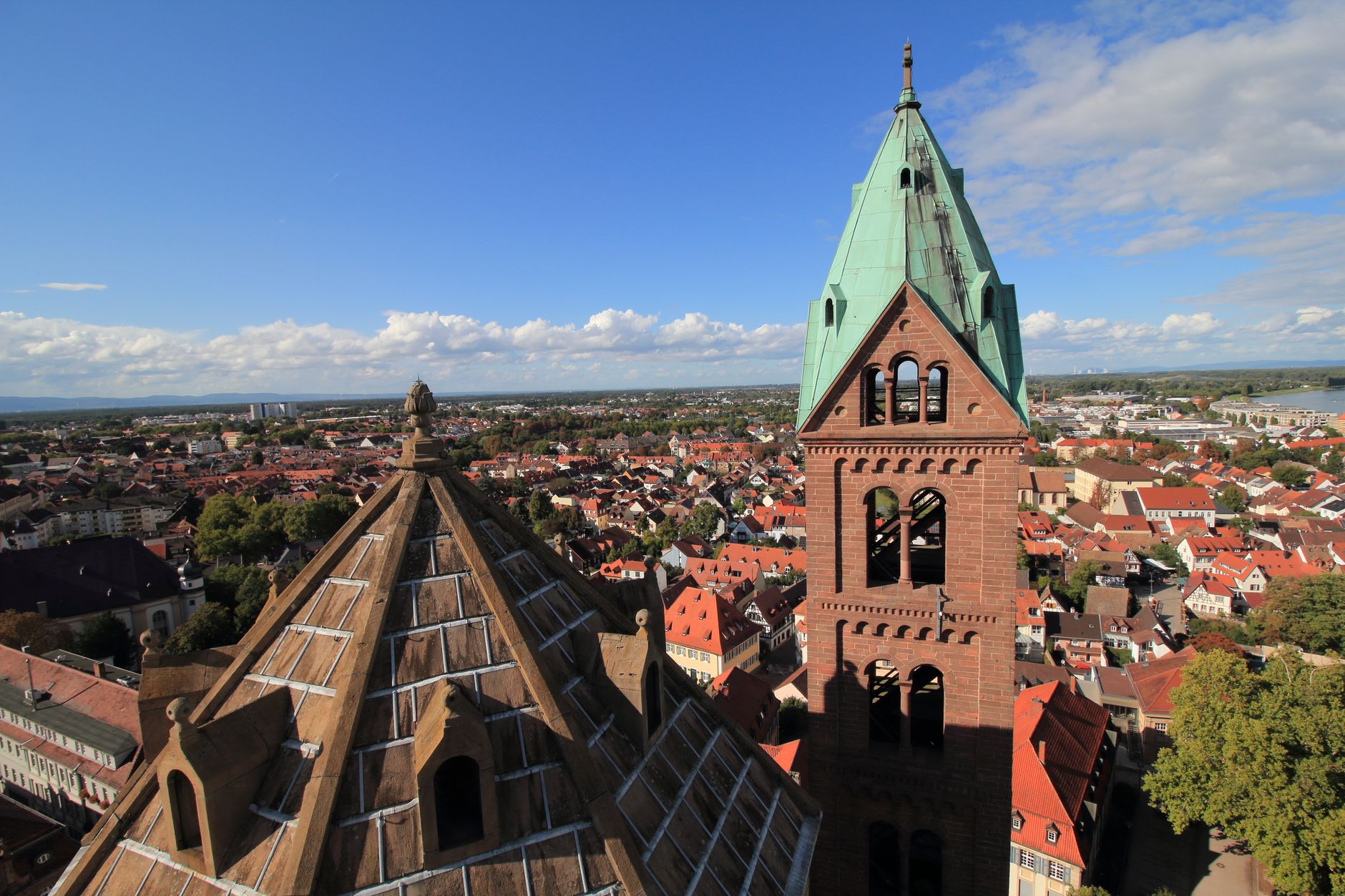
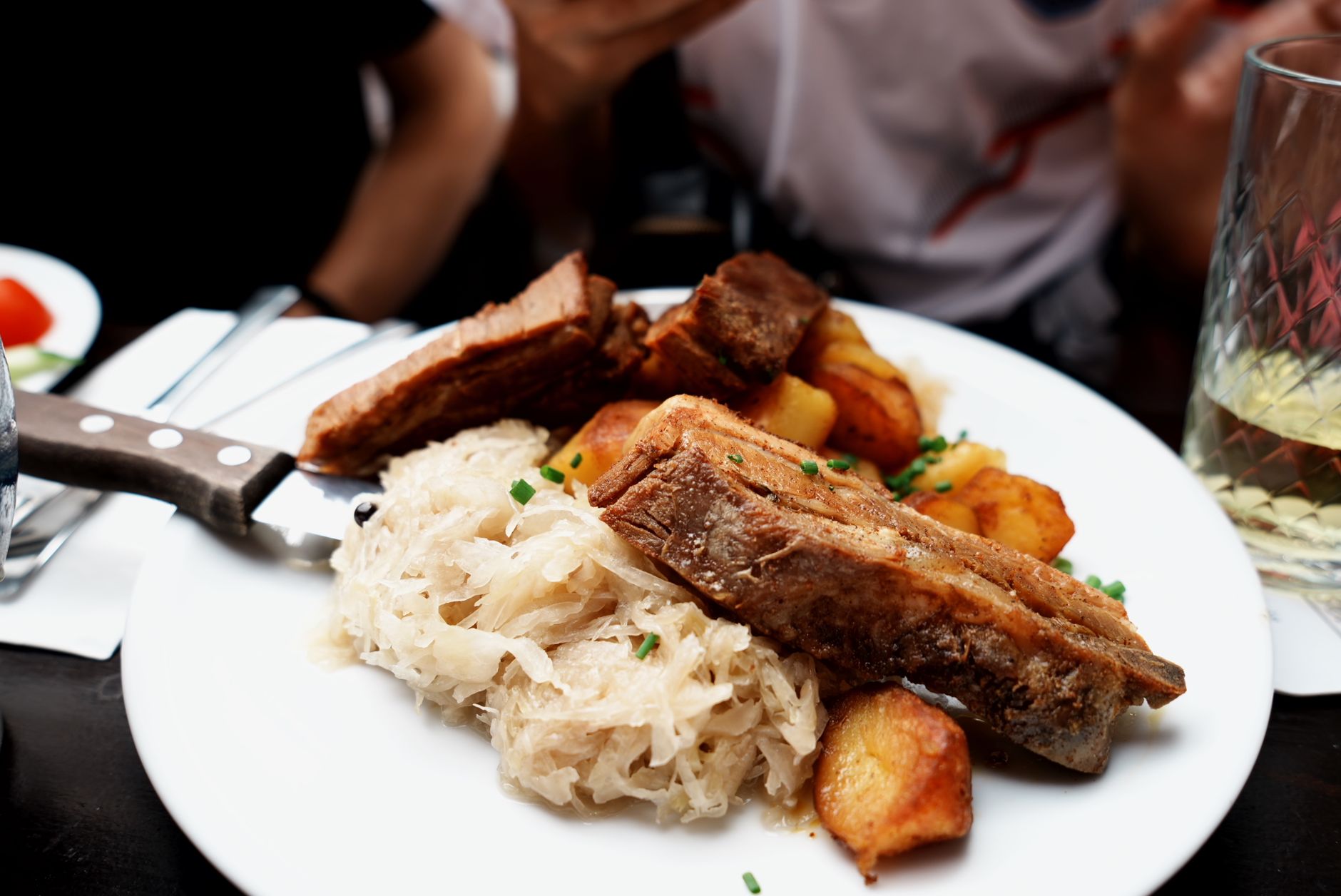

Speyer sits on the Upper Rhine, forty minutes south of Mannheim by regional train. It is anchored by its vast eleventh-century Romanesque imperial cathedral and one of Europe's oldest preserved Jewish ritual baths. Speyer is worth visiting if you want monumental medieval architecture, deep ShUM Jewish heritage, and dry Riesling served in half-litre glasses alongside pork belly. Look elsewhere if you want late-night clubbing, gritty urban energy, or immediate access to alpine hiking.
Last updated 20 Oct 2026
Build a Speyer itinerary.
Choose up to 4 threads that pull you in. Your plan arrives organised around them.
We'll craft a 1-lens plan for Speyer, one collapsible strand per lens.
Sacred Architecture
Tour the Romanesque Kaiserdom, consecrated in 1061, including the vaulted crypt where eight German emperors and kings lie buried.
Sacred Architecture
Tour the Romanesque Kaiserdom, consecrated in 1061, including the vaulted crypt where eight German emperors and kings lie buried.
Walking The Imperial Crypt
Speyer Cathedral
Enter through the west portal; the nave is free, but buy the combined ticket for the crypt and emperor tombs at the desk for eight euros. Allow ninety minutes.
Editor TipConsecrated in 1061 by Salian monarchs, this red sandstone basilica remains the world's largest standing Romanesque church, built deliberately to dwarf papal authority in Rome. Walk slowly through the groin-vaulted crypt; the quiet between nine and ten in the morning is unmatched.
Descending The Romanesque Mikveh
Judenhof Speyer
Walk five minutes south from the cathedral down Kleine Pfaffengasse. Admission is four euros, or free with your cathedral combo pass. Give yourself an hour.
Editor TipBuilt around 1120 by the same stonemasons who shaped the cathedral, this underground ritual bath preserves pristine Romanesque capitals and groundwater fed directly from the Rhine. The stone steps descend deep underground and stay damp year-round, so wear shoes with decent traction.
Palatinate Dishes Under Cathedral Spires
Wirtshaus am Dom
Reserve an outdoor table facing the western towers. Order the house-made Pfälzer Saumagen with sauerkraut and a dry Palatinate Riesling from the Mittelhaardt.
Editor TipBuilt along the historic pilgrim route to the cathedral, local taverns have sustained travellers on hearty butcher cuts and local cool-climate wines since the medieval era. Request a seat on the cobbles out front for the best twilight view of the Romanesque facade.
Wildcards
Worth your time whatever brought you here.
Wildcards
Worth your time whatever brought you here.
Surveying Painted Baroque Timber
Dreifaltigkeitskirche Speyer
Enter through the quiet side door on Grosser Himmelsgasse; admission is free. Sit in the rear nave pews to take in the carved oak galleries and the biblical wooden vault above.
Editor TipConstructed between 1701 and 1717 after French forces burned the medieval town, this Lutheran hall church holds one of southwest Germany's best-preserved intact Baroque wooden interiors. Slip into the upper gallery if the stair door is propped open; the sightline down the painted barrel vault is clearer.
Old Town Canonry Dining
Wirtshaus Zum Domnapf
Book an indoor table by the tiled stove a day ahead. Order the house Pfälzer Saumagen with sauerkraut and a quarter-litre of dry Grauburgunder. Expect dinner to run ninety minutes.
Editor TipSet along the historic cathedral chapter quarter, neighbourhood wirtshäuser here have sustained pilgrims and chapter canons since the Middle Ages on butchery traditions and cool-climate Palatinate wine. Opt for the local bratwurst and liver dumpling combination plate if committing to a full plate of Saumagen feels daunting.
Tracing Salian Sandstone Ruins
Kloster Limburg
The open-air grounds open at dawn and cost nothing. Walk up the signed footpath from the car park below the ridge; allow forty-five minutes to wander the roofless nave before morning visitors turn up.
Editor TipConrad II founded this Benedictine abbey on the same morning in 1030 as Speyer Cathedral, using identical red sandstone to stamp imperial authority across the Palatinate hills. Step inside the western choir around nine for the sharpest light through the empty lancet windows.
Surveying the Confessional Wall
Stiftskirche Neustadt an der Weinstraße
Entry is free through the south portal on the market square. Check the parish notice board outside if you want to avoid organ practice, which generally concludes before midday.
Editor TipErected in the fourteenth century by Palatine electors, this Gothic collegiate church was physically halved by a masonry wall in 1705 so Catholics and Protestants could hold concurrent services. Stand at the choir partition to inspect the plaster seam that cleanly split two confessions under one ceiling.
Supper in Monastic Vaults
Klosterschänke Limburg
Book ahead for a table inside the former abbey refectory. Order the pan-fried trout or bratwurst with local Riesling; dinner runs about ninety minutes and thirty euros.
Editor TipFor centuries, Palatinate Benedictine monks managed hillside vineyards, tying liturgical daily bread directly to local viticulture and estate agriculture. Request a terrace seat facing the valley if the evening is mild to watch shadows pool across the forest ridge.
Note from the Editor
“Arrive at the cathedral nave right at nine before tour buses cross the Rhine. Buying the combined ticket at the cathedral desk saves you the queue at the Judenhof later.”
The Bed
Where to stay in Speyer
Which part of town to book, and what each one costs you in walking, noise or quiet.
The Comparison
Speyer, or somewhere near it
The places you are realistically choosing between, and the honest case for each.
The Local Record
Where to read more about Speyer
The blogs, boards, guides and operators worth bookmarking.
What to do in Speyer Rhineland-Palatinate Germany
Speyer is built on an easy, human scale. Life runs along Maximilianstraße between the medieval Altpörtel gate and the massive sandstone cathedral by the Rhine. You come here for heavy Romanesque masonry, remarkable Jewish history, and long, relaxed lunches in leafy courtyards where the wine arrives cold and plentiful. It rewards slow walkers, history lovers, and anyone who appreciates unpretentious German cooking.
24 hours in Speyer Rhineland-Palatinate Germany
Start early at the Kaiserdom before the tour buses pull in, then descend into the eleventh-century subterranean mikveh at the Judenhof. For lunch, pull up a wooden chair at Hausbrauerei Domhof for warm pretzels and Saumagen. Spend the afternoon climbing the Altpörtel tower for views over the red-tiled roofs, ending with Riesling on Korngasse. Select 1 Day above to see it.
2 days in Speyer Rhineland-Palatinate Germany
Dedicate your second morning to the Technik Museum to tour vintage aircraft and steam locomotives, or browse the wine collection at the Historisches Museum der Pfalz. Afterwards, take an easy afternoon stroll along the Rhine promenade toward the peaceful oxbow lakes of the Angelhofer Altrhein, followed by dinner at a quiet neighborhood Weinstube. Choose 2 Days to expand the plan.
3 days in Speyer Rhineland-Palatinate Germany
A third day allows you to catch the local train west to Neustadt an der Weinstraße and explore the sun-drenched vineyards along the German Wine Route. Alternatively, cross the river to Schwetzingen Palace for an afternoon wandering eighteenth-century formal gardens, returning to Speyer in time for a glass of Grauburgunder on the cathedral square.
Speyer Rhineland-Palatinate Germany itineraries by interest
Sacred Architecture in Speyer Rhineland-Palatinate Germany
Tour the Romanesque Kaiserdom, consecrated in 1061, including the vaulted crypt where eight German emperors and kings lie buried.
Jewish Heritage in Speyer Rhineland-Palatinate Germany
Descend into the intact eleventh-century ritual bath at the Judenhof, the core of Speyer's medieval ShUM community heritage.
Regional Wine in Speyer Rhineland-Palatinate Germany
Drink dry Pfalz Riesling and Grauburgunder by the quarter-litre in traditional Weinstuben along Korngasse and Maximilianstraße.
Hearty Cooking in Speyer Rhineland-Palatinate Germany
Order Pfälzer Saumagen, liver dumplings, and sauerkraut at old taverns like Gasthaus zum Spinnrädl, washed down with Schorle.
Aviation & Transport in Speyer Rhineland-Palatinate Germany
Climb through an intact Boeing 747 and the Soviet Buran space shuttle across the grounds of the sprawling Technik Museum Speyer.
Historic Townscapes in Speyer Rhineland-Palatinate Germany
Walk past half-timbered facades from the Altpörtel city gate down the pedestrian Maximilianstraße to the quiet cathedral gardens.
River Life in Speyer Rhineland-Palatinate Germany
Walk the willow-lined Rhine promenade along the Helmut-Kohl-Ufer as freight barges and passenger cruisers navigate the river.
Regional History in Speyer Rhineland-Palatinate Germany
Examine Roman artifacts, medieval church treasures, and regional wine history inside the Historisches Museum der Pfalz.
Day Trips in Speyer Rhineland-Palatinate Germany
Board a twenty-minute train to Schwetzingen to stroll the formal palace gardens, or head west into the vineyards of Neustadt.
Local Markets in Speyer Rhineland-Palatinate Germany
Browse regional cheeses, seasonal white asparagus, and farm bread at the Königsplatz weekly market on Tuesday and Friday mornings.
Cycling Routes in Speyer Rhineland-Palatinate Germany
Pedal the flat Rhine cycle path north towards Mannheim or south into the quiet floodplain forests of the Angelhofer Altrhein.
Beer Gardens in Speyer Rhineland-Palatinate Germany
Drink draft pilsner and dunkles under chestnut trees at Domhof brewery, located just steps from the cathedral's north portal.