Storms River.
._1956._All_asphalt_link_from_Port_Elizabeth_to_Cape_Town._Concrete_arch_bridge._04.jpg)

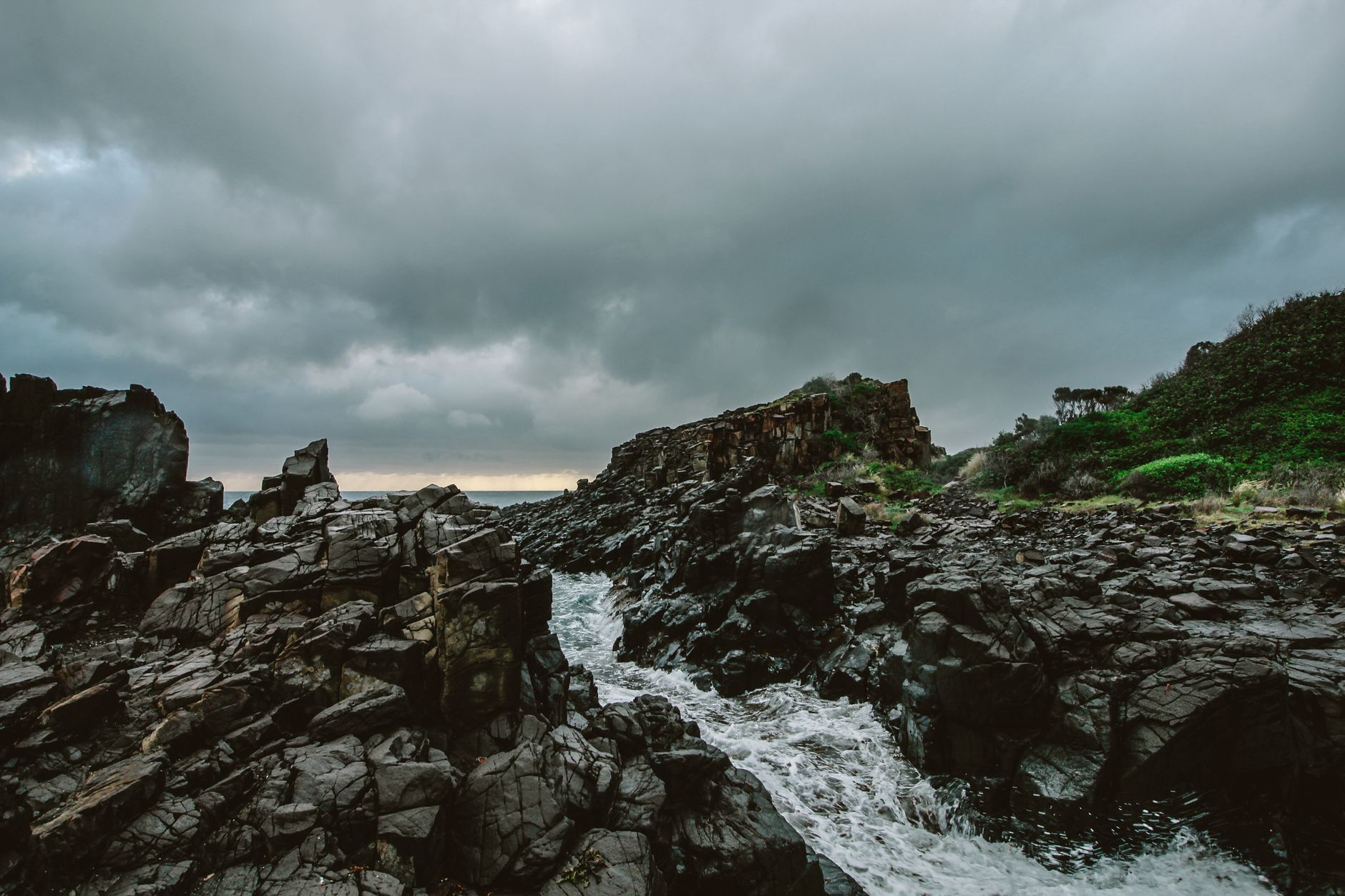


Storms River sits two hours west of Gqeberha along the N2, right where the coastal forest drops directly into the Indian Ocean. It is known for its dramatic suspension bridge over the gorge mouth and the ancient yellowwood trees of the Tsitsikamma canopy. Storms River is worth visiting if you want to hike rugged ocean trails, kayak into narrow river ravines, and sleep under tall indigenous forest. Look elsewhere if you expect late-night clubs, walkable city retail, or calm resort swimming beaches.
Last updated 7 Oct 2026
Build a Storms River itinerary.
Choose up to 4 threads that pull you in. Your plan arrives organised around them.
The Bed
Where to stay in Storms River
Which part of town to book, and what each one costs you in walking, noise or quiet.
The Comparison
Storms River, or somewhere near it
The places you are realistically choosing between, and the honest case for each.
The Local Record
Where to read more about Storms River
The blogs, boards, guides and operators worth bookmarking.
What to do in Storms River Eastern Cape South Africa
Life here splits neatly between Storms River Village on the inland forest flat and the national park camp down at the mouth. Days run on tide times, hiking boots, and trail snacks rather than rigid itineraries. It suits active travellers who prefer raw nature, salt spray, and cold draught beer over curated resort luxury. Pack proper wet-weather gear, because the Tsitsikamma coast generates its own sudden downpours without checking your schedule.
24 hours in Storms River Eastern Cape South Africa
Start early at Storms River Mouth to cross the suspension bridges before tour buses pull in at ten. Grab a toasted sandwich at Cattle Baron, then paddle a kayak up the gorge into the quiet rock pools. Finish with a cold pint of craft ale and a steak in the courtyard of Tsitsikamma Village Inn. Select 1 Day above to see it.
2 days in Storms River Eastern Cape South Africa
Dedicate your second morning to the first three kilometres of the Otter Trail, scrambling over coastal boulders to reach the waterfall. Head inland for lunch in the village, then walk the quiet Plaatbos Nature Reserve trail beneath ancient yellowwood trees where louries call. Choose 2 Days to expand the plan.
3 days in Storms River Eastern Cape South Africa
Take the winding dirt track down the historic 1880s Storms River Pass engineered by Thomas Bain. Afterward, drive west to Nature's Valley to swim in the sheltered lagoon and share a pot of rooibos tea and fresh scones at the village cafe before the afternoon sea fog rolls in.
Storms River Eastern Cape South Africa itineraries by interest
Coastal Walks in Storms River Eastern Cape South Africa
Walk the 1-kilometre boardwalk to the 77-metre suspension bridge over the gorge, or take the day-walk section of the Otter Trail to the waterfall.
Forest Hiking in Storms River Eastern Cape South Africa
Follow the Goelsaag Trail or the Plaatbos paths under giant Outeniqua yellowwoods, white alder trees, and thick tree ferns above the village.
Kayaking & Paddling in Storms River Eastern Cape South Africa
Paddle two-person sea kayaks from the river mouth up into the dark, quiet gorge, switching to lilo air mattresses where the water narrows.
Local Pubs & Grills in Storms River Eastern Cape South Africa
Order wood-fired pizza and draught beer at the Marilyn's 60s Diner or tuck into a thick beef rump steak and chips at the Tsitsikamma Village Inn.
Canopy Adventures in Storms River Eastern Cape South Africa
Glide along steel cables suspended 30 metres above the indigenous forest floor between platforms built into centuries-old Outeniqua yellowwoods.
Birdwatching in Storms River Eastern Cape South Africa
Watch for the flash of crimson wings from the Knysna turaco, olive woodpeckers, and African black oystercatchers along the rocky shoreline.
Mountain Biking in Storms River Eastern Cape South Africa
Rent a hardtail in the village and tackle the red route through the pine plantation and native fynbos, ending at the old Storms River Pass.
Bungee Jumping in Storms River Eastern Cape South Africa
Drive fifteen minutes west to Bloukrans Bridge on the N2 to drop 216 metres straight down into the gorge on a commercial pendulum bungee cord.
Marine Life in Storms River Eastern Cape South Africa
Snorkel the marine protected rocky reefs of Storms River Mouth to spot blacktail, shy sharks, and southern right whales offshore in spring.
Day Trips in Storms River Eastern Cape South Africa
Head thirty minutes west to Nature's Valley for quiet lagoon swimming, or visit the seal colony along the rocky peninsula in Plettenberg Bay.
Craft Traditions in Storms River Eastern Cape South Africa
Stop by roadside workshops near Thornham to see master woodworkers carve bowls and furniture from salvaged stinkwood and fallen yellowwood.
Stargazing in Storms River Eastern Cape South Africa
Sit on the grassy plateau at the mouth after sunset, where negligible light pollution opens wide, crisp views of the southern constellations.