Stuttgart.


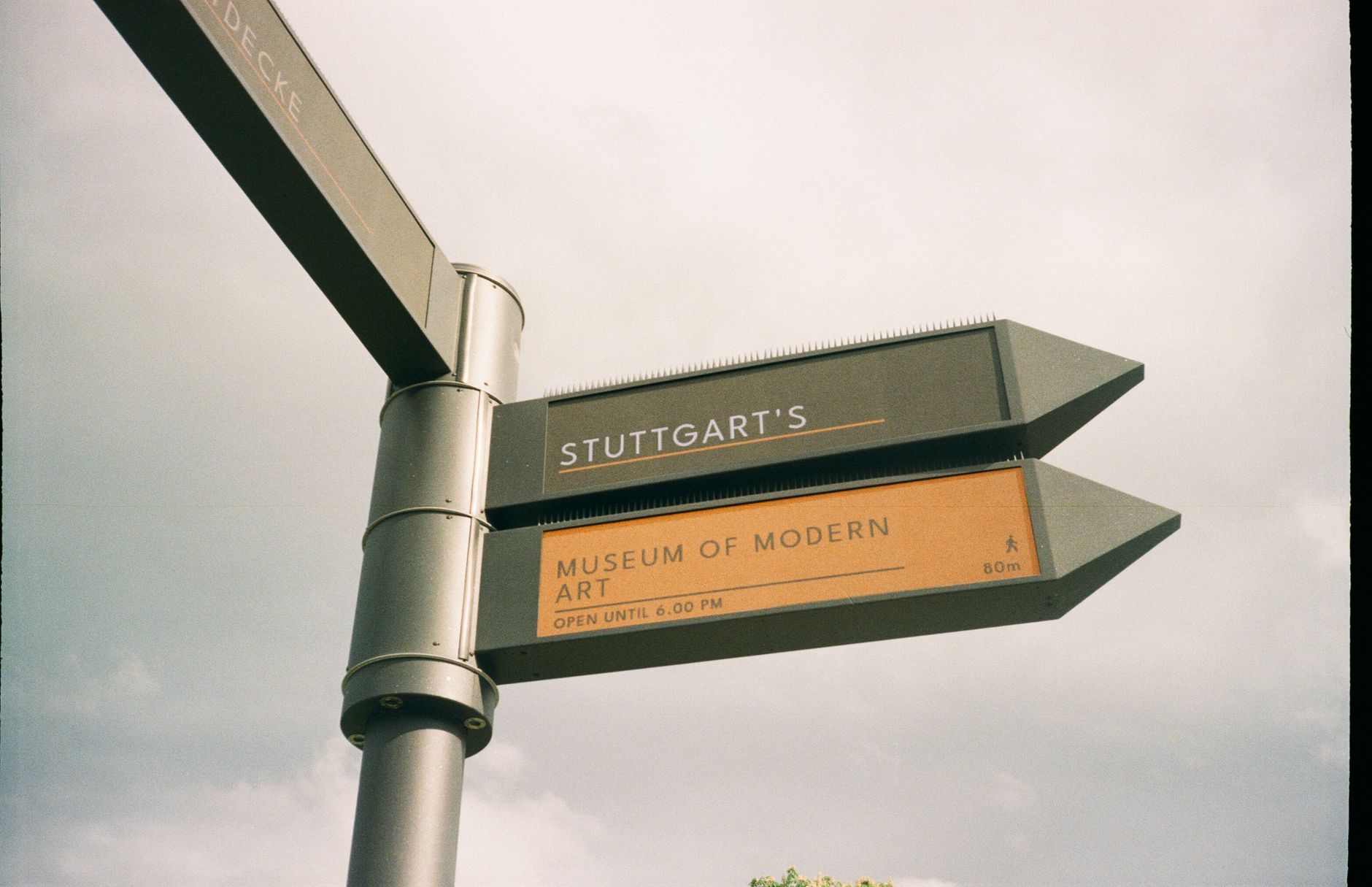
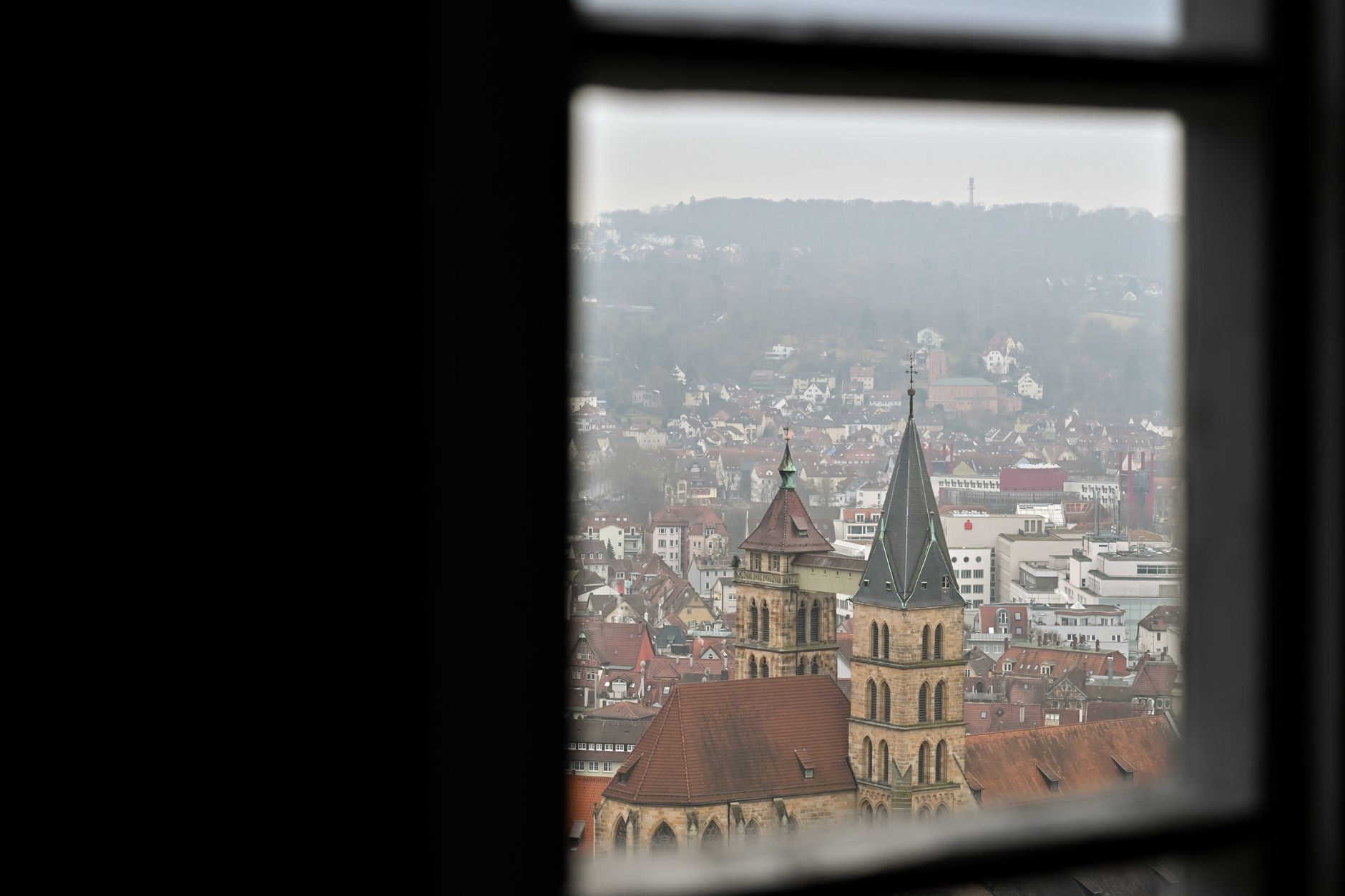


Stuttgart sits seventy minutes south of Frankfurt by ICE train, cupped in a steep valley basin of terraced vineyards. It is best known for precision automotive engineering, thermal mineral springs, and honest Swabian cooking. Efficient U-Bahn lines link quiet hilltop outlooks with industrial heritage sites and leafy squares. Stuttgart is worth visiting if you want to drink Trollinger wine on the steep hills where it grows and eat handmade Maultaschen in wood-panelled taverns. Look elsewhere if you want an intact medieval old town, flat walking routes between major sights, or a wild late-night club scene.
Last updated 9 Sept 2026
Build a Stuttgart itinerary.
Choose up to 4 threads that pull you in. Your plan arrives organised around them.
We'll craft a 1-lens plan for Stuttgart, one collapsible strand per lens.
Regional Cuisine
Order handmade Maultaschen simmered in broth, buttered Spätzle with mountain cheese, and slow-braised beef Sauerbraten at Weinstube Kachelofen.
Regional Cuisine
Order handmade Maultaschen simmered in broth, buttered Spätzle with mountain cheese, and slow-braised beef Sauerbraten at Weinstube Kachelofen.
Broth-Simmered Swabian Maultaschen
Weinstube Kachelofen
Book ahead or arrive right at opening. Order the Maultaschen in beef broth with warm potato salad and a glass of local Trollinger for under twenty-five euros.
Editor TipMonks at nearby Maulbronn Abbey allegedly hid meat inside pasta dough during Lent to conceal it from God, creating these oversized, herb-stuffed Swabian parcels. Order yours 'in der Brühe' rather than pan-fried with egg if you want the classic nineteenth-century preparation.
Lentils and Handmade Spätzle
Weinstube Zur Kiste
Table sharing is mandatory in this wood-panelled room from 1833. Order the Linsen mit Spätzle and Saitenwürstle paired with a quarter-litre of local Trollinger. Book ahead by phone.
Editor TipAlb lentils and egg pasta defined historic Swabian subsistence farming, turning modest pantry staples into the region's ultimate comfort dish through slow braising with vinegar and smoked bacon. Do not fear the shared bench. Nod to your tablemates, order your Viertel of red, and let the conversation drift in.
Hand-Twisted Swabian Brezeln
Bäckerei Morlock
Walk ten minutes north from Esslingen station. Order two crisp, salt-flecked Brezeln with fresh butter for under five euros, then take a wooden stool by the front window.
Editor TipSwabian pretzels differ sharply from Bavarian ones: thinner, crispier arms with a plump, deeply slit belly, bathed in sodium hydroxide solution before baking for that distinct mahogany crust. Arrive before nine while the crust is still warm enough to melt the cold butter immediately.
Traditional Swabian Dumpling Supper
Weinstube Ochsen
Reserve an indoor table two days ahead. Order the pan-fried Maultaschen with melted onions and potato salad for twenty-two euros.
Editor TipCistercian monks at nearby Maulbronn allegedly hid meat inside spinach pasta parcels during Lent, creating Swabia's defining comfort staple. Make sure your potato salad comes dressed warm in vinegar and broth; mayonnaise here is considered a genuine culinary offense.
Wildcards
Worth your time whatever brought you here.
Wildcards
Worth your time whatever brought you here.
Swabian Pretzels and Charcuterie
Markthalle Stuttgart
Walk the 1914 Art Nouveau hall for twenty minutes. Grab a hand-twisted Laugenbrezel and smoked ham from the central stalls for five euros. No reservations needed.
Editor TipUnlike Bavarian versions, Swabian pretzels feature thinner, crisper arms and a split, buttery belly, baked fresh across Württemberg since the fourteenth century. Head to the upper gallery benches if you want to watch the market floor wake up in peace.
Crisp Swabian Pretzels
Bäckerei Bosch
Line up at the counter in Stuttgart-West for a warm Laugenbrezel with butter. No reservations needed; budget four euros and expect a brisk ten-minute visit.
Editor TipSwabian pretzels differ from Bavarian cousins with their slender, crisp arms and a plump, scored belly that retains steam from the traditional bake. Check the coarse salt across the crust and brush off any excess with a napkin before your first bite.
Traditional Method Sekt Tasting
Kessler Sekt
Drop into the tasting room on the market square. Sample a glass of Kessler Hochgewächs brut with local bar snacks for ten euros; historic cellar walks run on select mornings.
Editor TipFounded in 1826 by Georg Christian Kessler after years managing Veuve Clicquot, this is Germany's oldest sparkling wine house, ageing bottles in thirteenth-century stone vaults. Grab the corner table by the courtyard entrance for a direct view of the Gothic town hall.
Terraced Vineyard Wine Tasting
Vinothek am Weinbaumuseum
Sample three pours of local Trollinger and Lemberger at the wooden bar for ten euros. Spend forty-five minutes tasting before wandering the slopes.
Editor TipSteep-slope viticulture along the Neckar basin dates to Roman settlement, sustained for generations by tight-knit neighborhood grower cooperatives. Trollinger is pale and light; drink it slightly chilled from the traditional glass mug as the winemakers intend.
Note from the Editor
“Swabian kitchens run on punctuality. Arrive at the market hall before nine for fresh pretzels, and take a table at the weinstube at eleven-thirty sharp before local office workers claim every wooden bench.”
The Bed
Where to stay in Stuttgart
Which part of town to book, and what each one costs you in walking, noise or quiet.
Places to stay
Central, well-rated and easy to find again. Distances are from the middle of town.
These links go to Booking.com and earn us a commission. They cost you nothing extra.
The Comparison
Stuttgart, or somewhere near it
The places you are realistically choosing between, and the honest case for each.
The Local Record
Where to read more about Stuttgart
The blogs, boards, guides and operators worth bookmarking.
What to do in Stuttgart Baden-Württemberg Germany
Stuttgart drapes across steep bowl-shaped hills along the Neckar River, alternating between high-precision industry and green open spaces. Days here revolve around climbing scenic outdoor stairways, lingering in art collections, and warming up over bowls of hearty Swabian pasta. It suits independent travellers who enjoy good wine, thoughtful industrial design, and a city that prioritises honest living over tourist polish.
24 hours in Stuttgart Baden-Württemberg Germany
Start early at the Mercedes-Benz Museum before taking the U-Bahn into town for lunch inside the art nouveau Markthalle. Spend the afternoon strolling Schlossplatz and the Staatsgalerie, then ride the historic cogwheel railway up to Degerloch for late-afternoon views and dinner at a traditional Weinstube. Select 1 Day above to see it.
2 days in Stuttgart Baden-Württemberg Germany
Day two takes you to the Weissenhof Estate to see modernist architecture before heading out to the hillside vineyards of Uhlbach. Taste Trollinger wine at a temporary Besenwirtschaft tavern, followed by a long, restorative soak in the mineral springs at Das Leuze in Bad Cannstatt. Choose 2 Days to expand the plan.
3 days in Stuttgart Baden-Württemberg Germany
A third day gives you time to catch the S-Bahn north to the grand baroque palace and gardens of Ludwigsburg, or south to Tübingen on the Neckar. Return for an unhurried evening wandering the artisan shops and courtyard wine cellars of the Bohnenviertel district.
Stuttgart Baden-Württemberg Germany itineraries by interest
Regional Cuisine in Stuttgart Baden-Württemberg Germany
Order handmade Maultaschen simmered in broth, buttered Spätzle with mountain cheese, and slow-braised beef Sauerbraten at Weinstube Kachelofen.
Automotive History in Stuttgart Baden-Württemberg Germany
Tour the spiral rotunda at the Mercedes-Benz Museum in Neckarpark and inspect lightweight racing prototypes at the Porsche Museum in Zuffenhausen.
Wine & Vineyards in Stuttgart Baden-Württemberg Germany
Walk the steep terraced slopes of Uhlbach and Untertürkheim, sampling crisp Trollinger, Lemberger, and Riesling poured straight at local Besenwirtschaften.
Thermal Baths in Stuttgart Baden-Württemberg Germany
Soak in mineral-rich waters drawn from Europe's largest natural springs at Mineralbad Berg or the serene outdoor saunas of Das Leuze in Bad Cannstatt.
Modern Architecture in Stuttgart Baden-Württemberg Germany
Inspect Le Corbusier's two functionalist houses at the 1927 Weissenhof Estate, followed by the luminous cube of the Stadtbibliothek at Mailänder Platz.
Markets & Produce in Stuttgart Baden-Württemberg Germany
Browse the 1914 art nouveau Markthalle for regional smoked ham, fresh egg noodles, wild mushrooms, and crusty Laugengebäck from local bakers.
Art Museums in Stuttgart Baden-Württemberg Germany
Explore old masters and modern paintings at the Staatsgalerie, featuring James Stirling's post-modern wing and classic German expressionist canvases.
City Parks in Stuttgart Baden-Württemberg Germany
Walk the green U-shaped corridor from Schlossgarten up through Rosensteinpark to Killesberg, where a narrow-gauge steam train runs in summer.
Hill Walks in Stuttgart Baden-Württemberg Germany
Climb the historic Stäffele stairways from Marienplatz up to Karlshöhe or Birkenkopf for sweeping panoramic views across the Neckar valley basin.
Palaces & Castles in Stuttgart Baden-Württemberg Germany
Walk through the sprawling courtyard of the 18th-century Neues Schloss on Schlossplatz and visit Solitude Palace in the western woodlands.
Day Trips in Stuttgart Baden-Württemberg Germany
Ride the S-Bahn twenty minutes north to Ludwigsburg Palace with its baroque gardens, or head south to the timbered university town of Tübingen.
Historic Quarters in Stuttgart Baden-Württemberg Germany
Wander the quiet cobbled lanes of the Bohnenviertel, stopping at secondhand bookshops, antique dealers, and corner wine bars along Brennerstrasse.