Surallah.



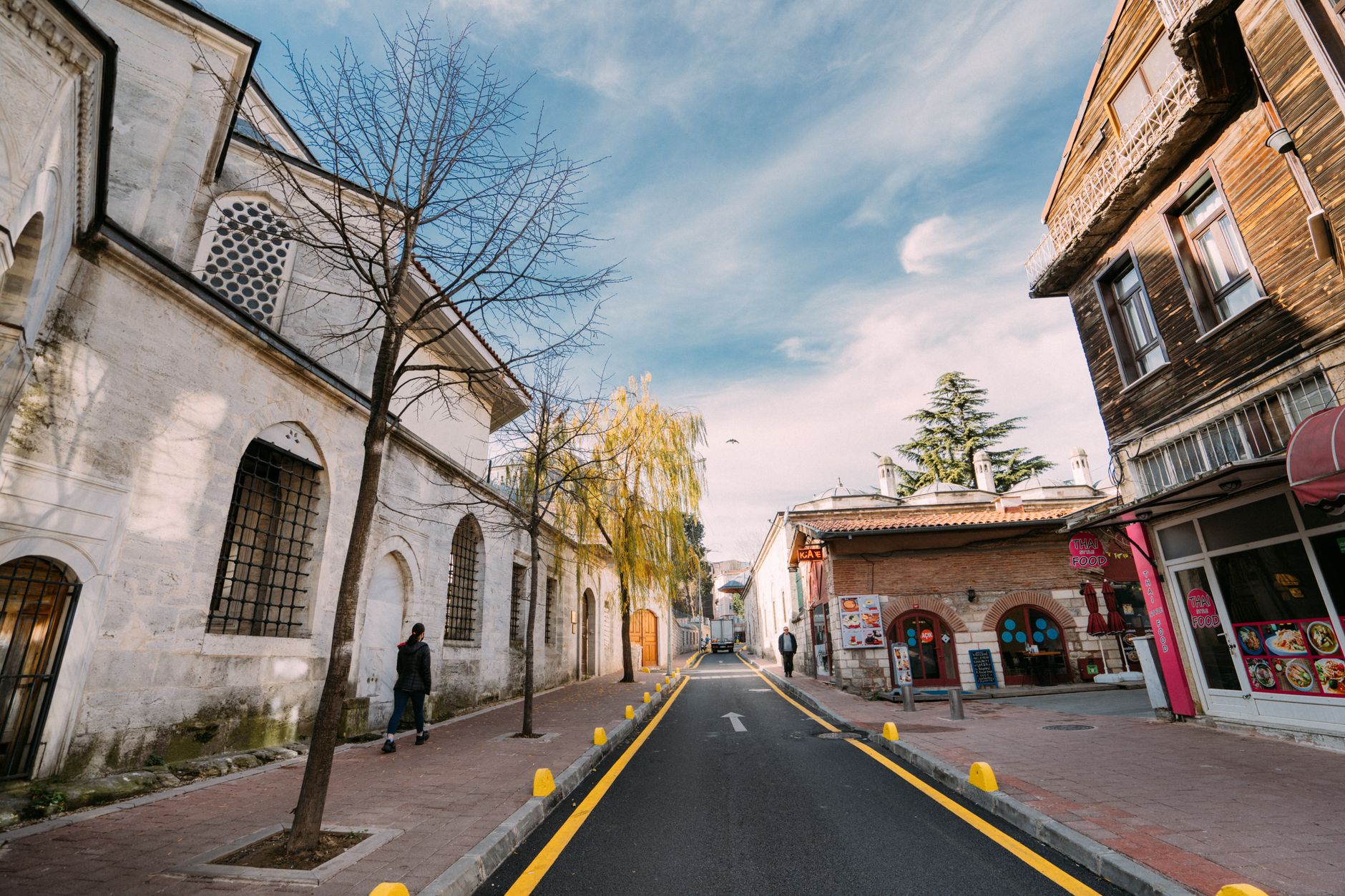
Surallah sits thirty minutes west of Koronadal City and two hours by bus from General Santos Airport. It is primarily an agricultural junction in the Allah Valley, known for the monumental public sculptures by Kublai Millan celebrating South Cotabato’s indigenous, Muslim, and Christian cultures. Surallah is worth visiting if you want an unadorned look at inland Mindanao market life and public folk art. Look elsewhere if you require seaside resorts, late-night cocktail bars, or extensive English signage.
Last updated 25 Sept 2026
Build a Surallah itinerary.
Choose up to 4 threads that pull you in. Your plan arrives organised around them.
The Bed
Where to stay in Surallah
Which part of town to book, and what each one costs you in walking, noise or quiet.
The Comparison
Surallah, or somewhere near it
The places you are realistically choosing between, and the honest case for each.
The Local Record
Where to read more about Surallah
The blogs, boards, guides and operators worth bookmarking.
What to do in Surallah Soccsksargen Philippines
Surallah operates around its wide central junction and agricultural market, backed by the green ridgelines of the Allah Valley. Life here moves to the rhythm of early-morning trade, school runs in motorised tricycles, and late-afternoon snacks at roadside stalls. It suits travellers who appreciate honest provincial towns, monumental public art, and using a grounded base to explore South Cotabato before heading into the higher mountain ranges.
24 hours in Surallah Soccsksargen Philippines
Start early at the town plaza examining the colossal Tri-People cultural monument before the midday heat sets in. Walk two blocks to the public market for pastil and sliced marang. In the afternoon, hire a tricycle out to the surrounding rice fields, finishing with grilled tilapia and cold beer at a highway carinderia. Select 1 Day above to see it.
2 days in Surallah Soccsksargen Philippines
A second day lets you explore the quiet agrarian barangays toward Norala and Banga. Stop at roadside rice mills and roadside fruit stalls, then spend a leisurely lunch eating native chicken tinola. Finish the afternoon inspecting local abaca weavings brought to market by upland craftswomen. Choose 2 Days to expand the plan.
3 days in Surallah Soccsksargen Philippines
Three days allows an easy day trip up the winding road to Lake Sebu for freshwater fish farms and T'boli brass-casting workshops, returning to Surallah for the cooler evening breeze. Use your final morning to explore the Allah River floodplains and enjoy quiet street-side coffee.
Surallah Soccsksargen Philippines itineraries by interest
Public Art in Surallah Soccsksargen Philippines
Inspect Kublai Millan's massive brass and concrete sculptures in the town plaza, honouring T'boli, B'laan, Muslim, and settler traditions.
Markets & Produce in Surallah Soccsksargen Philippines
Browse the morning public market for sweet Allah Valley yellow corn, freshly harvested marang, native bananas, and slabs of yellowfin tuna.
Street Food in Surallah Soccsksargen Philippines
Track down roadside carinderias serving warm pastil wrapped in banana leaves, paired with crisp fried native chicken and spiced vinegar.
Local Agriculture in Surallah Soccsksargen Philippines
Drive along the flat roads of the Allah Valley basin to see vast irrigated rice paddies, coconut groves, and busy grain-drying pavements.
Freshwater Fish in Surallah Soccsksargen Philippines
Sample fresh tilapia delivered daily from nearby Lake Sebu, grilled over charcoal or simmered in ginger broth at roadside dining sheds.
Day Trips in Surallah Soccsksargen Philippines
Catch a passenger van or jeepney up the mountain road to Lake Sebu for ancestral T'boli weaving workshops and the seven cascading falls.
Coffee & Bakeries in Surallah Soccsksargen Philippines
Stop at modest downtown bakeries for pan de sal and sweet Spanish bread alongside robust Robusta brewed dark in aluminium kettles.
Festivals & Celebrations in Surallah Soccsksargen Philippines
Visit in September during the Kasadyahan Festival, when street dancing competitions celebrate the agricultural harvest with brass gongs.
Rural Architecture in Surallah Soccsksargen Philippines
Observe traditional wooden stilt farmsteads and open-sided rice mills operating along the rural barangay roads outside the town centre.
Indigenous Craft in Surallah Soccsksargen Philippines
Purchase handwoven T'nalak abaca textiles and beadwork brought down to town trading posts by T'boli artisans from the surrounding hills.
Local Transport in Surallah Soccsksargen Philippines
Flag down a decorated tricycle or multicab along the National Highway for cheap, breezy hops between town monuments and perimeter barrios.
Regional Soups in Surallah Soccsksargen Philippines
Order a steaming bowl of native chicken tinola flavoured with green papaya and fresh chili leaves at the central transport terminal eateries.