Tagbilaran.


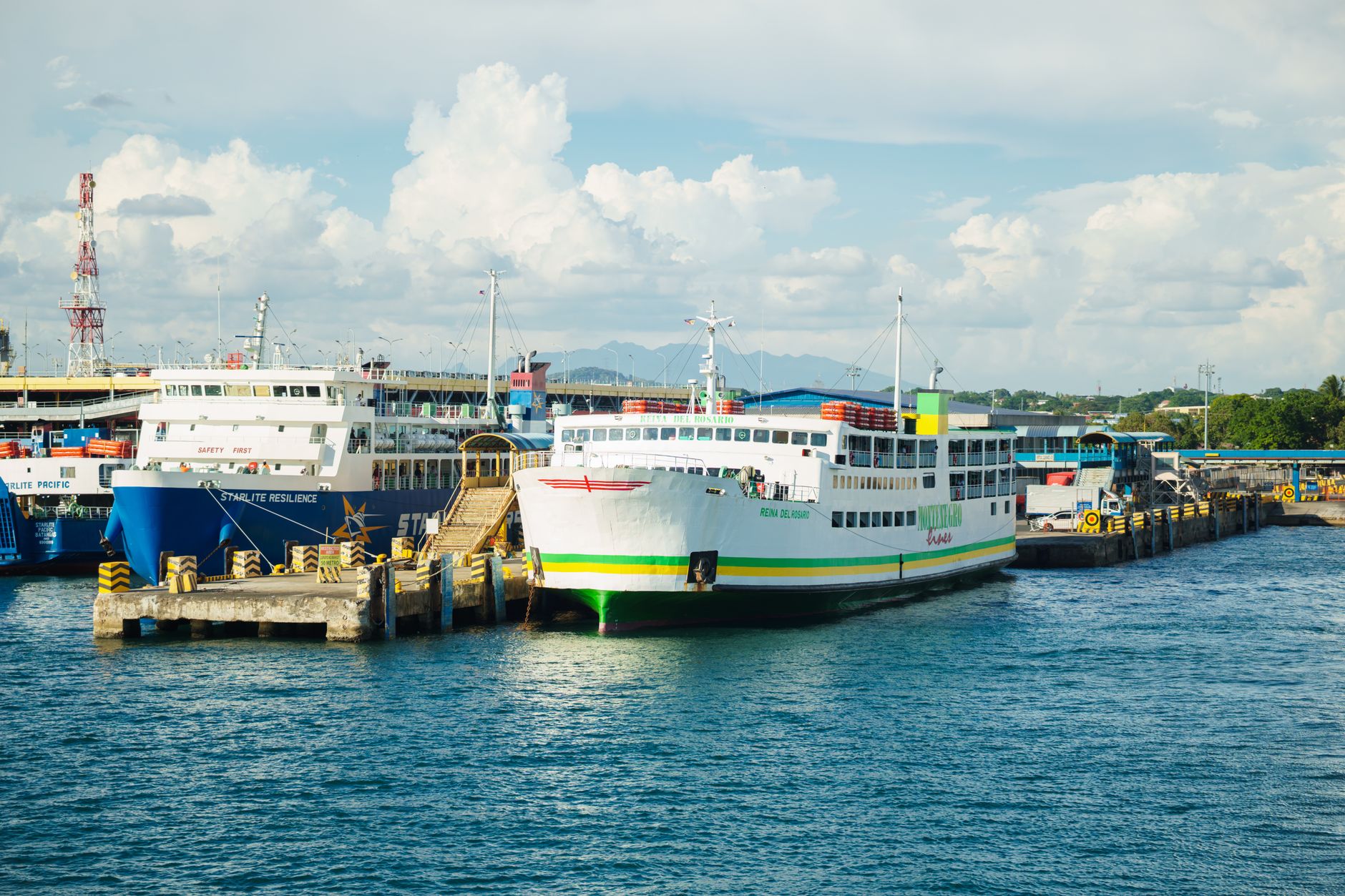

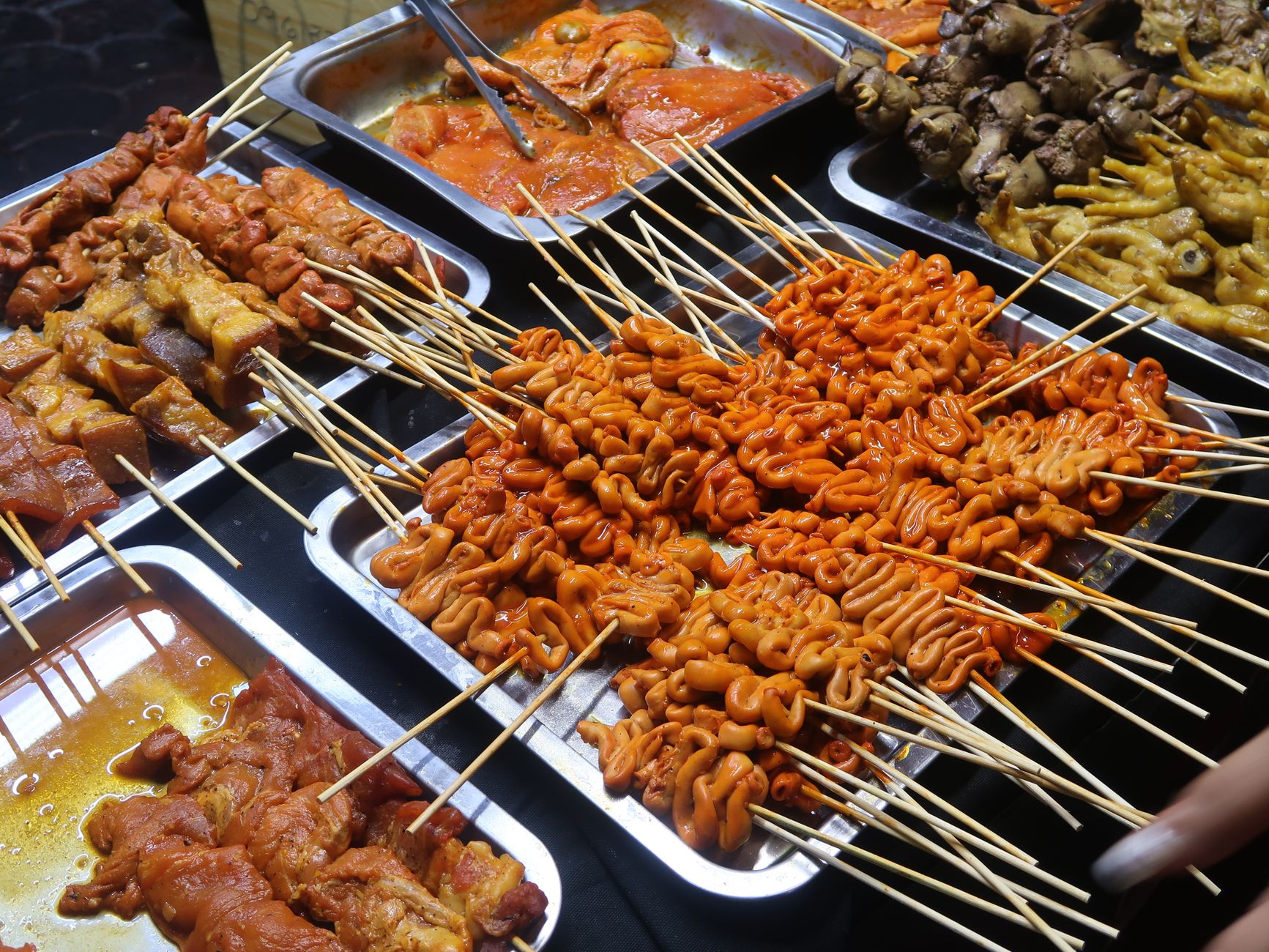

Tagbilaran sits two hours south of Cebu by fast ferry across the Cebu Strait, serving as the port hub and provincial capital of Bohol. It is known for its working waterfront, old stone cathedral, and quiet neighborhood carinderias serving fresh reef fish. Tagbilaran is worth visiting if you want unvarnished market cooking, local tricycle hops, and quiet Spanish-colonial plazas without tourist markups. Look elsewhere if you expect manicured sand beaches, sleek cocktail bars, or walkable resort promenades.
Last updated 12 Nov 2026
Build a Tagbilaran itinerary.
Choose up to 4 threads that pull you in. Your plan arrives organised around them.
The Bed
Where to stay in Tagbilaran
Which part of town to book, and what each one costs you in walking, noise or quiet.
The Comparison
Tagbilaran, or somewhere near it
The places you are realistically choosing between, and the honest case for each.
The Local Record
Where to read more about Tagbilaran
The blogs, boards, guides and operators worth bookmarking.
What to do in Tagbilaran Bohol Philippines
Tagbilaran revolves around its port and central plazas, functioning as a real provincial capital rather than a tourist enclosure. Life runs on tricycle rattles, morning ferry arrivals from Cebu, and bustling markets. It suits travellers who prefer eating stewed pork and fresh jackfruit alongside locals on Carlos P. Garcia Avenue over sitting in air-conditioned resort buffets.
24 hours in Tagbilaran Bohol Philippines
Start early at Dao Public Market for hot ginger broth and sweet sticky rice before touring the coral-stone cathedral and the National Museum. By noon, take a tricycle down to the pier for kinilaw and grilled yellowfin, finishing with sunset coffee along the causeway facing Panglao. Select 1 Day above to see it.
2 days in Tagbilaran Bohol Philippines
A second morning lets you wander the heritage district of Sitio Ubujan and sample rich bowls of slow-simmered balbacua for lunch. Spend the afternoon taking the ten-minute jeepney ride east to Baclayon to explore its 1727 church museum and watch fishing bancas unload. Choose 2 Days to expand the plan.
3 days in Tagbilaran Bohol Philippines
With three days, Tagbilaran becomes your launchpad for the interior. Catch an early bus to the Loboc River valley or the Maribojoc mangroves, returning by late afternoon to escape tourist crowds and eat braised pork humba and freshly made calamay in the old quarter.
Tagbilaran Bohol Philippines itineraries by interest
Local Seafood in Tagbilaran Bohol Philippines
Try kinilaw na isda dressed in native tubô vinegar and calamansi, or sweet grilled squid served at the seaside stalls near the old ferry pier.
Markets & Produce in Tagbilaran Bohol Philippines
Navigate the Dao Central Public Market for bundles of Bohol purple ube kinampay, fresh yellowfin tuna, and blocks of artisanal tablea cacao.
Sacred Architecture in Tagbilaran Bohol Philippines
Inspect the eighteenth-century coral stone walls and bell tower of Saint Joseph the Worker Cathedral facing the shady plaza on Carlos P. Garcia Avenue.
Colonial History in Tagbilaran Bohol Philippines
Visit the National Museum Bohol, housed in the restored 1860 Spanish provincial capitol, to examine pre-colonial burial jars and botanical surveys.
Sweet Treats in Tagbilaran Bohol Philippines
Pick up freshly steamed calamay packed in coconut shells sealed with red crepe paper from local bakeries along Remolador Street.
Street Food in Tagbilaran Bohol Philippines
Eat skewered pork isaw, grilled chicken inasal, and fried kwek-kwek alongside university students at the open-air food stands near Plaza Rizal.
Day Trips in Tagbilaran Bohol Philippines
Ride twenty minutes east to Baclayon to see its 1727 coral-stone church and museum of ecclesiastical vestments before crowds arrive from Panglao.
Craft Traditions in Tagbilaran Bohol Philippines
Browse handwoven raffia and nito vine baskets, wooden kitchenware, and hand-beaten tinware sold in family-run hardware shops along CPG Avenue.
Local Transport in Tagbilaran Bohol Philippines
Hail a hand-painted tricycle customized with biblical verses and roaring two-stroke engines for cheap, breezy short trips across the city center.
Coastal Walks in Tagbilaran Bohol Philippines
Stroll the seaside path at the Tagbilaran Port causeway at dusk to watch bancas return from the strait against the backdrop of Panglao Island.
Traditional Cooking in Tagbilaran Bohol Philippines
Sit down for bowls of balbacua, a rich braised beef stew simmered for six hours with black beans and lemongrass, in roadside hole-in-the-wall joints.
Island Ecology in Tagbilaran Bohol Philippines
Take a ten-minute drive out to the Banacon mangrove nursery to observe birdlife and the expansive coastal reforestation along the shallow tidal mudflats.