Tours.

.jpg)


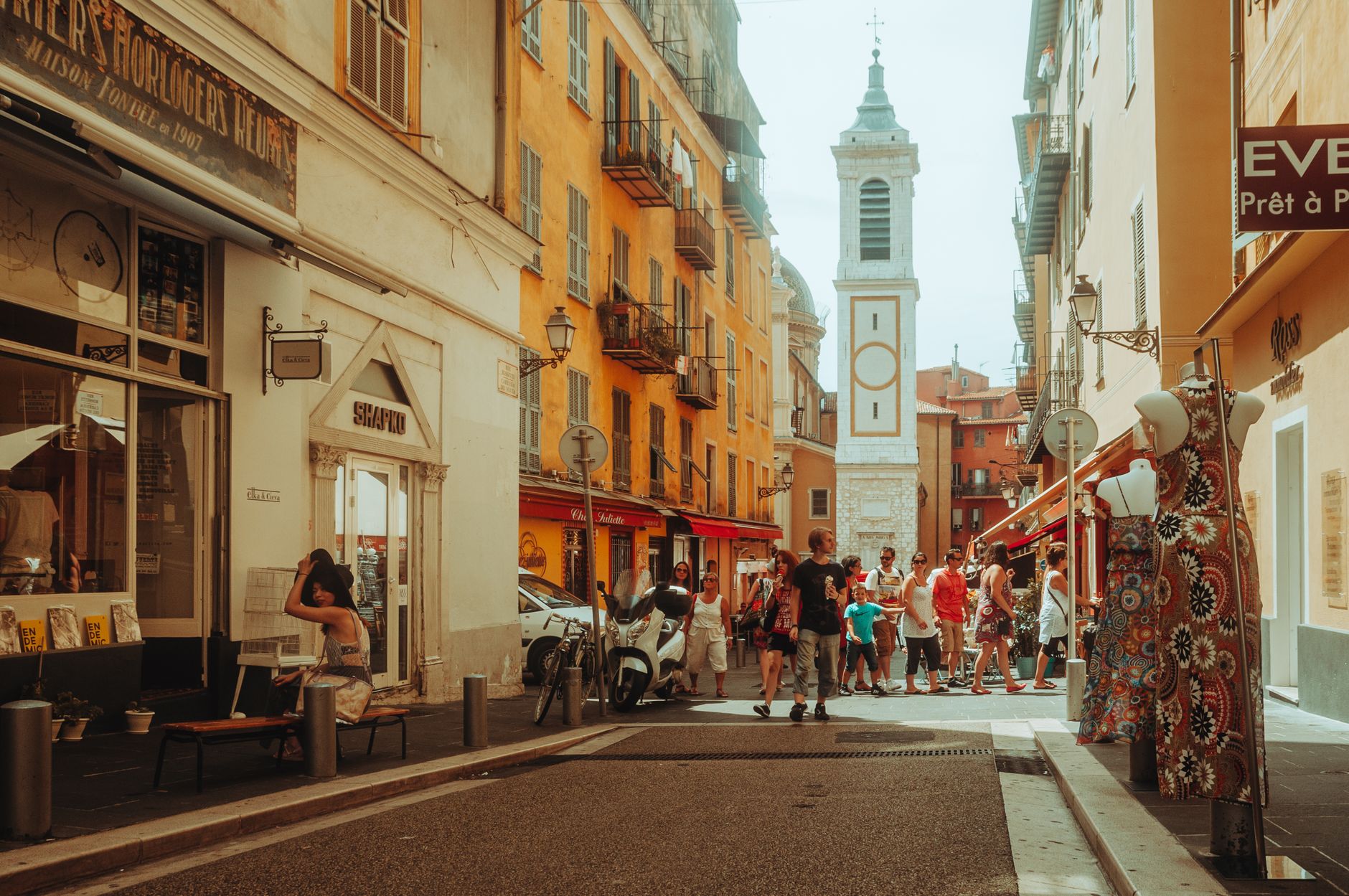
White tuffeau stone defines the Loire, catching low morning light along the riverbanks while cyclists cross the Pont Wilson into the old town. Tours balances the student clatter of Place Plumereau with serious kitchen discipline. It remains the rightful capital of Touraine rillons, rillettes, and cellar-poured Vouvray, where French vowels are supposedly spoken with purest precision. It is an easy, walkable hub that rewards anyone ready to sit outdoors with a glass of crisp Chenin Blanc.
Last updated 28 Aug 2026
Build a Tours itinerary.
Choose up to 4 threads that pull you in. Your plan arrives organised around them.
The Bed
Where to stay in Tours
Which part of town to book, and what each one costs you in walking, noise or quiet.
The Comparison
Tours, or somewhere near it
The places you are realistically choosing between, and the honest case for each.
The Local Record
Where to read more about Tours
The blogs, boards, guides and operators worth bookmarking.
What to do in Tours Loire Valley France
Tours sits neatly between the Loire and Cher rivers, offering a walkable grid of medieval quarters, Renaissance mansions, and lively pedestrian avenues. Days revolve naturally around morning market stalls at Les Halles, leisurely lunches in timber-framed squares, and afternoon visits to quiet cloister courtyards. It suits independent travellers looking for authentic regional cooking, unhurried rail connections, and easy access to Touraine vineyards.
24 hours in Tours Loire Valley France
Start at Les Halles for fresh goat cheese and coffee, then walk through Old Tours to admire Cathédrale Saint-Gatien. Have a lunch of rillons on Rue Colbert, stroll across Pont Wilson to Île Simon, and finish with a cold glass of Vouvray on Place Plumereau. Everything is within twenty minutes on foot. Select 1 Day above to see it.
2 days in Tours Loire Valley France
Spend your second morning exploring the Musée du Compagnonnage before boarding a twenty-minute regional train to Château de Villandry. Return for dinner at a quiet bistro near Place Châteauneuf, pairing Chinon Cabernet Franc with Touraine pike in beurre blanc. Choose 2 Days to expand the plan.
3 days in Tours Loire Valley France
A third day lets you rent a bicycle for the Loire à Vélo route to Rochecorbon's limestone troglodyte caves and wine cellars. Alternatively, take the morning TER train to Amboise or Chenonceaux, returning for an unhurried evening along the riverbank guinguettes.
Tours Loire Valley France itineraries by interest
Local Charcuterie in Tours Loire Valley France
Taste pork rillettes and warm rillons cooked slowly in lard, sliced thick at butcher counters along Rue Colbert or inside the market halls.
Wine & Vineyards in Tours Loire Valley France
Drink dry Chenin Blanc from nearby Vouvray and gravel-grown Cabernet Franc from Chinon, poured without ceremony in neighbourhood wine bars.
Sacred Architecture in Tours Loire Valley France
Walk inside Cathédrale Saint-Gatien to inspect thirteenth-century stained glass, then visit the crypt beneath the modern Basilique Saint-Martin.
Markets & Produce in Tours Loire Valley France
Browse Les Halles de Tours on Rue des Halles for Sainte-Maure-de-Touraine goat cheese, seasonal asparagus, and fresh river pike-perch.
Riverside Walks in Tours Loire Valley France
Stroll along the Loire on Promenade de Fleury or cross Île Simon for quiet water views, willow trees, and summer open-air guinguettes.
Medieval Quarters in Tours Loire Valley France
Wander the timber-framed alleys surrounding Place Plumereau, where fifteenth-century houses lean gently over cafe terraces and cobblestones.
Fine Arts in Tours Loire Valley France
Inspect Mantegna canvases inside the Musée des Beaux-Arts, housed in the former archbishop's palace beside a monumental Lebanese cedar.
Châteaux Day Trips in Tours Loire Valley France
Catch regional trains or cycle out to Villandry for terraced Renaissance gardens, or Azay-le-Rideau reflecting in its river mirror.
Baking Traditions in Tours Loire Valley France
Pick up poire tapée pastries and nougat de Tours, a rich tart of candied fruit, almond frangipane, and apricot glaze from local patisseries.
Cycling Routes in Tours Loire Valley France
Rent a bike and follow the Loire à Vélo trails west along dedicated paths toward Savonnières, passing limestone cliffs and quiet vineyards.
Contemporary Culture in Tours Loire Valley France
Visit the Centre de Création Contemporaine Olivier Debré on Rue Nationale for rotating modern art exhibits in clean, light-filled spaces.
Craft Guilds in Tours Loire Valley France
Explore the Musée du Compagnonnage to view extraordinary masterworks in wood, iron, and stone crafted by traditional French guild journeymen.