Triberg.


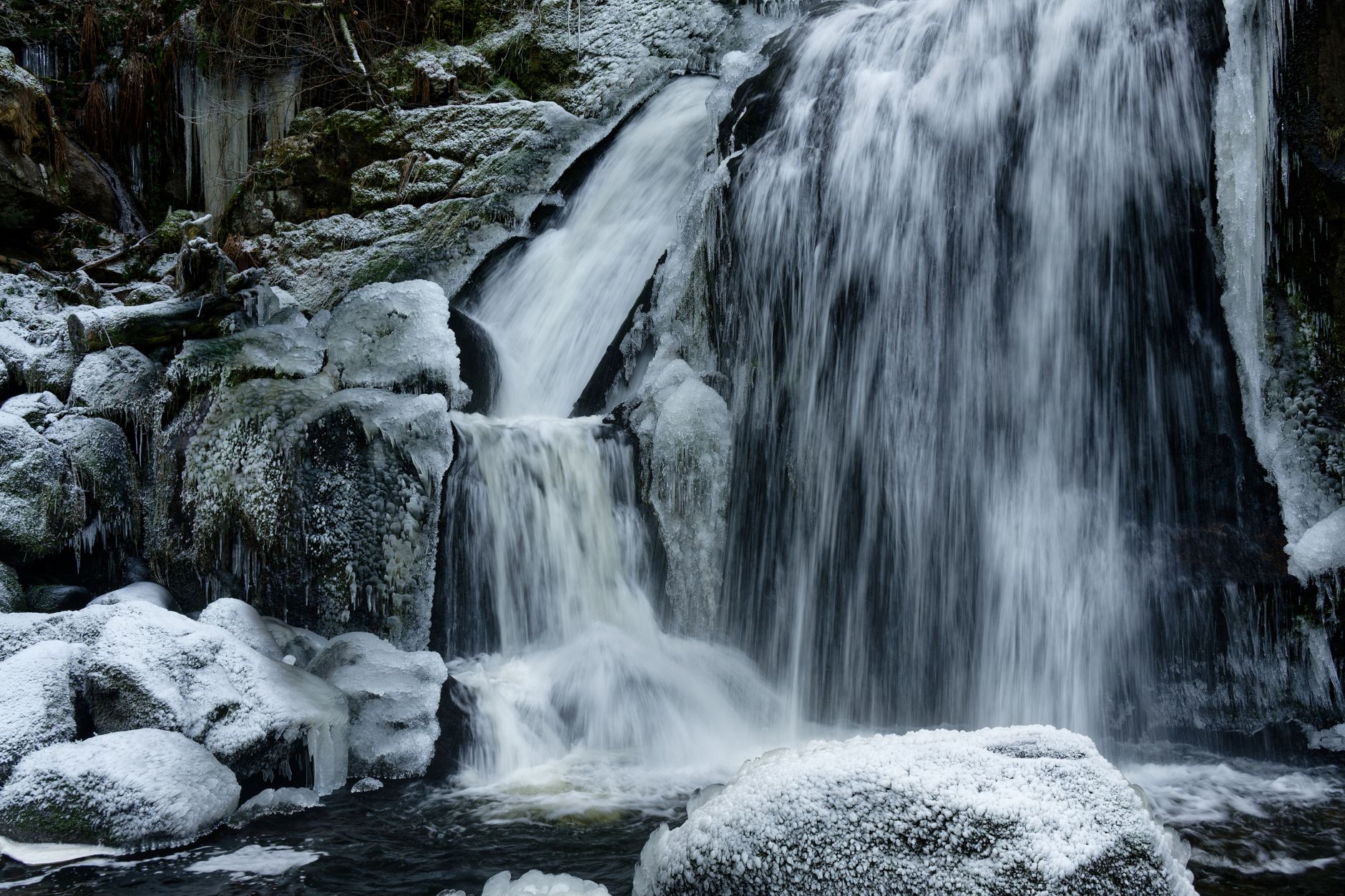
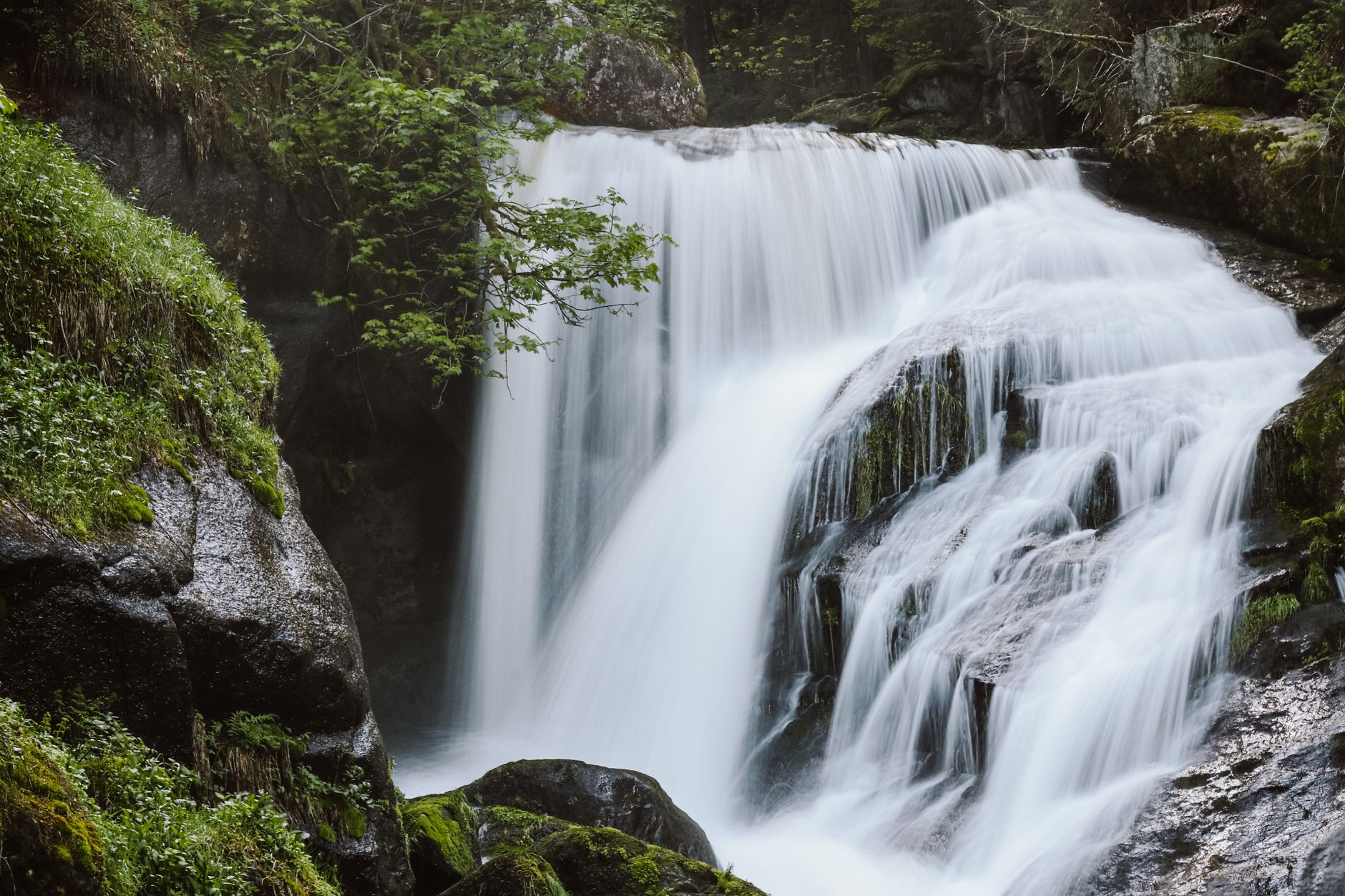
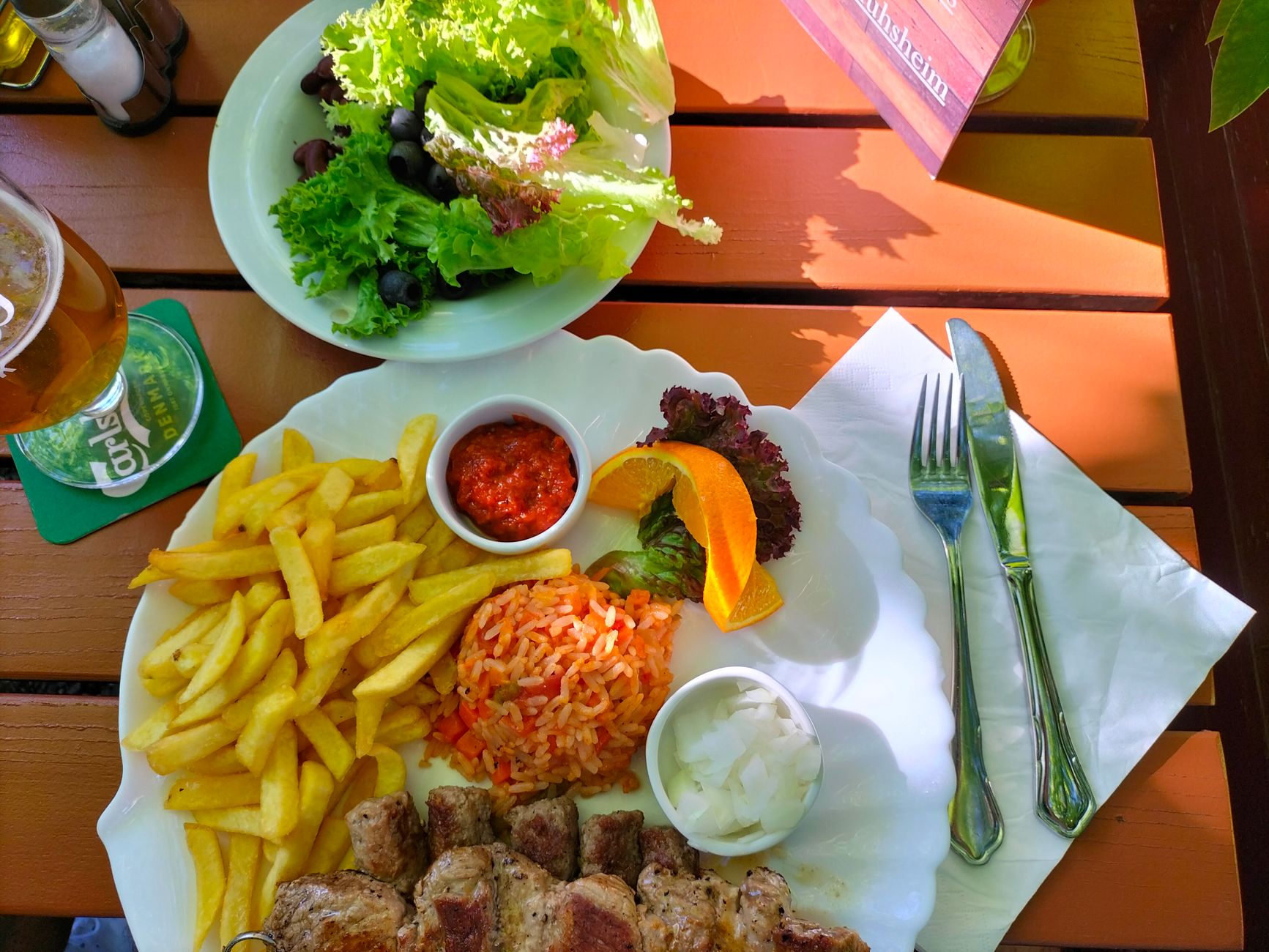
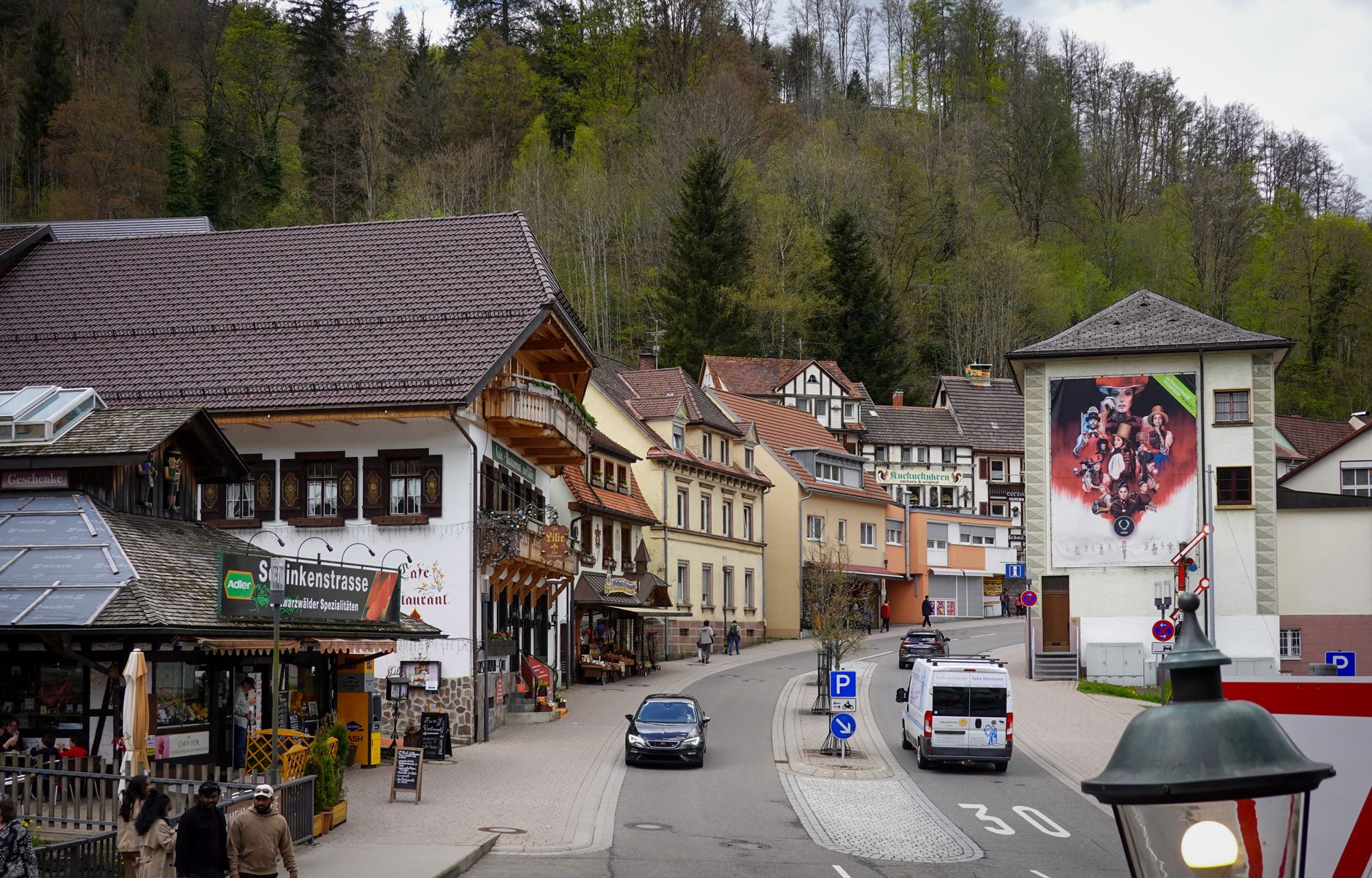
Triberg sits sixty kilometres east of Freiburg along the Schwarzwaldbahn rail line, reachable by direct regional train in roughly ninety minutes. The town is known for its multi-tiered waterfall on the Gutach river and a centuries-old clockmaking craft. Triberg is worth visiting if you want to walk spruce forest trails, study mechanical horology, and eat genuine cherry cake where it belongs. Look elsewhere if you want late-night bars, broad pedestrian plazas, or a sprawling historic old town.
Last updated 1 Nov 2026
Build a Triberg itinerary.
Choose up to 4 threads that pull you in. Your plan arrives organised around them.
The Bed
Where to stay in Triberg
Which part of town to book, and what each one costs you in walking, noise or quiet.
The Comparison
Triberg, or somewhere near it
The places you are realistically choosing between, and the honest case for each.
The Local Record
Where to read more about Triberg
The blogs, boards, guides and operators worth bookmarking.
What to do in Triberg Baden-Württemberg Germany
Triberg hugs a narrow valley carved by the Gutach River, stepping steeply upward along the Hauptstrasse. Days here center on morning walks up the waterfall paths, afternoon explorations of wooden clock workshops, and slow coffee house stops. The scale is modest and vertical, suited to independent walkers and railway travelers who appreciate deep forest air, mechanical history, and unhurried country hospitality.
24 hours in Triberg Baden-Württemberg Germany
Start early at the lower entrance of the Triberg Waterfalls before day-trippers arrive. Climb past the seven cascades, then descend to Cafe Schäfer on Hauptstrasse for a thick slice of Kirschtorte made from the original 1915 recipe. Spend your afternoon in the Schwarzwaldmuseum examining historic barrel organs, finishing with venison Spätzle at a wood-panelled tavern. Select 1 Day above to see it.
2 days in Triberg Baden-Württemberg Germany
Take the short bus ride to nearby Schonach to inspect the world's largest cuckoo clock, then hike the gentle trails of the high plateau down into the valley. Spend the afternoon visiting the Baroque pilgrimage church of Maria in der Tanne. Dine on regional trout and smoked ham at a rural Gasthof, accompanied by a small glass of clear cherry schnapps. Choose 2 Days to expand the plan.
3 days in Triberg Baden-Württemberg Germany
Board the Schwarzwaldbahn train toward Hausach to spend half a day exploring the 16th-century thatched farmhouses at the Vogtsbauernhof open-air museum in Gutach. Return to hike the panoramic trail to the Stockwald area, letting you look out across miles of dark pine ridges before an evening of hearty Maultaschen and local beer back in town.
Triberg Baden-Württemberg Germany itineraries by interest
Local Pastry in Triberg Baden-Württemberg Germany
Sample authentic Schwarzwälder Kirschtorte made with sour morello cherries, Kirschwasser eau-de-vie, whipped cream, and chocolate sponge at Cafe Schäfer.
Waterfalls & Gorges in Triberg Baden-Württemberg Germany
Walk the paved, illuminated footpaths along the Gutach River as it drops 163 metres across seven granite steps through high spruce canopy.
Clockmaking Traditions in Triberg Baden-Württemberg Germany
Examine eighteenth-century wooden gears, painted shield clocks, and intricate automatons inside the comprehensive collections at the Schwarzwaldmuseum.
Forest Hiking in Triberg Baden-Württemberg Germany
Follow the marked Wasserfallweg or Kaskadenweg trails uphill into deep pine stands, connecting to the long-distance Mittelweg walking route.
Regional Rail in Triberg Baden-Württemberg Germany
Ride the Schwarzwaldbahn between Offenburg and Singen, engineered by Robert Gerwig with thirty-seven tunnels and two double loops over steep terrain.
Woodcarving in Triberg Baden-Württemberg Germany
Watch master carvers shape linden wood into traditional cuckoo clock cases and Shrovetide Fastnacht carnival masks along the Hauptstrasse workshops.
Sacred Architecture in Triberg Baden-Württemberg Germany
Visit the 1705 Baroque pilgrimage church Maria in der Tanne, famous for its carved high altar and quiet hillside position above the town centre.
Regional Distilling in Triberg Baden-Württemberg Germany
Taste dry fruit schnapps like Kirschwasser and Zwetschgenwasser distilled from regional Black Forest cherries and plums in local tavern cellars.
Hearty Dining in Triberg Baden-Württemberg Germany
Order smoked Schwarzwälder Schinken, warm Maultaschen, or venison stew served with buttered Spätzle noodles at traditional timbered gasthouses.
Open-Air Museums in Triberg Baden-Württemberg Germany
Head nearby to the Vogtsbauernhof in Gutach to inspect thatched farmhouse architecture, thatched granaries, and rural crafts from the 1600s.
Folk Traditions in Triberg Baden-Württemberg Germany
Learn the history of the Bollenhut headdress with its red and black woolen pom-poms and regional carnival lore at the town cultural exhibits.
Winter Sports in Triberg Baden-Württemberg Germany
Head up to the snowy tracks around Schonach and Rohrhardsberg for groomed cross-country ski trails and the traditional Nordic combined ski jumps.