.jpg)
.jpg)
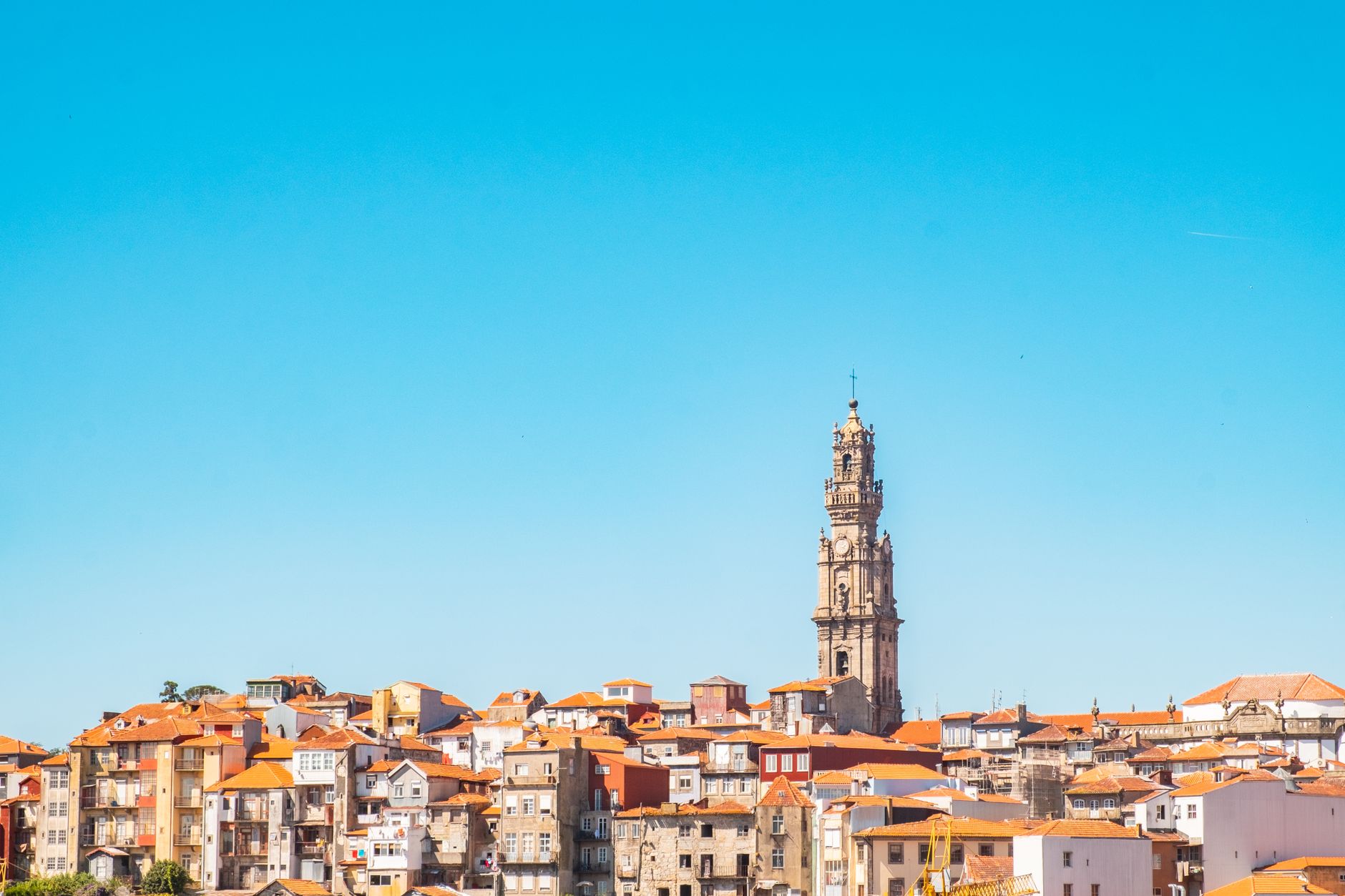
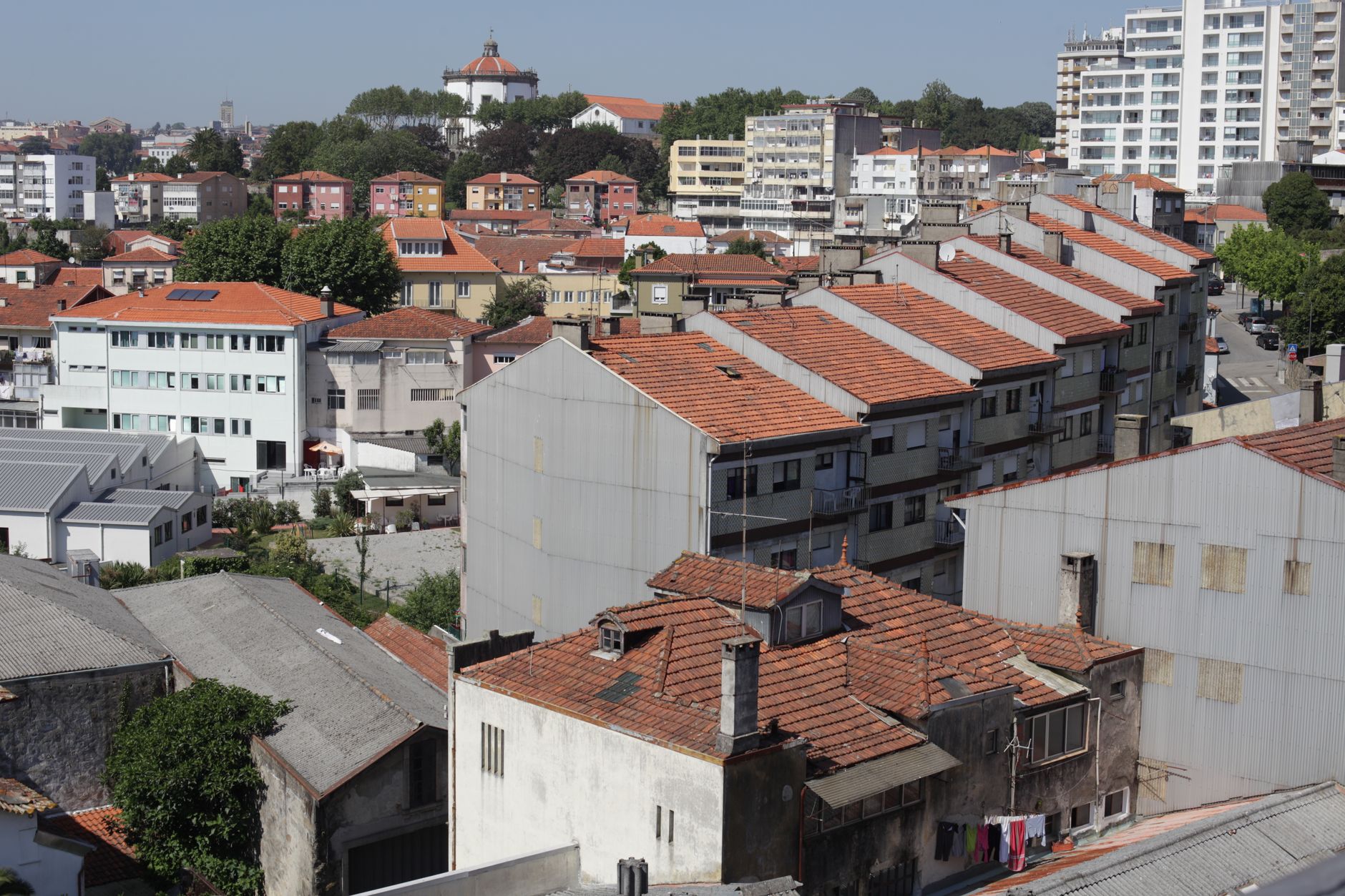
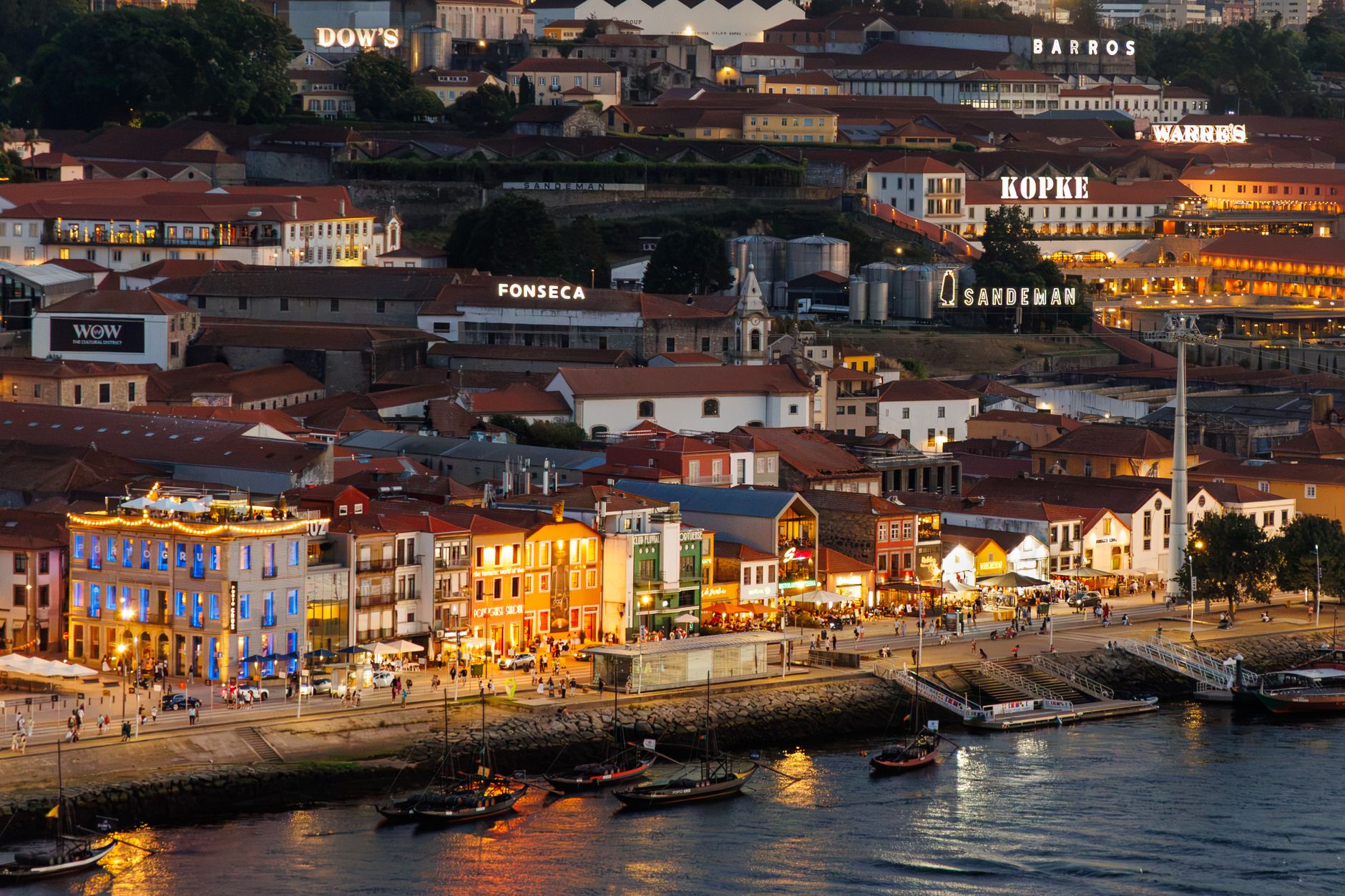

Timber rabelo boats bump against the granite quays while oak casks rest in cavernous lodges cut into the hillside. Look across the Douro and you get the grand view of Porto; cross the bridge to Gaia and you get the actual wine. The British and Portuguese shippers built their warehouses here in the eighteenth century to dodge northern river taxes, and the trade still dictates the daily rhythm. Uphill, the tourist throngs thin out into quiet cooperages. Vila Nova de Gaia is worth visiting if you want to study aged tawnies at the source and eat charcoal-grilled sardines in a working fishing quarter. Look elsewhere if you want late-night bars, flat walking routes, or major cultural sights beyond the wine trade.
Last updated 3 Sept 2026
Build a Vila Nova de Gaia itinerary.
Choose up to 4 threads that pull you in. Your plan arrives organised around them.
The Bed
Where to stay in Vila Nova de Gaia
Which part of town to book, and what each one costs you in walking, noise or quiet.
The Comparison
Vila Nova de Gaia, or somewhere near it
The places you are realistically choosing between, and the honest case for each.
The Local Record
Where to read more about Vila Nova de Gaia
The blogs, boards, guides and operators worth bookmarking.
What to do in Vila Nova de Gaia Porto Portugal
Gaia sits on the southern bank of the Douro, directly facing Porto's historic core. The town splits neatly between its lower riverfront lined with historic port wine lodges, the high bluffs around Serra do Pilar, and an Atlantic coastline of wooden boardwalks and fishing communities. It suits travellers who prefer unhurried cellar tastings, authentic seafood grilled street-side, and evening strolls away from the denser crowds across the bridge.
24 hours in Vila Nova de Gaia Porto Portugal
Cross the lower deck of the Dom Luís I Bridge by 9:30 AM for a cellar tour at Graham's or Ferreira. Grab lunch at Mercado Beira-Rio, then ride the cable car up to Jardim do Morro for sunset across the river. Finish with grilled robalo in Afurada, an easy ten-minute taxi west. Select 1 Day above to see it.
2 days in Vila Nova de Gaia Porto Portugal
A second day lets you hire a bicycle and follow the coastal path to the parish of São Pedro da Afurada and out to Miramar. Have a leisurely lunch of grilled sardines beside the salt air, then visit the tide-wrapped chapel of Senhor da Pedra before returning for dinner in Vila d'Este. Choose 2 Days to expand the plan.
3 days in Vila Nova de Gaia Porto Portugal
With three days, take a morning riverboat cruise from Cais de Gaia into the lower Douro Valley, or spend a quiet morning birdwatching at the Douro Estuary Reserve. Dedicate the final evening to a long tasting of rare vintage ports paired with local cheeses back in the cellars.
Vila Nova de Gaia Porto Portugal itineraries by interest
Wine Culture in Vila Nova de Gaia Porto Portugal
Tour the dim eighteenth-century cellars of Taylor's, Graham's, and Cockburn's to taste vintage ports and dry white aperitifs drawn from seasoned oak.
Local Seafood in Vila Nova de Gaia Porto Portugal
Head west to São Pedro da Afurada where local fishermen grill whole sardines and sea bass over communal charcoal braziers directly on the street.
Sacred Architecture in Vila Nova de Gaia Porto Portugal
Climb up to the circular sixteenth-century cloister of Mosteiro da Serra do Pilar and visit the wave-lashed beach chapel of Senhor da Pedra in Miramar.
Coastal Walks in Vila Nova de Gaia Porto Portugal
Follow the wooden boardwalk from Praia de Lavadores down past the granite coves of Francelos, catching the Atlantic breeze along the coastal trail.
Modern Architecture in Vila Nova de Gaia Porto Portugal
Ride the Gaia cable car along the riverfront to inspect the sweeping steel arches of the 1886 Dom Luís I Bridge engineered by Théophile Seyrig.
Markets & Produce in Vila Nova de Gaia Porto Portugal
Browse the stalls at Mercado Municipal Beira-Rio for regional sheep cheeses, Queijo da Serra, smoked linguiça, and fresh custard tarts by the glass.
Maritime History in Vila Nova de Gaia Porto Portugal
Inspect traditional wooden rabelo cargo boats moored along Cais de Gaia, once used to navigate treacherous Douro rapids carrying raw barrels from quintas.
Scenic Viewpoints in Vila Nova de Gaia Porto Portugal
Stand on the terrace of Jardim do Morro at dusk as the terracotta rooftops and church towers of Ribeira catch the evening sun across the river.
Nature Reserves in Vila Nova de Gaia Porto Portugal
Walk the flat wooden trails of the Douro Estuary Nature Reserve at Cabedelo to watch herons, egrets, and cormorants feed where river water meets the sea.
Beaches in Vila Nova de Gaia Porto Portugal
Spend a calm afternoon on the wide sands of Praia da Madalena and Praia de Miramar, backed by breezy beach bars serving chilled glasses of Vinho Verde.
Contemporary Art in Vila Nova de Gaia Porto Portugal
Explore the cultural spaces of WOW, the World of Wine district, featuring interactive galleries dedicated to cork, Portuguese history, and chocolate.
Craft Traditions in Vila Nova de Gaia Porto Portugal
Watch coopers repair centuries-old French and American oak vats with hand tools in the working barrel storehouses tucked behind the riverfront.