


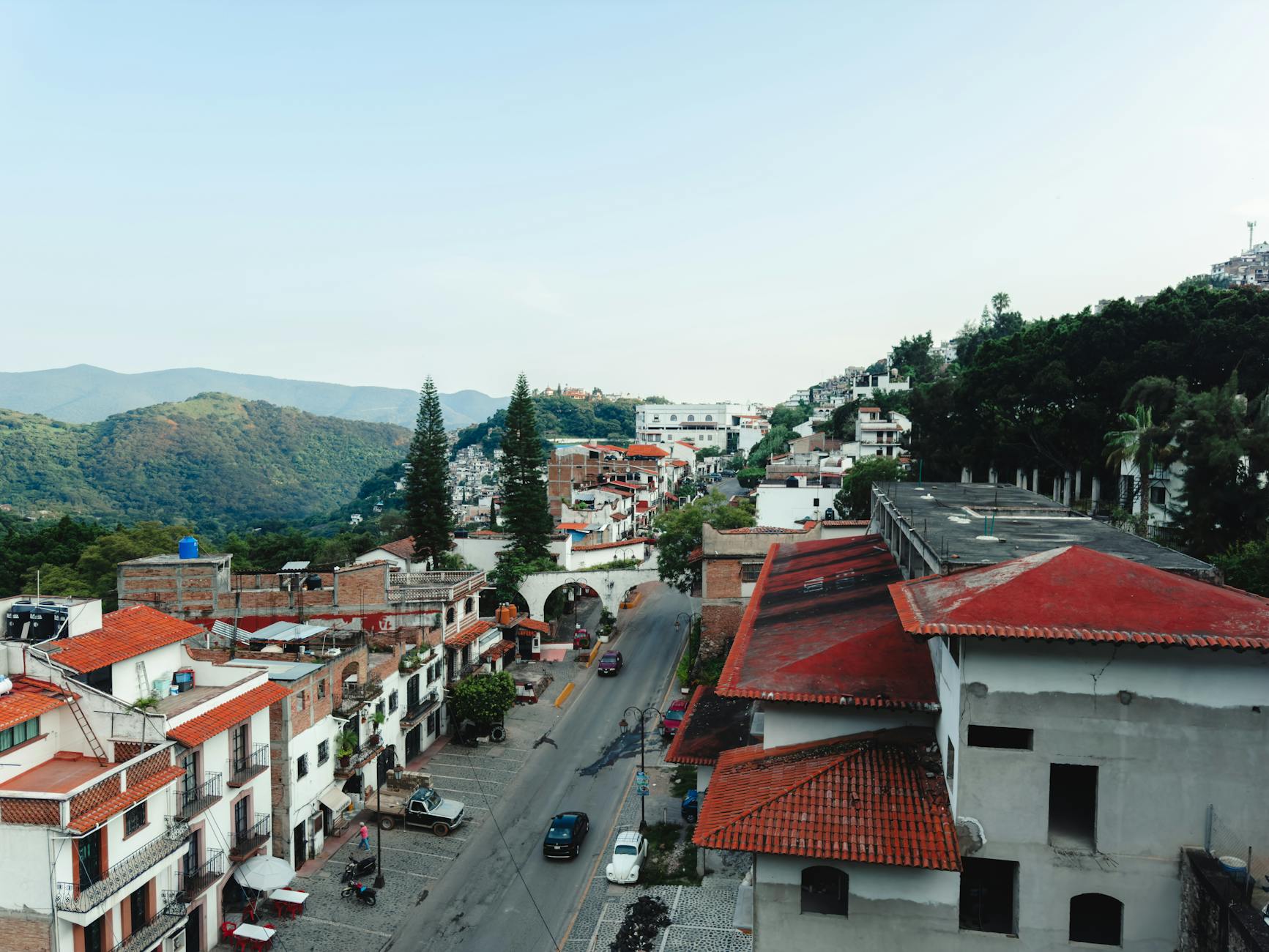
Sitting 45 minutes south of Puerto Vallarta by water taxi, Yelapa is an off-grid fishing village cut off from the coastal highway by sheer jungle mountains. It is known for its roadless dirt paths, boat-only access, and freshly caught Pacific seafood served under palapa roofs. Yelapa is worth visiting if you want to swim in calm tidal coves and hike to inland waterfalls with no car traffic in earshot. Look elsewhere if you require paved streets, late-night dance clubs, or air-conditioned resort infrastructure.
Last updated 24 Nov 2026
Build a Yelapa itinerary.
Choose up to 4 threads that pull you in. Your plan arrives organised around them.
The Bed
Where to stay in Yelapa
Which part of town to book, and what each one costs you in walking, noise or quiet.
The Comparison
Yelapa, or somewhere near it
The places you are realistically choosing between, and the honest case for each.
The Local Record
Where to read more about Yelapa
The blogs, boards, guides and operators worth bookmarking.
What to do in Yelapa Jalisco Mexico
Life in Yelapa follows the tides and water taxi arrivals. The bay splits into two distinct parts: the main beach where river currents meet the sea, and El Pueblo, the residential village tucked into the hillside. Days are spent hiking up the river canyon to freshwater pools, reading in hammocks, or eating fresh ceviche under palm thatch. It suits independent walkers, swimmers, and anyone happy trading roads and resort amenities for mule trails and ocean quiet.
24 hours in Yelapa Jalisco Mexico
Catch the 8:00 AM water taxi from Boca de Tomatlán. Walk through El Pueblo to the lower village waterfall before midday heat sets in. For lunch, order grilled red snapper at a beach palapa on Playa Principal. Spend the late afternoon swimming the bay, then catch a sunset drink of raicilla before the last water taxi back. Select 1 Day above to see it.
2 days in Yelapa Jalisco Mexico
A second day allows a morning hike up the Tuito river valley to the cathedral-high upper waterfall, a three-hour round trip on dirt paths. Afterwards, head over the headland to Playa Isabel for cold Pacifico beer and a plate of shrimp aguachile far away from the day-tripper boats. Choose 2 Days to expand the plan.
3 days in Yelapa Jalisco Mexico
Three days gives you time to hire a local boat captain for an early morning run down the coast to Pizota or Quimixto. You can spend unhurried hours exploring the inland farming paths behind the village, chatting with bakers making afternoon pie deliveries, and catching bioluminescent plankton after dark in the cove.
Yelapa Jalisco Mexico itineraries by interest
Local Seafood in Yelapa Jalisco Mexico
Order whole huachinango zarandeado grilled over wood coals and aguachile de camarón tossed with lime, red onion, and serrano chilies.
Hiking in Yelapa Jalisco Mexico
Climb the stone trail into the Tuito valley to reach the upper Cascada waterfall, passing through thick canopies of fig and cecropia trees.
Home Baking in Yelapa Jalisco Mexico
Flag down the beach vendors balancing round plastic tubs of fresh coconut, chocolate, and banana pie baked daily in village family ovens.
Coastal Walks in Yelapa Jalisco Mexico
Walk the rocky coastal footpaths connecting Playa Principal to the quiet cove at Playa Isabel, watching brown pelicans dive into the surf.
Traditional Spirits in Yelapa Jalisco Mexico
Sip small-batch raicilla, the smoky regional agave spirit distilled in the Sierra Madre hills and served neat with fresh orange slices.
Beaches in Yelapa Jalisco Mexico
Swim the gold sand cove along Bahía de Banderas where the Tuito River meets the ocean, calm enough for morning wading before boat swells arrive.
River Walks in Yelapa Jalisco Mexico
Wade along the shallow gravel beds of the Río El Tuito past village footbridges and small stone houses bordered by hibiscus and bougainvillea.
Snorkelling in Yelapa Jalisco Mexico
Charter a panga out to the rocky reefs of Los Arcos or Majahuitas Cove to spot spotted eagle rays, damselfish, and green moray eels.
Birdwatching in Yelapa Jalisco Mexico
Spot military macaws, yellow-winged caciques, and lineated woodpeckers along the quiet, shaded canopy of the river canyon at sunrise.
Day Trips in Yelapa Jalisco Mexico
Take a morning water taxi south to the isolated beach cove of Pizota for grilled fish on empty sand with zero road access or crowds.
Village Life in Yelapa Jalisco Mexico
Wander the stepped concrete alleyways of El Pueblo to find grocery tiendas, donkey traffic, and community squares free of modern vehicles.
Ocean Kayaking in Yelapa Jalisco Mexico
Paddle a sit-on-top kayak around Punta Carricitos at dawn when the water in the bay is glass-flat and local fishing pangas head out.