

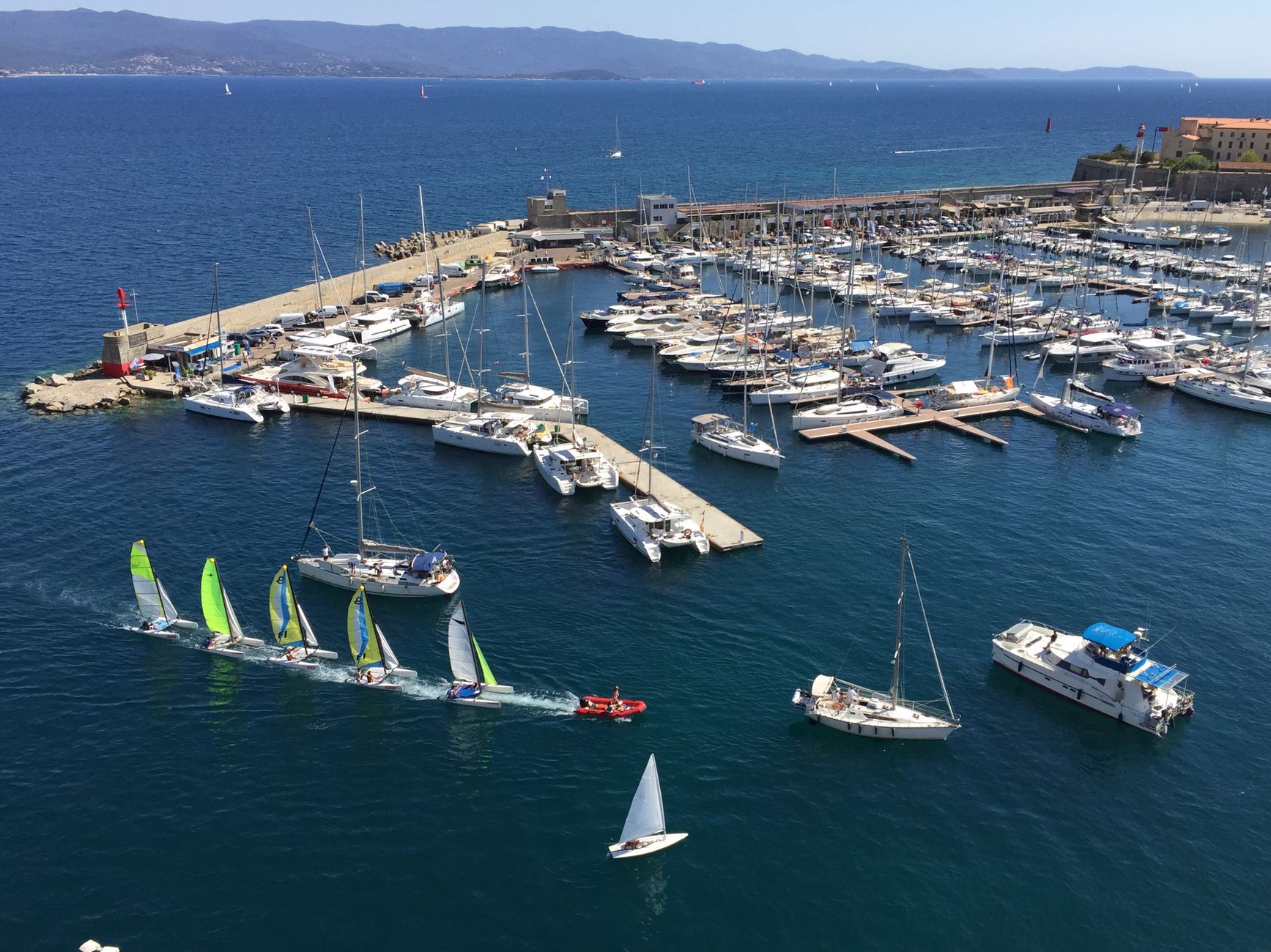


The morning car ferry rattles against the quayside at Port Tino Rossi, spilling pedestrians into a town of ochre facades and tall palm trees. Born as a Genoese garrison, Ajaccio remains fiercely proud of its favourite son, Napoleon, whose family home sits quietly on Rue Saint-Charles. Beyond imperial marble, daily life turns on the clatter of café saucers on Place Foch, salty sea breezes along Boulevard Lantivy, and wooden fishing boats delivering red mullet before the midday heat settles in.
Last updated 28 Aug 2026
Build a Ajaccio itinerary.
Choose up to 4 threads that pull you in. Your plan arrives organised around them.
The Bed
Where to stay in Ajaccio
Which part of town to book, and what each one costs you in walking, noise or quiet.
The Comparison
Ajaccio, or somewhere near it
The places you are realistically choosing between, and the honest case for each.
The Local Record
Where to read more about Ajaccio
The blogs, boards, guides and operators worth bookmarking.
What to do in Ajaccio Corsica France
Ajaccio wraps comfortably around its deep natural bay, balancing relaxed seaside pacing with dense Mediterranean history. Most days here run on foot between morning market stalls, shady café terraces on Place des Palmiers, and quiet museum galleries. It suits travellers who appreciate unpretentious regional cooking, coastal trails within bus reach, and a town that remains solidly itself even when the cruise ships dock.
24 hours in Ajaccio Corsica France
Start early at Place Foch for warm chestnut beignets and espresso. Spend an hour inside Maison Bonaparte on Rue Saint-Charles, then grab a plate of grilled sea bream along the marina. Walk off lunch through the Old Town alleys before catching the late afternoon bus out to Pointe de la Parata for the sunset. Select 1 Day above to see it.
2 days in Ajaccio Corsica France
Dedicate your morning to the Italian masters at Palais Fesch on Rue Fesch, taking advantage of the quiet courtyards. In the afternoon, head west to Capo di Feno for dramatic surf, then book a table in town for wild boar stew paired with a carafeful of local Sciaccarellu. Choose 2 Days to expand the plan.
3 days in Ajaccio Corsica France
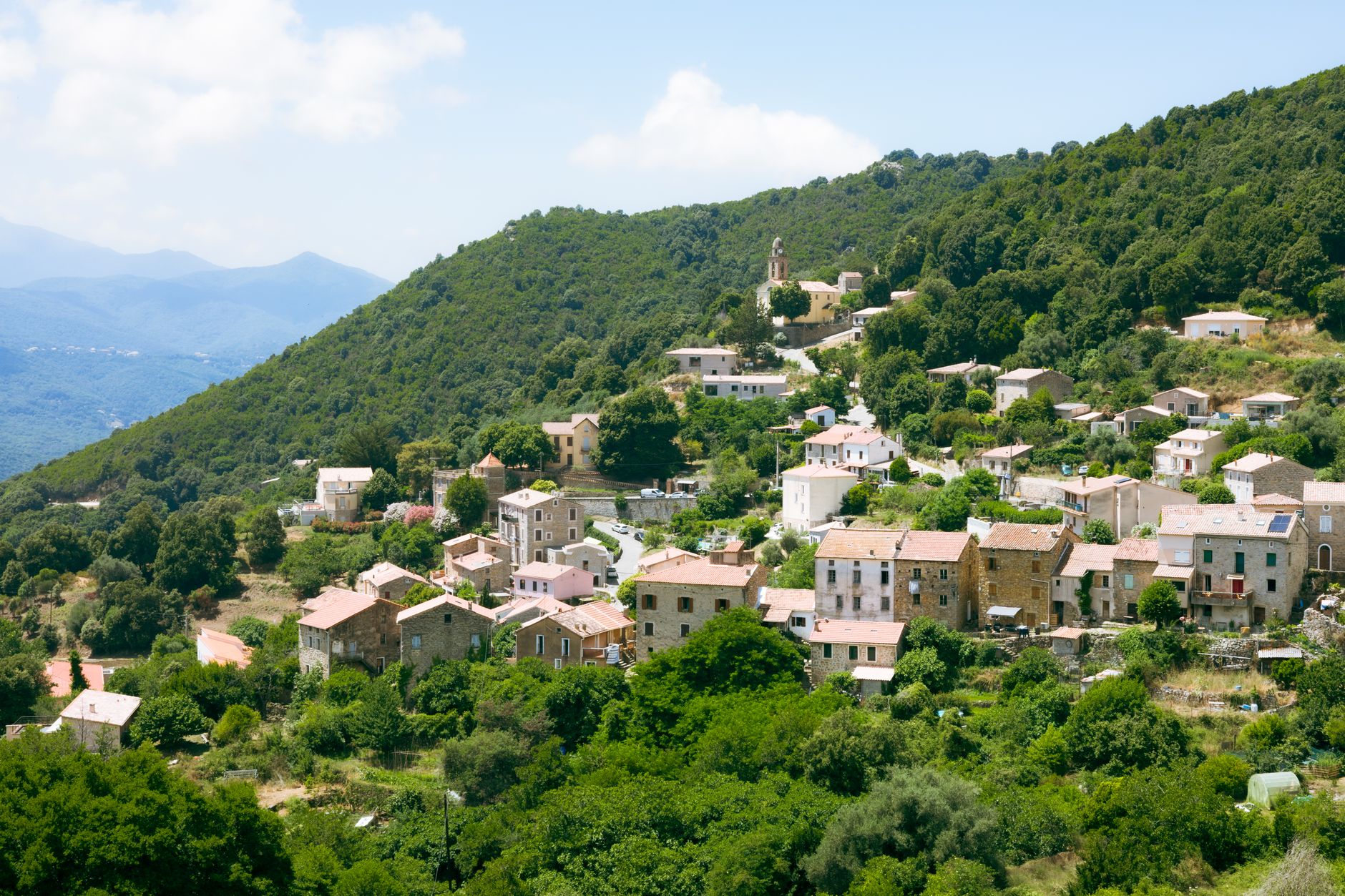
With three days, venture beyond the urban limits. Hike the ridge of the Sentier des Crêtes in the morning cool, then take an afternoon drive into the Gravona Valley to visit small mountain producers making aged tomme and charcuterie, ending with a swim at quiet Plage de Barbicaja.
Ajaccio Corsica France itineraries by interest
Local Seafood in Ajaccio Corsica France
Order grilled rouget or spiny lobster caught in the gulf, followed by a bowl of aziminu fish stew simmered with saffron, wild fennel, and white wine.
Markets & Produce in Ajaccio Corsica France
Weave through Place Foch for wheels of aged sheep's milk tomme, smoked lonzu, seasonal brocciu cheese, and jars of dark maquis chestnut honey.
Wine & Vineyards in Ajaccio Corsica France
Taste peppery reds and pale rosés pressed from native Sciaccarellu and Niellucciu grapes at cellars across the granite slopes of the Mezzavia valley.
Historic Architecture in Ajaccio Corsica France
Walk the 16th-century Genoese citadel walls and visit the 18th-century Maison Bonaparte on Rue Saint-Charles, where Napoleon spent his early childhood.
Coastal Walks in Ajaccio Corsica France
Follow the coastal footpath to the 16th-century granite tower at Pointe de la Parata, with views extending across the red rocks of the Sanguinaires.
Fine Arts in Ajaccio Corsica France
Browse the vast Italian Renaissance collection at Palais Fesch, assembled by Cardinal Fesch, featuring masterworks by Botticelli, Titian, and Bellini.
Beaches & Coves in Ajaccio Corsica France
Walk straight from town to Plage Saint-François, or drive twenty minutes west across the maquis to the Atlantic-style swells at Capo di Feno.
Baking Traditions in Ajaccio Corsica France
Stop at neighbourhood bakeries for aniseed canistrelli biscuits, chestnut flour fiadone cakes, and savoury bastelle stuffed with wild blettes and onions.
Sacred Sites in Ajaccio Corsica France
Step into the ochre-toned 16th-century Cathédrale Notre-Dame-de-l'Assomption to see Delacroix's painting and the marble font used for Bonaparte's baptism.
Island Day Trips in Ajaccio Corsica France
Board a morning ferry from Port Tino Rossi across the bay to Porticcio, or take a boat excursion around the jagged red granite Îles Sanguinaires.
Mountain Hiking in Ajaccio Corsica France
Climb the Sentier des Crêtes above town through scrubby strawberry trees and myrtle bushes, gaining clear panoramas over the entire Gulf of Ajaccio.
Charcuterie Traditions in Ajaccio Corsica France
Seek out traditional pork butchers slicing dry-cured figatellu, coppa, and prisuttu aged through the damp winter air of the inland mountain villages.