


Ambon sits in the central Maluku archipelago, reached via a three-hour flight east from Jakarta or Makassar. The island is defined by its deep bay, seventeenth-century spice forts, and a food culture built on fresh skipjack tuna and sago papeda. Ambon is worth visiting if you want macro muck diving and rich fish soups eaten beside working wharves. Look elsewhere if you want curated resort strips, walkable pedestrian boulevards, or dry weather from May to August.
Last updated 25 Sept 2026
Build a Ambon itinerary.
Choose up to 4 threads that pull you in. Your plan arrives organised around them.
The Bed
Where to stay in Ambon
Which part of town to book, and what each one costs you in walking, noise or quiet.
The Comparison
Ambon, or somewhere near it
The places you are realistically choosing between, and the honest case for each.
The Local Record
Where to read more about Ambon
The blogs, boards, guides and operators worth bookmarking.
What to do in Ambon Maluku Indonesia
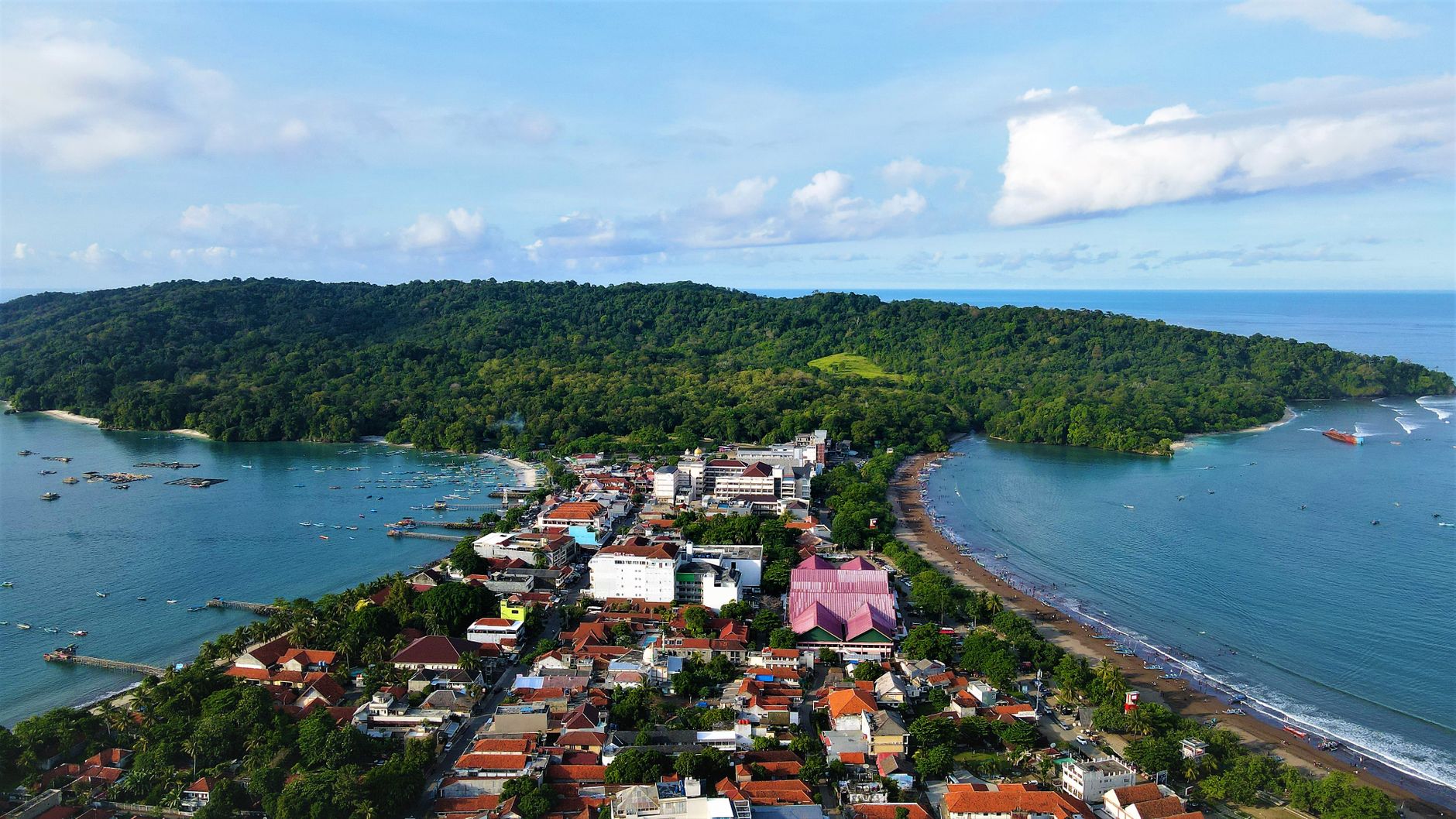
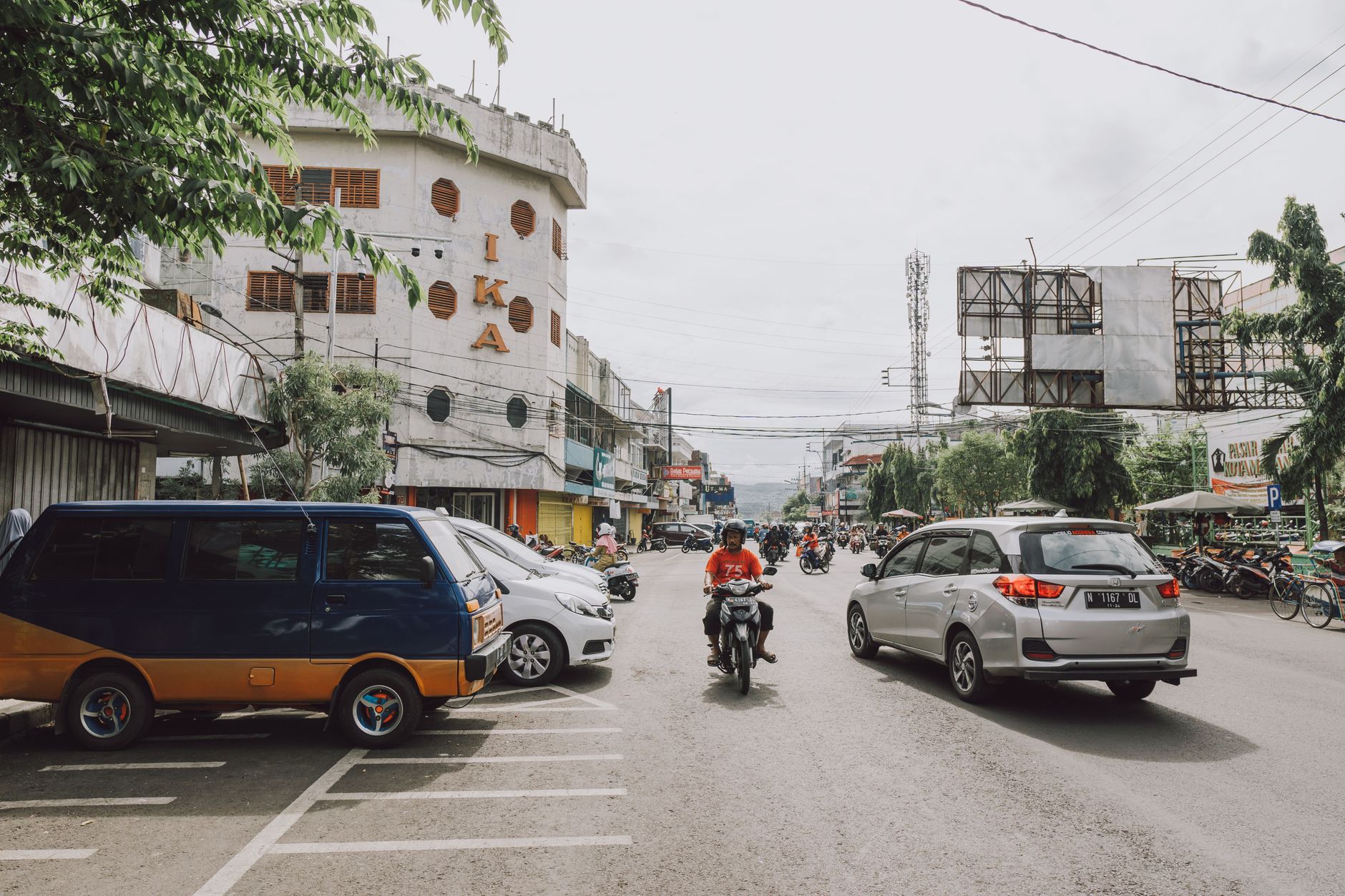
Life here hugs the shoreline of a dramatic horseshoe bay, framed by jungle-covered ridges. Ambon is an energetic port town where days start early around Pasar Mardika and conclude with coffee along the water. It suits independent travellers who value marine biodiversity, living colonial history, and unvarnished coastal food stalls over polished amenities.
24 hours in Ambon Maluku Indonesia
Start at dawn browsing yellowfin at Pasar Mardika, then take a twenty-minute drive north to examine the 1414 Wapauwe Old Mosque in Kaitetu. Return to the town centre for a lunch of ikan kuah kuning and sago, and finish before dusk listening to the harbour traffic from the stone walls of Fort Victoria. Select 1 Day above to see it.
2 days in Ambon Maluku Indonesia
Dedicate your second day to the south coast. Hire an ojek to the limestone arch at Pintu Kota, followed by a swim at Liang Beach. Stop on the return leg at Natsepa for fruit salad tossed in crushed kenari nut sauce, then dine on smoked cakalang at a seaside warung in Galala. Choose 2 Days to expand the plan.
3 days in Ambon Maluku Indonesia
A third day allows a morning boat crossing from Tulehu port across the strait to Saparua. Explore seventeenth-century Fort Duurstede, walk quiet nutmeg groves in the interior hills, and return to Ambon by late afternoon for coffee and spiced bagea cookies along Jalan AY Patty.
Ambon Maluku Indonesia itineraries by interest
Local Seafood in Ambon Maluku Indonesia
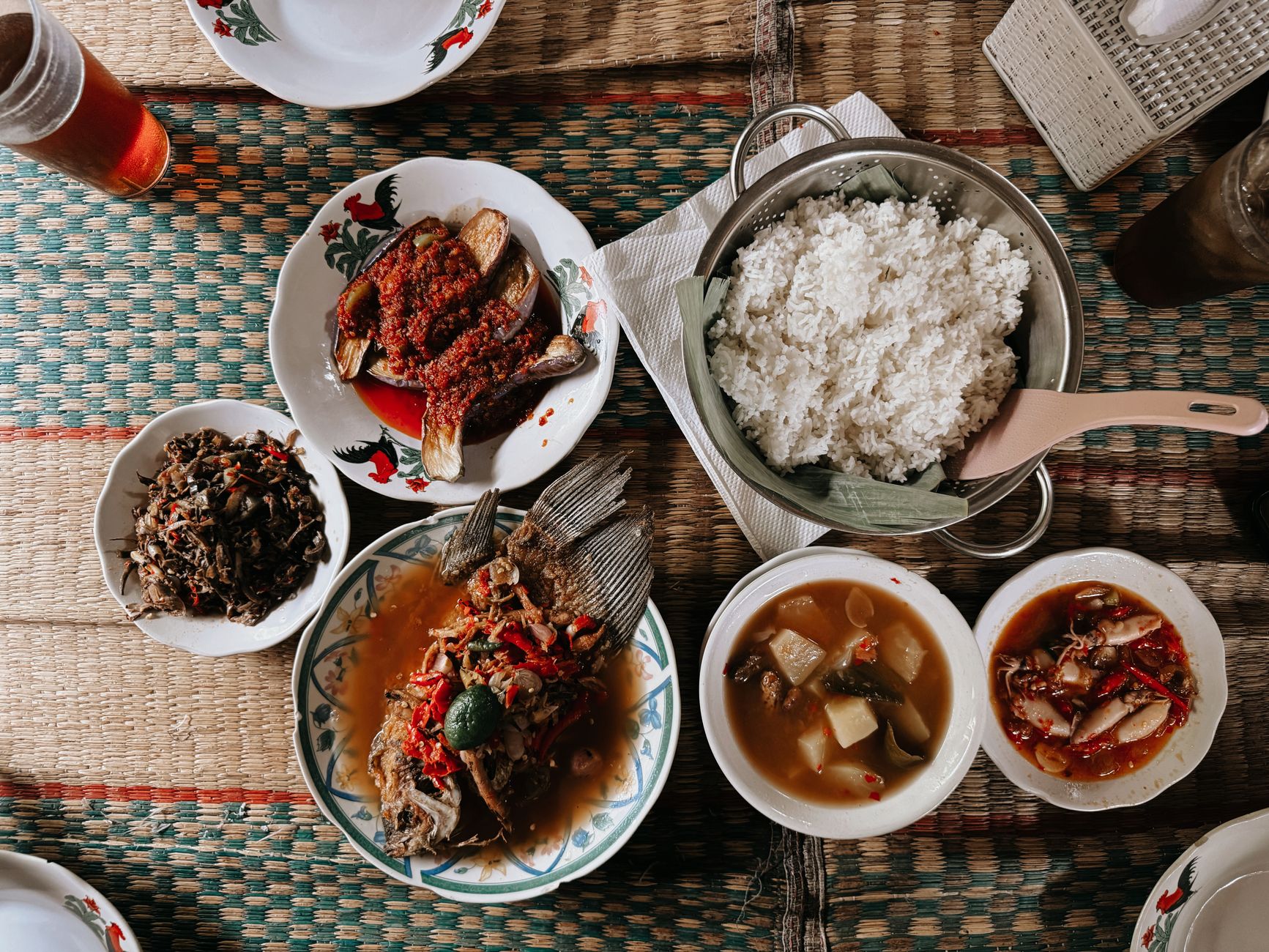
Order ikan kuah kuning cooked with turmeric and wild basil, accompanied by warm sago papeda and grilled skipjack tuna beside the fish wharf.
Scuba Diving in Ambon Maluku Indonesia
Descend into Ambon Bay at Laha for world-renowned muck diving, spotting psychedelic frogfish, Ambon scorpionfish, and mimic octopuses.
Colonial Forts in Ambon Maluku Indonesia
Visit Fort Victoria in the city centre and seventeenth-century Fort Amsterdam in Hila, built by the Dutch East India Company to secure cloves.
Spice Plantations in Ambon Maluku Indonesia
Walk the terraced slopes of Leihitu to see mature nutmeg trees with red mace arils and fragrant clove orchards dried on roadside tarps.
Morning Markets in Ambon Maluku Indonesia
Browse Pasar Mardika at dawn for fresh yellowfin tuna, smoked cakalang fufu, wild leafy greens, and fresh kenari nuts sold by the basket.
Sacred Architecture in Ambon Maluku Indonesia
Inspect the carved wooden pillars of Wapauwe Old Mosque, built in 1414, and the sturdy stone Dutch Reformed Church at Hila on the north coast.
Coastal Scenery in Ambon Maluku Indonesia
Stand on the coastal cliffs above Pintu Kota arch and watch heavy swells break against volcanic basalt ledges south of the town centre.
Street Food in Ambon Maluku Indonesia
Pull up a stool at Lapangan Merdeka for nasi kelapa topped with shredded spiced coconut, fried fish, sambal colo-colo, and warm sweet tea.
Traditional Music in Ambon Maluku Indonesia
Listen to the hawaiian steel guitar and bamboo flute ensembles that rehearse in family compounds throughout Karang Panjang in the evenings.
Day Trips in Ambon Maluku Indonesia
Ride a speedboat from Tulehu harbour to Saparua to wander Fort Duurstede and village markets trading freshly dried nutmeg and sago flatbread.
Beaches in Ambon Maluku Indonesia
Swim in the clear, sheltered water off Natsepa Beach and order warm rujak Natsepa drizzled with crushed nutmeg and peanut-palm sugar sauce.
Baking Traditions in Ambon Maluku Indonesia
Visit century-old bakeries along Jalan Sam Ratulangi for sweet roti kenari studded with local almonds and spiced bagea cookies made of dry sago.