
_-_BEIC_6358311.jpg)

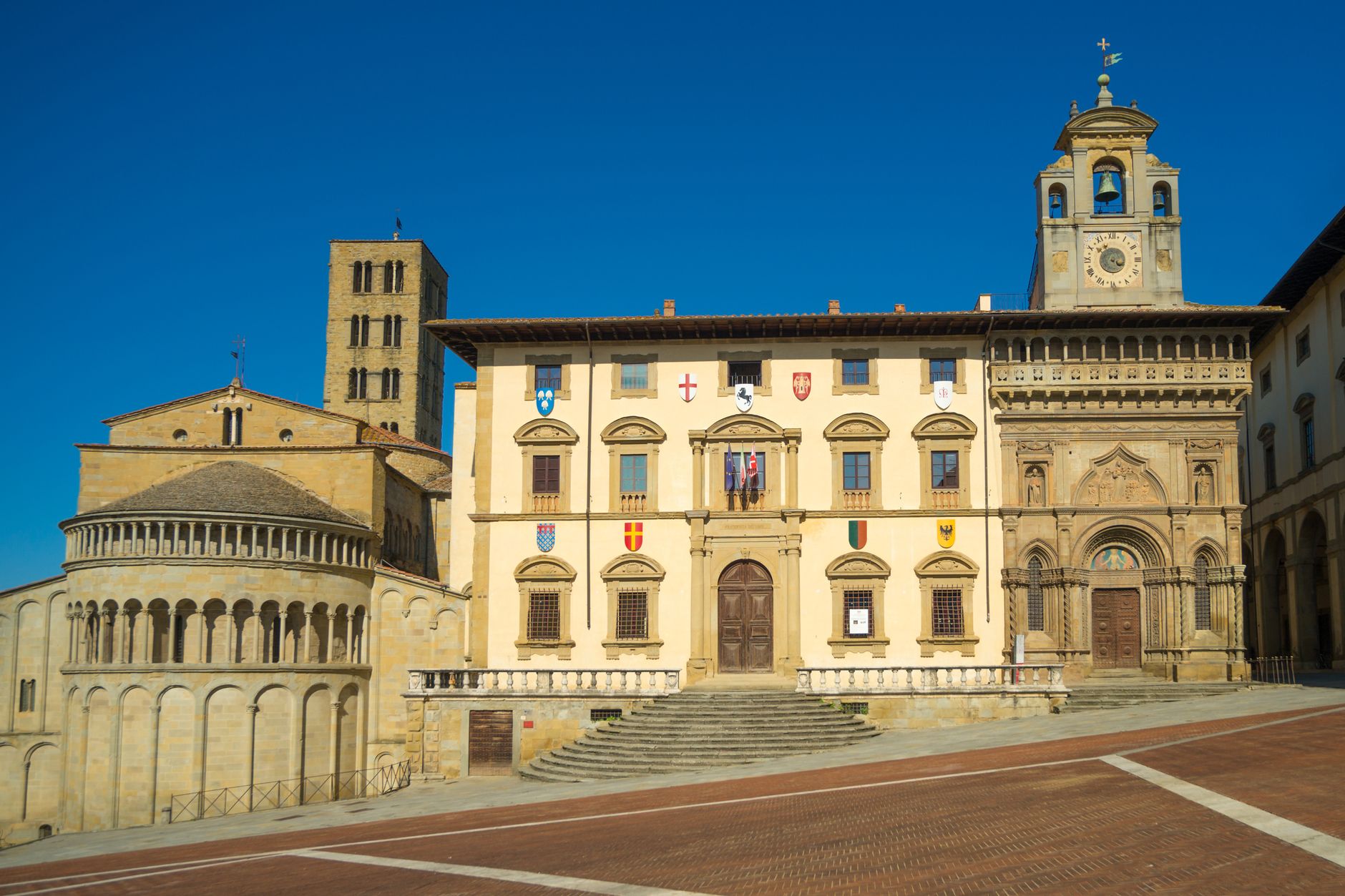
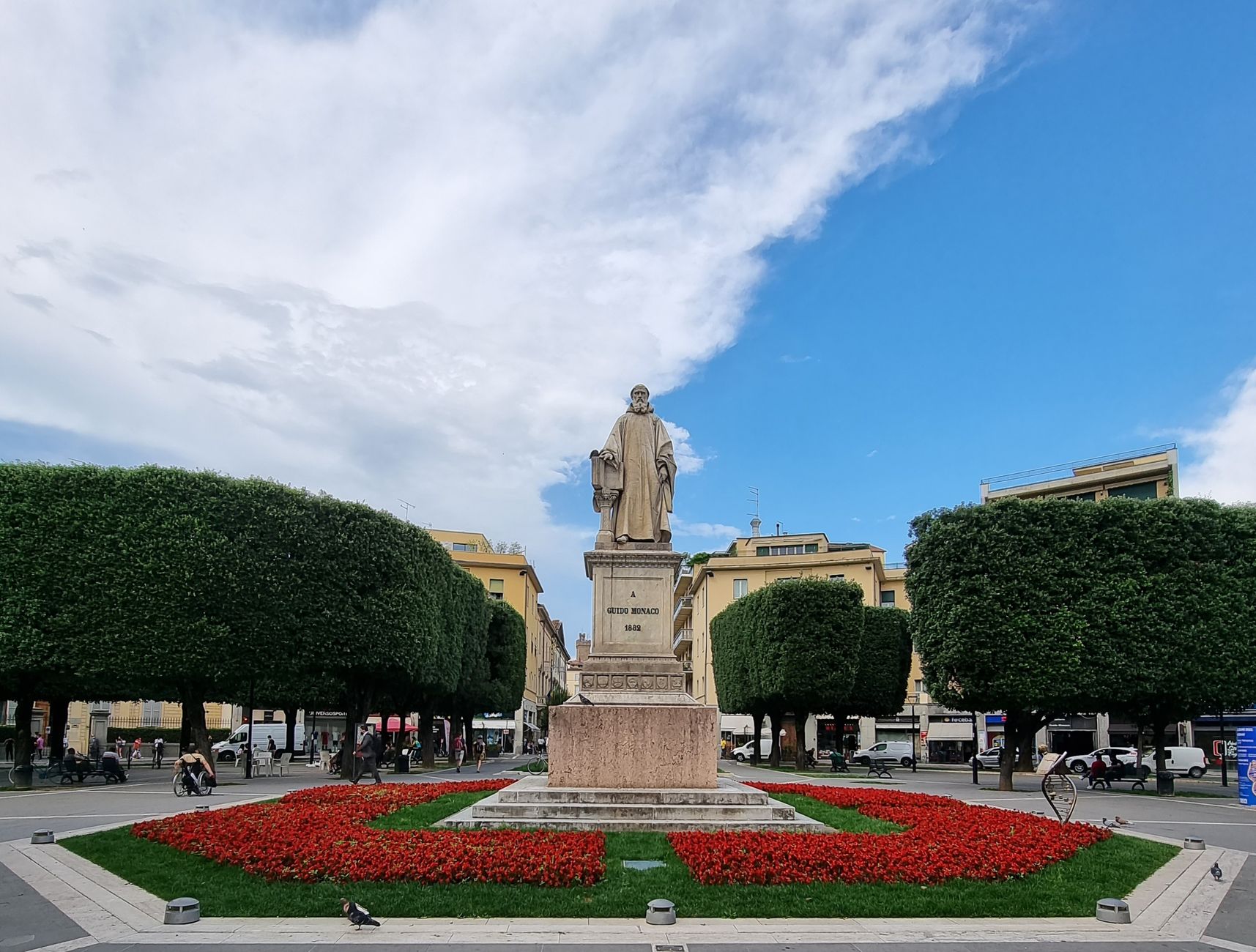
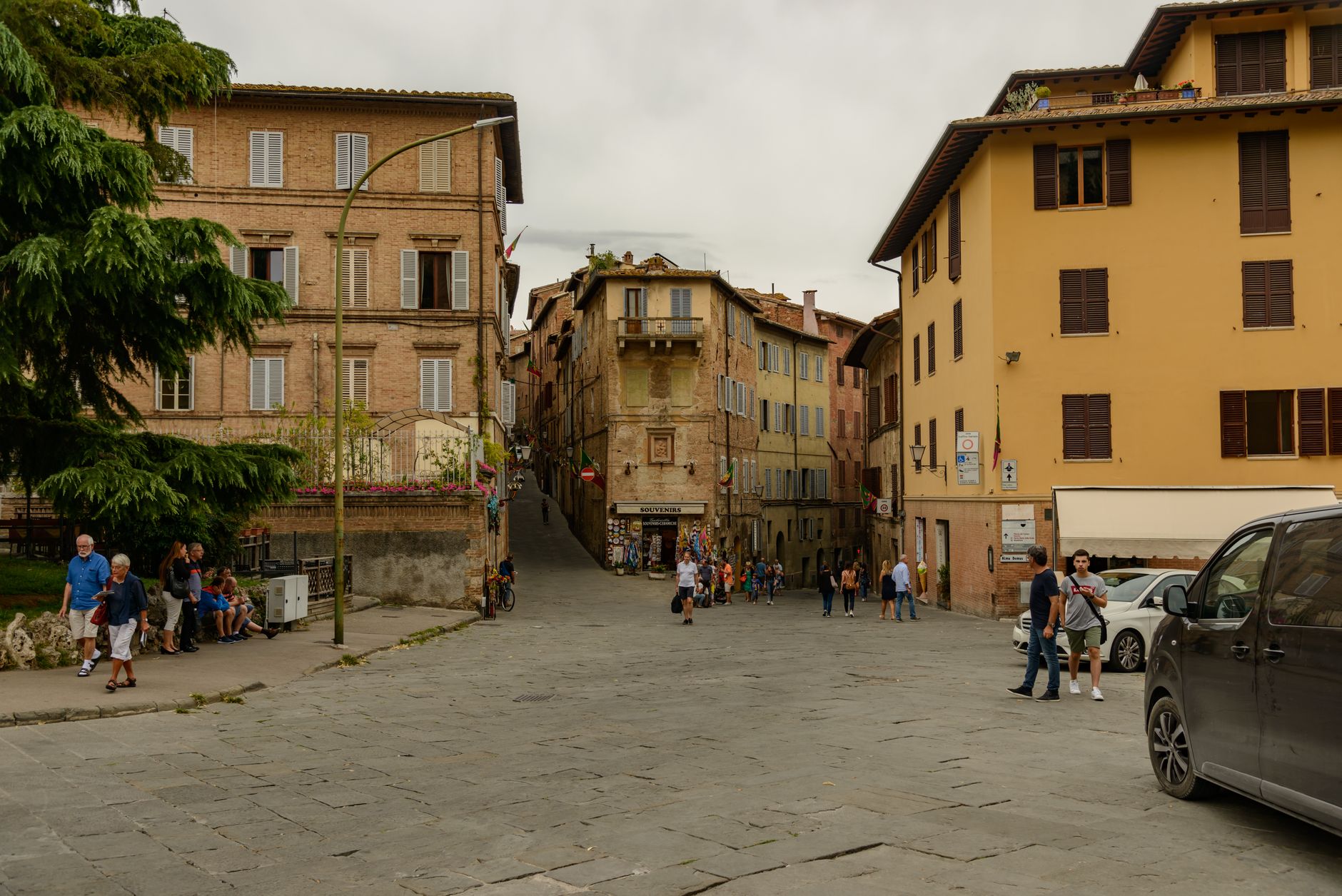
Arezzo sits forty-five minutes southeast of Florence by train, climbing a ridge crowned by a Medici fortress. It is known for Piero della Francesca's fifteenth-century frescoes in the Basilica di San Francesco and the raked stone expanse of Piazza Grande. Arezzo is worth visiting if you want Renaissance masterworks without Florence queues and rustic Chianina beef in quiet trattorias. Look elsewhere if you want late-night clubbing, coastal scenery, or flat, effortless walking.
Last updated 6 Oct 2026
Build a Arezzo itinerary.
Choose up to 4 threads that pull you in. Your plan arrives organised around them.
The Bed
Where to stay in Arezzo
Which part of town to book, and what each one costs you in walking, noise or quiet.
The Comparison
Arezzo, or somewhere near it
The places you are realistically choosing between, and the honest case for each.
The Local Record
Where to read more about Arezzo
The blogs, boards, guides and operators worth bookmarking.
What to do in Arezzo Tuscany Italy
Arezzo rewards unhurried walking. The town climbs from the lower shopping spine of Corso Italia to the serene hilltop park of Il Prato. Life revolves around unpretentious neighborhood bars, afternoon strolls through Piazza Grande, and quiet contemplation of early Renaissance art. It suits travellers who appreciate layered Etruscan, medieval, and Renaissance history without the tourist throngs found in Florence or Siena.
24 hours in Arezzo Tuscany Italy
Spend the morning in the Bacci Chapel viewing Piero della Francesca's frescoes before climbing to Piazza Grande for lunch. Sit down for pici al ragu di chianina at an osteria near Santa Maria della Pieve. Finish the afternoon at the Medici Fortress, catching sunset across the Valdichiana before an evening aperitivo on Corso Italia. Select 1 Day above to see it.
2 days in Arezzo Tuscany Italy
Dedicate your second morning to Casa Vasari and the Roman amphitheatre's archaeological museum. For lunch, sample local pecorino and cured salami in the upper town. Spend the afternoon exploring the steep artisan alleys around Via Cavour, ending with roasted wild boar and local Chianti Colli Aretini in a vaulted cellar trattoria. Choose 2 Days to expand the plan.
3 days in Arezzo Tuscany Italy
A third day allows you to venture into the surrounding valleys. Drive north into the deep oak forests of the Casentino to explore Poppi Castle and the monastery at Camaldoli, or head south into the Val di Chiana for olive oil tastings and vineyard tours around Cortona, returning to Arezzo for a quiet evening meal.
Arezzo Tuscany Italy itineraries by interest
Renaissance Art in Arezzo Tuscany Italy
Book ahead for the Bacci Chapel in Basilica di San Francesco to study Piero della Francesca's Legend of the True Cross up close.
Antique Markets in Arezzo Tuscany Italy
Browse hundreds of stalls filling Piazza Grande and adjoining alleys on the first Sunday of each month for vintage copper and furniture.
Local Cuisine in Arezzo Tuscany Italy
Order pici with rich duck ragu, roasted Chianina steak, and thick ribollita at long-standing family osterie along Corso Italia.
Sacred Architecture in Arezzo Tuscany Italy
Visit the Romanesque Santa Maria della Pieve to inspect its multi-tiered arcaded facade and Pietro Lorenzetti polyptych.
Wine & Vineyards in Arezzo Tuscany Italy
Taste structured Sangiovese and Trebbiano along the Strada del Vino Terre di Arezzo in the surrounding Valdichiana hills.
Historic Fortifications in Arezzo Tuscany Italy
Walk the grassy ramparts of the sixteenth-century Fortezza Medicea for sweeping views across the Casentino valley and Apennines.
Craft Traditions in Arezzo Tuscany Italy
Watch goldsmiths and wood restorers work in small workshops tucked into the steep side lanes off Via dei Cenci.
Medieval History in Arezzo Tuscany Italy
Explore the Palazzo dei Priori and the sloping cobblestones of Piazza Grande, where the Giostra del Saracino tournament runs.
Fresh Produce in Arezzo Tuscany Italy
Stop at Logge Vasariane market stalls for pecorino toscano, cured finocchiona, and fresh porcini mushrooms in autumn.
Scenic Viewpoints in Arezzo Tuscany Italy
Sit under the cedar trees in the hilltop Passeggio del Prato park, looking out over olive groves toward the Valdarno basin.
Literary Sites in Arezzo Tuscany Italy
Tour Casa Vasari on Via XX Settembre to examine the painter and biographer Giorgio Vasari's self-decorated frescoed rooms.
Day Trips in Arezzo Tuscany Italy
Drive thirty minutes north into the forested Casentino to reach the medieval castle of Poppi and the hermitage at Camaldoli.