


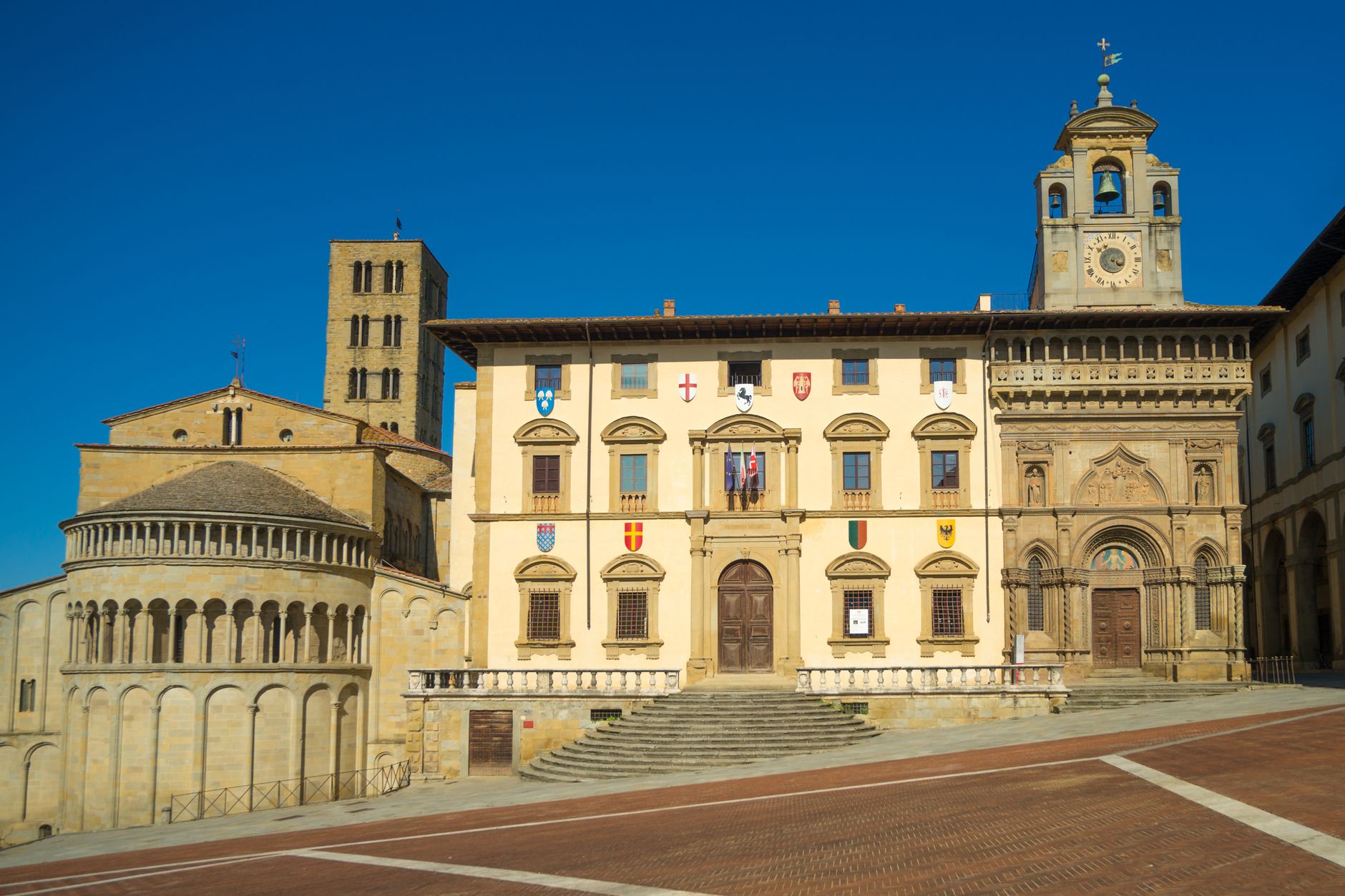
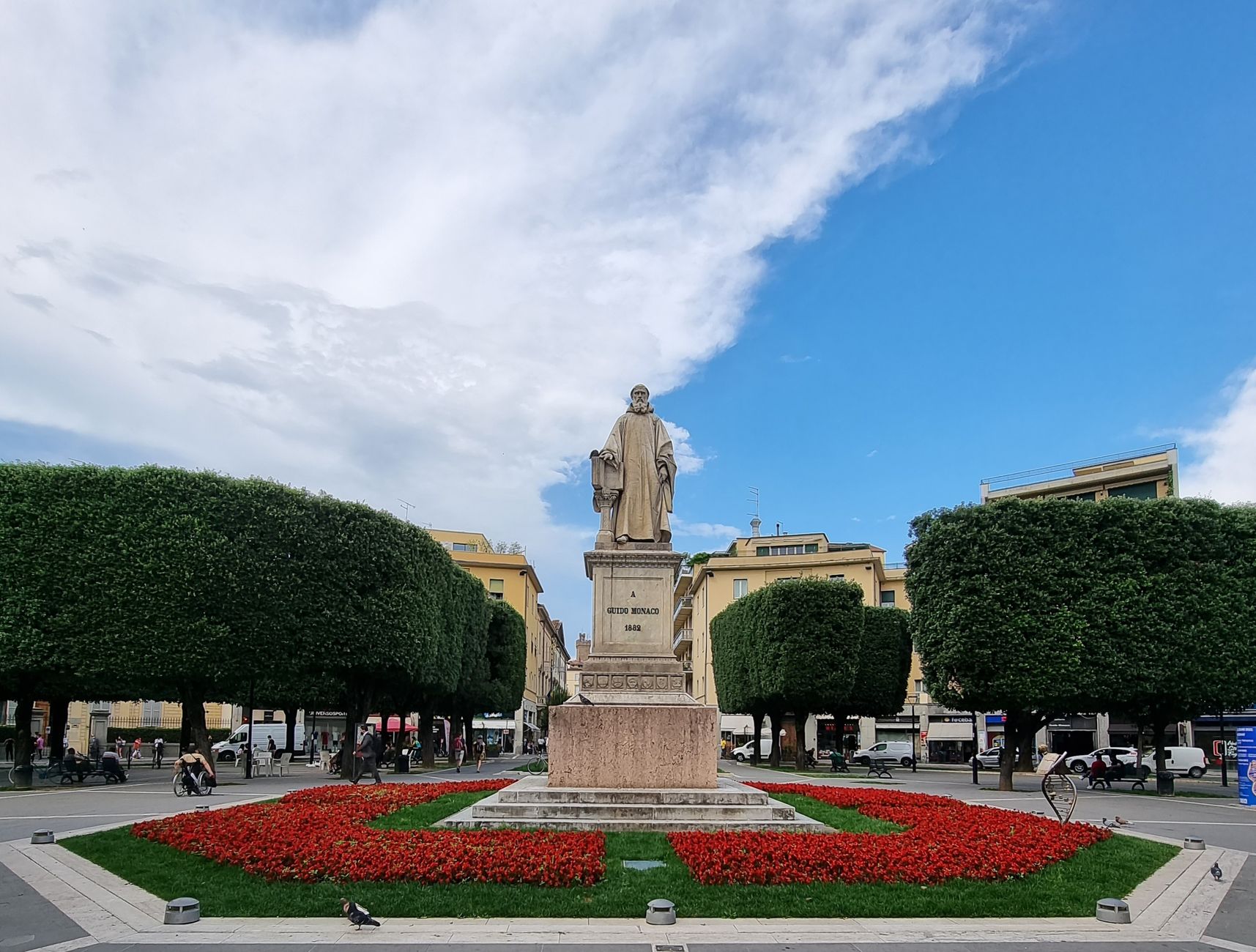
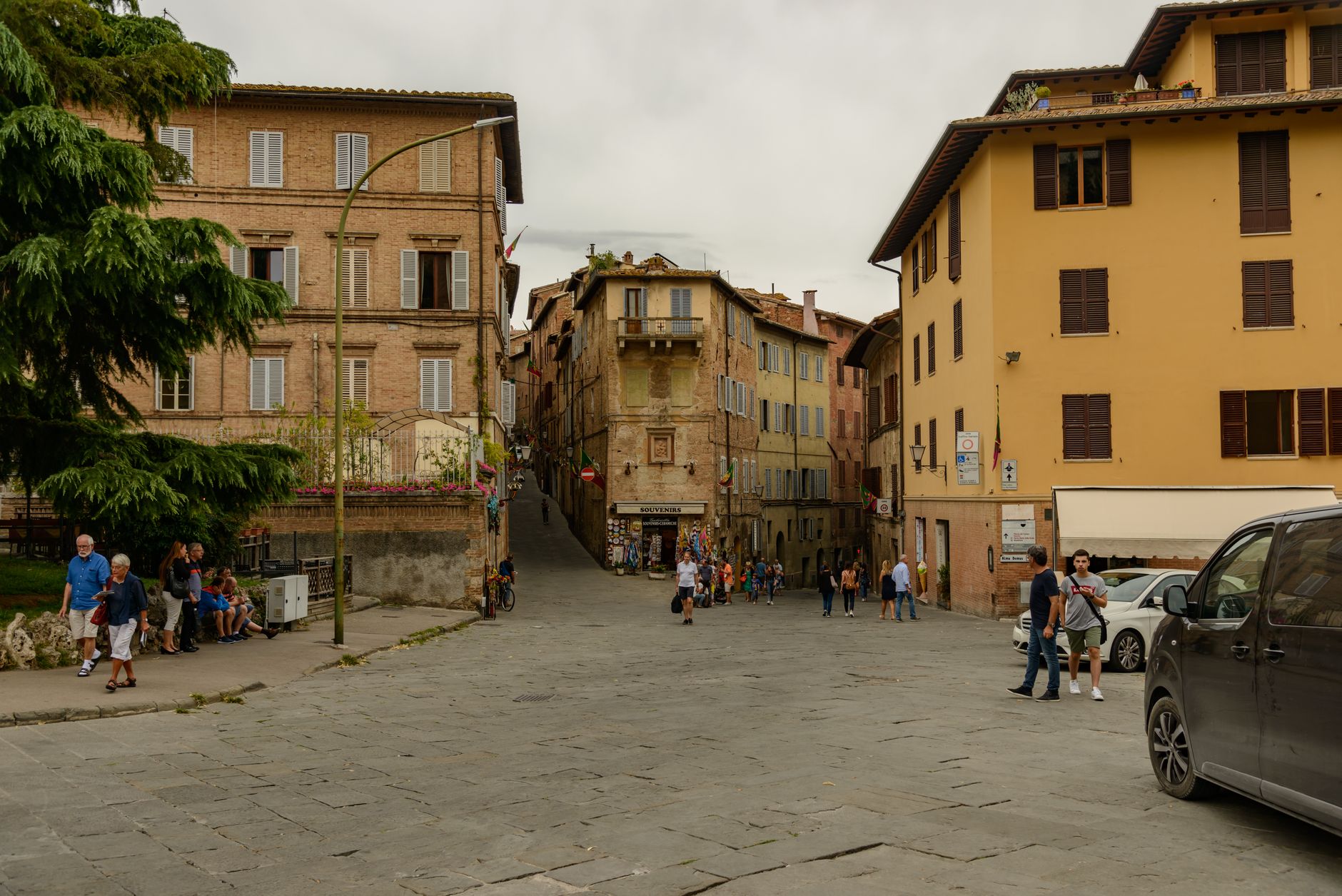
Arezzo sits an hour southeast of Florence by direct train, climbing a hill crowned by a Medici fortress. It is known for Piero della Francesca's fresco cycle in the Basilica di San Francesco and its sprawling monthly antiques fair filling Piazza Grande. The town remains an active regional centre of goldsmiths rather than an open-air museum. Arezzo is worth visiting if you want early Renaissance art and robust Tuscan cooking without jostling tour groups. Look elsewhere if you want late-night clubbing or flat, step-free walking.
Last updated 23 Oct 2026
Build a Arezzo itinerary.
Choose up to 4 threads that pull you in. Your plan arrives organised around them.
The Bed
Where to stay in Arezzo
Which part of town to book, and what each one costs you in walking, noise or quiet.
The Comparison
Arezzo, or somewhere near it
The places you are realistically choosing between, and the honest case for each.
The Local Record
Where to read more about Arezzo
The blogs, boards, guides and operators worth bookmarking.
What to do in Arezzo Arezzo Italy
Arezzo is laid out across a steady incline, rising from the modern train station up to the quiet lawns of Il Prato and the Medici fortress. The day here orbits around the steeply slanting Piazza Grande and the morning passeggiata down Corso Italia. It suits independent travellers who value world-class art and honest butcher-driven kitchens without the frantic cadence of larger Tuscan cities.
24 hours in Arezzo Arezzo Italy
Begin with a timed morning slot at the Bacci Chapel to see the Piero della Francesca frescoes. Walk up to Piazza Grande for lunch of pici with ragù at a quiet terrace, then climb through the cathedral to Il Prato park by mid-afternoon. Finish with an aperitivo on Via Cavour as locals gather. Select 1 Day above to see it.
2 days in Arezzo Arezzo Italy
Devote your morning to the Roman amphitheatre and the Casa Vasari in the quieter northern quarter. In the afternoon, head down to the lower town for a dinner of roasted pork liver and stewed grifi paired with a carafe of Colli Aretini red at an unpretentious osteria. Choose 2 Days to expand the plan.
3 days in Arezzo Arezzo Italy
With three days, ride the regional train into the forested Casentino valley to explore the fortress at Poppi and the beech woods of Camaldoli monastery. Alternatively, spend an easy afternoon browsing gold workshops before an evening meal of wood-grilled Chianina beef.
Arezzo Arezzo Italy itineraries by interest
Renaissance Art in Arezzo Arezzo Italy
Book ahead for Piero della Francesca's Legend of the True Cross frescoes in San Francesco, plus Giorgio Vasari's mannerist townhouse on Via XX Settembre.
Antiques & Markets in Arezzo Arezzo Italy
Comb Piazza Grande on the first weekend of every month for walnut sideboards, vintage linen, old copperware, and prints spread across stone steps.
Sacred Architecture in Arezzo Arezzo Italy
Climb to the Gothic cathedral for Guillaume de Marcillat stained glass, or step into Santa Maria della Pieve with its five-tiered romanesque colonnade.
Local Meats in Arezzo Arezzo Italy
Order Chianina steak cooked over oak embers, or try rustic crostini neri smeared with chicken liver paste and grifi stewed from lean veal cheek.
Fresh Pasta in Arezzo Arezzo Italy
Track down hand-rolled pici tossed with wild boar ragù, or sample fat ricotta-and-chard gnudi dusted with aged pecorino in neighborhood trattorias.
Wine & Vineyards in Arezzo Arezzo Italy
Sip structured Sangiovese blends from the Chianti Colli Aretini zone alongside crisp white Trebbiano, pouring by the carafe across the upper town.
Historic Fortifications in Arezzo Arezzo Italy
Walk the ramparts of the 16th-century Fortezza Medicea for sweeping views over the Casentino valley, olive groves, and the rooftops of the old centre.
Archaeology in Arezzo Arezzo Italy
Visit the Gaio Cilnio Mecenate Museum set inside a Roman amphitheatre to inspect ancient Aretine red-gloss pottery and Etruscan bronze artefacts.
Medieval Heritage in Arezzo Arezzo Italy
Watch riders in historic dress charge at wooden targets in Piazza Grande during the Giostra del Saracino joust held in June and September.
Craft Traditions in Arezzo Arezzo Italy
Browse traditional goldsmith workshops along Corso Italia, continuing a metalworking tradition that dates back to the Etruscan fourth century BC.
Scenic Viewpoints in Arezzo Arezzo Italy
Rest on a park bench at Il Prato, looking out past the cathedral apse toward the Apennine ridge, shaded by pines and well away from traffic.
Regional Day Trips in Arezzo Arezzo Italy
Catch the local LFI train north into the Casentino to tour the Poppi castle, or take an easy bus south to Cortona perched over the Valdichiana.