

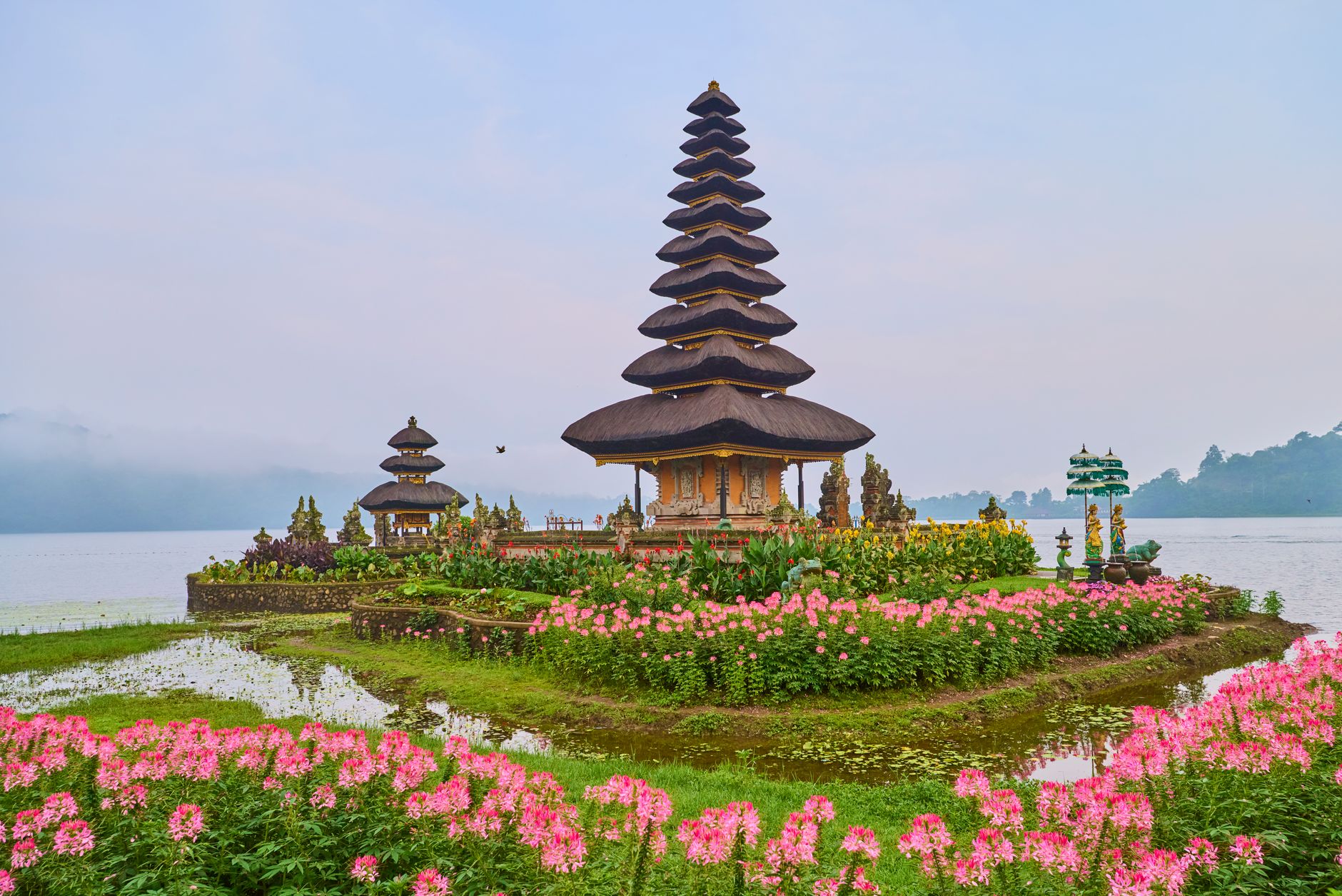
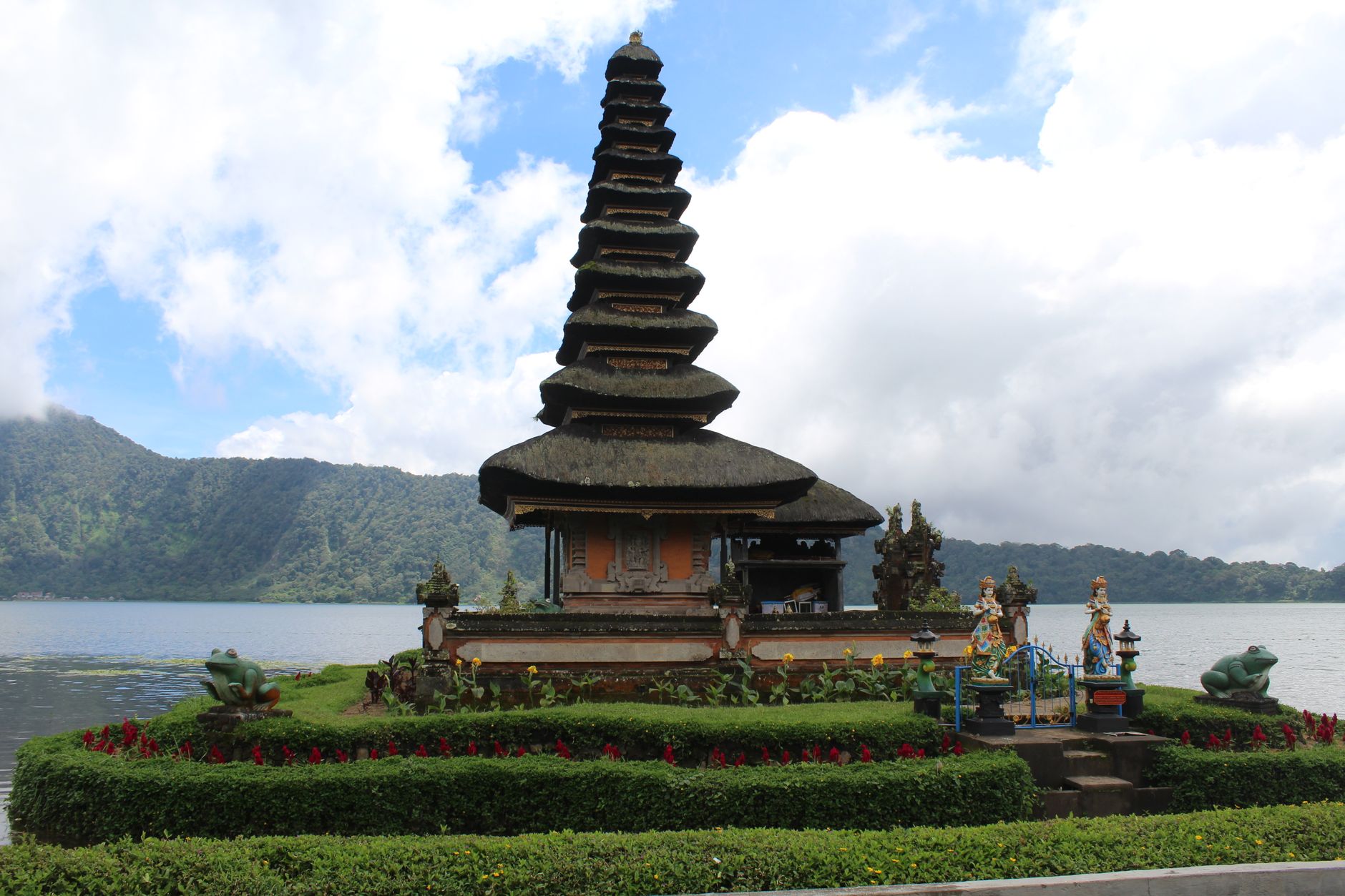

Bedugul sits in the central highlands fifty kilometres north of Denpasar, roughly a two-hour drive climbing past rice terraces into the mist. It is known for its cool crater lakes, commercial farm plots, and the seventeenth-century water temple on Lake Beratan. Bedugul is worth visiting if you want mountain air, lakeside temple grounds, and roadside farm stalls selling highland strawberries. Look elsewhere if you expect late-night bars, walkable pavements, or tropical beach weather.
Last updated 30 Oct 2026
Build a Bedugul itinerary.
Choose up to 4 threads that pull you in. Your plan arrives organised around them.
The Bed
Where to stay in Bedugul
Which part of town to book, and what each one costs you in walking, noise or quiet.
The Comparison
Bedugul, or somewhere near it
The places you are realistically choosing between, and the honest case for each.
The Local Record
Where to read more about Bedugul
The blogs, boards, guides and operators worth bookmarking.
What to do in Bedugul Bali Indonesia
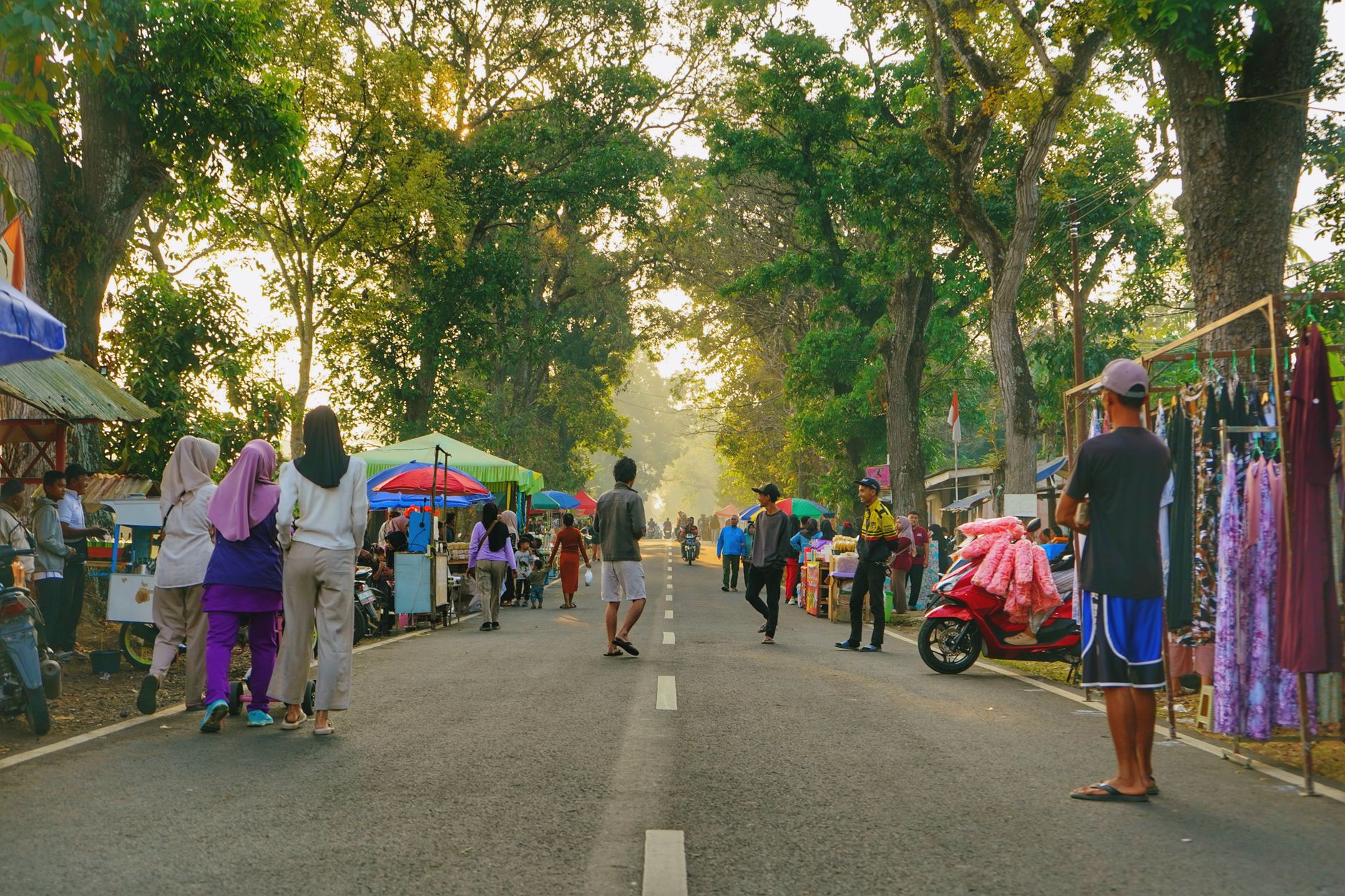
Days in Bedugul run on mountain time, starting early before the afternoon rain rolls off Mount Catur. Life centres on Jalan Raya Denpasar-Singaraja, where farming families trade produce and tourist vans pull in for Lake Beratan. It suits independent travellers who prefer light jackets to sea breezes, enjoy wandering botanical forest trails, and appreciate simple roadside meals of grilled corn and hot soup as the mist settles over the caldera.
24 hours in Bedugul Bali Indonesia
Arrive at Pura Ulun Danu Beratan by eight in the morning before tour coaches crowd the lakeside path. Walk through the giant bamboo at Kebun Raya Bali, then stop at Pasar Candi Kuning for fresh strawberries. Finish with a bowl of hot soto ayam at a roadside warung along the shore as the afternoon clouds drop over the water. Select 1 Day above to see it.
2 days in Bedugul Bali Indonesia
Head ten kilometres west to Lake Tamblingan on day two. Hire a local boatman to row a dugout canoe across the quiet water, then hike the forest trail connecting Tamblingan and Buyan. Drive up to the Wanagiri ridge for fried bananas and thick black coffee at a roadside wooden bench with views over both caldera lakes. Choose 2 Days to expand the plan.
3 days in Bedugul Bali Indonesia
Use the third day to drop down the northern slope toward Gitgit and Banyumala waterfalls, where mountain streams carve through volcanic rock. Continue into the coffee-growing village of Munduk for lunch, walking past clove trees and small family processing sheds before climbing back up to Bedugul before nightfall.
Bedugul Bali Indonesia itineraries by interest
Sacred Architecture in Bedugul Bali Indonesia
Pura Ulun Danu Beratan sits on the water, built in 1633 with eleven tiered meru roofs dedicated to the lake goddess Dewi Danu.
Markets & Produce in Bedugul Bali Indonesia
Pasar Candi Kuning sells sweet marisa strawberries, wild orchids, snake fruit, fresh cloves, and steamed sweetcorn from local farms.
Botanical Gardens in Bedugul Bali Indonesia
Kebun Raya Bali covers 157 hectares with giant ficus trees, wild bamboo groves, moss banks, and a dedicated collection of highland begonias.
Crater Lakes in Bedugul Bali Indonesia
Lake Beratan, Lake Buyan, and Lake Tamblingan fill ancient calderas, offering wooden canoe rentals and quiet shore walks away from the highway.
Highland Agriculture in Bedugul Bali Indonesia
Farms along Jalan Raya Bedugul grow head cabbage, carrots, passionfruit, and sweet strawberries in volcanic soil under constant cloud cover.
Local Food in Bedugul Bali Indonesia
Warung stalls serve ayam betutu steamed in banana leaves, sate lilit spiced with grated coconut, and bowls of hot bakso in the afternoon chill.
Hiking in Bedugul Bali Indonesia
Forest paths skirt Mount Batukaru and the ridge between Buyan and Tamblingan, leading through primary montane rainforest with giant tree ferns.
Waterfalls in Bedugul Bali Indonesia
Banyumala Twin Waterfalls and Gitgit plunge down rocky volcanic gorges north of the plateau along the winding road toward Singaraja.
Coffee & Tea in Bedugul Bali Indonesia
Smallholdings around Munduk and Wanagiri dry Arabica beans on tarpaulins and brew strong, unfiltered kopi Bali with palm sugar.
Scenic Drives in Bedugul Bali Indonesia
The ridge road along Jalan Raya Wanagiri overlooks Buyan and Tamblingan with pull-offs for roasting sweetcorn and watching the cloudline.
Temple Rituals in Bedugul Bali Indonesia
Subak water-management rituals take place at Pura Ulun Danu, where farming collectives maintain irrigation schedules dating to the 11th century.
Forest Walks in Bedugul Bali Indonesia
Shaded trails behind Tamblingan lake pass mossy stone shrines and ancient banyan trees protected by local banjar conservation agreements.