Bologna.
.jpg)


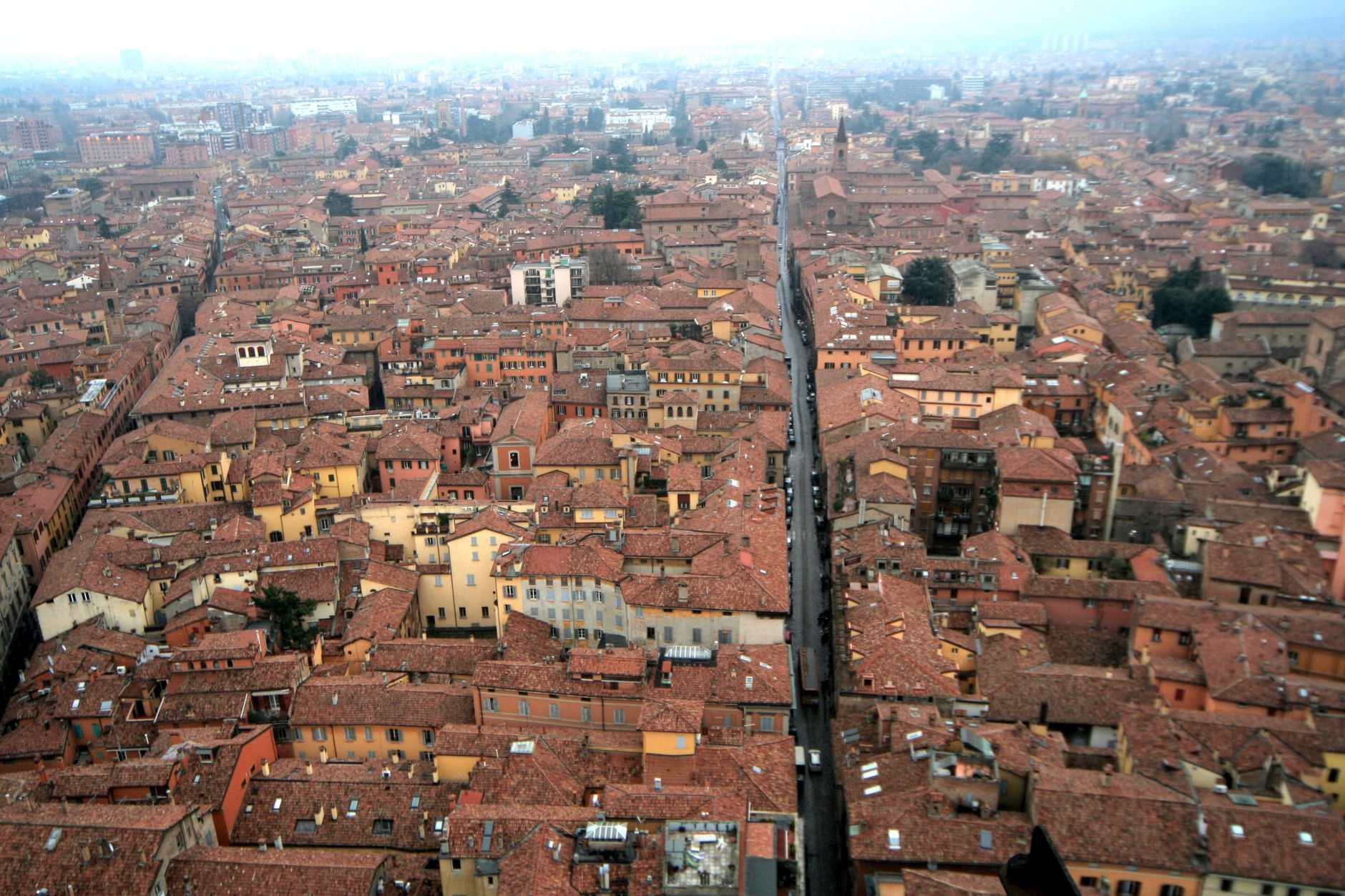

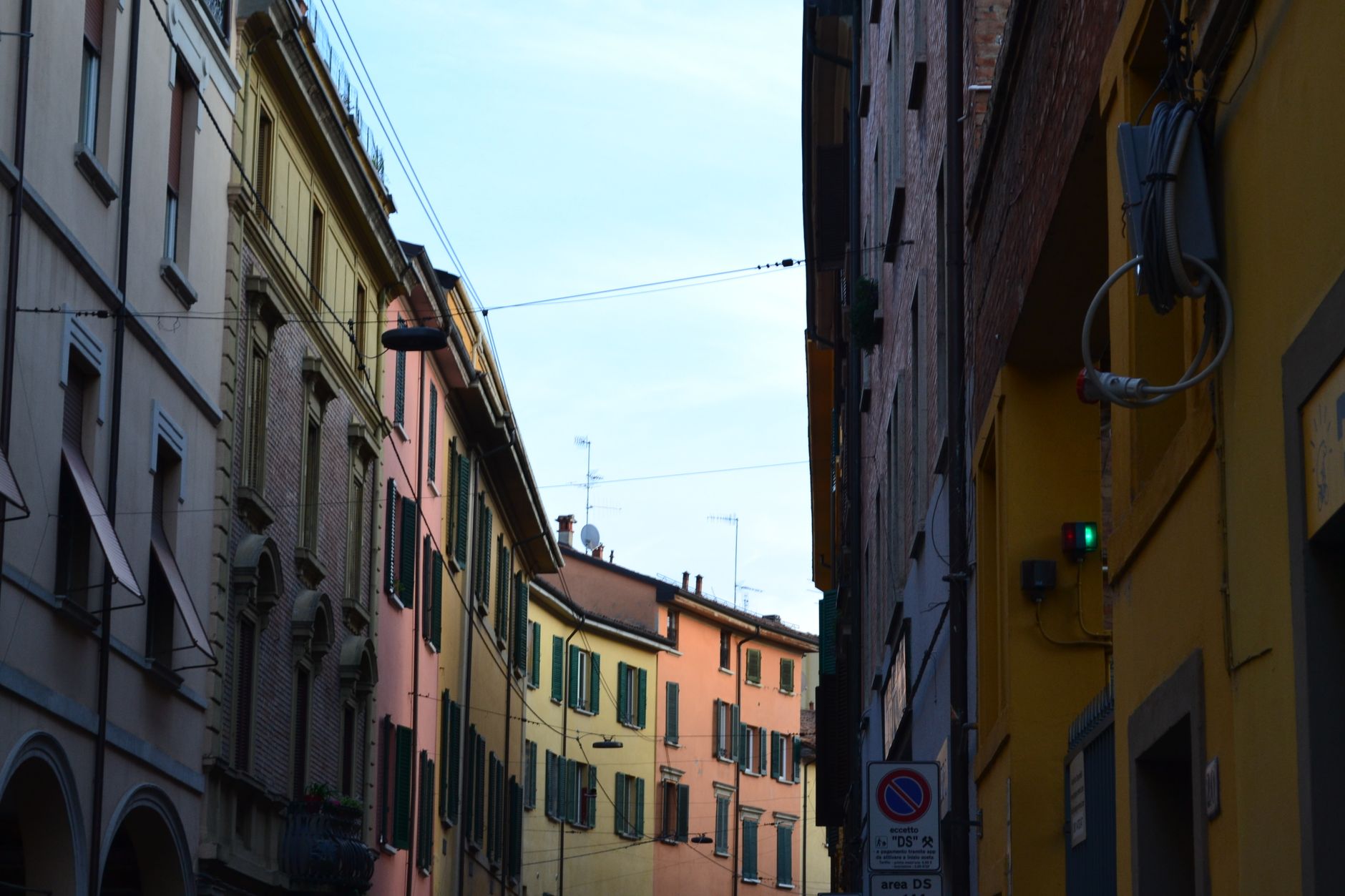
Forty kilometres of terracotta arcades shelter you from the rain or noon heat before you have even found your hotel. In Bologna, wooden rolling pins still slap against floured boards by eight in the morning, producing sheets of sfoglia so thin you could read a newspaper through them. It is an unapologetically intellectual city with the western world's oldest university, yet every serious philosophical debate here eventually surrenders to a plate of tortellini in brodo.
Last updated 28 Aug 2026
Build a Bologna itinerary.
Choose up to 4 threads that pull you in. Your plan arrives organised around them.
We'll craft a 4-lens plan for Bologna, one collapsible strand per lens.
Sacred Architecture
Examine the uncompleted marble facade of Basilica di San Petronio and the layered medieval chapels at the complex of Santo Stefano.
Sacred Architecture
Examine the uncompleted marble facade of Basilica di San Petronio and the layered medieval chapels at the complex of Santo Stefano.
Seven Churches Romanesque Exploration
Complesso di Santo Stefano
Walk five minutes from Piazza Maggiore into Piazza Santo Stefano. Open daily from 09:00 to 19:30 with free admission, taking roughly an hour to wander the interconnected chapels.
Editor TipBuilt over an ancient temple to Isis, this labyrinthine complex fused seven distinct shrines across six centuries to recreate the holy sites of Jerusalem for medieval pilgrims. Head straight through Pilate's courtyard to the Romanesque cloister, the coolest refuge in the city centre.
Romanesque Stone Reliefs
Duomo di Modena
Admission is free, with modest attire required. Spend forty-five minutes inspecting the carved biblical friezes along the facade and the eighth-century crypt below the choir.
Editor TipConsecrated in 1184 and engineered by Lanfranco with sculptures by Wiligelmo, this cathedral stands as one of northern Italy's supreme masterworks of Lombard Romanesque architecture. Step down into the low-vaulted crypt to see Guido Mazzoni's lifelike terracotta Nativity from 1480.
Fresh Pasta
Watch sfogline roll silky egg pasta for tortellini in capon broth, gramigna with sausage, and classic tagliatelle al ragù.
Fresh Pasta
Watch sfogline roll silky egg pasta for tortellini in capon broth, gramigna with sausage, and classic tagliatelle al ragù.
Hand-Cut Tagliatelle and Culatello
All'Osteria Bottega
Reserve two weeks ahead by phone. Expect about forty euros per person for silky egg tagliatelle, cured pork, and local wine.
Editor TipAuthentic Bolognese ragù relies on slow-cooked beef, pancetta, and milk, coating fresh golden noodles rolled thin with a wooden mattarello. Pair the rich ragù with a bone-dry Lambrusco di Sorbara to cut right through the pork fat.
Morning Produce and Pasta Stalls
Mercato delle Erbe
Walk the central hall before 09:30 to watch vendors stack winter greens and wheels of cheese. Entry is free. Order a standing espresso at the corner bar for under two euros.
Editor TipOperating since 1910, this covered hall feeds the Porto neighbourhood daily, sustaining generations of small Emilia-Romagna growers and pasta makers away from tourist thoroughfares. Pause near the fishmongers for a moment to take in the rapid-fire Bolognese market banter.
Watching Sfogline Roll Pasta
Le Sfogline
Step into this compact workshop on Via San Felice before 18:00 to watch master sfogline stretch yellow egg dough with long rolling pins. Pick up fresh tortelloni to cook.
Editor TipTrue Bolognese sfoglia uses no water or oil, only whole eggs and soft-wheat flour, rolled by hand until sunlight easily passes through the sheet. Step aside politely when neighbourhood regulars push past the curtain to collect their Sunday broth rations.
Gramigna with Sausage Ragù
Trattoria di Via Serra
Book weeks in advance for dinner in residential Bolognina. Order the curled gramigna pasta with Mora Romagnola pork sausage and a dry, cloudy Pignoletto frizzante.
Editor TipSet in a former working-class rail district, this kitchen champions small Emilia-Romagna producers, heritage pork breeds, and slow cooking without fuss. Walk twenty minutes north past the central station; the streets here are quiet and unbothered by tour groups.
Tortellini in Capon Broth
Trattoria Aldina
Climb the nondescript stairs opposite the covered market. Dinner starts promptly at 19:30; reserve a table by phone two days ahead. Expect to spend around thirty-five euros per person.
Editor TipModenese sfogline roll egg pasta paper-thin before cutting tiny squares, filling each with prosciutto, pork loin, and Parmigiano-Reggiano, then sealing them around a fingertip. Order the tortellini in brodo rather than cream sauce; the clear capon broth is the true test of the kitchen.
Markets & Produce
Weave through the Quadrilatero stalls on Via Drapperie for aged Parmigiano Reggiano, Mortadella di Bologna, and squacquerone cheese.
Markets & Produce
Weave through the Quadrilatero stalls on Via Drapperie for aged Parmigiano Reggiano, Mortadella di Bologna, and squacquerone cheese.
Quadrilatero Morning Market Walk
Quadrilatero
Browse the counters along Via Drapperie between 08:30 and 10:00. No tickets required; spend ten euros on fresh mortadella, aged parmigiano, and seasonal fruit to eat standing.
Editor TipThis tight grid of Roman lanes has housed Bologna's guilds of butchers and fishmongers since the Middle Ages, anchoring the city's exacting culinary standards. Order paper cones of charcuterie at the counter rather than sitting down to pay an inflated table surcharge.
Morning Market Provisions
Mercato Albinelli
Open from 07:00 Monday to Saturday. Walk the central aisle for warm gnocco fritto and aged Parmigiano shavings, then grab an espresso at the corner counter for two euros.
Editor TipOperating since 1931 beneath wrought-iron arches, this covered hall remains the daily pantry for local households buying wheels of Reggiano and bundles of seasonal cicoria. Ask the cheesemonger for a vacuum-sealed wedge of 30-month mountain Parmigiano to pack in your bag.
Note from the Editor
“Bologna wakes earlier than its reputation suggests. Beat the university crowd to the Quadrilatero stalls by nine, and leave the basilica steps for when the light clears the brick at noon.”
The Bed
Where to stay in Bologna
Which part of town to book, and what each one costs you in walking, noise or quiet.
The Comparison
Bologna, or somewhere near it
The places you are realistically choosing between, and the honest case for each.
The Local Record
Where to read more about Bologna
The blogs, boards, guides and operators worth bookmarking.
What to do in Bologna Emilia-Romagna Italy
Bologna rewards travellers who prefer exploring on foot and eating on schedule. The historic core spreads out from Piazza Maggiore beneath endless brick porticoes, making it effortless to navigate in any weather. Days revolve naturally around lunch at a neighbourhood trattoria, bookshops, and afternoon climbs up medieval towers. It suits independent wanderers, curious cooks, and anyone who appreciates a working Italian city that never treats you like a prop.
24 hours in Bologna Emilia-Romagna Italy
Start early in the Quadrilatero market alleys before visiting the carved wooden lecture halls of the Archiginnasio. Order tagliatelle al ragù for lunch near Piazza Santo Stefano, then spend the afternoon walking off the rich meal with a climb up the 498 steps of Torre degli Asinelli. Finish with a glass of Pignoletto at Osteria del Sole before dinner. Select 1 Day above to see it.
2 days in Bologna Emilia-Romagna Italy
Spend your second morning walking the three-mile portico path up Colle della Guardia to the Sanctuary of San Luca for sweeping views across the Po Valley. Head down into the student district along Via Zamboni, browse vintage record shops, and finish with a casual dinner of crescentine, mortadella, and squacquerone near Mercato delle Erbe. Choose 2 Days to expand the plan.
3 days in Bologna Emilia-Romagna Italy
A third day allows an easy twenty-minute train ride to Modena to visit an acetaia aging traditional balsamic vinegar, or to Ferrara for Renaissance palaces and cycling city walls. Return to Bologna for a quiet final evening tasting Morandi still lifes at MAMbo, followed by a bowl of tortellini in capon broth at a family-run osteria.
Bologna Emilia-Romagna Italy itineraries by interest
Fresh Pasta in Bologna Emilia-Romagna Italy
Watch sfogline roll silky egg pasta for tortellini in capon broth, gramigna with sausage, and classic tagliatelle al ragù.
Markets & Produce in Bologna Emilia-Romagna Italy
Weave through the Quadrilatero stalls on Via Drapperie for aged Parmigiano Reggiano, Mortadella di Bologna, and squacquerone cheese.
Sacred Architecture in Bologna Emilia-Romagna Italy
Examine the uncompleted marble facade of Basilica di San Petronio and the layered medieval chapels at the complex of Santo Stefano.
Wine & Vineyards in Bologna Emilia-Romagna Italy
Sip sparkling Pignoletto and earthy Sangiovese Colli Bolognesi at historic enoteche tucked into the narrow alleys behind Piazza Maggiore.
City Views in Bologna Emilia-Romagna Italy
Climb the wooden stairs inside the leaning Torre degli Asinelli or follow 666 covered portico arches uphill to the Santuario di San Luca.
University History in Bologna Emilia-Romagna Italy
Step into the seventeenth-century anatomical theatre carved from spruce at the Archiginnasio, where medical students once studied.
Cured Meats in Bologna Emilia-Romagna Italy
Sample thin slices of pink mortadella studded with lardons and peppercorns, paired with warm crescentina bread and local prosciutto.
Historic Taverns in Bologna Emilia-Romagna Italy
Bring paper cones of salumi into Osteria del Sole, operating since 1465, where they sell only regional wine and let you pack your own food.
Art & Museums in Bologna Emilia-Romagna Italy
Study fourteenth-century fresco fragments and canvases by Guido Reni and Giorgio Morandi in the Pinacoteca Nazionale on Via delle Belle Arti.
Urban Canals in Bologna Emilia-Romagna Italy
Peep through the tiny square window on Via Piella to spot the hidden Canale delle Moline, a relic of medieval silk mills.
Day Trips in Bologna Emilia-Romagna Italy
Board a regional train to Modena for traditional balsamic vinegar cellars or Ferrara to tour the Renaissance moated castle.
Evening Rituals in Bologna Emilia-Romagna Italy
Order an aperitivo near Mercato delle Erbe on Via Belvedere as students and locals gather with spritzes and tigelle bread boards.