Parma.
.jpeg)

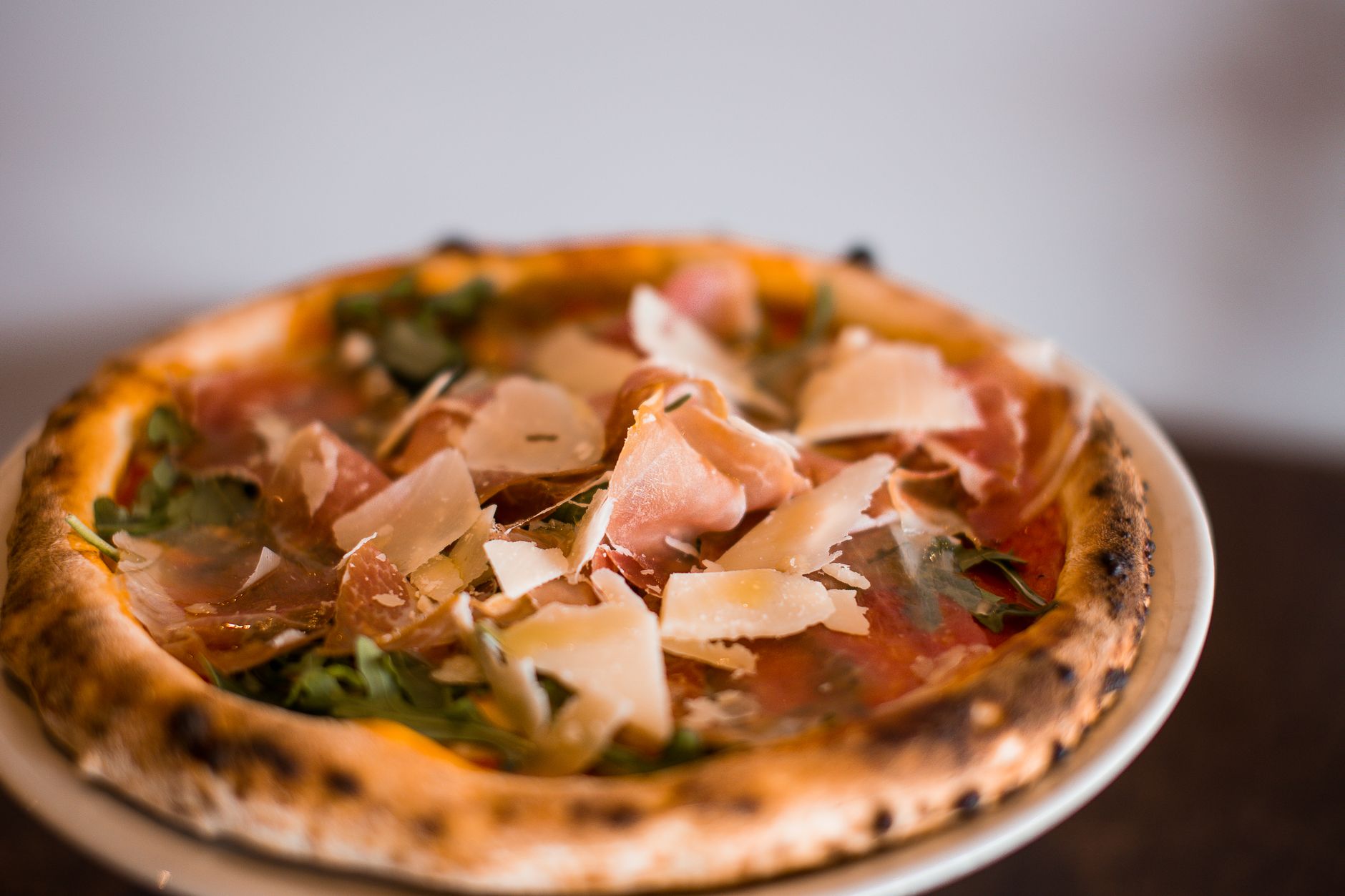


Bicycle wheels click over river stones while midday bells ring from Piazza del Duomo. Parma does not scramble for attention; it lets you come to it, moving at the quiet, assured pace of a city built on salt, milk, and patience. Pink Veronese marble anchors the Romanesque baptistery, while behind heavy wooden doors, wheels of cheese age in silent, dark vaults. You walk everywhere, appetite sharpening between the river and the Farnese theatre.
Last updated 28 Aug 2026
Build a Parma itinerary.
Choose up to 4 threads that pull you in. Your plan arrives organised around them.
We'll craft a 4-lens plan for Parma, one collapsible strand per lens.
Cured Meats
Sample Prosciutto di Parma aged thirty months and Culatello di Zibello carved paper-thin alongside warm torta fritta in historic salumerie.
Cured Meats
Sample Prosciutto di Parma aged thirty months and Culatello di Zibello carved paper-thin alongside warm torta fritta in historic salumerie.
Octagonal Baptistery and Cathedral Frescoes
Battistero di Parma
Buy the twelve-euro combined ticket at the diocesan museum desk across the piazza. Allow ninety minutes to take in the pink Verona marble and Correggio's dome.
Editor TipBegun in 1196 by sculptor Benedetto Antelami, this rose-tinted octagon marks northern Italy's transition from austere Romanesque fortress churches to soaring Gothic geometry. Keep a two-euro coin handy to trigger the cupola lights; seeing Correggio's painted sky illuminate is worth the change.
Culatello and Sparkling Lambrusco
Trattoria Corrieri
Reserve ahead for dinner inside the vaulted dining room. Order the thirty-month culatello di Zibello, tortelli d'erbetta, and a chilled bottle of dry Lambrusco.
Editor TipSince 1800, this former postal relay has served Po valley cures, pairing dense pork fats with the cleansing acidity and dark sparkle of local Grasparossa grapes. Ask for your pasta served simply floating in melted local butter and aged Parmigiano Reggiano.
Counter-Cut Parmigiano and Culatello
Salumeria Garibaldi
Walk straight to the glass counter on Strada Garibaldi. Ask for two thick wedges of 24-month Parmigiano Reggiano and a paper cone of sliced Culatello di Zibello. No reservations needed.
Editor TipThe strict microclimate of the Po river plains cures the pork, while local dairy cooperatives have used the same raw milk curdling methods since the Benedictine monks perfected them in the twelfth century. Point to the knife, ask for the rind-adjacent cut for deeper crystallization, and take it on butcher paper.
Cellar-Aged Culatello and Lambrusco
Antica Corte Pallavicina
Reserve dinner well ahead. Arrive thirty minutes early to tour the fourteenth-century aging cellars before sitting down to black pig culatello paired with sparkling Fortana del Taro.
Editor TipThe damp fog rising off the Po river creates a unique microclimate in Polesine Parmense, allowing Culatello di Zibello to cure in natural cellars without artificial humidity controls. Order the culatello tasting aged at eighteen, twenty-four, and thirty-six months to understand what humidity and time really do.
Cheese & Dairies
Visit small caseifici at dawn to watch curds lifted into linen cloths, shaping two-year-old Parmigiano-Reggiano with raw milk and salt.
Cheese & Dairies
Visit small caseifici at dawn to watch curds lifted into linen cloths, shaping two-year-old Parmigiano-Reggiano with raw milk and salt.
Morning Curd Vat Breaking
Caseificio San Pier Damiani
Book a morning tour via email. Arrive by eight-thirty to watch the cheesemaker split the warm curd in copper caldrons, followed by a vertical cheese tasting. Allow ninety minutes.
Editor TipBenedictine monks standardized this precise double-boiler method nine centuries ago, relying solely on raw evening and morning milk, calf rennet, and Mediterranean sea salt. Wear shoes with good rubber tread; the dairy floor stays slick with warm whey all morning.
Local Wine
Drink dry, sparkling Lambrusco and crisp Malvasia dei Colli di Parma poured cold into glass tumblers at neighbourhood enoteche.
Local Wine
Drink dry, sparkling Lambrusco and crisp Malvasia dei Colli di Parma poured cold into glass tumblers at neighbourhood enoteche.
Counterside Parmigiano and Prosciutto
La Prosciutteria di Silvano Romani
Step to the marble counter for a board of thirty-month Parmigiano and freshly sliced Prosciutto di Parma with an early Lambrusco. No reservation needed; allow forty-five minutes.
Editor TipParma's twin culinary pillars rely on strict DOP discipline, where gentle Apennine breezes cure the pork and unpasteurised milk builds rich, crumbly wheels. Ask for the 36-month cheese; the crunchy tyrosine crystals pair remarkably well with cold sparkling red wine.
Sixteenth-Century Bastion Rampart Stroll
Cittadella di Parma
Enter through the marble doorway off Viale Dussi. Entry is free. Walk the elevated dirt loop atop the five bastions for views over the quiet residential roofs. Allow forty-five minutes.
Editor TipDuke Alessandro Farnese built this pentagonal fortress in 1591 to secure Parma's southern flank; today it serves as the neighbourhood's communal green, largely stripped of its old military severity. Walk counterclockwise along the ramparts to catch the best shade under the horse chestnut trees.
Historic Castles
Climb the crenellated fourteenth-century towers of Castello di Torrechiara, perched amid vineyard-covered slopes south of town.
Historic Castles
Climb the crenellated fourteenth-century towers of Castello di Torrechiara, perched amid vineyard-covered slopes south of town.
Exploring Ducal Fortress Splendour
Palazzo della Pilotta
Buy the combined ticket at the entrance for sixteen euros to wander the cavernous seventeenth-century timber theatre and ducal corridors. Allow two hours.
Editor TipBuilt for the Farnese dukes in 1583, this monumental brick complex anchored ducal power and protected court treasures through centuries of war and ducal succession. The scent of ancient spruce inside Teatro Farnese is striking. Walk slowly across the creaking floorboards.
Fifteenth-Century Rampart Views
Castello di Torrechiara
Buy entry at the gate for five euros. Walk the battlements and climb to the Camera d'Oro to view the surviving fifteenth-century frescoes, allowing an hour before the midday closure.
Editor TipPier Maria Rossi built this fortress between 1448 and 1460 for Bianca Pellegrini, framing the ridge where Apennine sea breezes begin curing the valley hams below. Park in the lower village lot; the short cobblestone footpath up to the gate wakes up your legs.
Note from the Editor
“The salumerie fill up by eleven with locals buying weekend provisions. Get your cured ham and cheese tasting done early, before the walking tours congregate on Piazza Duomo.”
The Bed
Where to stay in Parma
Which part of town to book, and what each one costs you in walking, noise or quiet.
The Comparison
Parma, or somewhere near it
The places you are realistically choosing between, and the honest case for each.
The Local Record
Where to read more about Parma
The blogs, boards, guides and operators worth bookmarking.
What to do in Parma Emilia-Romagna Italy
Life in Parma rotates around the table, paced by gentle pedal strokes through flat, cobbled lanes. Compact and pedestrian-friendly, the town suits independent travellers who prefer quiet cultural weight over frantic sightseeing. You spend your hours admiring Correggio frescoes, browsing ancient delicatessens along Strada Farini, and lingering over lunch in the Oltretorrente without ever feeling hurried.
24 hours in Parma Emilia-Romagna Italy
Start at the Romanesque Duomo and pink octagonal Baptistery before ten in the morning. Cross the river for a lunch of tortelli d'erbetta in the Oltretorrente, explore the monumental wooden Teatro Farnese by three, and finish with Lambrusco and Culatello on Strada Farini by seven. Select 1 Day above to see it.
2 days in Parma Emilia-Romagna Italy
A second morning allows an early cycle ride out to a working Parmigiano-Reggiano dairy. Spend the afternoon beneath the shade trees of the Parco Ducale, then settle in for slow-braised veal rosa di Parma with local Malvasia at a modest trattoria away from the main piazzas. Choose 2 Days to expand the plan.
3 days in Parma Emilia-Romagna Italy
Day three opens the surrounding countryside. Take the short twenty-minute bus ride south to the hilltop fortress of Castello di Torrechiara, followed by a cellar visit in the Colli di Parma hills or a pilgrimage north to Giuseppe Verdi's birthplace in Roncole.
Parma Emilia-Romagna Italy itineraries by interest
Cured Meats in Parma Emilia-Romagna Italy
Sample Prosciutto di Parma aged thirty months and Culatello di Zibello carved paper-thin alongside warm torta fritta in historic salumerie.
Cheese & Dairies in Parma Emilia-Romagna Italy
Visit small caseifici at dawn to watch curds lifted into linen cloths, shaping two-year-old Parmigiano-Reggiano with raw milk and salt.
Sacred Architecture in Parma Emilia-Romagna Italy
Study Antelami's Romanesque stone carvings in the pink marble Baptistery and Correggio's dramatic dome frescoes inside Parma Cathedral.
Local Wine in Parma Emilia-Romagna Italy
Drink dry, sparkling Lambrusco and crisp Malvasia dei Colli di Parma poured cold into glass tumblers at neighbourhood enoteche.
Historic Theatres in Parma Emilia-Romagna Italy
Walk the towering all-wood tiers of Teatro Farnese, built in 1618 inside the Palazzo della Pilotta, then visit the Teatro Regio.
Fresh Pasta in Parma Emilia-Romagna Italy
Eat handmade tortelli d'erbetta stuffed with ricotta and Swiss chard, drenched in browned butter and grated cheese across the Oltretorrente.
Cycling Routes in Parma Emilia-Romagna Italy
Rent a three-speed city bike near the station to glide along the Parma River and through the broad avenues of the Parco Ducale.
Renaissance Art in Parma Emilia-Romagna Italy
Trace Parmigianino's Mannerist frescoes in the Basilica di Santa Maria della Steccata and paintings in the Galleria Nazionale.
Markets & Produce in Parma Emilia-Romagna Italy
Browse stalls for fresh Porcini from Borgotaro, seasonal vegetables, and regional cheeses at Mercato Ghiaia near the riverbank.
Historic Castles in Parma Emilia-Romagna Italy
Climb the crenellated fourteenth-century towers of Castello di Torrechiara, perched amid vineyard-covered slopes south of town.
Opera Heritage in Parma Emilia-Romagna Italy
Explore Giuseppe Verdi's legacy through artefacts at Casa della Musica and seasonal opera performances at the neoclassical Teatro Regio.
Culinary Traditions in Parma Emilia-Romagna Italy
Taste traditional balsamic vinegar aged in wood casks and learn the disciplined craft behind slow-cooked anolini in capon broth.