Bressanone.
.png)

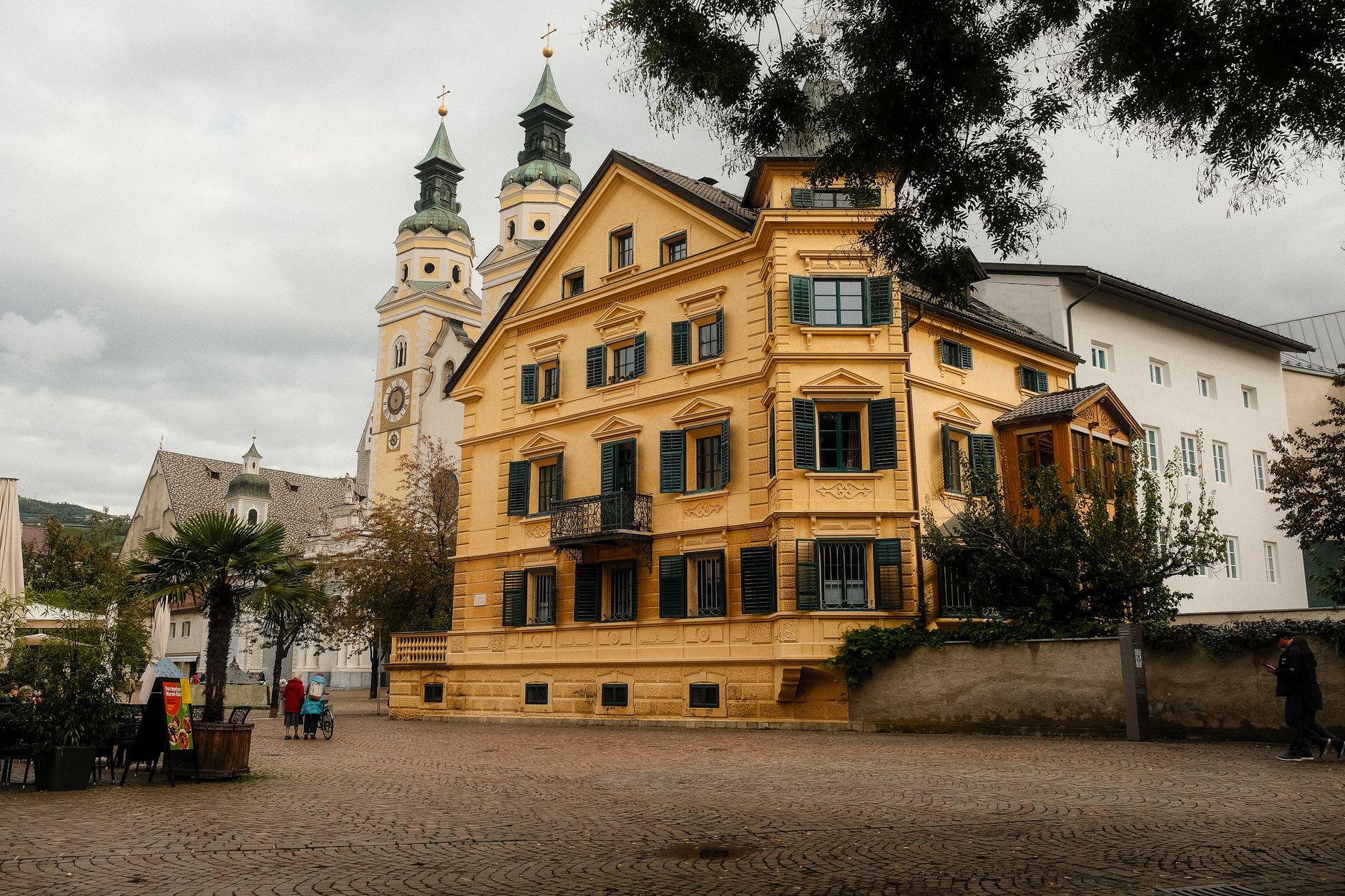
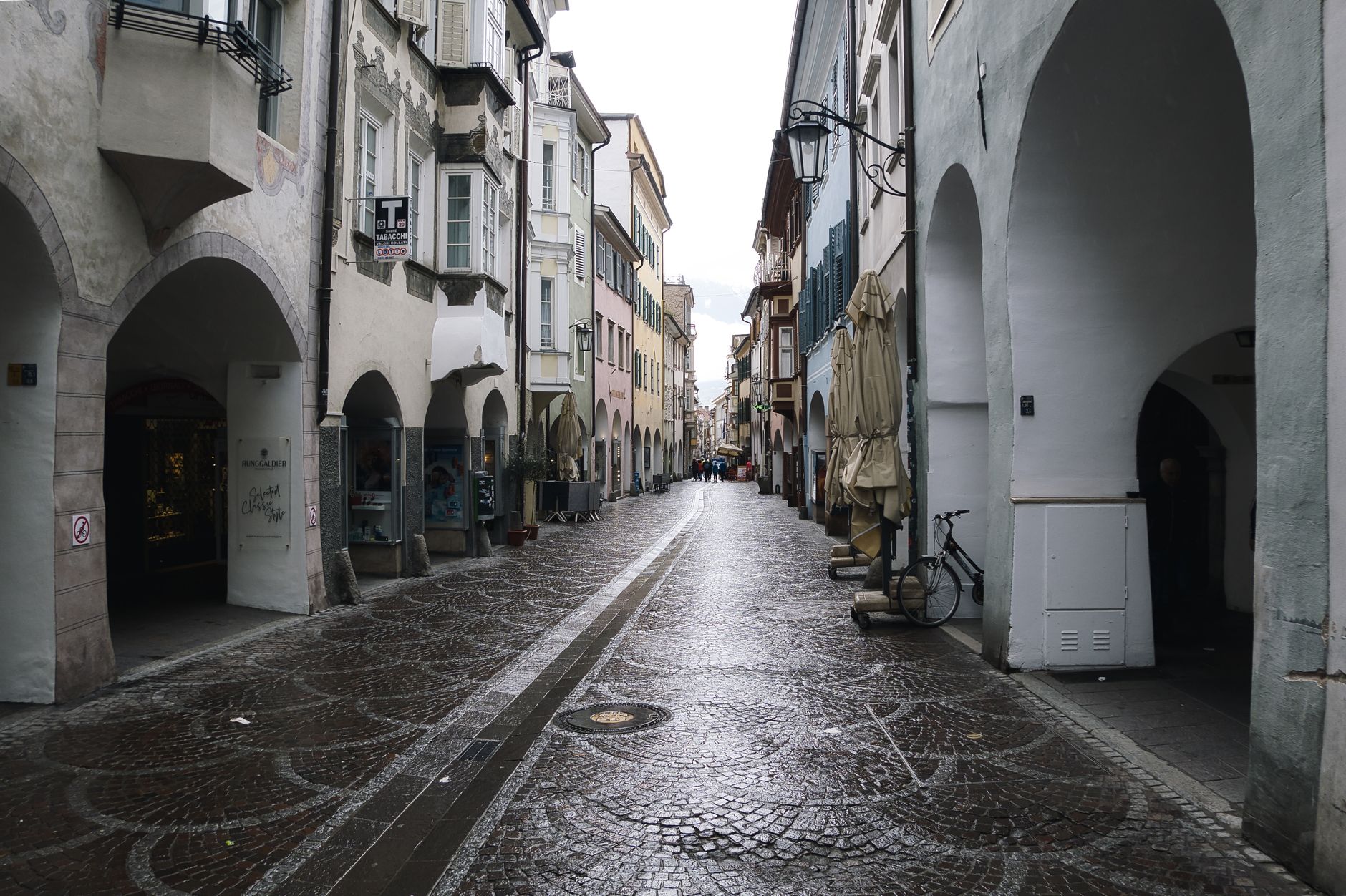
Bressanone sits thirty minutes north of Bolzano on the Brenner railway line, surrounded by terraced vineyards in the Valle Isarco. As the oldest town in Tyrol, it is known for its medieval bishop's palace and fourteenth-century cloister frescoes. Bressanone is worth visiting if you want dry alpine white wines and speck knödel in historic vaulted cellars. Look elsewhere if you want late-night clubbing or a car-free wilderness untouched by orchards and rail lines.
Last updated 2 Oct 2026
Build a Bressanone itinerary.
Choose up to 4 threads that pull you in. Your plan arrives organised around them.
The Bed
Where to stay in Bressanone
Which part of town to book, and what each one costs you in walking, noise or quiet.
The Comparison
Bressanone, or somewhere near it
The places you are realistically choosing between, and the honest case for each.
The Local Record
Where to read more about Bressanone
The blogs, boards, guides and operators worth bookmarking.
What to do in Bressanone Trentino-Alto Adige Italy
The town centres on Piazza Duomo and the Isarco riverbank, where German alpine traditions meet Italian valley life. Days start with espresso under the arcades of Via Portici Maggiori and revolve around unhurried cellar lunches, frescoed church walks, and late afternoon strolls across the Stufles bridges. It suits travellers who appreciate historical architecture, cool-climate viticulture, and walking without breaking into an aggressive march.
24 hours in Bressanone Trentino-Alto Adige Italy
Spend your morning examining the fourteenth-century cloister frescoes at the cathedral before grabbing a plate of rye Schlutzkrapfen in a vaulted tavern. In the afternoon, walk twenty minutes north along the river path to tour the cellars at Abbazia di Novacella. Finish with a glass of crisp Sylvaner in Piazza Parrocchia at dusk. Select 1 Day above to see it.
2 days in Bressanone Trentino-Alto Adige Italy
Cross the wooden bridge into Stufles, the oldest quarter, where narrow lanes climb past painted façades and quiet vegetable gardens. For dinner, book a wood-panelled stube for roasted venison or boiled beef with horseradish sauce, followed by warm apple strudel spiced with cinnamon and pine nuts. Choose 2 Days to expand the plan.
3 days in Bressanone Trentino-Alto Adige Italy
A third day lets you ride the cable car up Mount Plose to walk the panoramic high trails, or take a fifteen-minute regional train to Chiusa. From Chiusa, hike the quiet stone Stations of the Cross path to the fortified convent atop the holy rock of Sabiona, with time left for an afternoon glass of Kerner.
Bressanone Trentino-Alto Adige Italy itineraries by interest
Local Wine in Bressanone Trentino-Alto Adige Italy
Taste crisp Valle Isarco whites like Kerner and Sylvaner at the Augustinian Abbazia di Novacella, founded in 1142 just north of town.
Sacred Architecture in Bressanone Trentino-Alto Adige Italy
Walk the cathedral cloister to see fourteenth-century frescoes depicting biblical allegories, painted with vivid lapis lazuli pigments.
Alpine Cooking in Bressanone Trentino-Alto Adige Italy
Order butter-basted Schlutzkrapfen stuffed with spinach and ricotta, followed by smoked speck dumplings served in hot beef broth.
Historic Palaces in Bressanone Trentino-Alto Adige Italy
Tour the Renaissance courtyard and baroque wing of the Hofburg, the former residence of the Prince-Bishops of Brixen from the thirteenth century.
Bread Traditions in Bressanone Trentino-Alto Adige Italy
Buy fennel-and-caraway-scented Schüttelbrot and rye Paarlbrot from traditional bakeries along the paved alleys of the Stufles district.
Mountain Hiking in Bressanone Trentino-Alto Adige Italy
Take the Plose cable car up to 2,000 metres for ridge trails overlooking the jagged Odle peaks and the Puez-Geisler nature park.
Riverside Walks in Bressanone Trentino-Alto Adige Italy
Follow the footpaths along the confluence of the Isarco and Rienza rivers, passing stone weirs and shaded willow banks.
Produce Markets in Bressanone Trentino-Alto Adige Italy
Browse Saturday stalls on Piazza Duomo for mountain cheeses like Graukäse, alpine honey, dried porcini, and Val Venosta apples.
Day Trips in Bressanone Trentino-Alto Adige Italy
Ride the regional train fifteen minutes south to Chiusa to climb the steep cobbled path up to Sabiona Abbey perched on its rock.
Winter Sports in Bressanone Trentino-Alto Adige Italy
Ski the nine-kilometre Trametsch run down Mount Plose or rent a wooden sledge for the RudiRun toboggan track in cold January snow.
Thermal Baths in Bressanone Trentino-Alto Adige Italy
Soak in heated indoor and outdoor alpine pools at Acquarena, facing views of the surrounding craggy pine-covered slopes.
Old Town Alleys in Bressanone Trentino-Alto Adige Italy
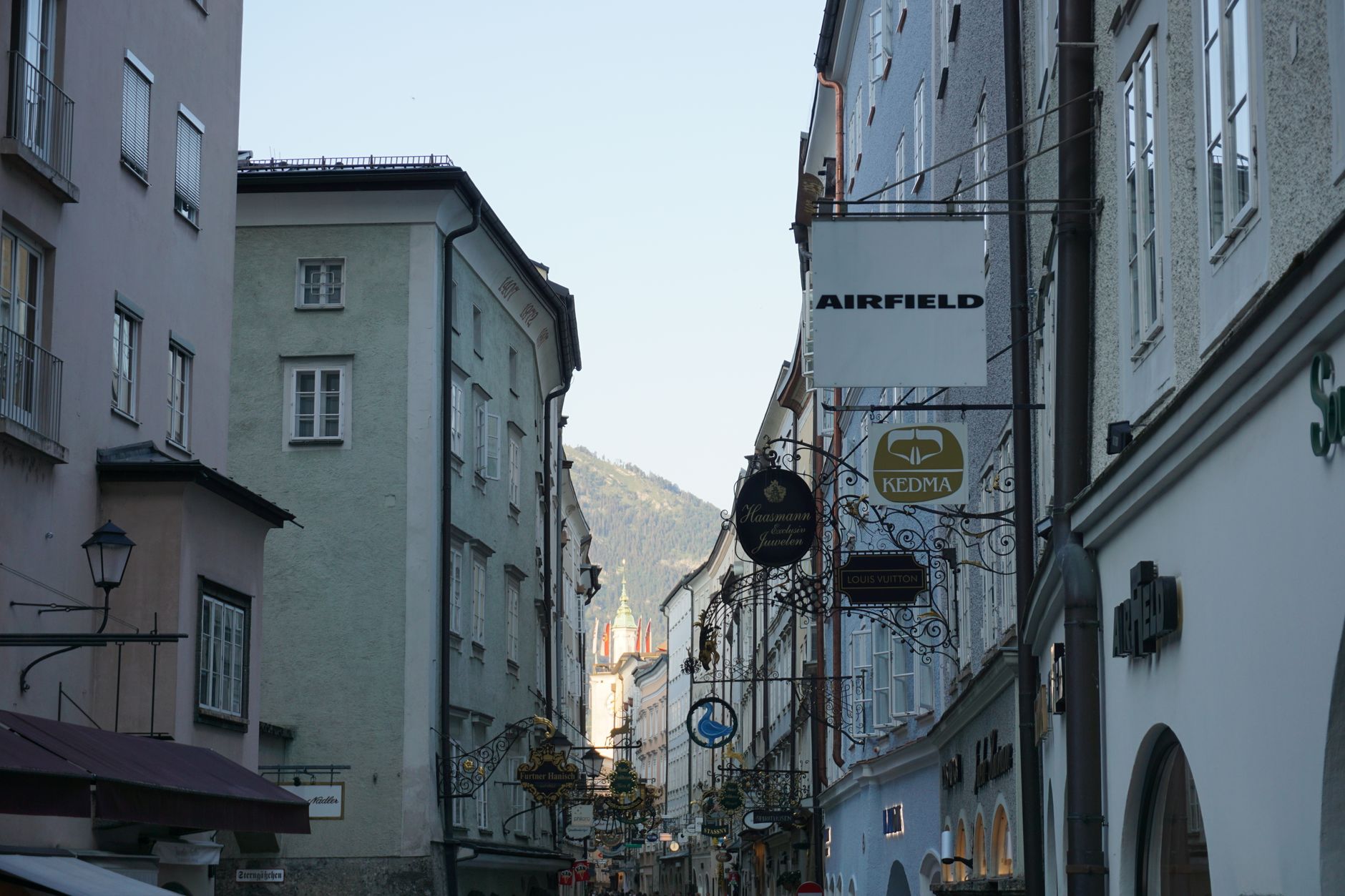
Wander the pastel-fronted arcades of Via Portici Maggiori, lined with wrought-iron signs and wood-panelled stube dining rooms.