Buenos Aires.


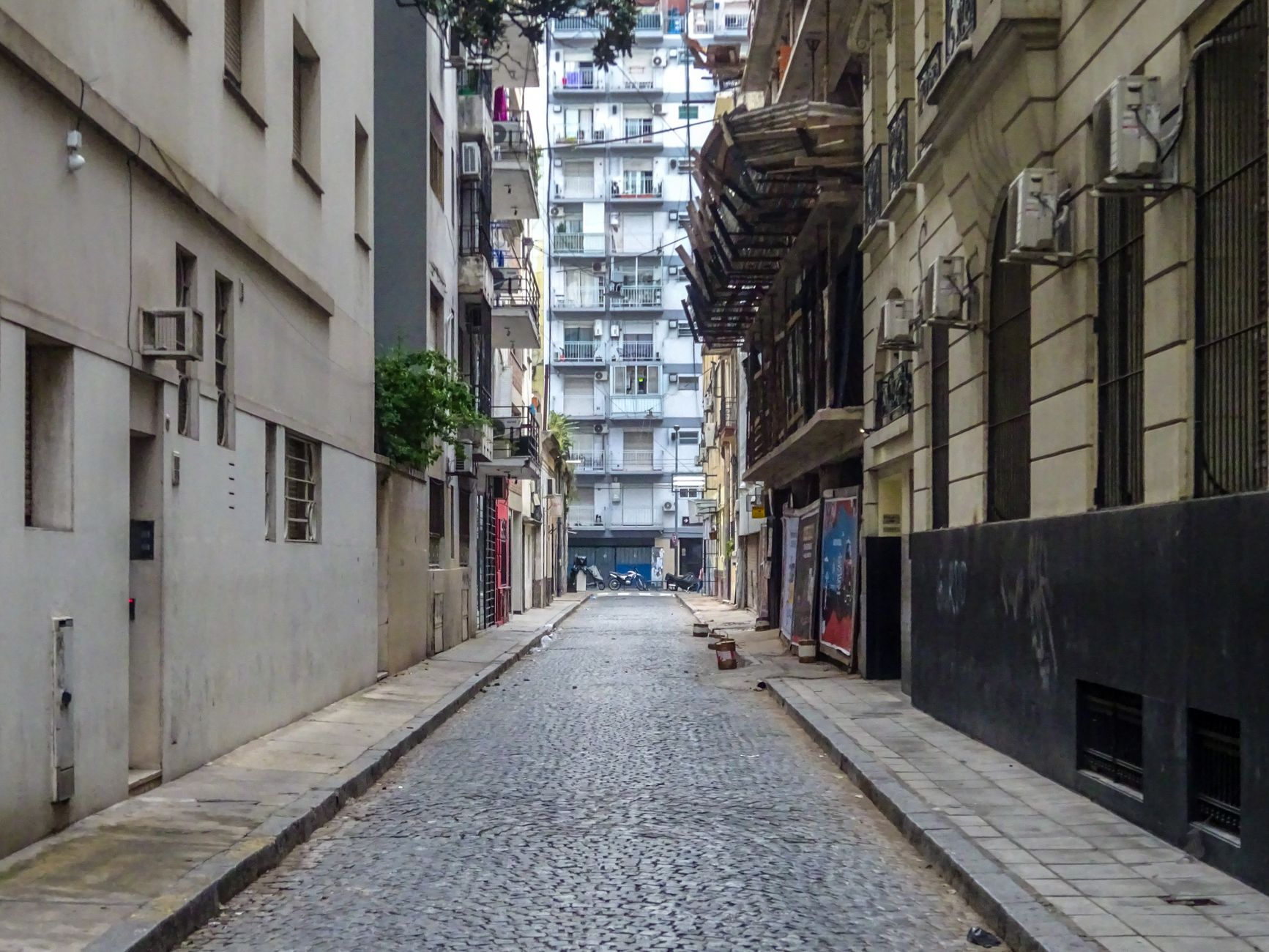


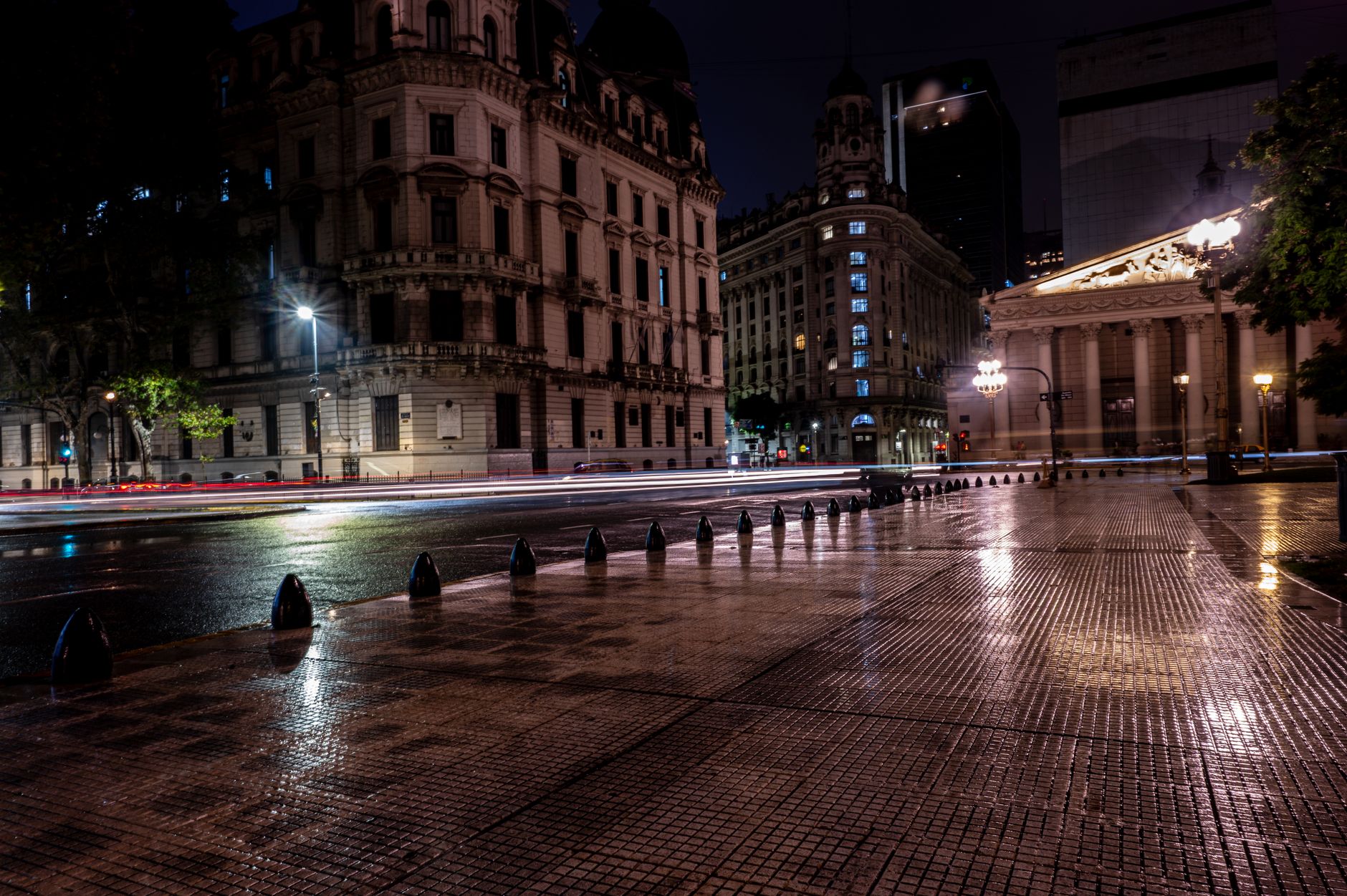
Taxis rattle across cobblestones under plane trees, and the city hums at a frequency that assumes nobody sleeps before two. Buenos Aires spreads vast and flat from the brown waters of the Río de la Plata, laying out French neoclassical facades alongside zinc-clad tenements. You come for wood-fired beef seared over quebracho coals, the mournful brass and violin of neighbourhood milongas, and the stubborn habit of arguing over espresso until midnight at café counter rails.
Last updated 28 Aug 2026
Build a Buenos Aires itinerary.
Choose up to 4 threads that pull you in. Your plan arrives organised around them.
We'll craft a 4-lens plan for Buenos Aires, one collapsible strand per lens.
Beef & Grills
Seek out ojo de bife and sweetbreads sizzled over quebracho charcoal at neighbourhood parrillas like Don Julio or rustic cantinas in Chacarita.
Beef & Grills
Seek out ojo de bife and sweetbreads sizzled over quebracho charcoal at neighbourhood parrillas like Don Julio or rustic cantinas in Chacarita.
Antique Aisles and Sizzling Choripán
Mercado de San Telmo
Walk the cast-iron arcade before midday foot traffic peaks. Order a sausage sandwich with chimichurri straight off the grill counter; no reservation needed.
Editor TipOperating under 1897 wrought iron, this neighborhood hall blends traditional butchers and vintage tango sheet music with charcoal smoke from active parrillan grills. Carry small Argentine peso bills for vintage soda siphons; stallholders rarely want your crisp foreign currency.
Charcoal-Fired Bife de Chorizo
Parrilla Peña
Arrive before 8:30 PM or expect a line. Order the thick-cut bife de chorizo cooked jugoso with provoleta cheese and a carafe of Malbec. Dinner takes two relaxed hours.
Editor TipThe Argentine parrilla is an enduring evening ritual centered on grass-fed beef cooked slowly over hardwood quebracho coals, seasoned only with coarse salt. They bring a complimentary fried empanada the second you sit down. Do not fill up on bread beforehand.
Market Butcher Cuts and Achuras
Mercado del Progreso
Browse the central meat stalls operating since 1889. Watch butchers portion vacio and sweetbreads, then grab a warm beef empanada from the perimeter stands. Plan forty-five minutes.
Editor TipCaballito's covered hall remains the neighborhood pantry where multi-generational butchers prep grass-fed pampa beef using regional seam-butchery traditions. Ask for a bife de chorizo cut two fingers thick; cash is preferred by the older vendors.
Quebracho Wood Cross Asado
Parrilla La Querencia
Arrive before noon to claim a table near the iron grates. Order the slow-cooked vacío flank and mollejas sweetbreads; lunch runs about twenty-five dollars per person with house Malbec.
Editor TipPampa grilling relies on red quebracho wood, which burns dense and slow, roasting whole flanks splayed on iron crosses for hours to render the fat without scorching the grass-fed beef. Ask the asador for cut portions from the flank edge where the salt and woodsmoke crust is thickest.
Wood-Fired Asado al Asador
La Esquina de Arellano
Book ahead for a courtyard table. Order the vacio and crisp morcilla cooked over quebracho wood, poured alongside a sturdy local Malbec. Expect a leisurely two hours.
Editor TipThe asador method mounts whole sides of beef on iron crosses around an open timber pit, rendering grass-fed fat over hours until the meat yields to the back of a fork. Do not attempt to hurry the grill master; the coals work on their own timetable.
Tango & Dance
Skip the polished dinner shows and head to traditional milongas like Club Gricel or Salon Canning, where locals dance until dawn.
Tango & Dance
Skip the polished dinner shows and head to traditional milongas like Club Gricel or Salon Canning, where locals dance until dawn.
Modernist Crypts and Tango Shrines
Cementerio de la Chacarita
Enter through the Doric portico on Avenida Guzmán. Walk the quiet diagonal avenues back toward Carlos Gardel's bronze statue. Allow two hours; admission is free and never crowded.
Editor TipBuilt during the 1871 yellow fever epidemic, this massive necropolis houses the musicians, working-class poets, and brutalist subterranean pantheons that built modern porteño culture. Locals leave lit cigarettes in Gardel's right hand; nod politely to the regulars tending the flowers.
Traditional Social Tango Milonga
Club Gricel
Reserve a table by phone two days ahead. Order empanadas and Malbec at eight, join the preliminary lesson at eight-thirty, then watch the floor fill up.
Editor TipFounded in San Cristóbal, Gricel preserves the golden-era salon codes: dancers travel strictly counter-clockwise in concentric tracks, invited solely by the traditional cabeceo eye-contact nod. Honor the room etiquette by keeping your voice low during tandas and never walking across the active dance floor.
Street Markets
Comb through brass siphons and antique silver at the Sunday Feria de San Telmo, or pick up leather goods around Plaza Dorrego.
Street Markets
Comb through brass siphons and antique silver at the Sunday Feria de San Telmo, or pick up leather goods around Plaza Dorrego.
Traditional Criollo Silversmithing Demonstration
Museo y Taller de Platería Draghi
Walk through the courtyard off the main plaza. Entry is around ten dollars; spend forty-five minutes inspecting the hand-chiseled silver mate gourds, stirrups, and facón knives with the artisan.
Editor TipAreco has anchored Argentine metalwork since the nineteenth century, when gauchos wore their wealth on silver belt buckles and leather scabbards rather than trusting urban banks. Inspect the joinery on the carpincho leather knife sheaths; the stitching here is done entirely by hand without glue.
Cemetery Art
Walk the narrow marble corridors of Recoleta Cemetery to inspect ornate mausoleums, Art Deco crypts, and the Duarte family vault.
Cemetery Art
Walk the narrow marble corridors of Recoleta Cemetery to inspect ornate mausoleums, Art Deco crypts, and the Duarte family vault.
Gilded Crypts and Epitaphs
Cementerio de la Recoleta
Enter at the Junín gate right at opening. Buy credit-card-only tickets at the kiosk or online, then give yourself ninety unhurried minutes among the stone alleys.
Editor TipFounded in 1822 as the city's first public burial ground, this necropolis holds generations of oligarchs, presidents, and poets under neo-classical and Art Deco marble. Skip the crowd at the Duarte vault initially; walk the quiet perimeter aisles for the finest bronze statuary.
Pampas Mausoleums and Crypts
Cementerio Municipal de San Antonio de Areco
Walk through the iron gates on the town edge. It is free to enter, quiet under the cypresses, and takes forty minutes to navigate the nineteenth-century family vaults.
Editor TipUnlike the dense marble corridors of Recoleta, this rural pantheon holds the ranching dynasties, silversmiths, and folk poets who codified gaucho culture into Argentina's national identity. Bring water and a broad hat; the afternoon sun out here spares no one between the stone plots.
Note from the Editor
“Get to Recoleta at nine on the dot before tour buses arrive. Keep small peso notes ready for stall vendors, wear flat soles for uneven pavers, and accept that no kitchen opens before noon.”
The Bed
Where to stay in Buenos Aires
Which part of town to book, and what each one costs you in walking, noise or quiet.
The Comparison
Buenos Aires, or somewhere near it
The places you are realistically choosing between, and the honest case for each.
The Local Record
Where to read more about Buenos Aires
The blogs, boards, guides and operators worth bookmarking.
What to do in Buenos Aires Buenos Aires Argentina
Buenos Aires is arranged into distinct, walkable barrios strung along wide avenues. Days start late with milky coffee and medialunas, drift through tree-shaded plazas, and peak near midnight over grass-fed steaks and carafes of Malbec. It rewards travellers who prefer strolling, sitting in historic bars, and eating at an unhurried pace over ticking off rigid museum lists.
24 hours in Buenos Aires Buenos Aires Argentina
Start at Plaza de Mayo and walk the grand spine of Avenida de Mayo for coffee at Café Tortoni. By mid-afternoon, wander the leafy avenues of Recoleta Cemetery. Dine after 9:30 PM on bife de chorizo at a Palermo parrilla, then catch late-night tango at a neighbourhood social club. Select 1 Day above to see it.
2 days in Buenos Aires Buenos Aires Argentina
Devote the second day to San Telmo and the colourful zinc houses of La Boca. Grab an afternoon slice of thick fugazzeta pizza on Avenida Corrientes, browse the theatre-turned-bookshop El Ateneo Grand Splendid, and spend the evening over craft vermouth and tapas in Chacarita. Choose 2 Days to expand the plan.
3 days in Buenos Aires Buenos Aires Argentina
A third day allows a morning train ride from Retiro station to Tigre for a boat trip along the lush Paraná Delta waterways. Return to the city for a late afternoon walk through the Reserva Ecológica costanera, finishing with sweetbreads and Malbec at an unpretentious cantina.
Buenos Aires Buenos Aires Argentina itineraries by interest
Beef & Grills in Buenos Aires Buenos Aires Argentina
Seek out ojo de bife and sweetbreads sizzled over quebracho charcoal at neighbourhood parrillas like Don Julio or rustic cantinas in Chacarita.
Historic Cafés in Buenos Aires Buenos Aires Argentina
Order medialunas and cortados at marble-topped tables in notable bars like Café Tortoni or Los Galgos, where debate runs well past midnight.
Bookstores & Literature in Buenos Aires Buenos Aires Argentina
Browse late into the evening along Avenida Corrientes or under the gilded theatre dome at El Ateneo Grand Splendid on Avenida Santa Fe.
Tango & Dance in Buenos Aires Buenos Aires Argentina
Skip the polished dinner shows and head to traditional milongas like Club Gricel or Salon Canning, where locals dance until dawn.
Street Food in Buenos Aires Buenos Aires Argentina
Grab a warm choripán with spicy chimichurri from the stainless carts along the Costanera Sur, or slice into fugazzeta at Pizzería Güerrín.
Urban Architecture in Buenos Aires Buenos Aires Argentina
Stroll Avenida de Mayo to trace Italianate palaces, Belle Époque apartment houses, and the Dante-inspired curves of Palacio Barolo.
Street Markets in Buenos Aires Buenos Aires Argentina
Comb through brass siphons and antique silver at the Sunday Feria de San Telmo, or pick up leather goods around Plaza Dorrego.
Cemetery Art in Buenos Aires Buenos Aires Argentina
Walk the narrow marble corridors of Recoleta Cemetery to inspect ornate mausoleums, Art Deco crypts, and the Duarte family vault.
Wine & Bodegas in Buenos Aires Buenos Aires Argentina
Sample high-altitude Malbec, mineral Torrontés, and Cabernet Franc paired with charcuterie boards at intimate vinotecas in Palermo Soho.
Modern Art in Buenos Aires Buenos Aires Argentina
Inspect Latin American masterworks at MALBA on Avenida Figueroa Alcorta, followed by cutting-edge contemporary exhibits at Colección Fortabat.
Waterfront Walks in Buenos Aires Buenos Aires Argentina
Cross the Puente de la Mujer to wander recycled red-brick docks in Puerto Madero, or trail the quiet paths of the Reserva Ecológica.
Day Trips in Buenos Aires Buenos Aires Argentina
Catch the Mitre train from Retiro to Tigre, where commuter launches navigate the quiet willow-lined channels of the Paraná Delta.