.jpg)


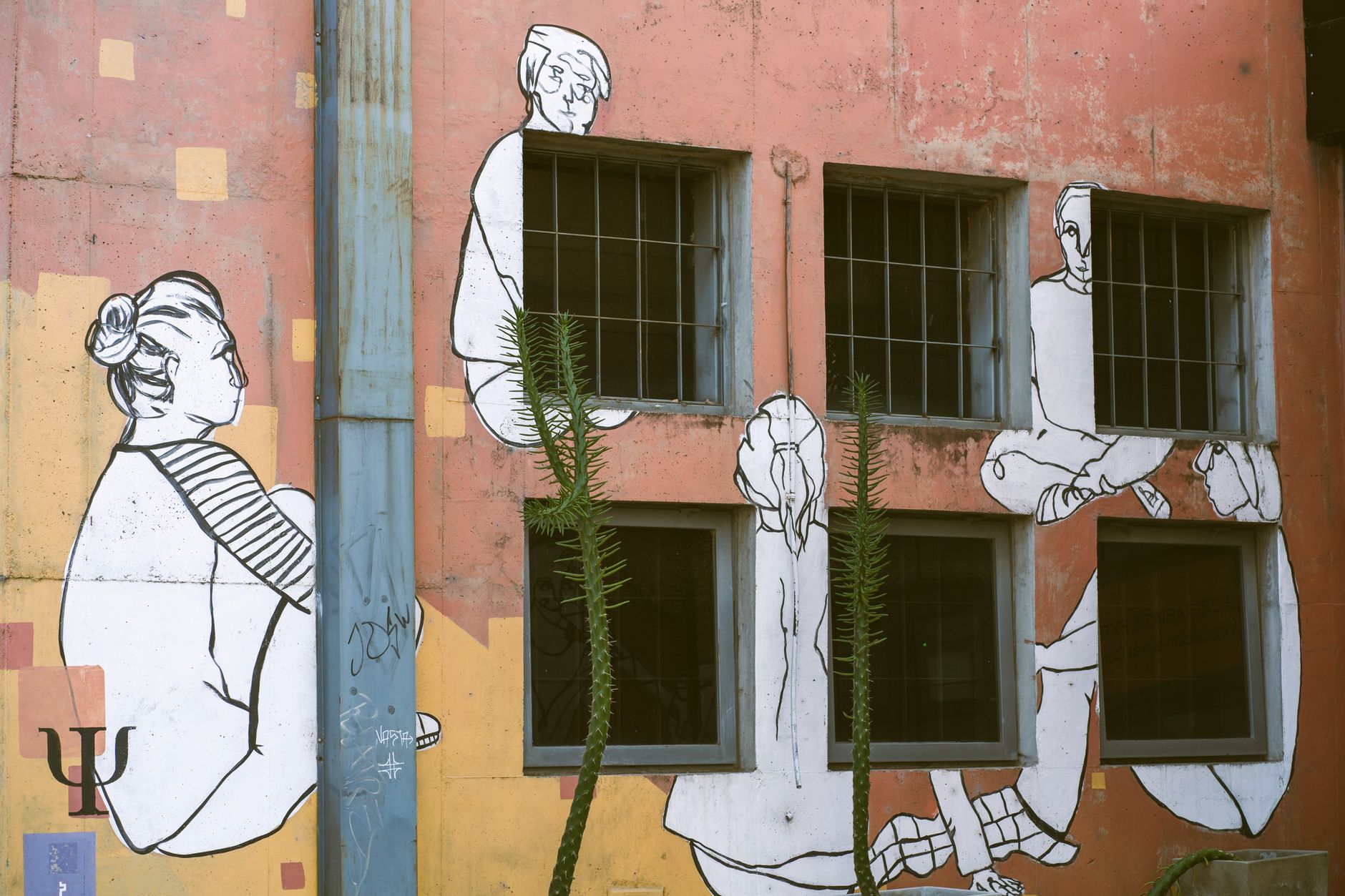

Church bells clang off colonial stone while half a million university students debate politics over bitter Fernet and Coca-Cola. Argentina’s second city spreads outward from its seventeenth-century Jesuit core into bohemian Güemes, where artisans set up shop along the La Cañada canal. It is loud, unapologetically cultured, and intensely proud of its own rhythms. You come here to walk the Manzana Jesuítica, eat a stacked lomito at midnight, and hear brass-heavy cuarteto rattling tavern windows.
Last updated 28 Aug 2026
Build a Córdoba itinerary.
Choose up to 4 threads that pull you in. Your plan arrives organised around them.
The Bed
Where to stay in Córdoba
Which part of town to book, and what each one costs you in walking, noise or quiet.
The Comparison
Córdoba, or somewhere near it
The places you are realistically choosing between, and the honest case for each.
The Local Record
Where to read more about Córdoba
The blogs, boards, guides and operators worth bookmarking.
What to do in Córdoba Córdoba Argentina
The city pivots on its historic centre and the youthful pull of Nueva Córdoba. Mornings suit quiet visits to seventeenth-century courtyards and neoclassical galleries, while afternoons slow down over espresso in Plaza San Martín. By nightfall, bars along Calle Belgrano fill with students and travellers drinking local vermouth. It rewards walkers who like a working regional capital with deep architectural bones and zero pretence.
24 hours in Córdoba Córdoba Argentina
Start by nine at the Jesuit crypt and the Cathedral on Plaza San Martín. For lunch, grab a beef lomito at Mercado Norte. Spend the afternoon strolling along La Cañada into Barrio Güemes for coffee, then settle into a sidewalk table on Calle Fructuoso Rivera for grilled flank steak and a cold Fernet around ten. Select 1 Day above to see it.
2 days in Córdoba Córdoba Argentina
Day two adds the grand houses of Nueva Córdoba and the Palacio Ferreyra art museum. In the afternoon, head toward Parque Sarmiento before lingering over an evening meal of wood-fired cabrito at an old-school parrilla in General Paz, where the dining rooms are loud, warm, and entirely local. Choose 2 Days to expand the plan.
3 days in Córdoba Córdoba Argentina
A third day lets you leave the city basin for the Sierras de Córdoba. Take the forty-minute bus to Alta Gracia to see the seventeenth-century Jesuit estancia and Che Guevara’s childhood home, or venture further into the Punilla Valley for mountain trail walks and quiet country bakeries.
Córdoba Córdoba Argentina itineraries by interest
Sacred Architecture in Córdoba Córdoba Argentina
Tour the 17th-century Manzana Jesuítica and the crypt of the Iglesia de la Compañía de Jesús, where sandstone arches meet indigenous cedar carvings.
Local Spirits in Córdoba Córdoba Argentina
Order Fernet Branca with cola served in a cut plastic bottle or heavy tumbler at neighborhood bodegones across Güemes and Nueva Córdoba.
Street Food in Córdoba Córdoba Argentina
Order a lomito completo, stacked with tender beef tenderloin, fried egg, ham, and chimichurri on soft pan de agua at street stalls on Belgrano.
Live Music in Córdoba Córdoba Argentina
Catch cuarteto, the syncopated local dance rhythm born from Italian accordions and Spanish guitars, late at night in bailantas like Sociedad Belgrano.
Historic Quarters in Córdoba Córdoba Argentina
Walk the stone embankments of La Cañada canal before exploring the antique shops, craft galleries, and open-air patios along Calle Belgrano.
Fine Arts in Córdoba Córdoba Argentina
Visit the Museo Caraffa and the palatial Palacio Ferreyra along Plaza España, holding major nineteenth- and twentieth-century Argentine paintings.
Markets & Produce in Córdoba Córdoba Argentina
Head to Mercado Norte for fresh goat cheeses, charcuterie, and steaming bowls of locro or tripe stew served at informal lunch counters.
Regional Cooking in Córdoba Córdoba Argentina
Sit down for cordobés empanadas sweetened with raisins and dusted with sugar, followed by slow-roasted cabrito serrano cooked over wood embers.
Mountain Hiking in Córdoba Córdoba Argentina
Take a local bus west into the Sierras Chicas to hike the pine trails around La Cumbre or the rocky ridges of Quebrada del Condorito.
Literary Heritage in Córdoba Córdoba Argentina
Browse the historic library inside the Universidad Nacional de Córdoba, founded in 1613 as one of the oldest universities in South America.
Valley Day Trips in Córdoba Córdoba Argentina
Ride out to the Jesuit estancias of Alta Gracia and Santa Catalina, stone pastoral compounds with baroque chapels and ancient olive groves.
Pastry & Sweets in Córdoba Córdoba Argentina
Taste traditional alfajores cordobeses, glazed soft biscuits filled with quince paste or dulce de leche, sold at historic bakeries across the centre.