


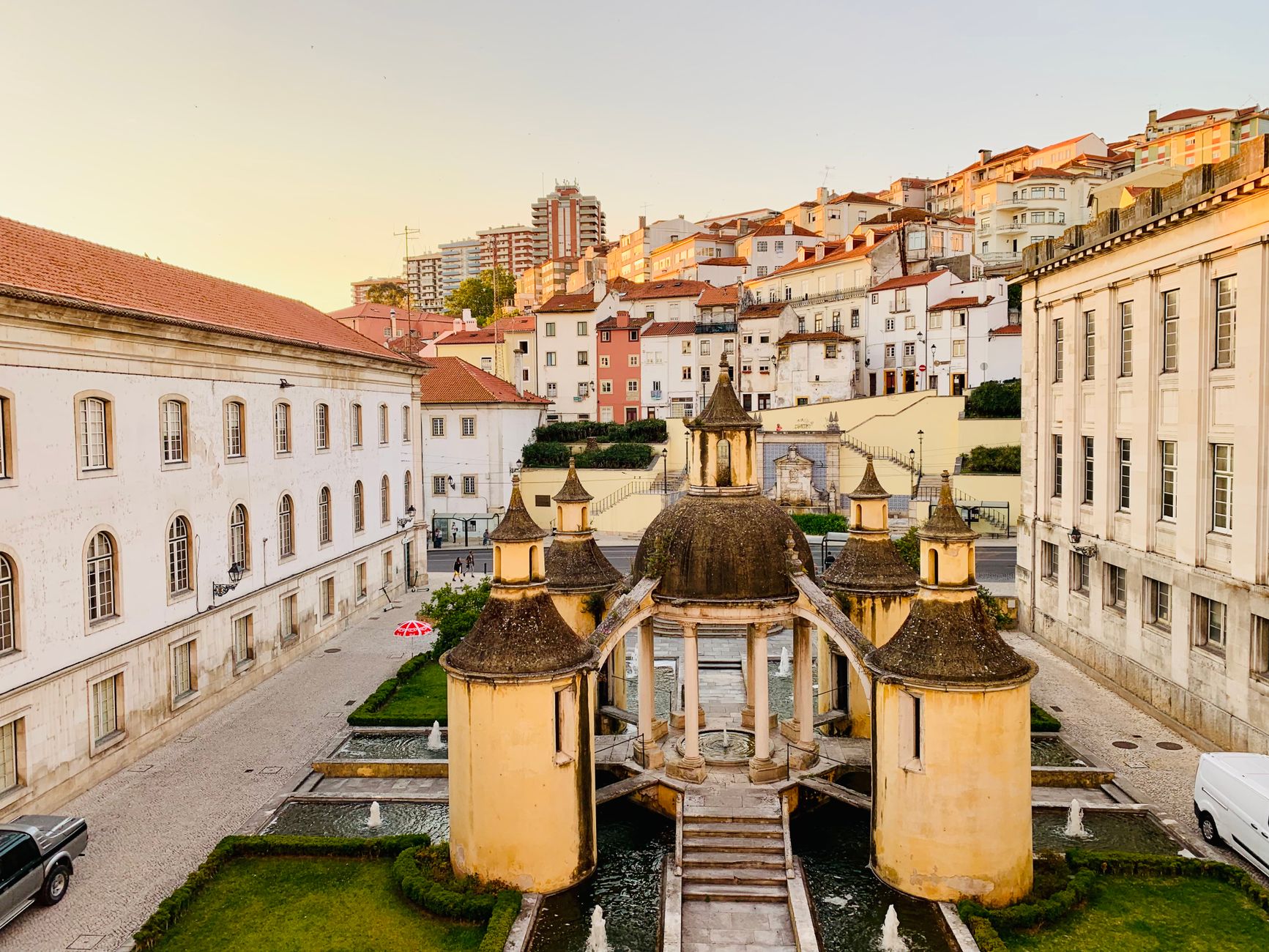
Sulfur steam drifts off the oldest purpose-built thermal hospital in Europe, while fifty paces away on Praça da Fruta, farmers unload crates of Rocha pears and sheep's cheese beneath canvas striped by morning fog. Founded by Queen Leonor in the fifteenth century, this inland market town built its stubborn pride on mineral waters, satirical ceramics by Rafael Bordalo Pinheiro, and honest lunch counters serving roasted cod.
Last updated 27 Aug 2026
Build a Caldas da Rainha itinerary.
Choose up to 4 threads that pull you in. Your plan arrives organised around them.
The Bed
Where to stay in Caldas da Rainha
Which part of town to book, and what each one costs you in walking, noise or quiet.
The Comparison
Caldas da Rainha, or somewhere near it
The places you are realistically choosing between, and the honest case for each.
The Local Record
Where to read more about Caldas da Rainha
The blogs, boards, guides and operators worth bookmarking.
What to do in Caldas da Rainha Leiria Portugal
Caldas da Rainha moves to the steady rhythm of a working market town rather than a tourist resort. Mornings centre on the open-air produce trade in Praça da República before shifting south into the shaded walkways of Parque Dom Carlos I and the tile-clad ceramic workshops. It suits travellers who appreciate unpretentious Portuguese daily life, regional cooking, and easy access to both Atlantic surf and medieval hillside villages.
24 hours in Caldas da Rainha Leiria Portugal
Start by 9:00 at Praça da Fruta buying figs and sheep cheese. Walk through the thermal park to the Museu de Cerâmica, then sit down for roasted octopus or bacalhau at a tiled tasca on Rua Dr. Leão Azedo. Finish the afternoon inspecting Bordalo Pinheiro cabbage plates before an easy fifteen-minute bus ride to catch the Atlantic sunset at Foz do Arelho. Select 1 Day above to see it.
2 days in Caldas da Rainha Leiria Portugal
Spend your second morning exploring the calm shores of Lagoa de Óbidos, walking the wooden boardwalks and eating steamed clams with garlic. In the afternoon, head six kilometres south to walk the medieval ramparts of Óbidos once the tour buses depart, drinking sour cherry ginjinha and dining on slow-cooked wild boar stew in a stone-walled cellar tavern. Choose 2 Days to expand the plan.
3 days in Caldas da Rainha Leiria Portugal
Day three opens up the fishing harbour of Peniche twenty minutes southwest for sea bass pulled straight from the morning boats, or the soaring Gothic limestone cloisters of Alcobaça to the north. Settle back in Caldas for a quiet evening coffee and crisp cavacas pastries at a family-run pastelaria, watching neighbours stroll past Art Nouveau facades.
Caldas da Rainha Leiria Portugal itineraries by interest
Local Markets in Caldas da Rainha Leiria Portugal
Praça da Fruta runs daily in Praça da República, packed with regional Rocha pears, Alcobaça apples, fresh queijo fresco, and bunches of coriander.
Ceramics & Pottery in Caldas da Rainha Leiria Portugal
Rafael Bordalo Pinheiro left cabbage ware and satirical earthenware at the factory shop, while modern ceramicists sell pieces around Rua de Camões.
Thermal Baths in Caldas da Rainha Leiria Portugal
Queen Leonor established the Hospital Termal in 1485. Walk the neo-classical pavilions and drink sulfurous mineral waters by Parque Dom Carlos I.
Local Bakeries in Caldas da Rainha Leiria Portugal
Stop at traditional pastelarias for Cavacas das Caldas, crisp sugar-glazed hollow pastries, and Trouxas das Caldas dripping with sweet egg yolk threads.
City Parks in Caldas da Rainha Leiria Portugal
Parque Dom Carlos I offers shaded plane trees, a boating lake, and the Museu José Malhoa, showing 19th-century Portuguese naturalism and sculpture.
Traditional Taverns in Caldas da Rainha Leiria Portugal
Order cozido à portuguesa or grilled sardinhas at tiled tascas along Rua Dr. Miguel Bombarda, paired with crisp white wine from the Encostas de Aire.
Art Museums in Caldas da Rainha Leiria Portugal
Museu de Cerâmica occupies an eclectic romantic mansion, tracing centuries of glaze techniques and faience, five minutes north of the municipal park.
Coastal Lagoons in Caldas da Rainha Leiria Portugal
Lagoa de Óbidos sits ten minutes west, where flat saltwater waters invite wading, paddleboarding, and plates of ameijoas at waterfront cafes.
Day Trips in Caldas da Rainha Leiria Portugal
The medieval walled town of Óbidos lies six kilometres south, easily reached by local bus for ginjinha in chocolate cups and crenellated walks.
Beaches in Caldas da Rainha Leiria Portugal
Foz do Arelho provides open Atlantic surf on one side and tranquil lagoon currents on the other, lined with simple wooden walkways and fish shacks.
Regional Wine in Caldas da Rainha Leiria Portugal
Vineyards across the surrounding Oeste region pour light, Atlantic-cooled Arinto and Castelão, poured generously across humble neighborhood tascas.
Architecture in Caldas da Rainha Leiria Portugal
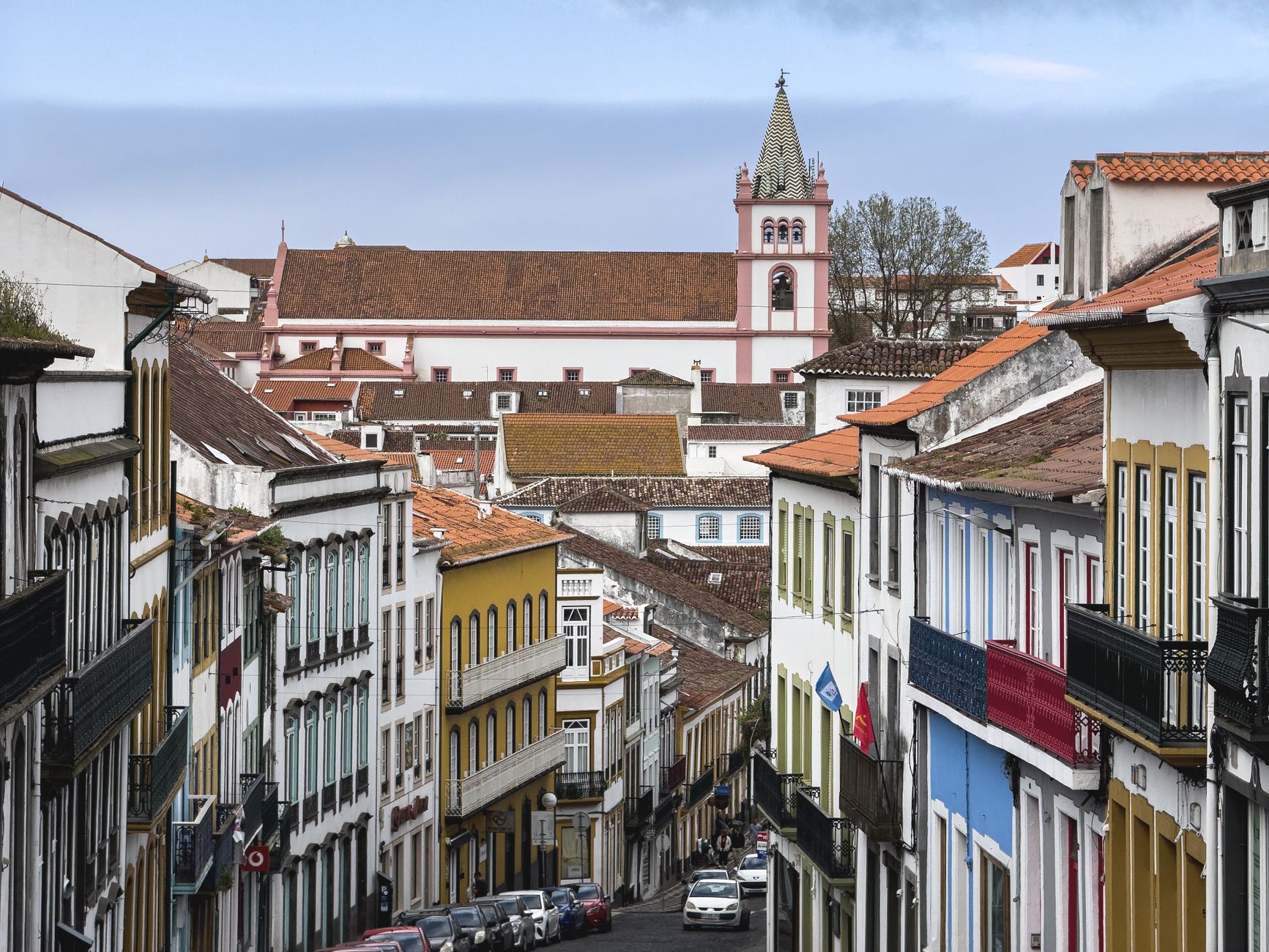
Art Nouveau facades and decorative azulejo tilework line the pedestrian streets, from Rua Almirante Cândido dos Reis down to the thermal quarter.