



Camogli sits 25 kilometres east of Genoa, reached in 35 minutes by regional train along the Golfo Paradiso coast. It is known for its towering pastel sea-facing palazzi and a preserved maritime fleet that still works the bay. Camogli is worth visiting if you want hot focaccia col formaggio eaten on the harbour wall and quiet hiking paths across the Portofino headland. Look elsewhere if you want sandy beaches, flat terrain, or late-night cocktail bars.
Last updated 3 Oct 2026
Build a Camogli itinerary.
Choose up to 4 threads that pull you in. Your plan arrives organised around them.
The Bed
Where to stay in Camogli
Which part of town to book, and what each one costs you in walking, noise or quiet.
The Comparison
Camogli, or somewhere near it
The places you are realistically choosing between, and the honest case for each.
The Local Record
Where to read more about Camogli
The blogs, boards, guides and operators worth bookmarking.
What to do in Camogli Liguria Italy
Life here revolves around the crescent harbour and the steep promenade of Via Garibaldi. Tall, painted sea-captains' houses rise straight out of the pebble beach, while fishing skiffs unload cuttlefish and anchovies by the stone breakwater. It suits walkers, patient eaters, and travellers who prefer a working port over manicured resort sheen.
24 hours in Camogli Liguria Italy
Start early with warm focaccia on Via della Repubblica, then climb the stone steps up to Castello della Dragonara. Spend the afternoon swimming off the grey shingles before taking a harbourfront table for fried anchovies and a carafe of chilled Pigato as the sun drops behind Genoa. Select 1 Day above to see it.
2 days in Camogli Liguria Italy
Take the morning ferry across the bay to the tenth-century abbey of San Fruttuoso, then hike the coastal path back over the cliffs to San Rocco. Finish with dinner above the sea, ordering pansotti pasta coated in rich walnut sauce and roasted sea bass. Choose 2 Days to expand the plan.
3 days in Camogli Liguria Italy
A third day allows an unhurried morning walk along the rocks at Punta Chiappa, followed by the short train ride to Genoa to explore the medieval caruggi and grand Renaissance palazzi of Via Garibaldi, returning for a nightcap by the quiet Camogli docks.
Camogli Liguria Italy itineraries by interest
Local Seafood in Camogli Liguria Italy
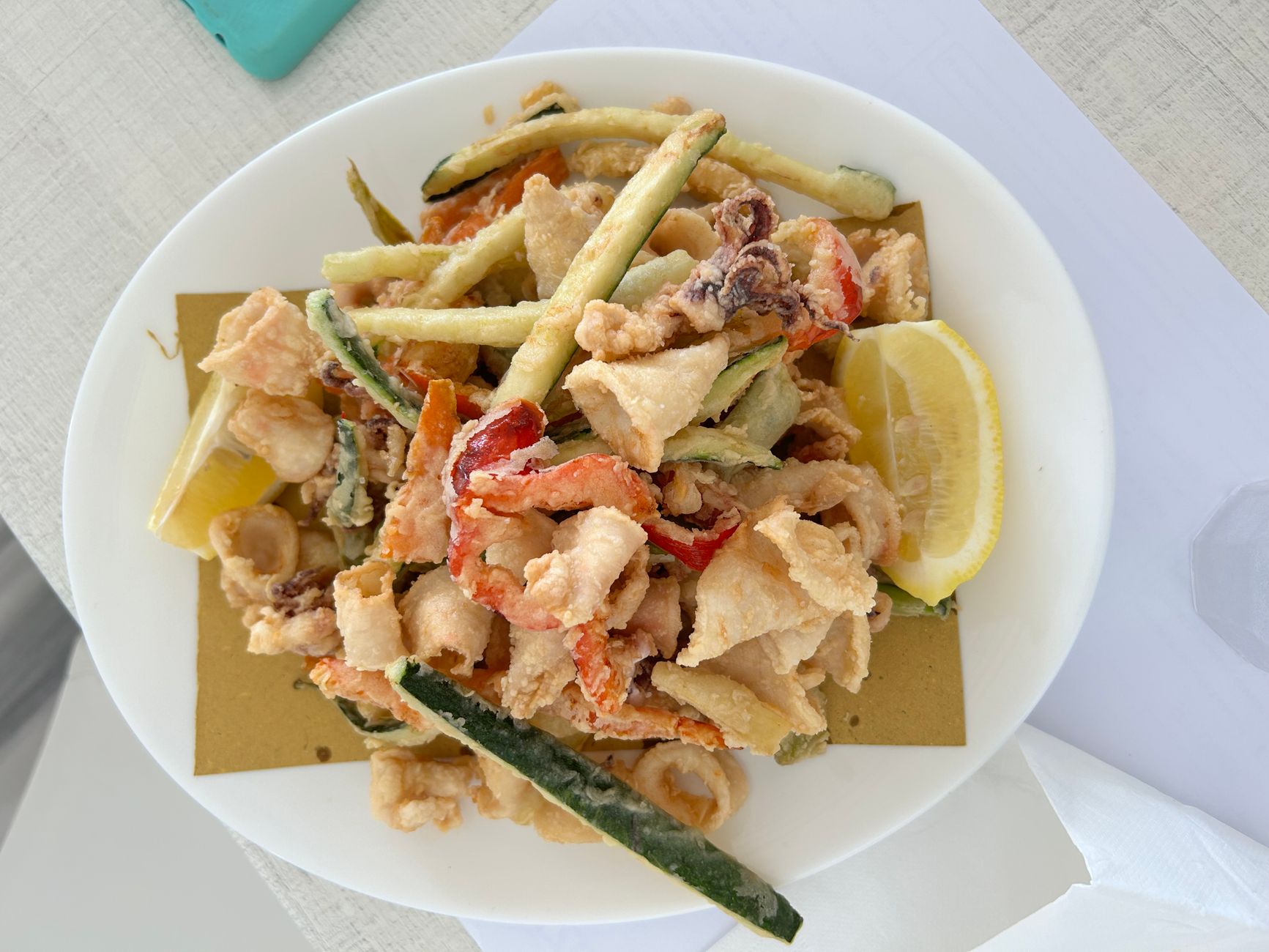
Anchovies fried fresh at the harbour, salted palamita, and grilled sea bream pulled from the Ligurian Sea by the small local fleet.
Street Food in Camogli Liguria Italy
Thin, bubbly focaccia col formaggio di Recco and crisp squares of chickpea farinata served hot on greaseproof paper from Via Garibaldi.
Hiking in Camogli Liguria Italy
Trails climb the Portofino promontory to Semaforo Vecchio and descend steep stone steps down to the secluded bay of San Fruttuoso.
Maritime History in Camogli Liguria Italy
Civico Museo Marinaro Gio Bono Ferrari chronicles Camogli's golden age as the 19th-century 'City of a Thousand White Sails'.
Sacred Architecture in Camogli Liguria Italy
The 12th-century Basilica di Santa Maria Assunta stands on the rocky island outcrop, surrounded by three sides of breaking surf.
Coastal Walks in Camogli Liguria Italy
Paved paths wind along the cliffside from Via al Porto past trompe-l'œil facades toward the quiet promontory of Punta Chiappa.
Wine & Vineyards in Camogli Liguria Italy
Crisp, saline glasses of Pigato, Vermentino, and local Bianchetta Genovese poured alongside green olives on harbourfront terraces.
Boat Excursions in Camogli Liguria Italy
Local ferries run daily from the harbour across the Golfo Paradiso to the medieval abbey of San Fruttuoso and onward to Portofino.
Castles & Forts in Camogli Liguria Italy
Castello della Dragonara dates to the 13th century, perched on the headland rock to defend the harbour from Saracen raiders.
Day Trips in Camogli Liguria Italy
Ride the train twelve minutes to Santa Margherita Ligure or take the regional line west to the historic palazzi of Genoa.
Bakeries & Cafes in Camogli Liguria Italy
Bakeries along Via della Repubblica turn out oily Genoese focaccia at dawn, alongside rum-soaked Camogliesi pastries with chocolate.
Beaches in Camogli Liguria Italy
The steep, dark pebble shoreline of Spiaggia di Camogli stretches below the promenade, washed clean by deep, clear open water.