Castelrotto.


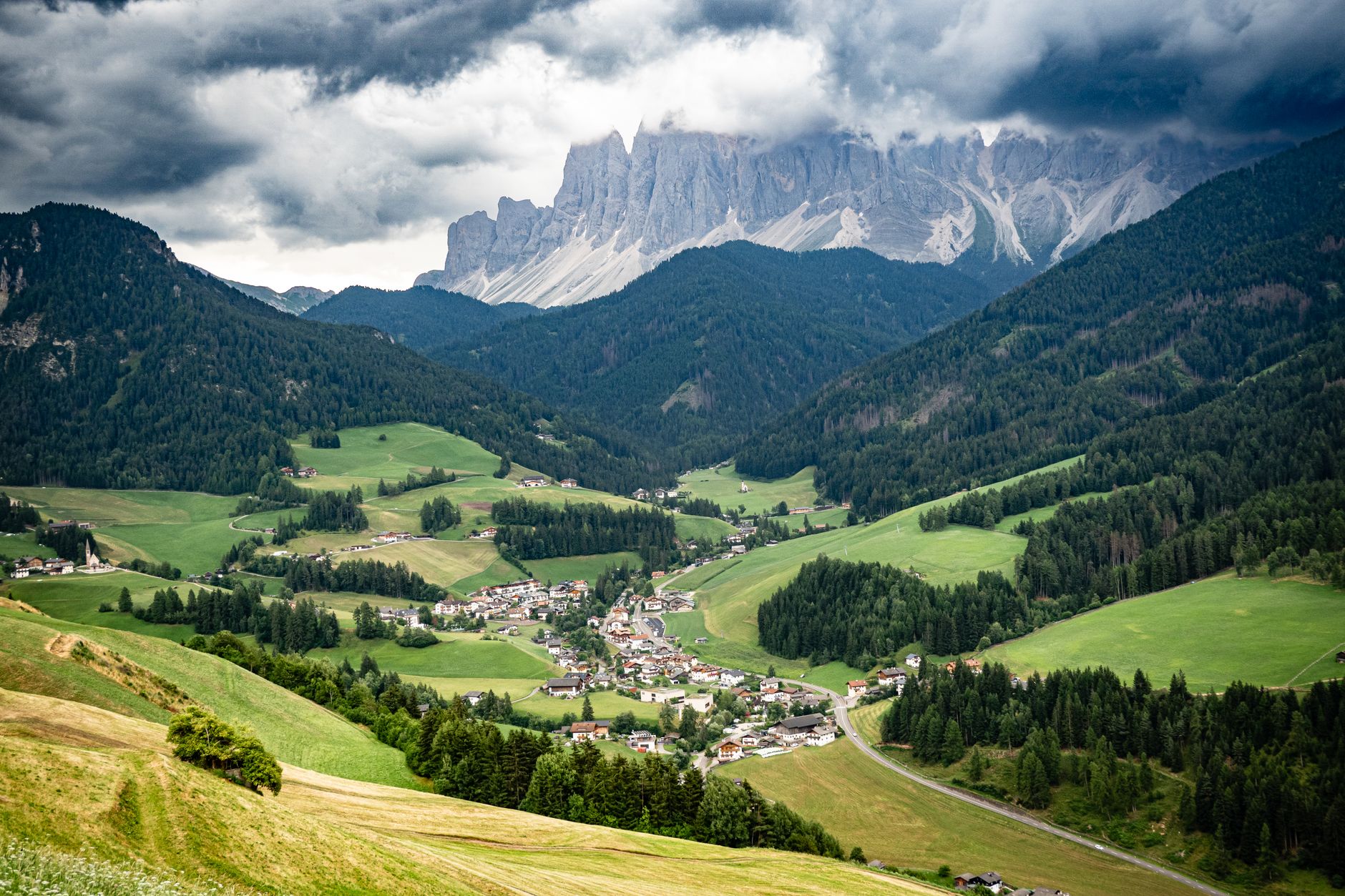
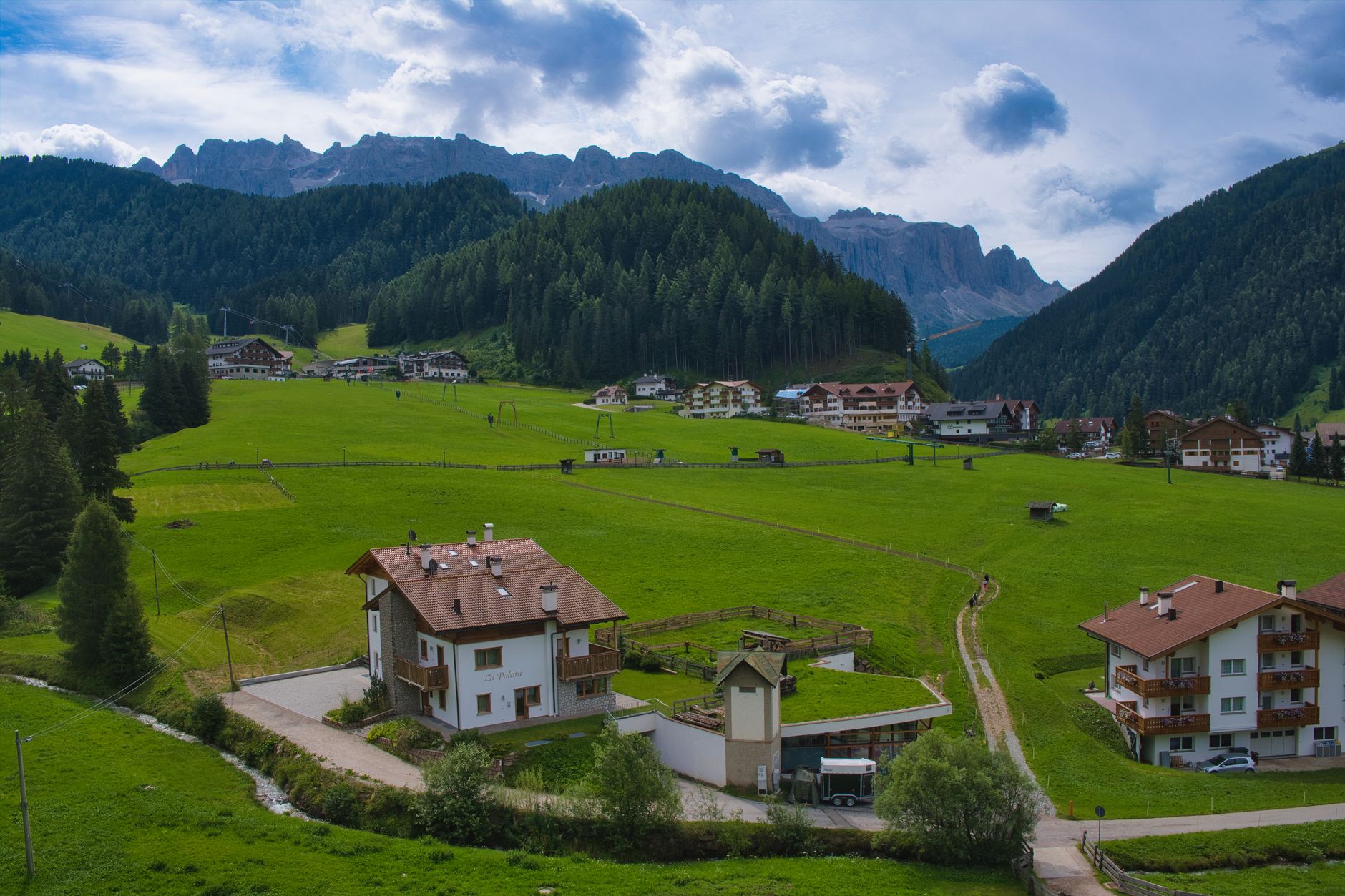

Sitting 25 kilometres northeast of Bolzano, Castelrotto is reached in forty minutes on bus 170 from the central station. It is known for its painted timber facades and easy access to Europe's largest high-altitude pasture. Castelrotto is worth visiting if you want hearty Tyrolean stews, quiet cobblestone lanes, and straightforward cable-car access to mountain walking. Look elsewhere if you want late-night bars, sandy shores, or a sprawling museum district.
Last updated 3 Oct 2026
Build a Castelrotto itinerary.
Choose up to 4 threads that pull you in. Your plan arrives organised around them.
The Bed
Where to stay in Castelrotto
Which part of town to book, and what each one costs you in walking, noise or quiet.
The Comparison
Castelrotto, or somewhere near it
The places you are realistically choosing between, and the honest case for each.
The Local Record
Where to read more about Castelrotto
The blogs, boards, guides and operators worth bookmarking.
What to do in Castelrotto Trentino-Alto Adige Italy
Castelrotto sits quietly around a paved central square, painted historic townhouses, and the tall bell tower of St. Peter and Paul. Daily life revolves around morning espresso at the bakery, quiet walks up the porphyry hill of Kofel, and afternoons out on the open pasture trails of the Dolomites. It suits travellers who appreciate calm evenings, hearty Alpine meals, and honest mountain air over frantic resort bustle.
24 hours in Castelrotto Trentino-Alto Adige Italy
Start early with rye bread and coffee in Piazza Krausen, then catch the fifteen-minute bus to the Alpe di Siusi cable car. Walk the Puflatsch loop before lunching on knödel at a mountain hut. Return to town for a late afternoon walk up Kofel, followed by venison ragù and a glass of Lagrein at a traditional tavern. Select 1 Day above to see it.
2 days in Castelrotto Trentino-Alto Adige Italy
A second day lets you explore the quiet hamlet of Tagusa and the forest path out to the ruins of Castel Vecchio. Stop at an alpine dairy for fresh butter and Graukäse cheese, then spend the evening tasting Eisacktal white wines like Kerner and Sylvaner over plates of buttered Schlutzkrapfen. Choose 2 Days to expand the plan.
3 days in Castelrotto Trentino-Alto Adige Italy
With three days, venture into the neighbouring Val Gardena to see woodcarvers at work in Ortisei, or take the regional bus down to Bressanone to inspect the Romanesque cloister frescoes. You can finish your stay with a slower, strenuous hike along the Sciliar ridge without watching the clock.
Castelrotto Trentino-Alto Adige Italy itineraries by interest
Alpine Hiking in Castelrotto Trentino-Alto Adige Italy
Take the bus to the Siusi cable car up to the Alpe di Siusi, where marked loop trails cross rolling meadows toward the Sciliar peaks.
Traditional Cooking in Castelrotto Trentino-Alto Adige Italy
Look for spinach Schlutzkrapfen dumplings tossed in brown butter, Speck platters, and beef goulash served in timbered Stube dining rooms.
Mountain Biking in Castelrotto Trentino-Alto Adige Italy
Rent an e-bike by the main piazza to tackle gravel climbs past Compatsch and the Puflatsch plateau without wrecking your knees.
Wine & Cellars in Castelrotto Trentino-Alto Adige Italy
Drink light, chilled Vernatsch and peppery Lagrein reds poured alongside Schüttelbrot flatbread from the Eisacktal slopes nearby.
Sacred Architecture in Castelrotto Trentino-Alto Adige Italy
Climb the freestanding neo-classical tower of St. Peter and Paul for views, then walk the Stations of the Cross path on Kofel hill.
Artisan Bakeries in Castelrotto Trentino-Alto Adige Italy
Pick up anise-scented rye Vinschger Paarlen and fresh apple strudel from village bakers who start their ovens well before dawn.
Folk Traditions in Castelrotto Trentino-Alto Adige Italy
Observe the autumn Almabtrieb cattle drives and June Corpus Christi processions with traditional Tracht costumes and brass bands.
Castle Ruins in Castelrotto Trentino-Alto Adige Italy
Walk forty minutes through pine woods to Castel Vecchio, the ruined 14th-century stronghold of poet-knight Oswald von Wolkenstein.
Local Cheese in Castelrotto Trentino-Alto Adige Italy
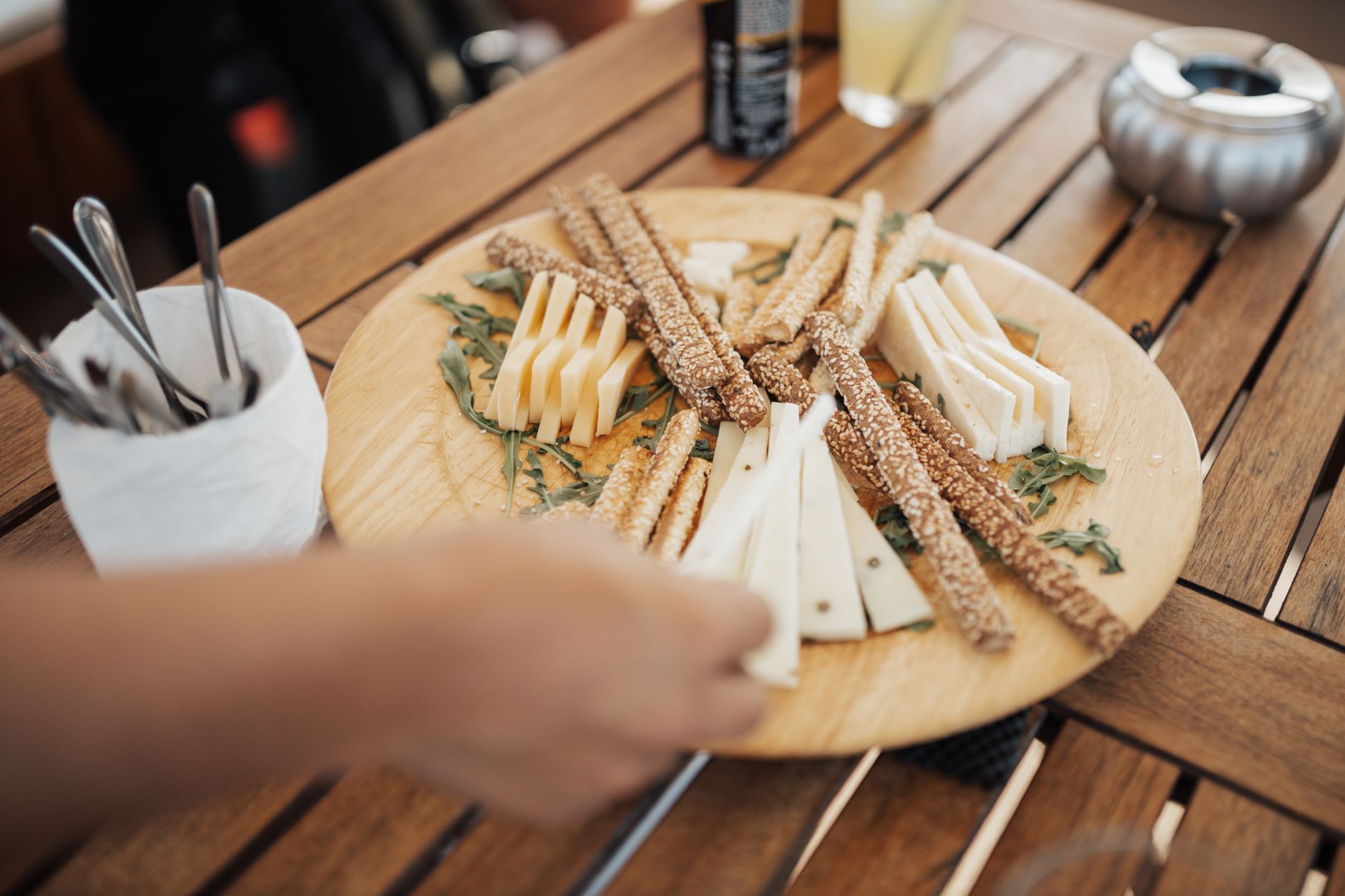
Sample raw-milk Graukäse and aged mountain cheeses made in small dairies around the Sciliar plateau, eaten with onion and vinegar.
Day Trips in Castelrotto Trentino-Alto Adige Italy
Ride the public bus down to Bressanone to tour the bishop's Hofburg palace, or head into Val Gardena for woodcarving studios.
Winter Sports in Castelrotto Trentino-Alto Adige Italy
Catch the ski shuttle to the Dolomiti Superski network for cross-country loops and groomed red runs beneath the Sassolungo peaks.
Historic Villages in Castelrotto Trentino-Alto Adige Italy
Wander the narrow lanes of neighbouring Tagusa and Tisana, where frescoed farmsteads and tiny stone chapels cling to green ridges.