Chóra (Folegandros).


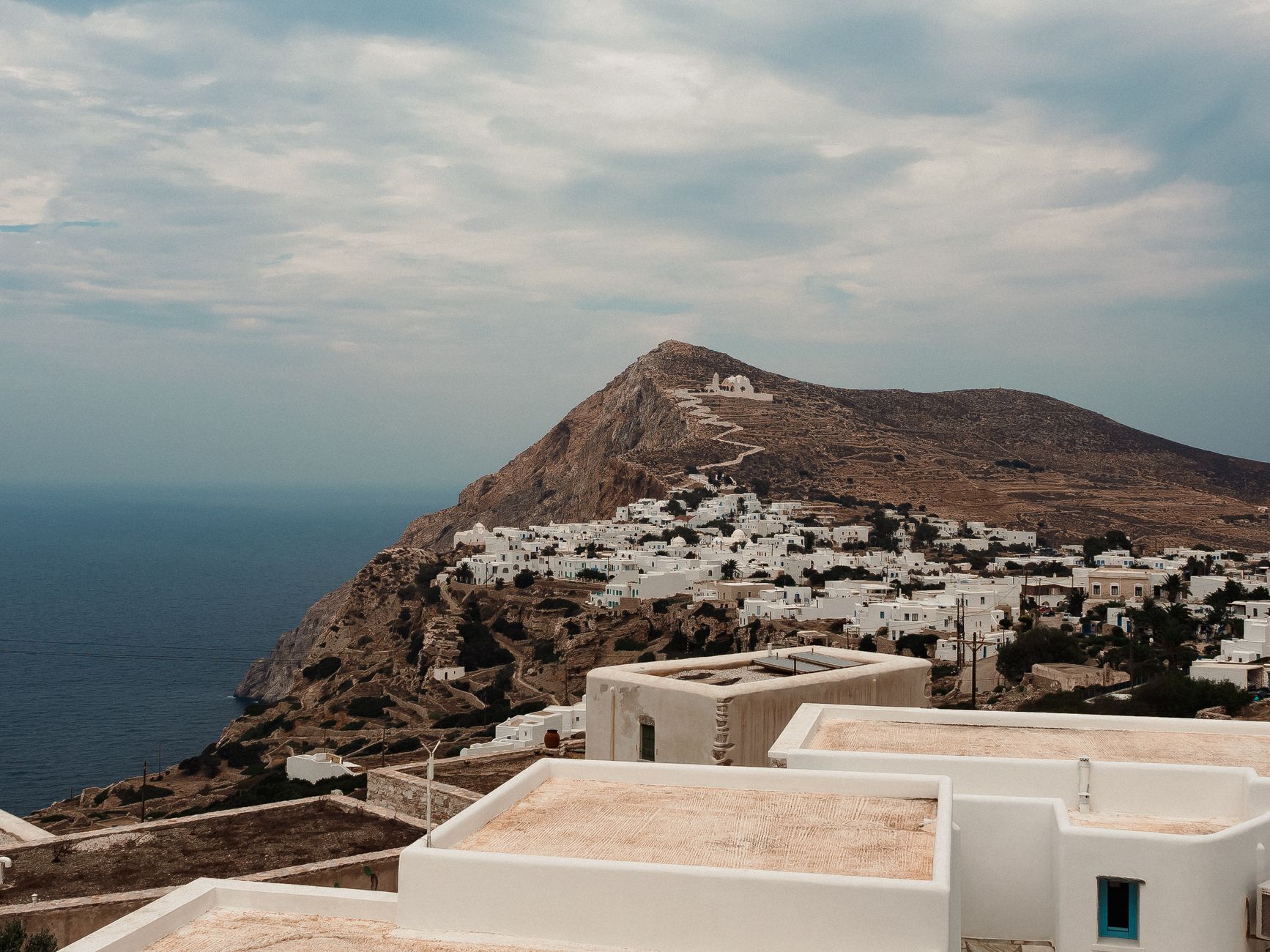


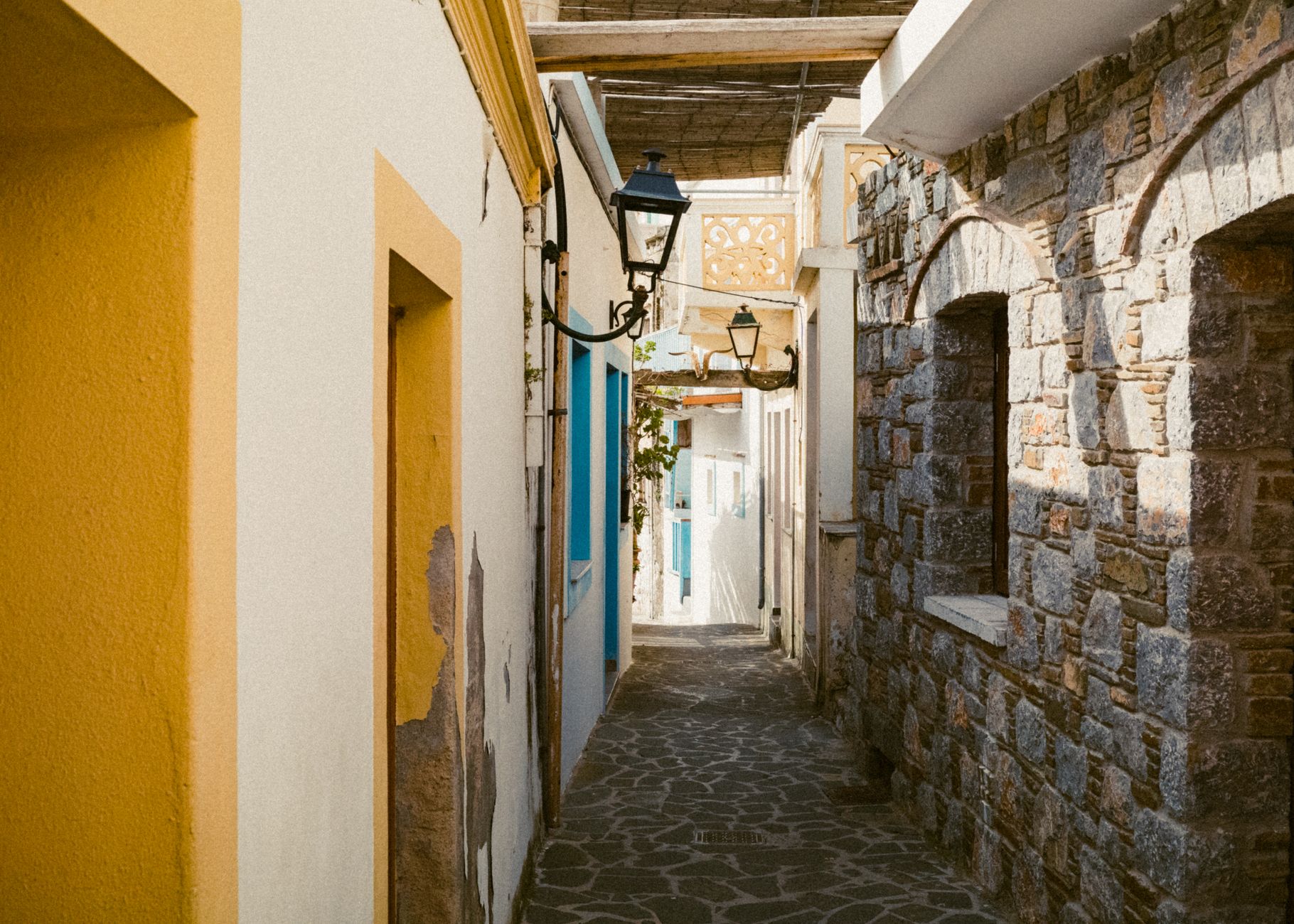
Reaching Chóra requires a fifty-minute high-speed ferry from Santorini or four hours from Piraeus to Karavostasis port, followed by a ten-minute bus climb. Perched on a 200-metre cliff, the village is renowned for its sequential pedestrian squares and the thirteenth-century fortified Kastro quarter. Chóra (Folegandros) is worth visiting if you want car-free medieval lanes, cliff-top evening walks, and handmade matsata pasta in quiet squares. Look elsewhere if you need direct beach access, resort amenities, or loud late-night clubs.
Last updated 11 Oct 2026
Build a Chóra (Folegandros) itinerary.
Choose up to 4 threads that pull you in. Your plan arrives organised around them.
The Bed
Where to stay in Chóra (Folegandros)
Which part of town to book, and what each one costs you in walking, noise or quiet.
The Comparison
Chóra (Folegandros), or somewhere near it
The places you are realistically choosing between, and the honest case for each.
The Local Record
Where to read more about Chóra (Folegandros)
The blogs, boards, guides and operators worth bookmarking.
What to do in Chóra (Folegandros) South Aegean Greece
Life here clusters around four linked pedestrian squares that step gently uphill toward the sheer cliff edge. Mornings are slow, reserved for strong coffee under bougainvillea and trips to the baker. By dusk, residents and travellers drift toward the Kastro lanes or follow the stone ramp to Panagia church before dinner. It suits independent walkers, quiet diners, and anyone relieved to leave car horns behind.
24 hours in Chóra (Folegandros) South Aegean Greece
Begin with a cheese kalasouna at a bakery in Piazza square. Walk the whitewashed lanes of the Venetian Kastro before midday heat sets in. In late afternoon, hike the 15-minute zigzag stone path up to Panagia church, then head down to Piatsa for braised rooster with fresh matsata pasta. Select 1 Day above to see it.
2 days in Chóra (Folegandros) South Aegean Greece
Take the morning bus five kilometres west to the farming hamlet of Ano Meria. Walk past stone themonies farmsteads and hike down the dirt track to secluded Livadaki beach. Return to Chóra for an evening plate of local souroto cheese, fresh caper leaves, and grilled fish. Choose 2 Days to expand the plan.
3 days in Chóra (Folegandros) South Aegean Greece
Board a wooden water taxi from Karavostasis or Agali to spend the day at pebble-lined Katergo beach. Later, explore the cliff paths above Vardia or take a slow evening over carafes of crisp Cycladic white wine, lingering across Dunavi square without an itinerary.
Chóra (Folegandros) South Aegean Greece itineraries by interest
Local Pasta in Chóra (Folegandros) South Aegean Greece
Watch cooks roll ribboned matsata by hand, served steaming under braised rooster or rabbit in spiced tomato sauce with grated hard mizithra.
Medieval Architecture in Chóra (Folegandros) South Aegean Greece
Wander the 13th-century Kastro, where whitewashed outer walls double as a cliffside defensive ring with narrow wooden balconies overhead.
Sunset Walks in Chóra (Folegandros) South Aegean Greece
Take the zigzagging paved stone path up to the cliff-top Panagia church for wide views over the Aegean Sea in the cooling late afternoon.
Traditional Cheeses in Chóra (Folegandros) South Aegean Greece
Sample sharp, creamy souroto cheese drizzled with thyme honey or folded into flaky kalasouna onion pies at small morning bakeries.
Village Squares in Chóra (Folegandros) South Aegean Greece
Sit under plane trees across Piazza, Dunavi, and Kontarini squares as locals gather for Greek coffee and afternoon tavli matches.
Island Bakeries in Chóra (Folegandros) South Aegean Greece
Pick up sweet sougla cookies, sesame-crusted pasteli, and savoury ladenia flatbreads fresh from the wood-fired ovens near Piatsa.
Coastal Hiking in Chóra (Folegandros) South Aegean Greece
Follow dry-stone goat paths down to Agali Beach or out across the barren scrub towards the secluded coves of Livadaki and Galifos.
Maritime History in Chóra (Folegandros) South Aegean Greece
Inspect salvaged maritime relics, antique amphorae, and traditional fishing nets on display in the small folklore collection in Ano Meria.
Local Wine in Chóra (Folegandros) South Aegean Greece
Taste crisp, mineral-forward white wines pressed from indigenous Cycladic Assyrtiko and Aidani grapes at shaded village taverna tables.
Remote Beaches in Chóra (Folegandros) South Aegean Greece
Catch small wooden caiques from Agali beach out to the clear, emerald waters and white pebbles of remote Katergo and Livadaki.
Rural Traditions in Chóra (Folegandros) South Aegean Greece
Explore nearby Ano Meria to see traditional themonies, self-contained dry-stone farmsteads built to survive winter Aegean gales.
Sacred Architecture in Chóra (Folegandros) South Aegean Greece
Visit whitewashed Byzantine chapels like Stavros and Agios Nikolaos tucked into stone residential walls throughout the old quarters.