


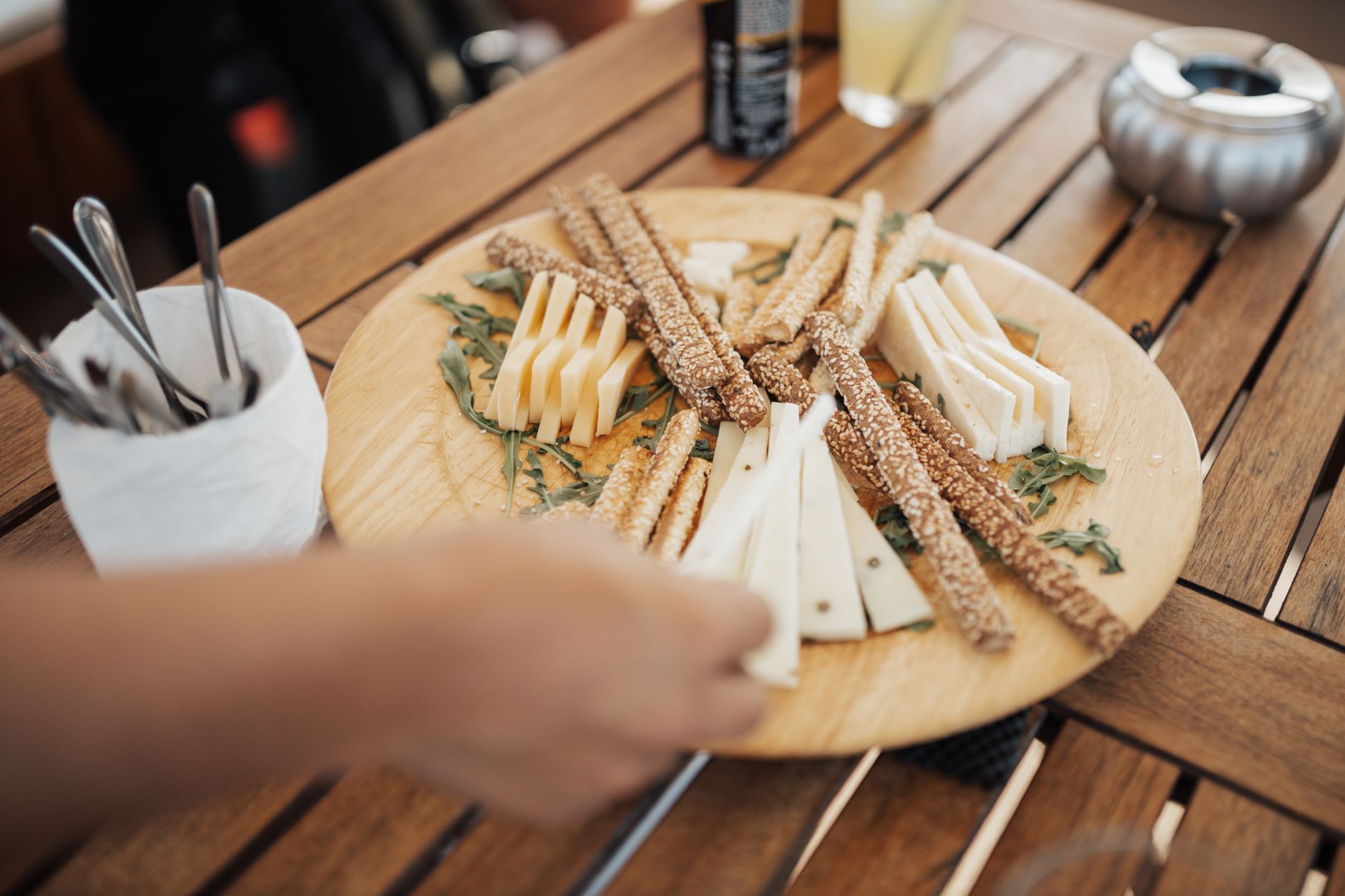

Ferry horns bounce off the whitewashed seawall every hour, signaling another rush of scooters and fish crates along the quay. Step two paces inland past the Venetian kastro wall and the racket vanishes into cool, marble-paved alleys that have routed sea breezes since the Bronze Age. The sixth-century church of Panagia Ekatontapyliani commands the north edge with quiet stone austerity, while backstreet tavernas fry fresh red mullet and pour carafes of dry Monemvasia white wine under bougainvillea.
Last updated 28 Aug 2026
Build a Parikia itinerary.
Choose up to 4 threads that pull you in. Your plan arrives organised around them.
The Bed
Where to stay in Parikia
Which part of town to book, and what each one costs you in walking, noise or quiet.
The Comparison
Parikia, or somewhere near it
The places you are realistically choosing between, and the honest case for each.
The Local Record
Where to read more about Parikia
The blogs, boards, guides and operators worth bookmarking.
What to do in Parikia Paros Greece
Parikia balances the practical grit of a working ferry hub with tranquil medieval quarters. Life here moves between morning bakery stops along Market Street, afternoon siestas shaded by bougainvillea, and evening strolls by the kastro. It suits independent travellers who enjoy walkable historic quarters, honest taverna cooking, and easy transit to surrounding beaches without needing to hire a car immediately.
24 hours in Parikia Paros Greece
Start early at Panagia Ekatontapyliani before tour buses land, then wander the narrow lanes behind the Frankish castle. For lunch, order grilled gouna and wild greens at a harbour taverna. Spend your afternoon at Livadia Beach, a ten-minute walk north, before catching the sunset with a glass of local white wine on the kastro steps. Select 1 Day above to see it.
2 days in Parikia Paros Greece
Dedicate your second day to the inland slopes. Take a twenty-minute morning bus to the marble village of Lefkes and walk a stretch of the stone Byzantine Path. Return to Parikia for a relaxed dinner of clay-pot chickpea revithada, followed by an evening browse through the craft pottery workshops along the old market. Choose 2 Days to expand the plan.
3 days in Parikia Paros Greece
With three days, take the ten-minute ferry crossing from nearby Pounta to Antiparos to explore its deep stalactite cave. Back in Parikia, slow down entirely with a morning visit to the Archaeological Museum and an unhurried swim out at the granite coves of Kolymbithres.
Parikia Paros Greece itineraries by interest
Sacred Architecture in Parikia Paros Greece
Explore Panagia Ekatontapyliani, a 6th-century complex of marble chapels and ancient baptisteries built under Justinian.
Local Seafood in Parikia Paros Greece
Sample sun-dried mackerel known as gouna and grilled octopus dressed in vinegar, best ordered along the fishing port.
Historic Fortifications in Parikia Paros Greece
Examine the 13th-century Frankish kastro, constructed entirely from recycled columns and stones of ancient archaic temples.
Wine & Vineyards in Parikia Paros Greece
Sip native Mandilaria reds and dry Monemvasia whites produced across Paros at unpretentious taverna tables in town.
Archaeology in Parikia Paros Greece
Visit the Paros Archaeological Museum to see the Parian Chronicle marble inscription and archaic Nike statues.
Coastal Walks in Parikia Paros Greece
Follow the coastal trail north past Livadia Beach to the lighthouse at Cape Korakas for open Aegean views.
Village Bakeries in Parikia Paros Greece
Pick up fresh ladenia flatbread topped with tomatoes and sweet mizithra cheese pies baked early every morning.
Island Day Trips in Parikia Paros Greece
Catch the local bus east to mountain Lefkes or board a short passenger boat over to the quiet port of Antiparos.
Artisan Pottery in Parikia Paros Greece
Browse small family studios crafting functional terracotta jugs and glazed tableware tucked behind the market street.
Sunset Views in Parikia Paros Greece
Walk up the stone steps to the whitewashed chapel of Agios Konstantinos on the castle crest as the sun dips into the sea.
Local Markets in Parikia Paros Greece
Browse morning stalls along the old market street for wild capers, thyme honey, and dried mountain oregano.
Traditional Tavernas in Parikia Paros Greece
Settle into marble-lined squares for slow-cooked revithada chickpea stew and local cheeses served with fresh bread.